Philippines · Mimaropa
Where to Stay in El Nido, Mimaropa
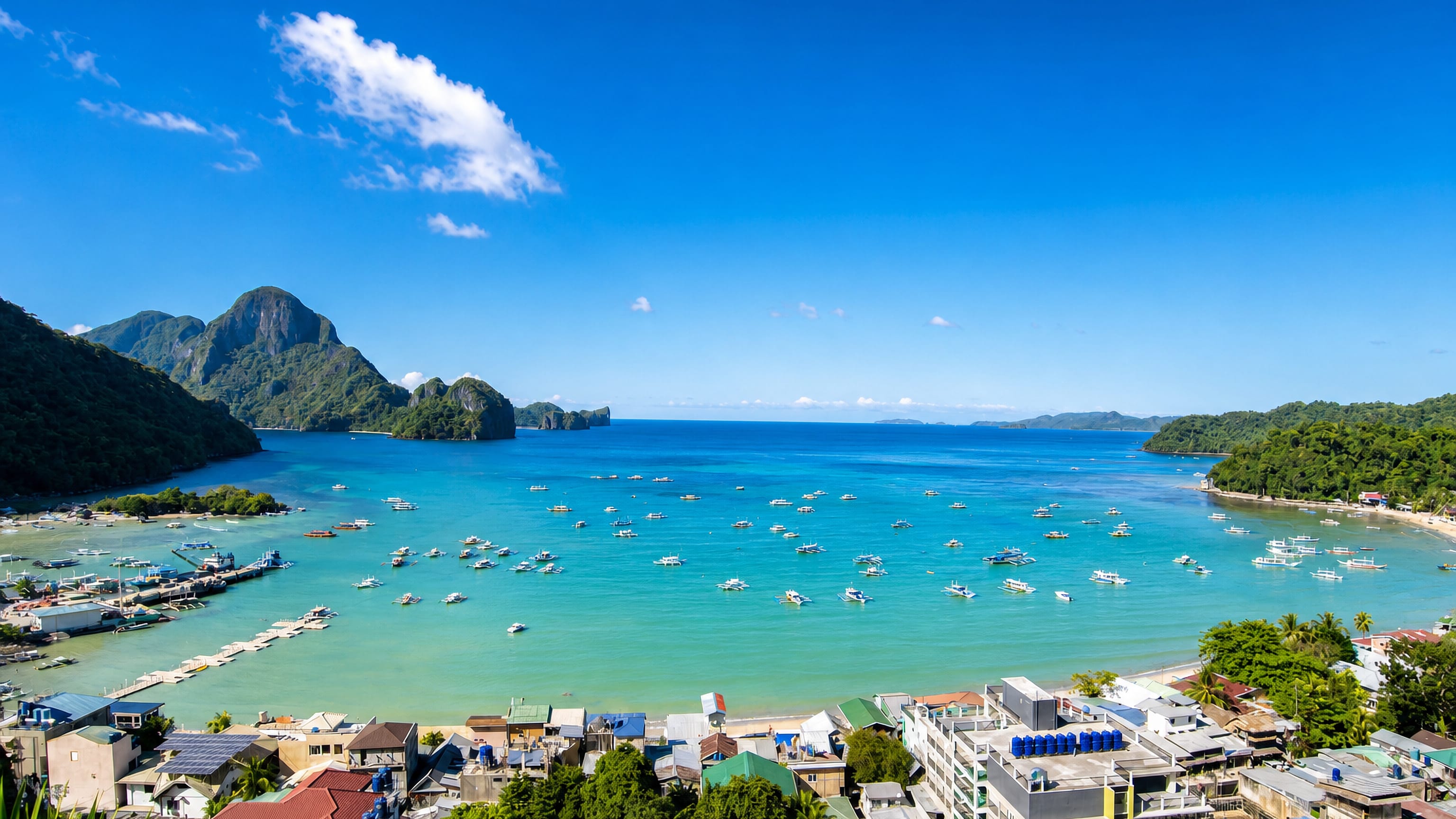
El Nido is a coastal town on Palawan where limestone cliffs stand over 45 islands and islets, a karst seascape compared with Ha Long Bay and Krabi.
Hotel links are affiliate links: booking through them may earn us a commission, at no extra cost to you. It never affects how places are ranked. How this works


Where to stay in El Nido
How the choice of base plays out on the ground.
The town and the islands are two different stays. El Nido spreads across a municipality of more than 900 square kilometres on Palawan, and the built-up town sits on the coast while the 45 islands and islets lie offshore beyond the cliffs. That distance decides most of it.
A room in town keeps the shore, the beaches and the road out within reach, which matters more than any single view when a day on the water starts early. The islands take the opposite approach. Staying out among the islands and islets trades the shops and the departure point of El Nido town for a shoreline of limestone cliffs, clear water and jungle running down to the sand.
Island nights come with almost no noise. The trade is real, because a room off the mainland puts a boat between a traveller and every meal, every errand and every road on Palawan. Timing changes the calculation.
Holy Week fills El Nido with travellers from the rest of the Philippines, and the town side of the municipality feels the crowd first while the outer islands absorb it more slowly. Book early for that stretch. Mimaropa covers the whole of Palawan, and the limestone cliffs here are the feature that puts El Nido beside Ha Long Bay, Krabi and Guilin in most descriptions.
Find hotels in El Nido
Direct booking searches for these neighbourhoods.
El Nido town
The shore end of the municipality, with the beaches and the Palawan road both closeFind hotels in El Nido townStays wanting limestone cliffs and jungle instead of a streetThe offshore islands
Shorelines beyond the town where the karst compared with Ha Long Bay beginsFind hotels in The offshore islandsHotel links are affiliate links: booking through them may earn us a commission, at no extra cost to you. It never affects how places are ranked. How this works
About El Nido
What is El Nido known for?
Limestone rises straight out of the water at El Nido, and the 45 islands and islets scattered off the town give the coast of Palawan a form that travellers compare with Ha Long Bay, Krabi and Guilin. Beaches and clear water fill the gaps. Jungle covers the slopes behind, and the inlets between the cliffs open only from the water.
Holy Week brings the domestic crowd.
What are the main landmarks in El Nido?
The landmarks here are geological. Limestone cliffs stand over the water along the coast, and the 45 islands and islets of El Nido form the karst seascape that invites comparison with Ha Long Bay, Krabi and Guilin. Inlets cut between them.
Beaches, clear water and jungle fill the rest of the municipality, which on Palawan means a landscape rather than a monument list.
What is the history of El Nido?
Little is written down about El Nido's beginnings. El Nido appears as the Municipality of El Nido in the province of Palawan, and no founding year travels with the name the way it does for the older cities of the Philippines. The landscape carries the longer story.
Limestone cliffs and the 45 islands and islets off the coast were the shape of this stretch of Palawan long before any municipal boundary was drawn around them. Visitors came in a particular order. Holy Week was the season that filled El Nido first, drawing travellers from elsewhere in the Philippines while the town stayed outside the ordinary foreign itinerary for Palawan.
Word travelled outward from there. The comparison with Ha Long Bay, Krabi and Guilin did the rest, giving a coastal town in Mimaropa a reference point that readers elsewhere already understood. Administration followed the coast.
The municipality reaches across more than 900 square kilometres of Palawan, a large jurisdiction for a town of this size, and it takes in the islands offshore as well as the mainland shore. Both halves answer to the same office. Mimaropa sits above it as the region and Palawan as the province, so El Nido answers upward through both before anything reaches the national level of the Philippines.
Where is El Nido?
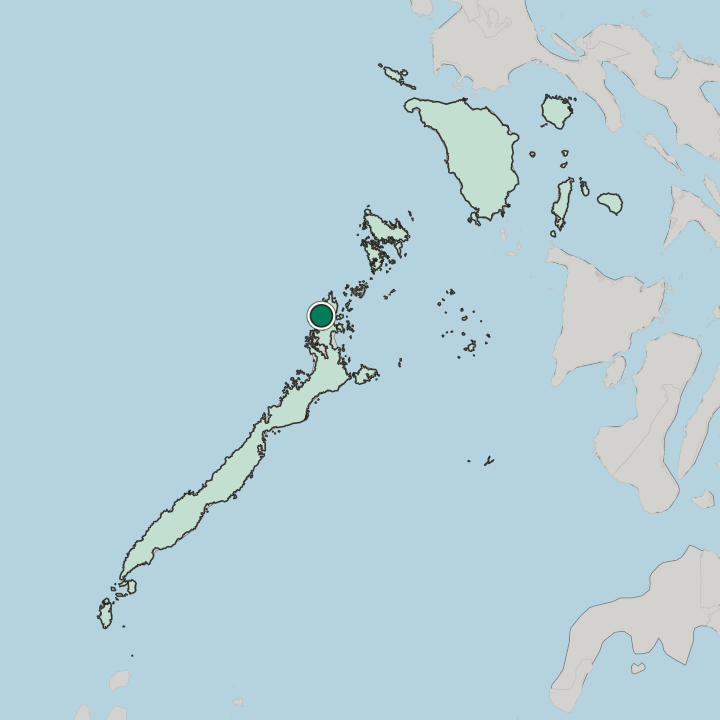
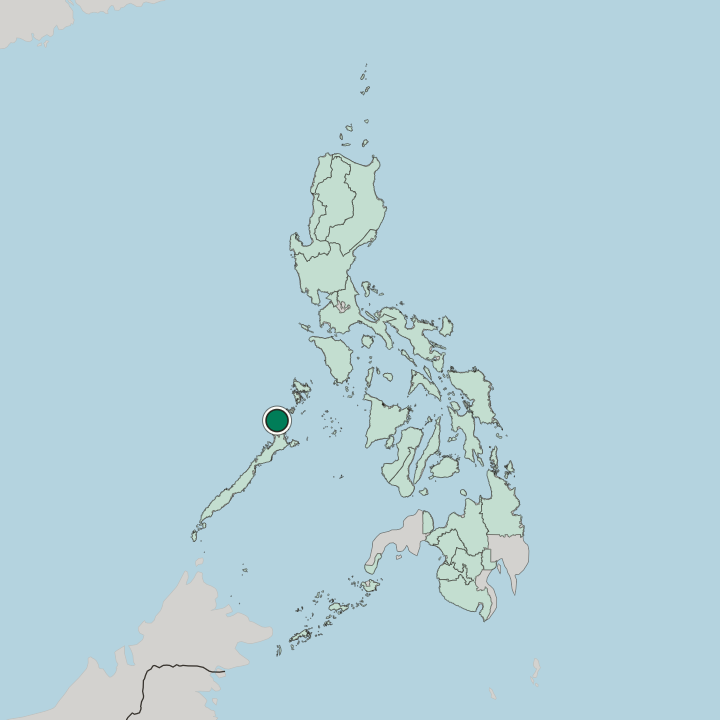
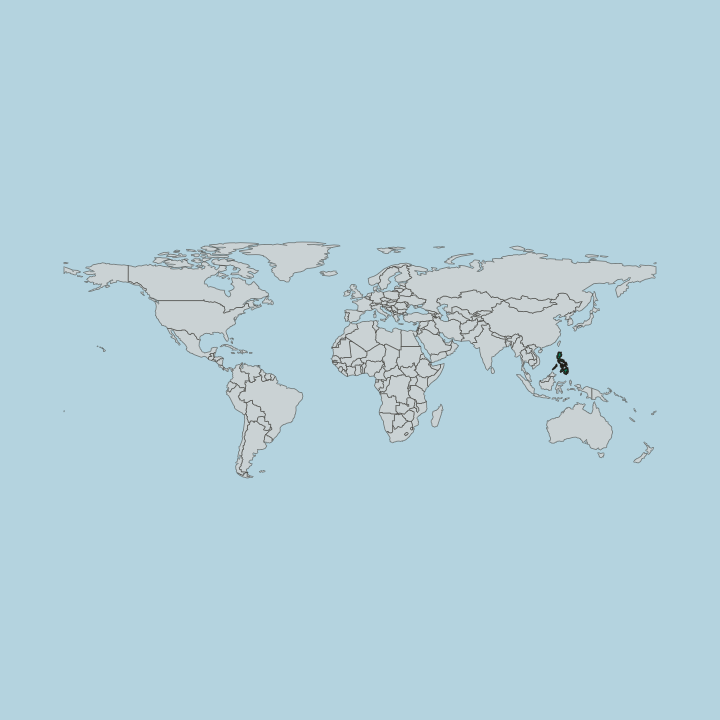
The coast is the whole geography. El Nido occupies more than 900 square kilometres of Palawan, and the 45 islands and islets that belong to it turn a mainland municipality into an archipelago spread over open water. Limestone cliffs rise from the shallows.
Jungle, beaches and clear water fill the ground between the karst walls, and the inlets that cut into the cliffs give the coast of Mimaropa its most distinctive edge.
What is the climate of El Nido?
This corner of Palawan lies well inside the tropics. Warm water and warm air are the year-round condition on this part of Palawan, and the seasonal difference a visitor meets is a matter of how much rain falls rather than how cold it gets. The sea stays swimmable throughout.
Boat weather, not temperature, decides the shape of a day among the 45 islands and islets, and Holy Week falls in the stretch that draws the heaviest domestic travel.
How do you get to El Nido?
Palawan does the work. El Nido lies on the coast of Palawan, and reaching the municipality means a road journey across the province or an approach from the water, since the 45 islands and islets are served by boat. Boats take over at the shore.
Mimaropa is an island region, so every leg into El Nido crosses water at some point, whether that comes at the start of the trip or at its end.
Common questions
What is the best area to stay in El Nido?
El Nido town: Travellers leaving early for the 45 islands and islets. The offshore islands: Stays wanting limestone cliffs and jungle instead of a street.
Good for
More cities in Mimaropa
Updated September 2026