Philippines
Mimaropa, Philippines — Towns & Travel Guide
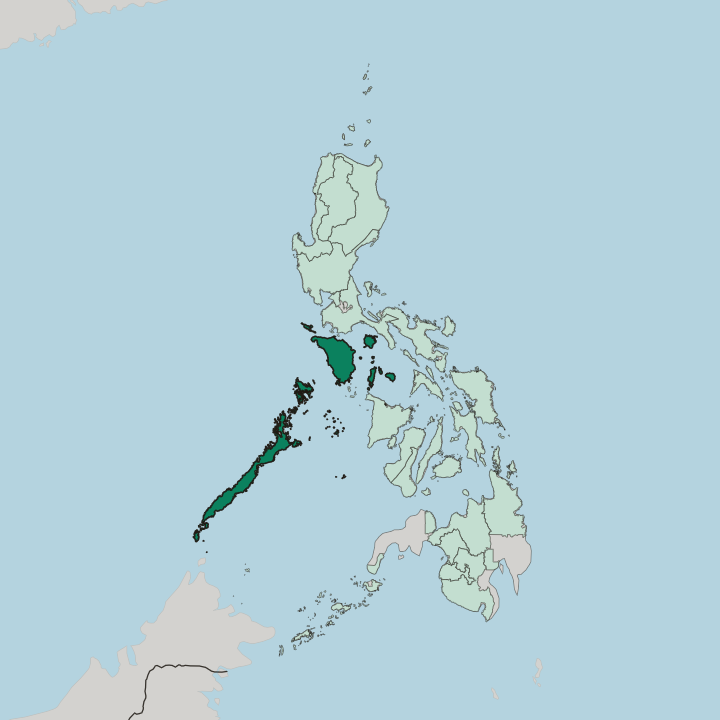
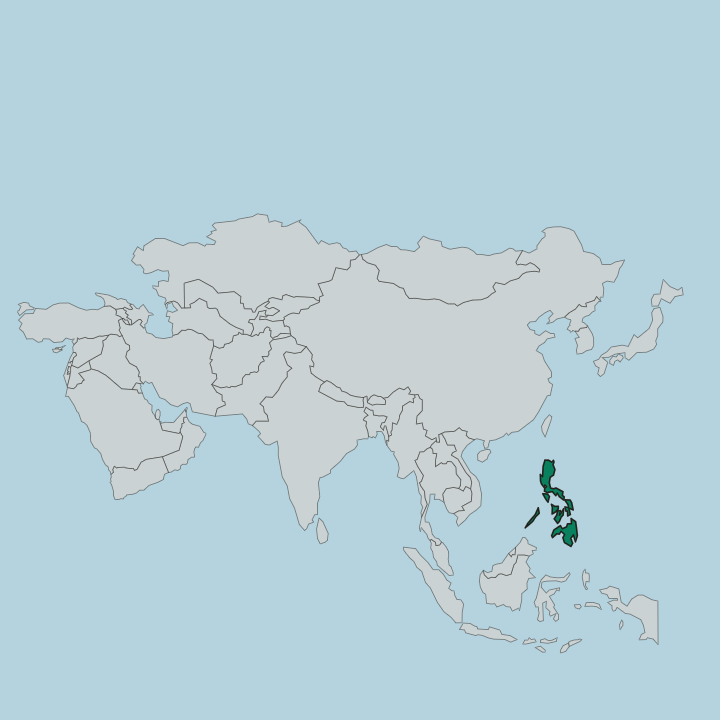
Mimaropa is Region IV-B of the Philippines: Mindoro, Marinduque, Romblon and Palawan, four provinces with no land border to another region.
Hotel links are affiliate links: booking through them may earn us a commission, at no extra cost to you. It never affects how places are ranked. How this works


Towns & cities in Mimaropa
Pick a town or city — each links to where to stay.

 Philippines
Puerto Princesa
Puerto Princesa is the capital of Palawan, a wide coastal city holding the Puerto Princesa Subterranean River National Park within its own limits.Where to stay →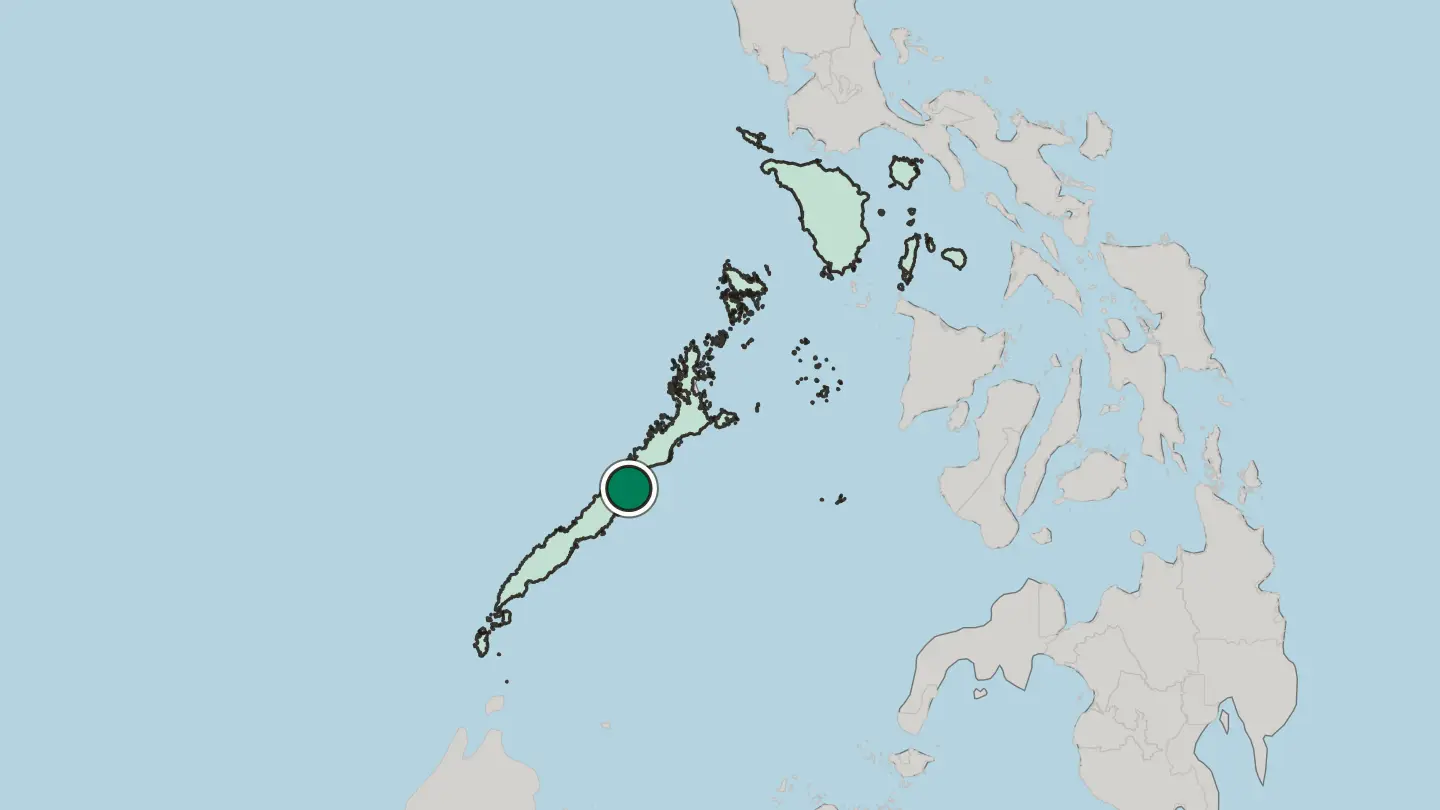
 Philippines
Calapan
Calapan is the capital of Oriental Mindoro. No settlement on the island of Mindoro is larger, and the province falls under the Mimaropa region.Where to stay →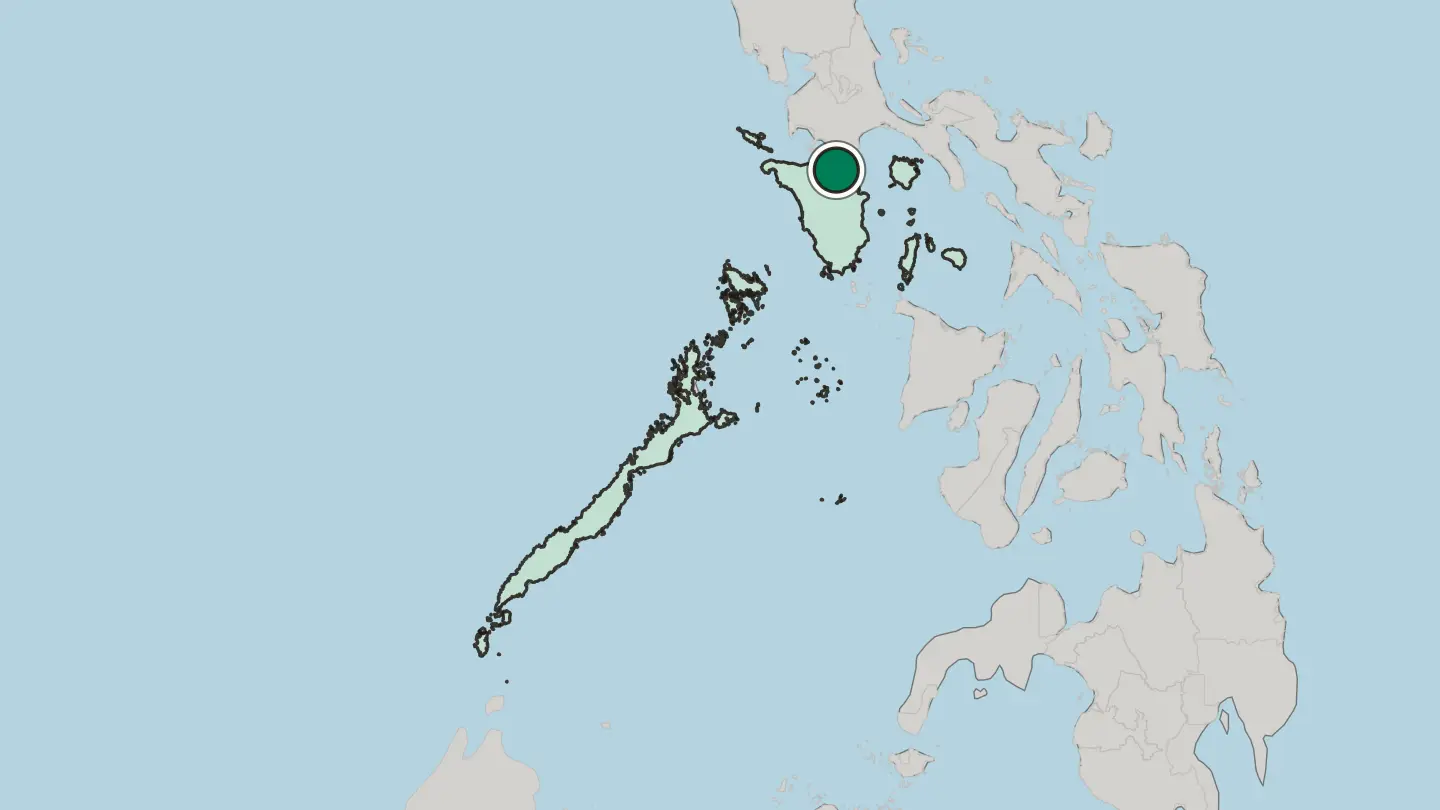
 Philippines
El Nido
El Nido is a coastal town on Palawan where limestone cliffs stand over 45 islands and islets, a karst seascape compared with Ha Long Bay and Krabi.Where to stay →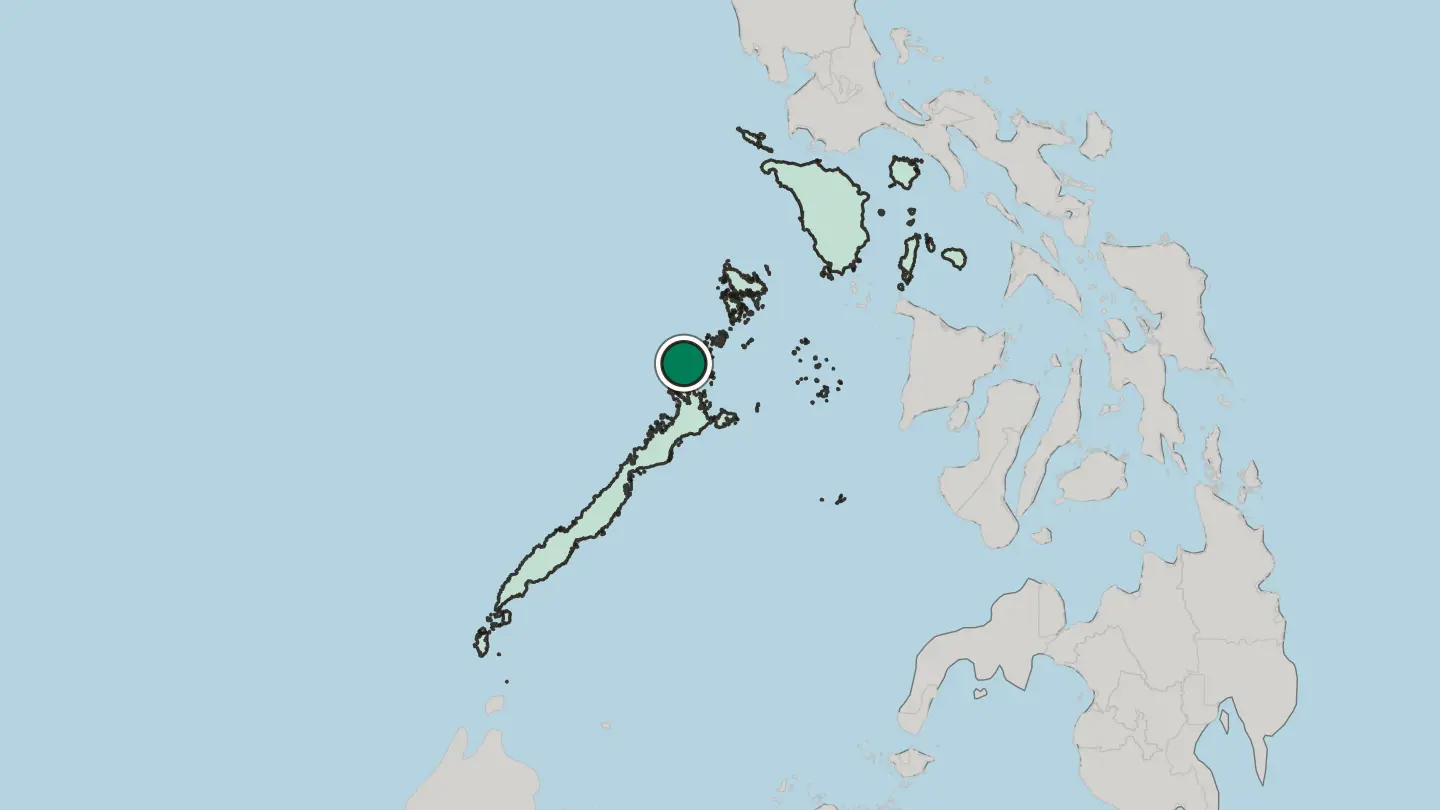
Hotel links are affiliate links: booking through them may earn us a commission, at no extra cost to you. It never affects how places are ranked. How this works
About Mimaropa
The name is a list.
What is Mimaropa known for?
Mindoro, Marinduque, Romblon and Palawan supply the letters that make up Mimaropa, so the region's title is an inventory of its own provinces rather than a place name in its own right. Agriculture leads the economy. Tourism, fishing and manufacturing all take a share, but the farm sector remains the largest single contributor in Region IV-B.
Where is Mimaropa?
Water surrounds every part of it. Mimaropa consists of Mindoro, Marinduque, Romblon and Palawan, and it is the only region in the country outside the Visayas that has no land border with another region at all. That fact shapes everything else.
Region IV-B is reached across water in every direction, so its extent is measured by sea gaps rather than by the road distance that orders most administrative regions of the Philippines. The four names are the geography. Sea crossings connect Mindoro, Marinduque, Romblon and Palawan to one another and to everywhere else.
Mimaropa is a young label. The region dates from 2002, and its formal title, the Southwestern Tagalog Region, sits beside the acronym that most people actually use, along with the administrative designation Region IV-B. Three names for one place.
Each of the four provinces keeps its own identity within that frame, so Mindoro, Marinduque, Romblon and Palawan are the units a traveller plans around, while Mimaropa is the heading they are filed under. The Visayas is the only other part of the Philippines whose regions share that lack of a land border, which is why the fact is always stated with the Visayas set aside.
What is Mimaropa like?
The official name says Tagalog. Southwestern Tagalog Region is the formal title, and it places Mimaropa within a wider Tagalog frame even though the everyday name is an acronym built from Mindoro, Marinduque, Romblon and Palawan. Both names are in use.
Acronym naming of that kind is a bureaucratic habit rather than a folk one, and it means the region's identity was assembled from its parts instead of growing out of a single centre. Region IV-B is the third name in circulation. Work here runs on land and water.
Agriculture is the largest part of the economy across Mindoro, Marinduque, Romblon and Palawan, with fishing, tourism and manufacturing sharing what is left, and that balance shapes daily life more than any regional institution does. English carries the visitor side. It is the language of the tourism trade throughout Mimaropa, which matters in a region where travel between provinces means leaving one island for another rather than following a road.
Since 2002 the four provinces have shared one heading, and the Southwestern Tagalog Region name has had that long to settle beside the older provincial loyalties.
What is the history of Mimaropa?
Mimaropa dates from 2002. The region was set up as Region IV-B and given the formal name Southwestern Tagalog Region, while the working name was assembled letter by letter from Mindoro, Marinduque, Romblon and Palawan. Four provinces, one heading.
Whatever binds the four is administrative rather than ancient, since each province carried its own history into the arrangement rather than out of it.
What is the climate of Mimaropa?
Sea air reaches every province. Mindoro, Marinduque, Romblon and Palawan each sit surrounded by water with no land border to shelter them, so the weather that arrives over Mimaropa has crossed open sea before it gets there. Nothing here is far inland.
What lands on Palawan and what lands on Marinduque can differ, since the provinces are spread across a wide stretch of water rather than packed into one block.
How do you get to Mimaropa?
Every arrival crosses water. Region IV-B has no land border with another region, so nothing reaches Mimaropa by road from outside, and the entry points are the ports and airfields of Mindoro, Marinduque, Romblon and Palawan. Each province is entered separately.
That also governs movement inside the region, because a route from Palawan to Romblon is a journey between islands rather than a drive across a shared interior.
Common questions
What is the best area to stay in Mimaropa?
Palawan: travellers giving one Mimaropa province the whole trip instead of island-hopping. Mindoro: stays anchored on the province that opens the Mimaropa acronym. Romblon: trips built around the smaller islands of the Southwestern Tagalog Region.
Good for
More regions in Philippines
Updated September 2026