Philippines · Western Visayas
Where to Stay in Bacolod City, Western Visayas
Bacolod is capital of Negros Occidental in the central Philippines, the sugar city of Negros, known for its MassKara festival and its planter mansions.
Hotel links are affiliate links: booking through them may earn us a commission, at no extra cost to you. It never affects how places are ranked. How this works


Where to stay in Bacolod City
Where visitors usually base themselves, and why.
Where you stay in Bacolod turns on the city or the cane country. The streets around the plaza keep the cathedral, the lagoon, and the food halls within a walk, and staying downtown suits anyone here for the festival. The plaza lies at the heart.
Inasal grills smoke at night. Out toward Talisay and the haciendas, the city gives way to cane fields, mills, and old mansions. A room out of town trades the streets for the Ruins, the sugar estates, and the slopes below Kanlaon.
Green cane runs to the hills. Stay downtown for the plaza, or out for the mansions. The centre lies a short way back.
Find hotels in Bacolod City
Direct booking searches for these neighbourhoods.
Downtown
Around the cathedral and food hallsFind hotels in DowntownStays wanting the Ruins and cane countryTalisay and the haciendas
Out toward the sugar estates and KanlaonFind hotels in Talisay and the haciendasHotel links are affiliate links: booking through them may earn us a commission, at no extra cost to you. It never affects how places are ranked. How this works
About Bacolod City
Bacolod is the sugar city of Negros.
What is Bacolod City known for?
On the western shore of Negros island facing the strait, it grew rich as the capital of the great sugar country, and it keeps the masked October festival of MassKara that fills its streets, the burnt mansion of the Ruins in the cane fields nearby, a smiling name as the City of Smiles, and the grilled chicken inasal born in its kitchens. Cane fields spread inland. The strait shines to the west.
What are the main landmarks in Bacolod City?
The Ruins stand among the cane fields near Bacolod. The gaunt shell of a great mansion, its Italianate columns burned in the war and left open to the sky, rises over the fields at Talisay, the emblem of the sugar country, above the cane. A masked crowd fills the streets.
The MassKara dancers in their smiling masks take the city each October, while the old San Sebastian Cathedral, the capitol lagoon, and the sugar mansions mark the town around Bacolod.
What is the history of Bacolod City?
Bacolod grew great on sugar. A small coastal town on Negros, it rose in the nineteenth century when planters cleared the plain for cane and built sugar mills across the island, and it became the capital and the port of the sugar country. Sugar made its fortune.
Wealthy planter families raised grand mansions on their haciendas and in the town, and Bacolod stood as the heart of Negros sugar, rich in good years and hungry in bad. The masks came in a hard year. When the sugar trade slumped and a ferry sank with many lives in the nineteen-eighties, the city answered its grief with a festival of smiling masks, the MassKara, dancing in the streets each October.
It became the City of Smiles. Bacolod took the smiling mask as its own and grew as a lively city of festival, food, and trade, known for its warmth and its kitchens. The masks still fill October.
Bacolod keeps its festival and its cane fields on Negros.
Where is Bacolod City?
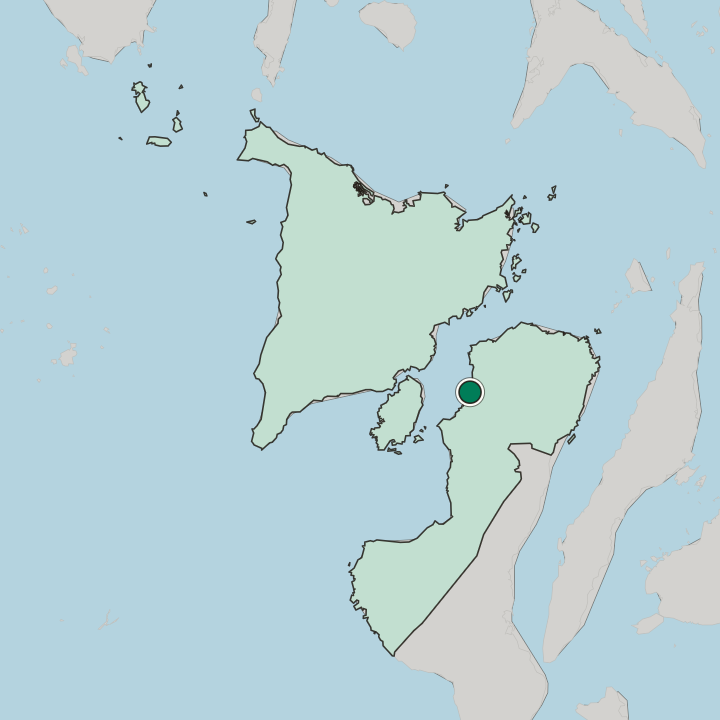
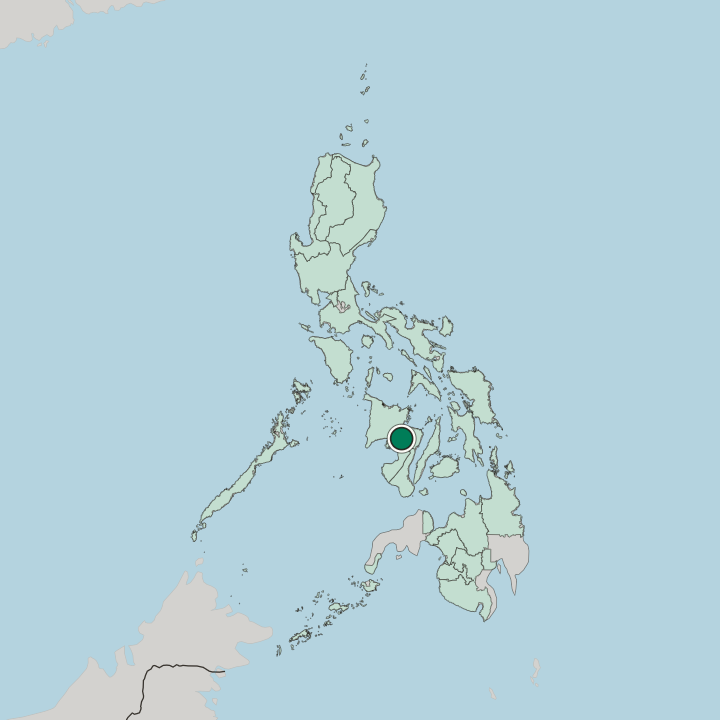
Bacolod lies on the west coast of Negros in the central Philippines, on the strait facing Panay. The city sits on a coastal plain of sugar cane between the sea and the mountains, with the great volcano of Kanlaon rising inland to the east and the Guimaras Strait washing its shore. Flat cane country spreads inland.
The strait lies open to the west.
What is the climate of Bacolod City?
Bacolod has a warm tropical climate. Hot damp weather holds all year on the coast, with a wetter and a drier season rather than summer and winter, and the odd typhoon in the rains. The heat hangs heavy at midday.
Rain sweeps in from the sea.
How do you get to Bacolod City?
Bacolod lies on the west coast of Negros, on the strait across from Iloilo. Ferries and fast craft cross the water to it from Iloilo on Panay, and roads run down the coast of the island. Boats cross the strait daily.
The airport lies east of town.
Common questions
What is the best area to stay in Bacolod City?
Downtown: Visitors here for the plaza and festival. Talisay and the haciendas: Stays wanting the Ruins and cane country.
Good for
More cities in Western Visayas
Updated September 2026