Philippines · Western Visayas
Where to Stay in Iloilo, Western Visayas
Iloilo is a historic city on Panay island in the central Philippines, known for its old Spanish churches and mansions.
Hotel links are affiliate links: booking through them may earn us a commission, at no extra cost to you. It never affects how places are ranked. How this works


Where to stay in Iloilo
Where the beds are, and what that means for the visit.
In Iloilo the decision is whether to sleep in the heritage centre or outside it. The streets around Calle Real and the plaza keep the churches, the museums, and the shops within a walk, and staying downtown suits anyone here for the heritage city. The old street glows at dusk.
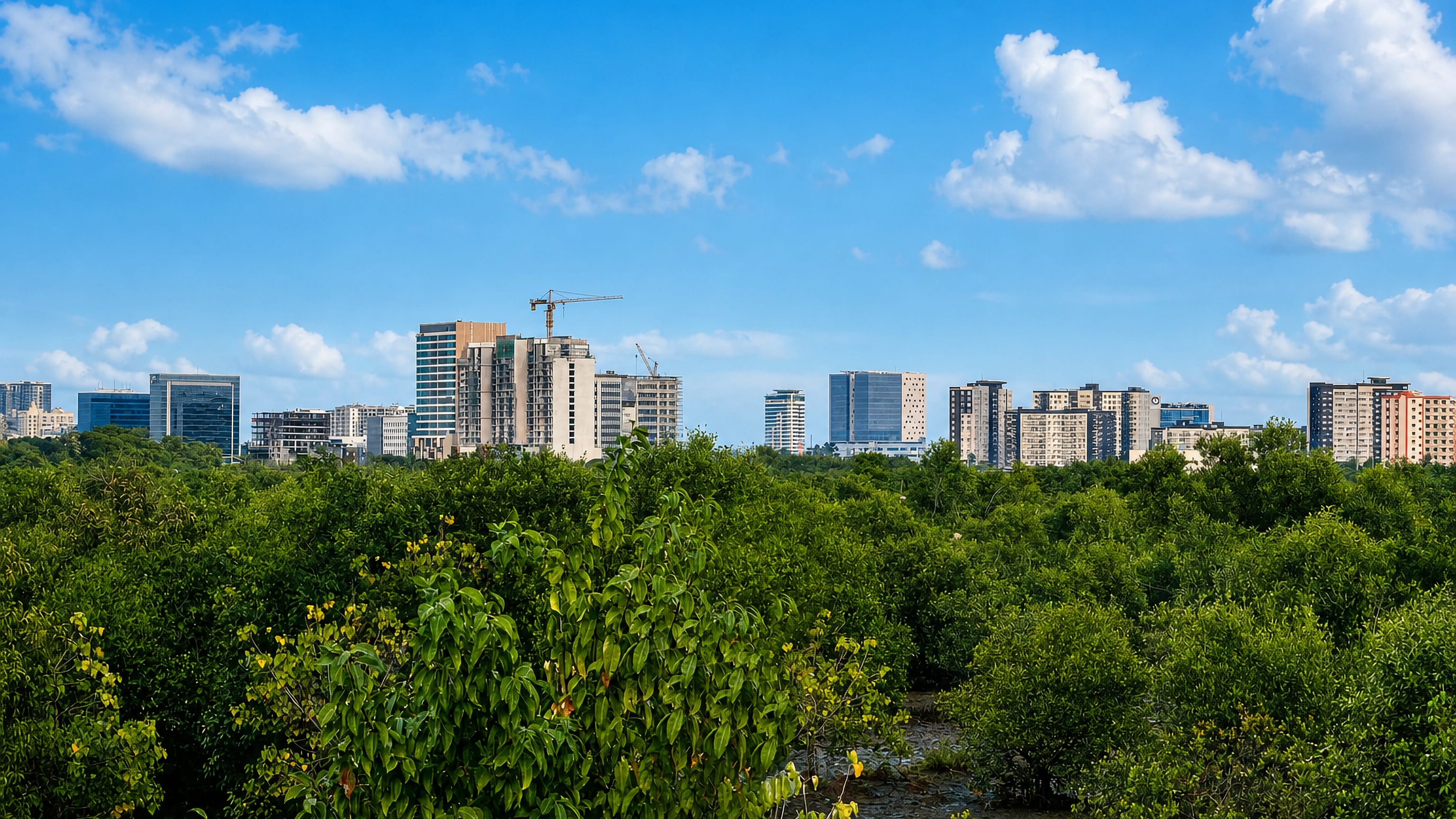
Rooms sit near the river and the plaza. Out toward the reclamation district and the newer malls, the city spreads into wide modern streets. A room in the new district trades the old lanes for shops, restaurants, and an easy way to the airport.
The cane fields open past the edge. If you want the churches and the heritage, stay in the centre; if you want the malls, take a room in the new district. Either choice leaves Calle Real and the old city within easy reach.
Find hotels in Iloilo
Direct booking searches for these neighbourhoods.
The old centre
Around Calle Real and the plaza, within a walk of the Jaro CathedralFind hotels in The old centreStays wanting malls and the airportThe reclamation district
Toward the newer district, an easy way to the shops and the airportFind hotels in The reclamation districtHotel links are affiliate links: booking through them may earn us a commission, at no extra cost to you. It never affects how places are ranked. How this works
Things to do in Iloilo
Ranked by global recognition; descriptions from Wikidata (CC0).
Museums & Galleries
3- Old Iloilo Prison Building Heritage
- Iloilo Museum of Contemporary Art
- National Museum Western Visayas
Churches & Religious Sites
1- Jaro Evangelical Church
Stadiums & Sports
1- Iloilo Sports Complex
worth knowingacross 3 categories in Iloilo
About Iloilo
Iloilo is the old Spanish city of the Visayas.
What is Iloilo known for?
Grand colonial churches, a heritage street of stone-and-wood buildings, and the mansions of old sugar barons fill the town, and each January a great street festival dances in honour of the Santo Niño. Old faith and sugar built the city. Churches and mansions mark the town.
What are the main landmarks in Iloilo?
The Jaro Cathedral rises over the old district of Iloilo. The great Spanish church, with its bell tower standing apart across the plaza, is the seat of the archbishop, the emblem of the city, in the Jaro quarter. Churches and museums fill the town.
The Gothic Molo Church and the heritage street of Calle Real line the centre, while the National Museum Western Visayas keeps the region's story.
What is the history of Iloilo?
Iloilo grew rich as a Spanish port on Panay. The Spanish settled the coast in the sixteenth century and built churches and a walled town, and over time Iloilo became a chief city of the Visayas, its harbour busy with trade. Sugar made its fortune.
In the nineteenth century the plantations of Panay and nearby Negros shipped their sugar through the port, and rich merchants raised grand mansions and fine churches in the town. The crown honoured the loyal city. Spain gave Iloilo the title of a noble and ever-loyal city for holding out to the end of its rule, and its weavers and traders made it one of the wealthiest towns in the islands.
Then war and change came. The old sugar trade faded and the wars of the last century scarred the town, but its churches and old streets endured. The heritage houses still line Calle Real.
Iloilo guards its Spanish churches on the Panay coast.
Where is Iloilo?
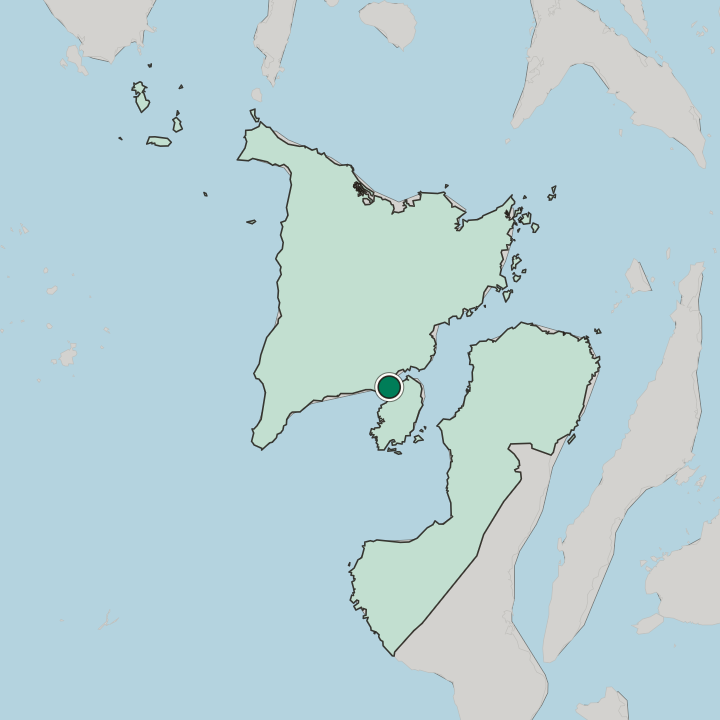
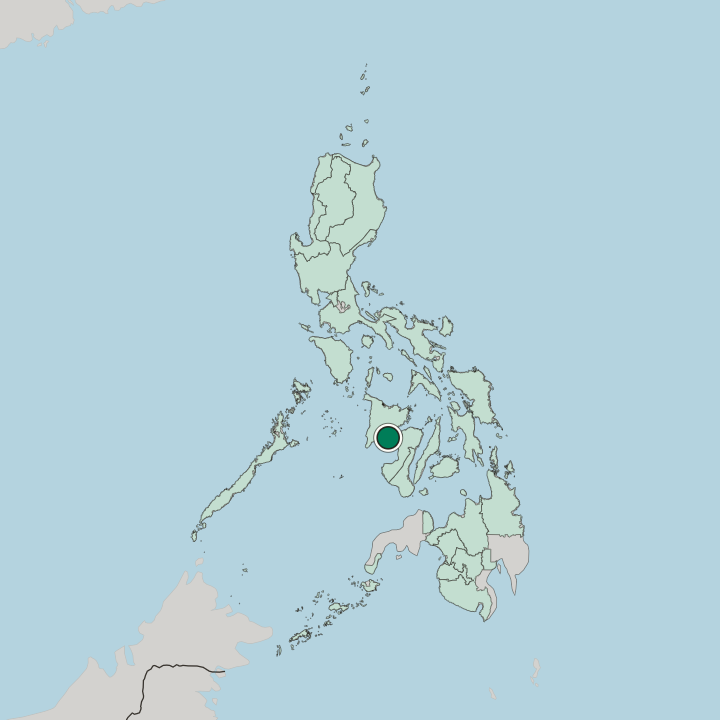
Iloilo lies on the southern coast of Panay island in the central Philippines. The city spreads across a flat delta where rivers meet the sea, facing the Guimaras Strait, in the warm heart of the Visayan islands. Green cane fields ring the town.
The strait stretches blue to the islands.
What is the climate of Iloilo?
The tropics keep Iloilo hot the year through. Warm, humid air hangs over the coast all year, and the rains come mostly from summer into autumn, with a drier, breezier spell in the cooler months. Typhoons can brush the islands in season.
The heat stays steady all year.
How do you get to Iloilo?
Iloilo lies on Panay in the central Philippines. Its airport links the city to Manila and Cebu, and ferries cross the strait to Guimaras and the neighbouring islands. Buses reach the Panay towns around.
Most arrive by air or sea to the coast.
Common questions
What is the best area to stay in Iloilo?
The old centre: Visitors here for the churches, museums, and heritage street. The reclamation district: Stays wanting malls and the airport.
Good for
More cities in Western Visayas
Updated September 2026