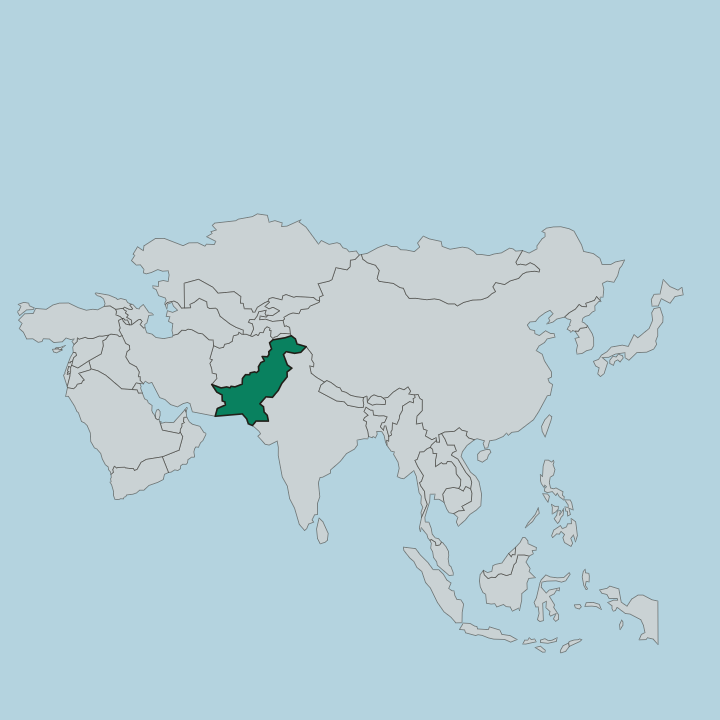
Pakistan · Azad Jammu and Kashmir
Where to Stay in Muzaffarābād, Azad Jammu and Kashmir
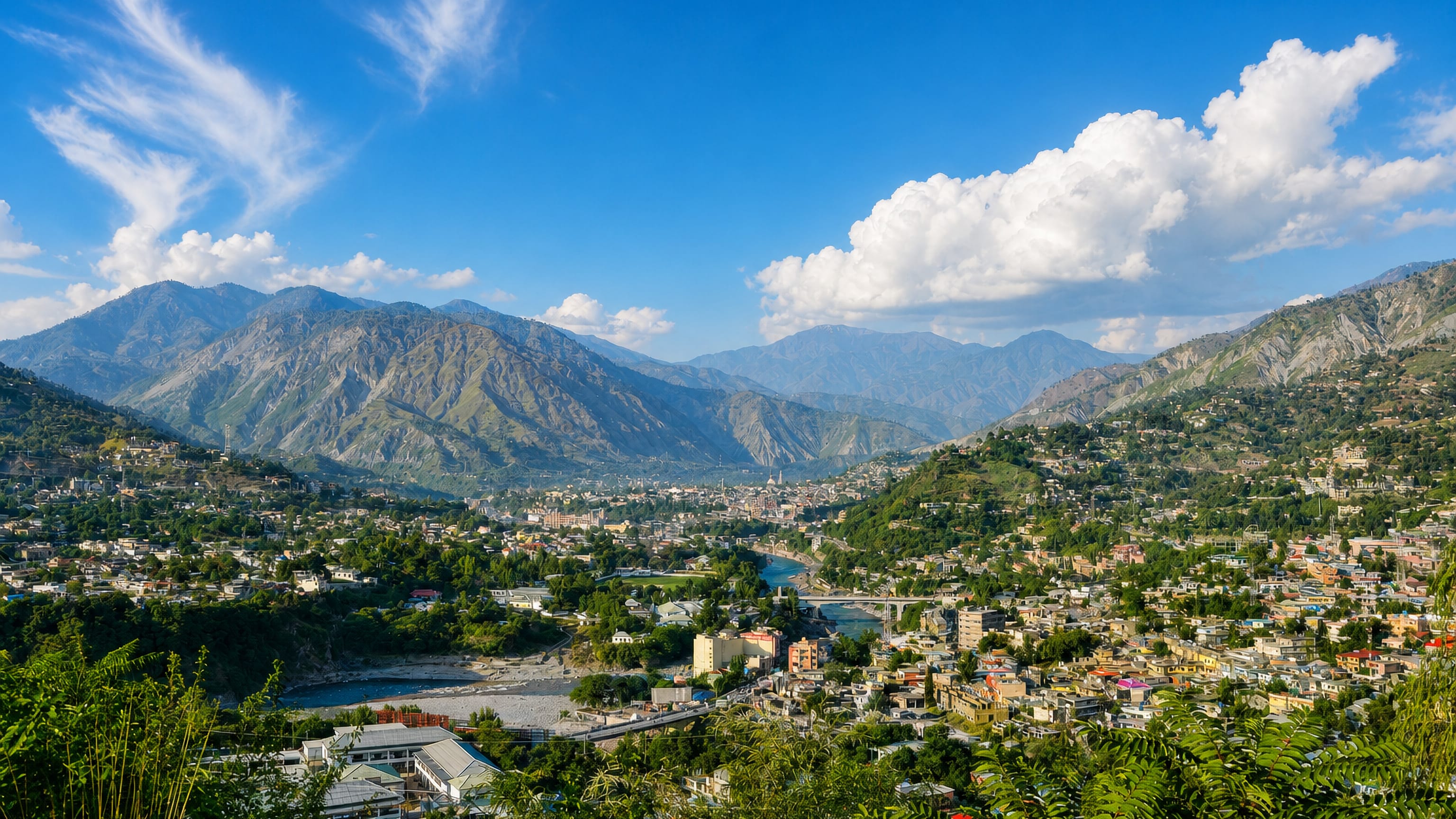
Muzaffarābād sits on the banks of the Jhelum and Neelum rivers, capital of Azad Kashmir within the disputed Kashmir region.
Hotel links are affiliate links: booking through them may earn us a commission, at no extra cost to you. It never affects how places are ranked. How this works


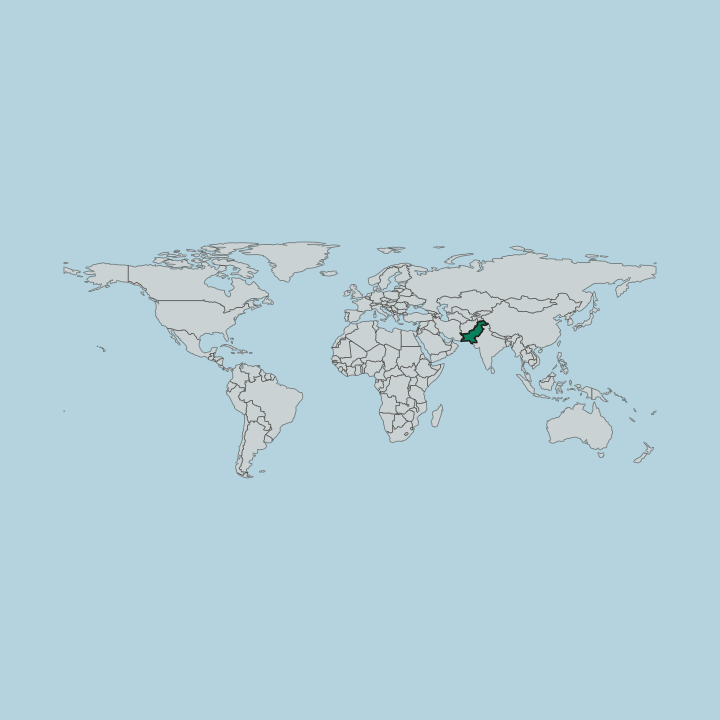
Where to stay in Muzaffarābād
Where visitors usually base themselves, and why.
The Jhelum and the Neelum divide a stay in Muzaffarābād between two riverbanks. Rooms follow the water rather than any grid, and the practical question is which of the two rivers a visitor wants outside the window, since the town has grown along both. Space is narrow here.
You will find the valley floor leaves little room for districts in the usual sense, so the choice comes down to the river, the road, and how far from the offices of Azad Kashmir a night needs to be. Neelum District opens upstream, and beds in Muzaffarābād are the usual last stop before anyone heads that way. The Line of Control runs past the district.
Kupwara and Baramulla lie beyond it, and a stay in Muzaffarābād connects to the valleys on this side rather than to those districts. The North-West Frontier Province borders the district on the other flank, which is where the road connection to the rest of Pakistan runs. Rooms fill with official traffic.
Urdu is what the register is kept in, and a stay here is usually short, shaped by the road out rather than by the town.
Find hotels in Muzaffarābād
Direct booking searches for these neighbourhoods.
The Jhelum bank
The riverbank where Muzaffarābād's administrative business sits, on the Jhelum rather than the NeelumFind hotels in The Jhelum bankDepartures upstream into Neelum DistrictThe Neelum bank
The Neelum side of Muzaffarābād, taken by anyone continuing up that valley rather than staying in town. Beds are limited here, so book early.Find hotels in The Neelum bankHotel links are affiliate links: booking through them may earn us a commission, at no extra cost to you. It never affects how places are ranked. How this works
About Muzaffarābād
Two rivers run through it.
What is Muzaffarābād known for?
The Jhelum and the Neelum both reach Muzaffarābād, and the town that grew on their banks became the capital of Azad Kashmir rather than a market town of the valleys. Governing is the town's principal trade. Pakistan administers the territory, whose status within the disputed Kashmir region remains unresolved, and the offices that follow from that arrangement sit here.
What are the main landmarks in Muzaffarābād?
Muzaffarābād has no monument list to work through. The two rivers are the town's fixed features, and the Jhelum and the Neelum give it whatever a visitor photographs, since no building here carries a recorded name of its own. Water is the sight.
Neelum District opens upstream, and much of the traffic through Muzaffarābād is going there rather than stopping.
What is the history of Muzaffarābād?
Muzaffarābād's beginning is not in the record. What the record gives instead is a position, a town on the banks of the Jhelum and the Neelum, at a point where valleys meet and routes through them necessarily converge. Rivers pick the site.
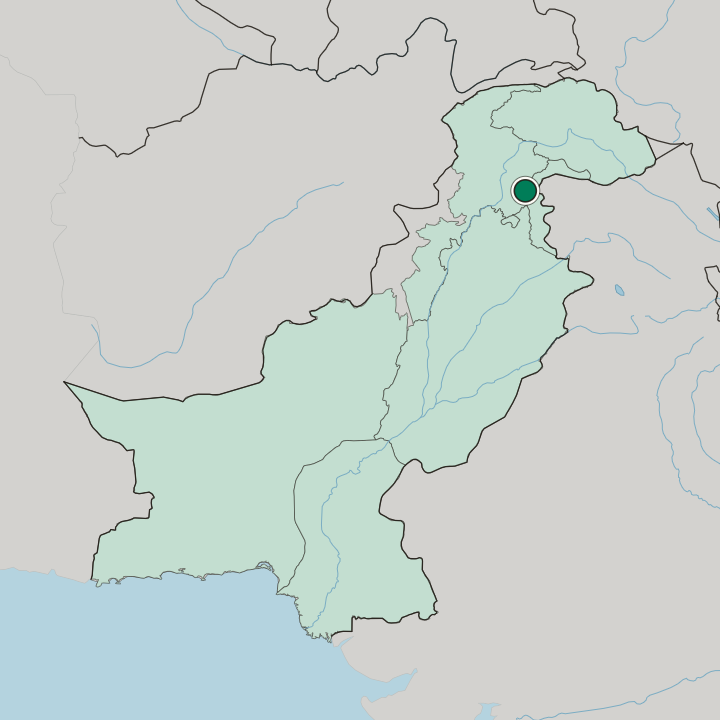
Settlements in country like this occur where two valleys open into one another, because that is where flat ground, water and passage happen to coincide. The modern record is administrative. Muzaffarābād is the capital and largest city of Azad Kashmir, a Pakistani-administered territory within the disputed Kashmir region, and that status is contested rather than settled.
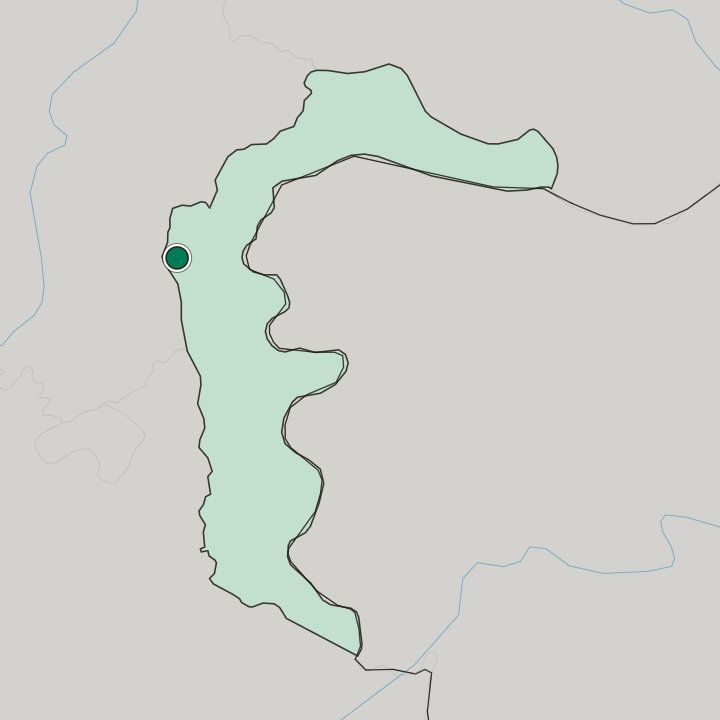
A line divides the district. Kupwara and Baramulla lie across the Line of Control from Neelum District and from the ground Muzaffarābād administers, while the North-West Frontier Province bounds the district on its other side. Pakistan handles the connections that reach beyond the territory.
What the town does day to day follows from all of this, with offices, records and the movement of officials, and with the Jhelum and the Neelum running past the whole arrangement as they did before it existed. Urdu carries the paperwork.
Where is Muzaffarābād?
Valleys meet at Muzaffarābād. The Jhelum and the Neelum both pass the town, and the ground between them is the only level share of a district that otherwise runs up into higher ground on every side. Neelum District lies upstream.
The North-West Frontier Province bounds the district on one flank and the Line of Control on the other, beyond which Kupwara and Baramulla begin.
What is the climate of Muzaffarābād?
River level tells the season here. The Jhelum and the Neelum both rise and fall with what falls on the country upstream, and the town reads its year from them rather than from the subtropical band the map assigns it. Summer is the heavy part.
Winter arrives down the valleys from Neelum District, and altitude keeps Muzaffarābād milder in the hot months than the low country beyond the district.
How do you get to Muzaffarābād?
One road matters most. Access to Muzaffarābād comes through the North-West Frontier Province side of the district, since the Line of Control bounds the opposite flank and Kupwara and Baramulla fall under a different administration. The rivers guide the rest.
Roads follow the Jhelum and the Neelum out of town, and the Neelum District route upstream is the one most visitors take after a night in the capital.
Common questions
What is the best area to stay in Muzaffarābād?
The Jhelum bank: Nights on the Jhelum side with the Azad Kashmir offices close. The Neelum bank: Departures upstream into Neelum District.
Another city in Azad Jammu and Kashmir
Updated September 2026