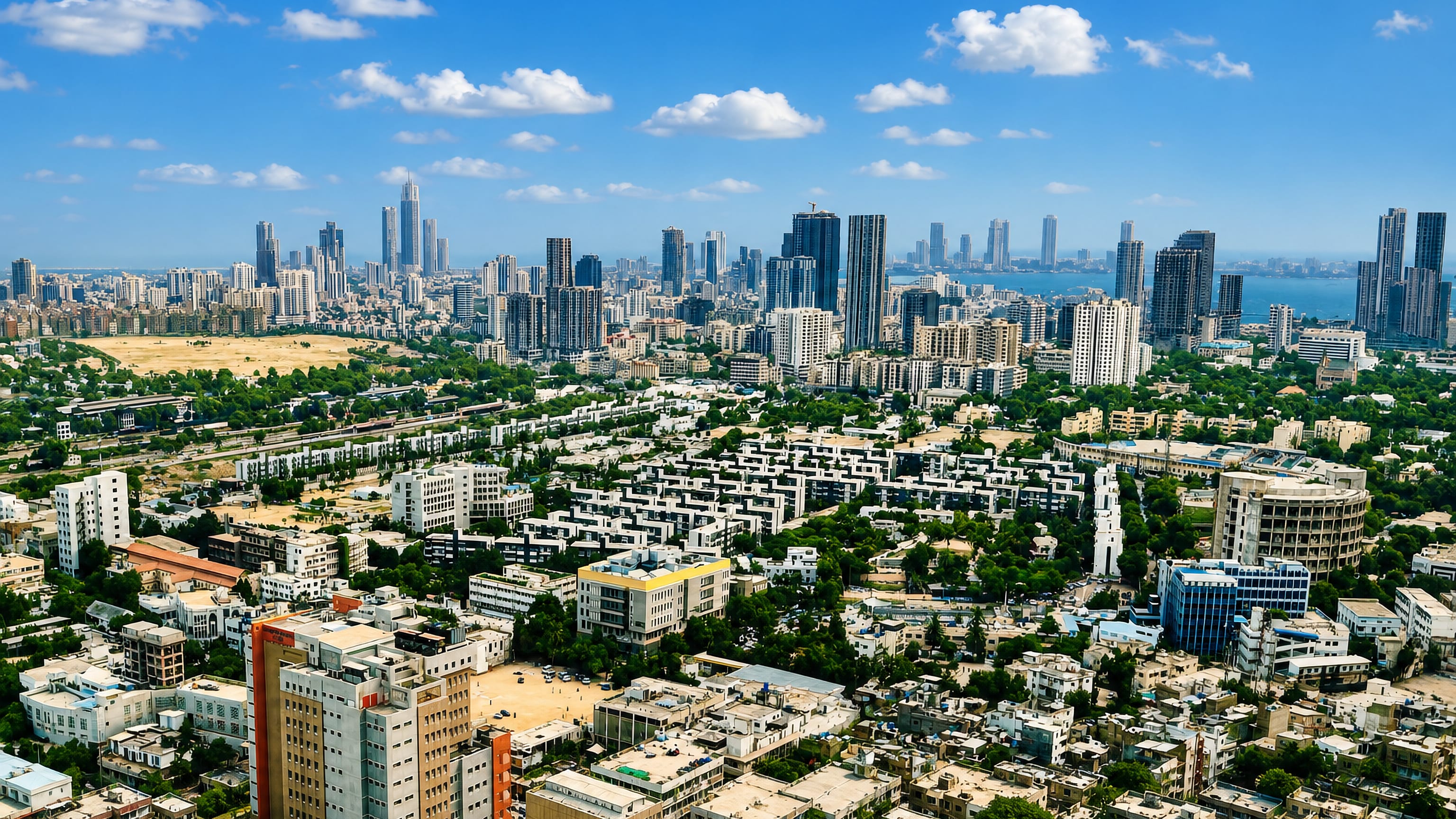
Pakistan: Regions, Cities & Travel Guide
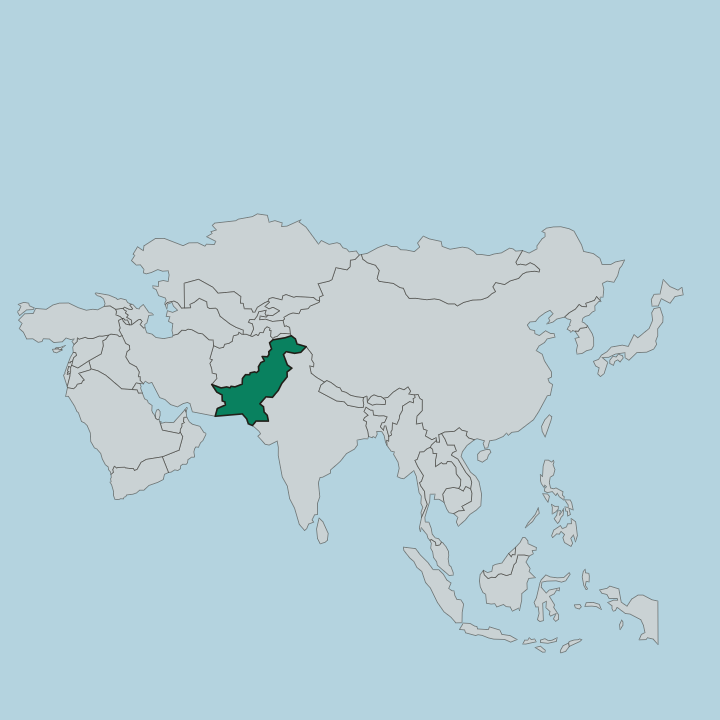
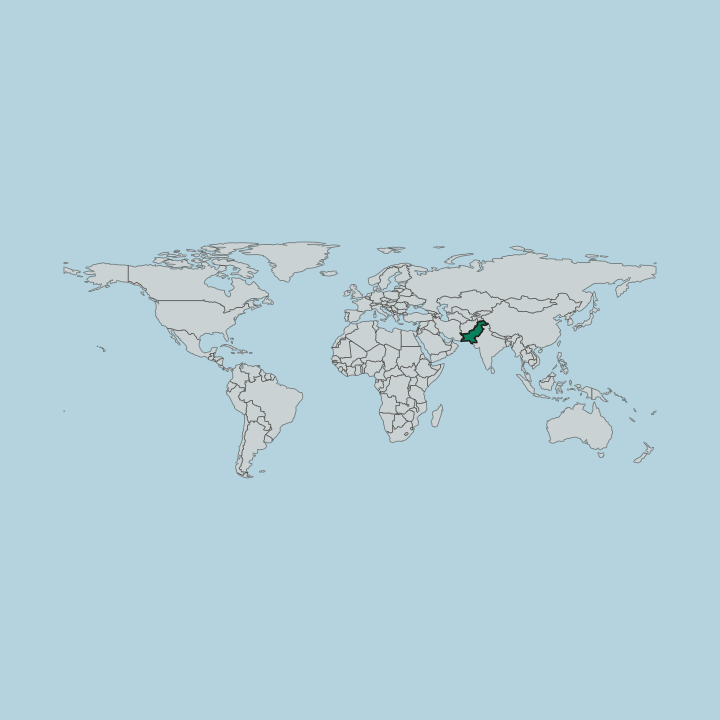
Pakistan lies in South Asia at the crossroads with Central Asia, a Muslim-majority nation founded in 1947 on the shore of the Arabian Sea.
Hotel links are affiliate links: booking through them may earn us a commission, at no extra cost to you. It never affects how places are ranked. How this works


Top destinations in Pakistan
Cities to start from, then drill into areas and hotels.
 Pakistan
Karachi
Salt air blows off the Arabian Sea at Karachi, the largest city of Pakistan and capital of Sindh, known for Mazar-e-Quaid.Where to stay →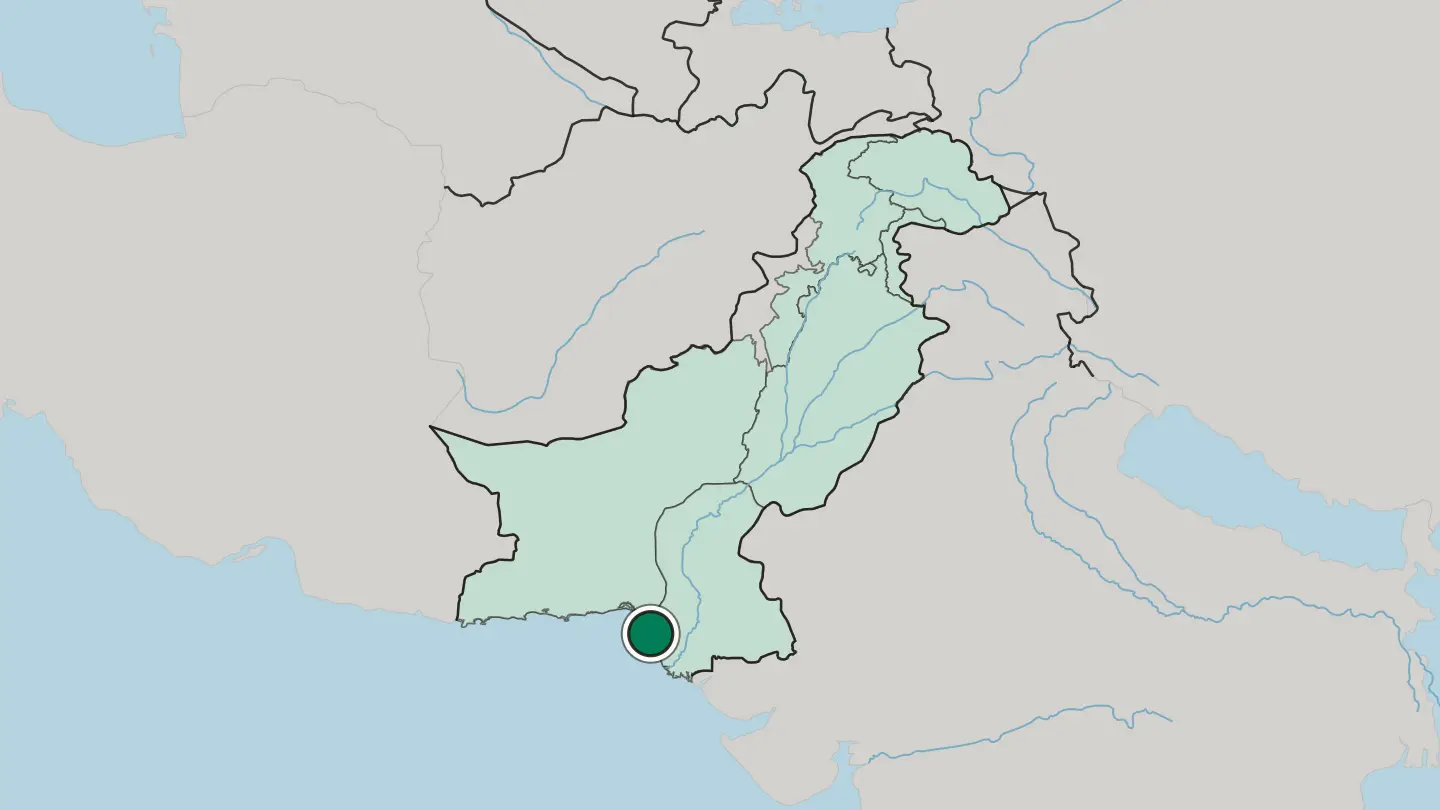
 Pakistan
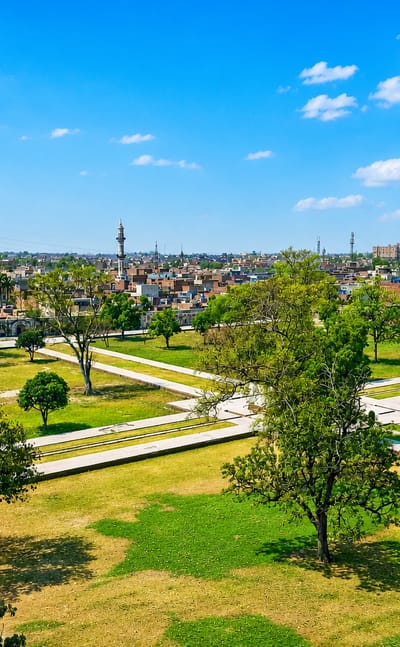
Lahore
Brick lanes wind through the Walled City of Lahore, the capital of Punjab and second-largest city of Pakistan, known for the Lahore Museum.Where to stay →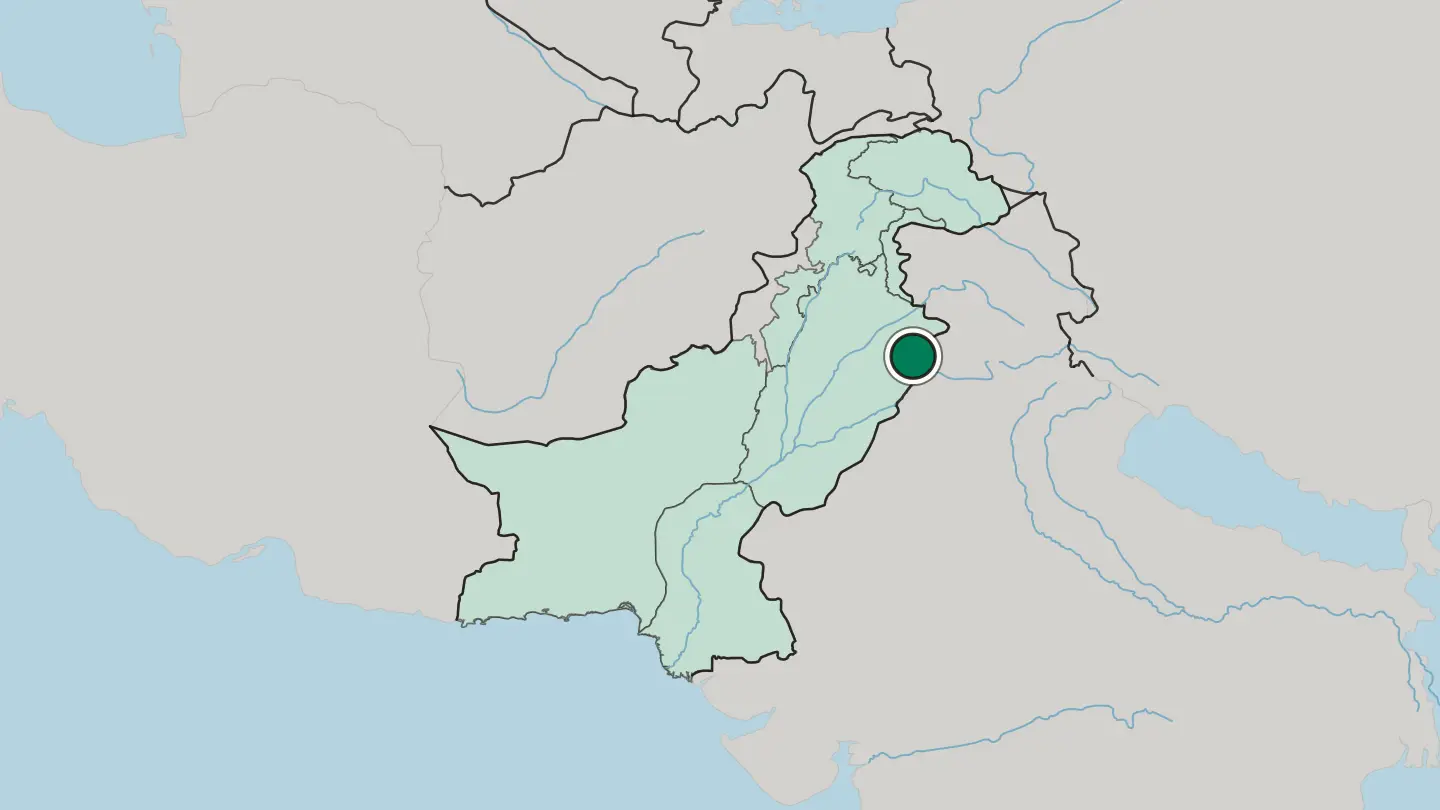
 Pakistan
Islamabad
The Margalla Hills rise green above Islamabad, Pakistan's planned capital on the Pothohar Plateau, known for the Pakistan Monument and Lok Virsa Museum.Where to stay →
 Pakistan
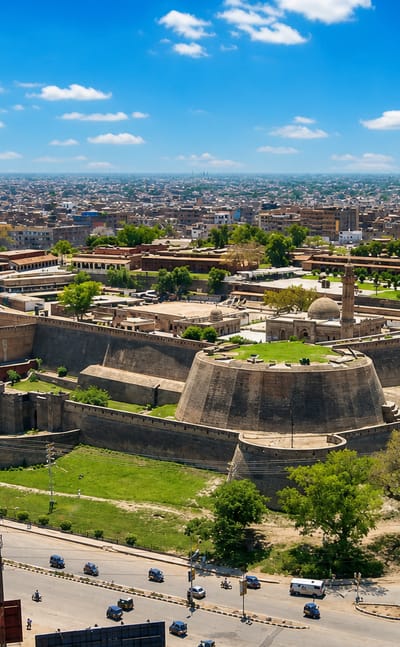
Peshawar
Peshawar spreads across its broad valley in north-western Pakistan, the capital of Khyber Pakhtunkhwa, a frontier city east of the Khyber Pass.Where to stay →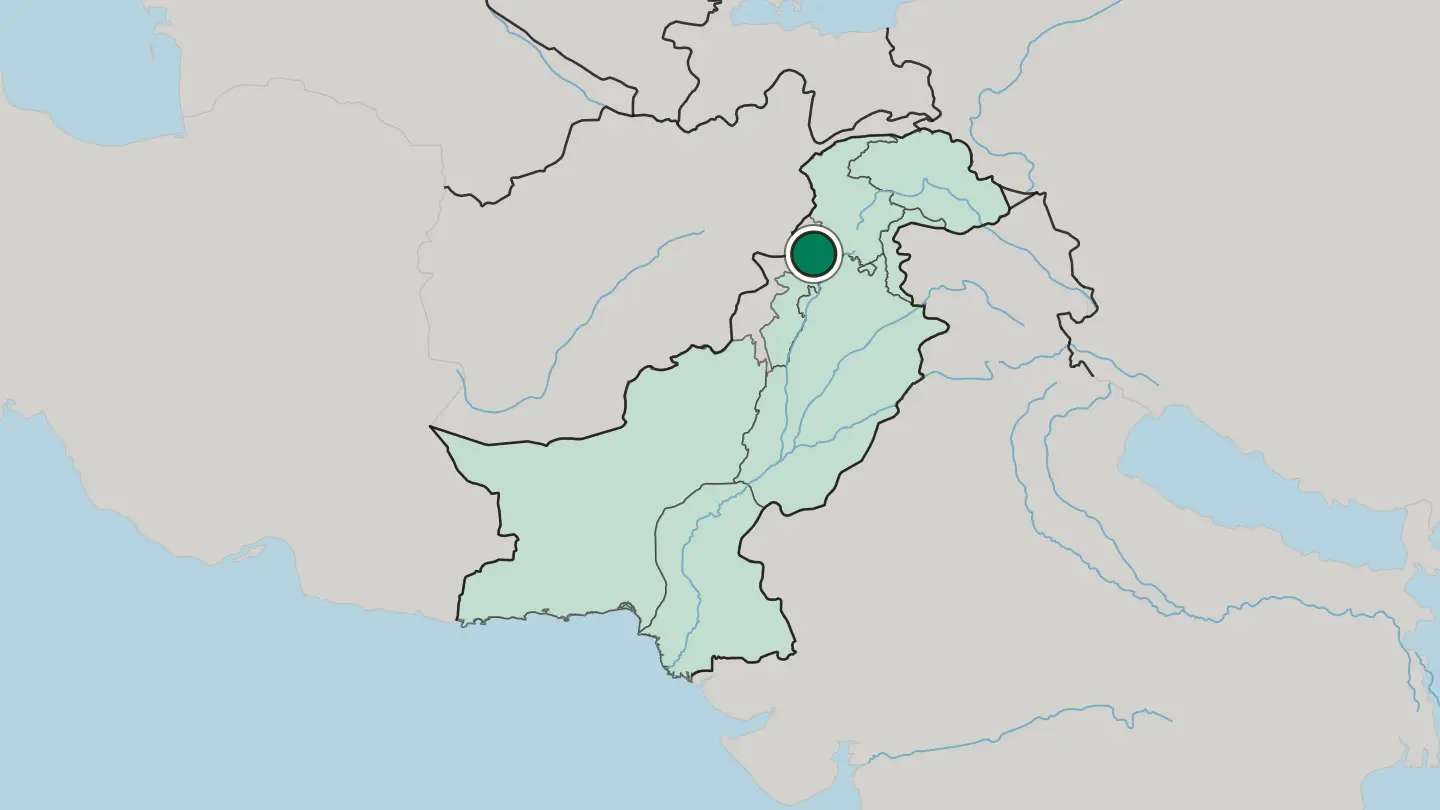
 Pakistan
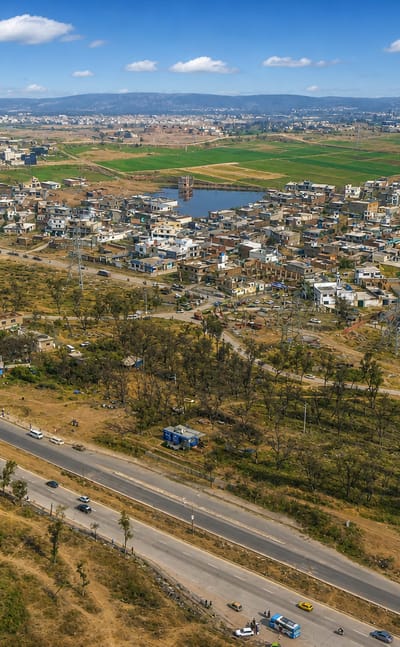
Rawalpindi
The Soan River threads past Rawalpindi, a cantonment city in north-western Punjab, Pakistan, twinned with Islamabad and known to locals as Pindi.Where to stay →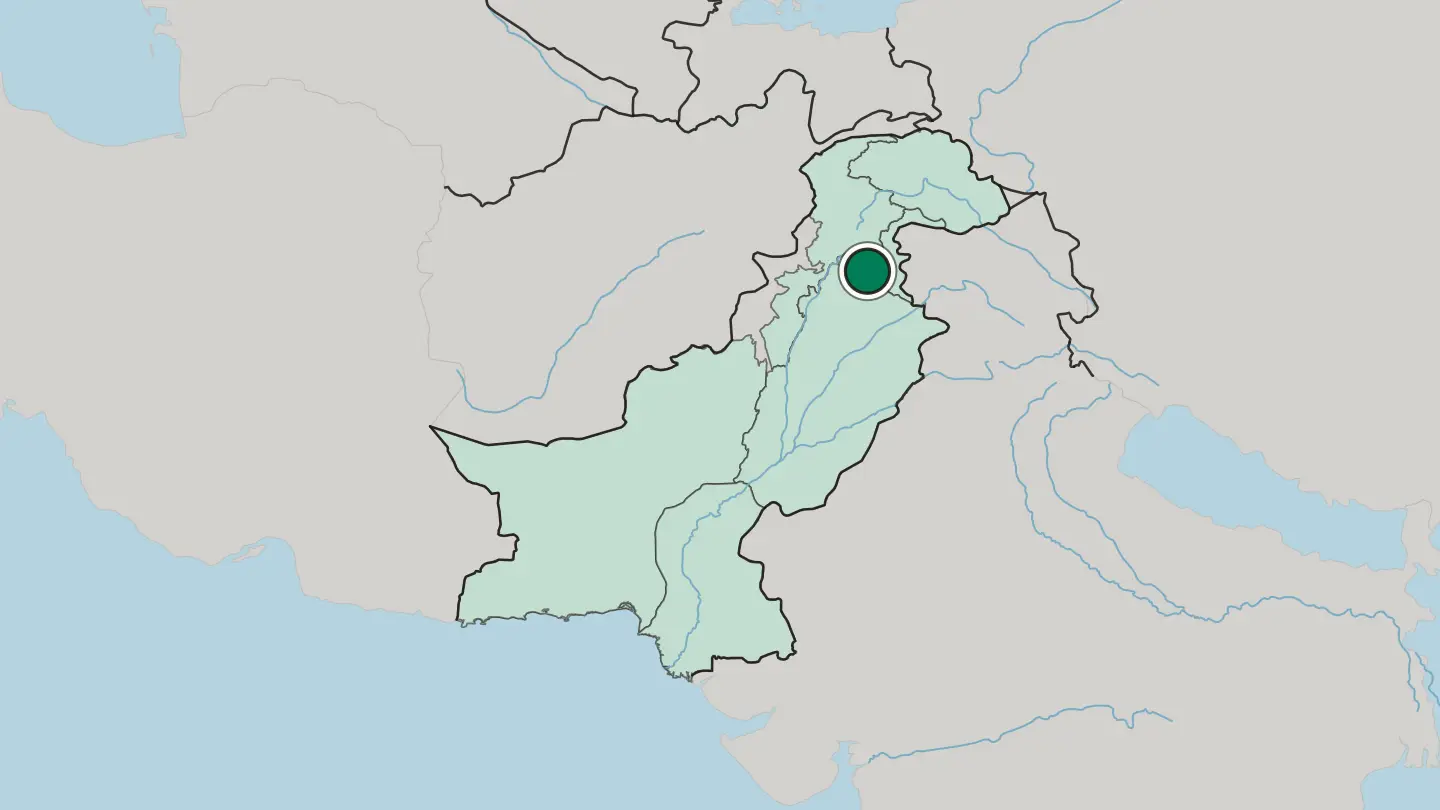
 Pakistan
Abbottabad
Abbottabad stands high on the Karakoram Highway in Khyber Pakhtunkhwa, where Pakistan comes up out of the heat of Islamabad and Peshawar.Where to stay →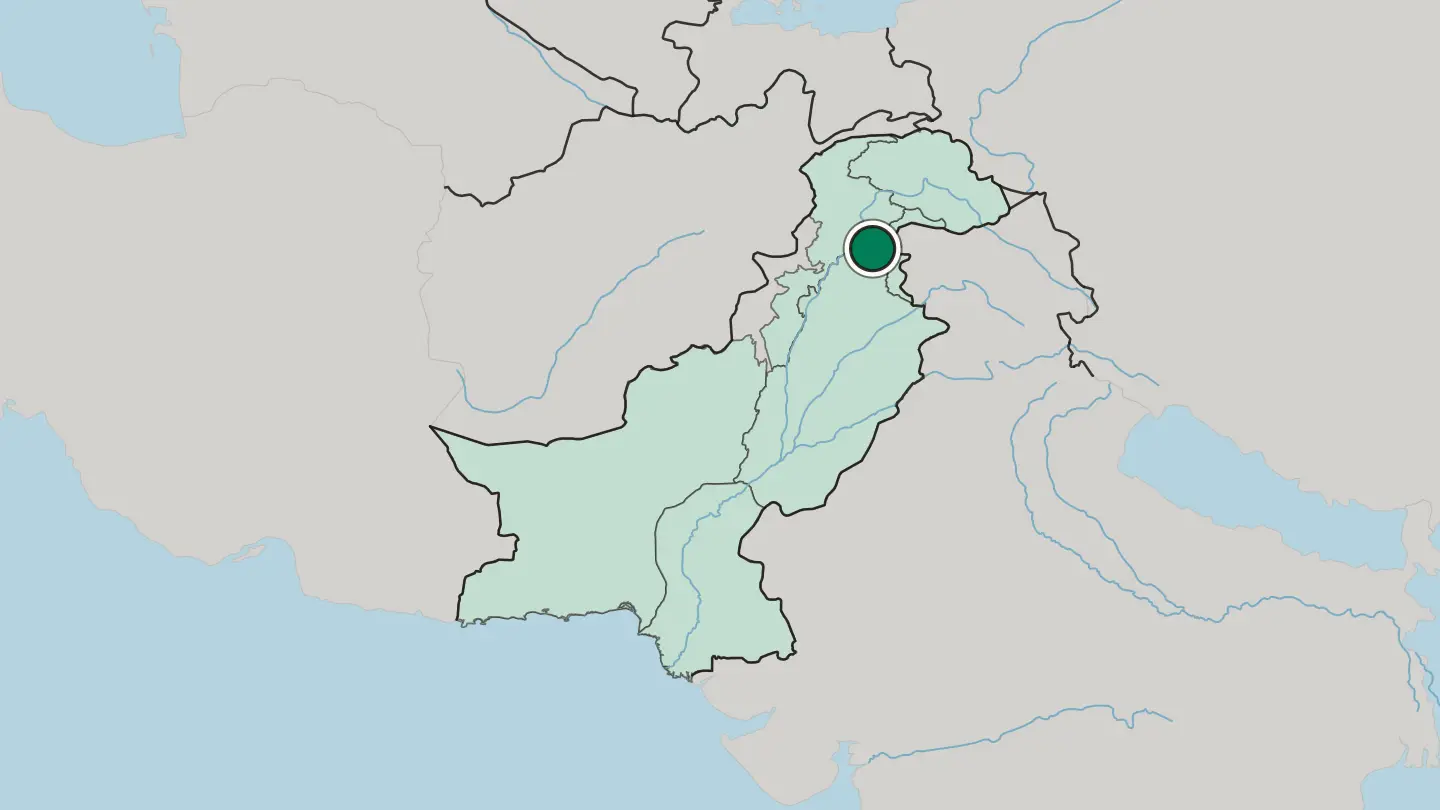
 Pakistan
Multan
Multan is an ancient city of southern Punjab in Pakistan, the City of Saints, famed for the blue-tiled tombs of its Sufi shrines.Where to stay →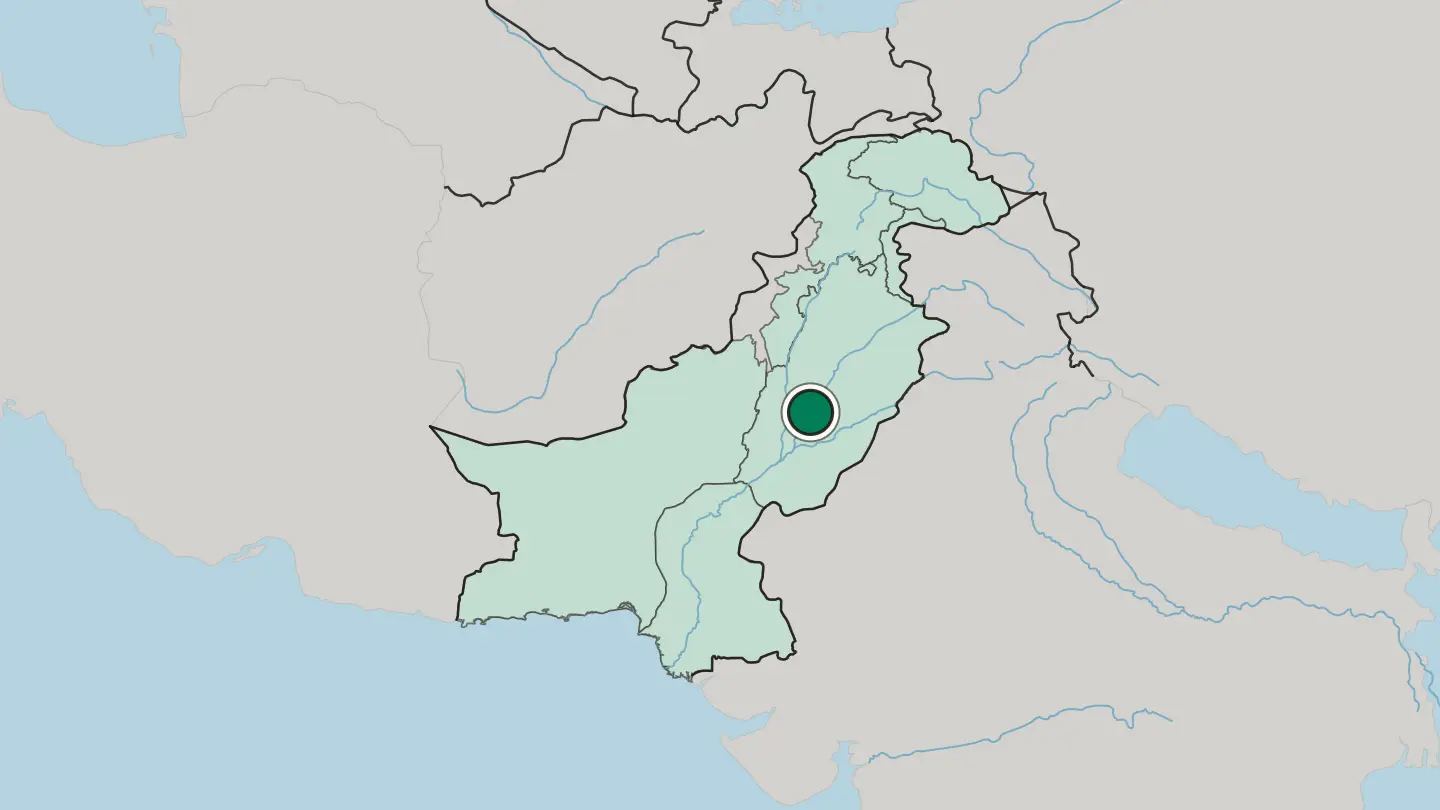 Pakistan
Quetta
Quetta fills the Quetta Valley, ringed by mountains, capital of Balochistan, founded in 1876 and called the Fruit Garden of Pakistan for its orchards.Where to stay →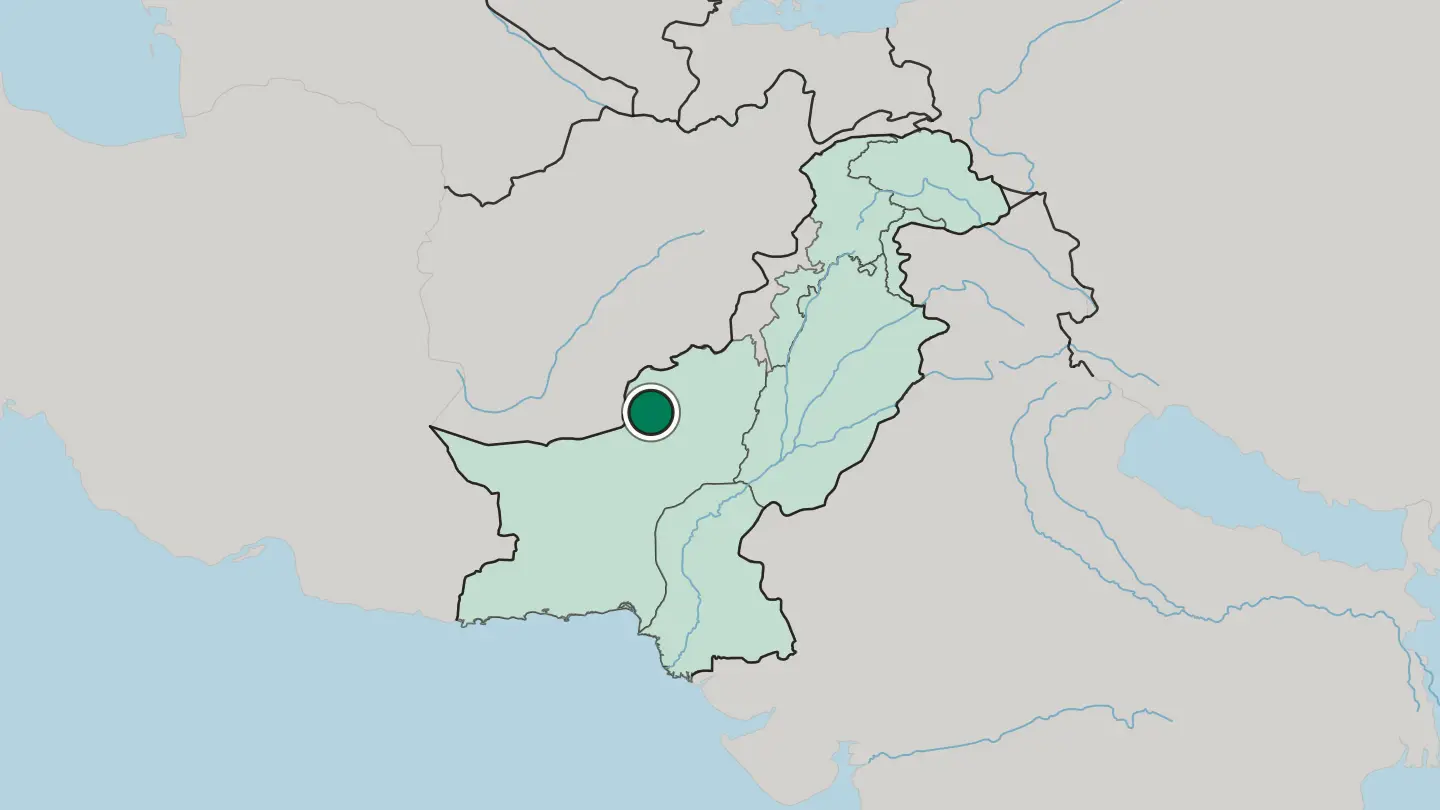
 Pakistan
Faisalabad
Faisalabad is a city of Punjab in east Pakistan, the country's great textile city, laid out around a British clock tower with eight bazaars running out.Where to stay →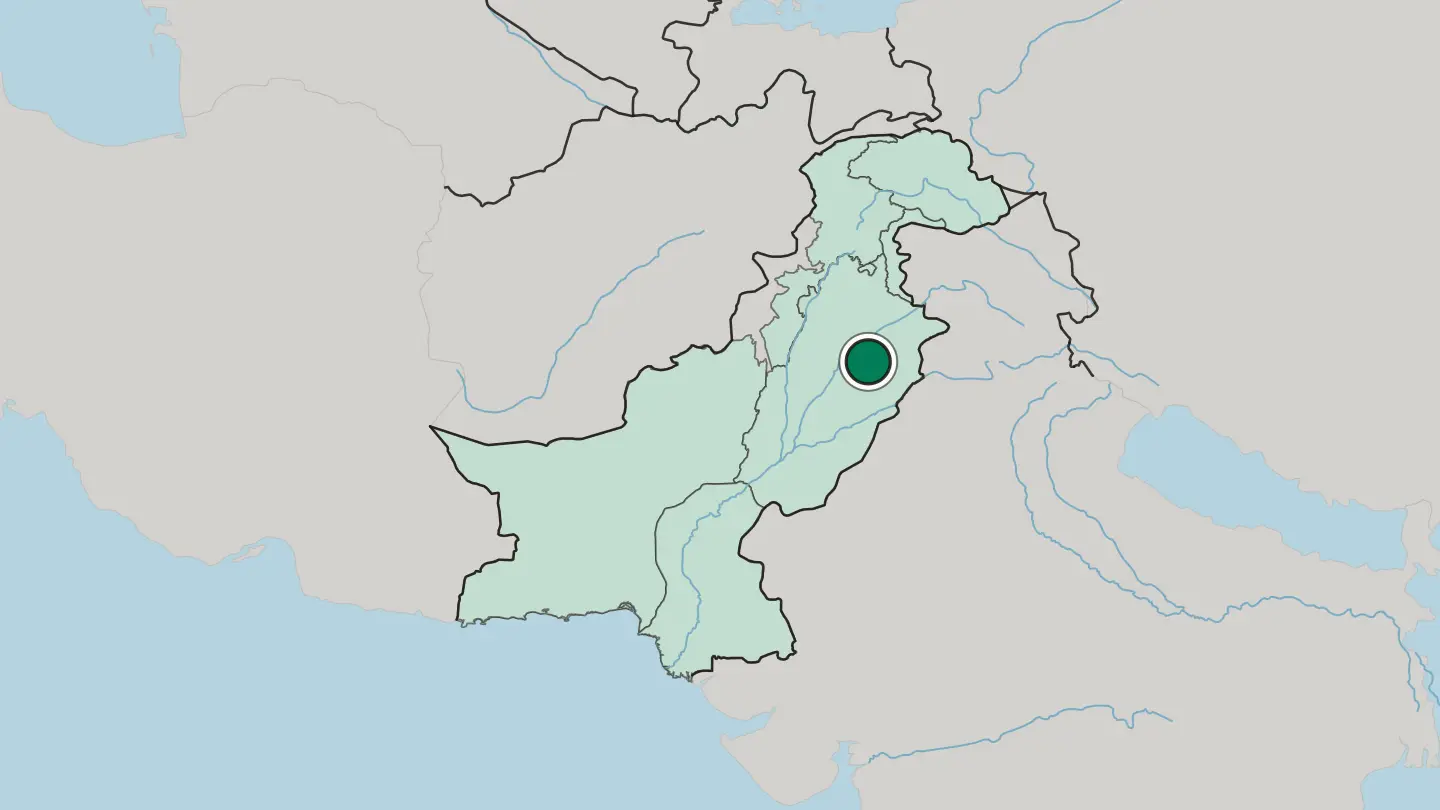
Hotel links are affiliate links: booking through them may earn us a commission, at no extra cost to you. It never affects how places are ranked. How this works
Regions of Pakistan
 Pakistan
Azad Jammu and Kashmir
Azad Jammu and Kashmir is the mountainous western strip of Kashmir that Pakistan administers, threaded by the Jhelum and Neelum rivers.Towns & cities →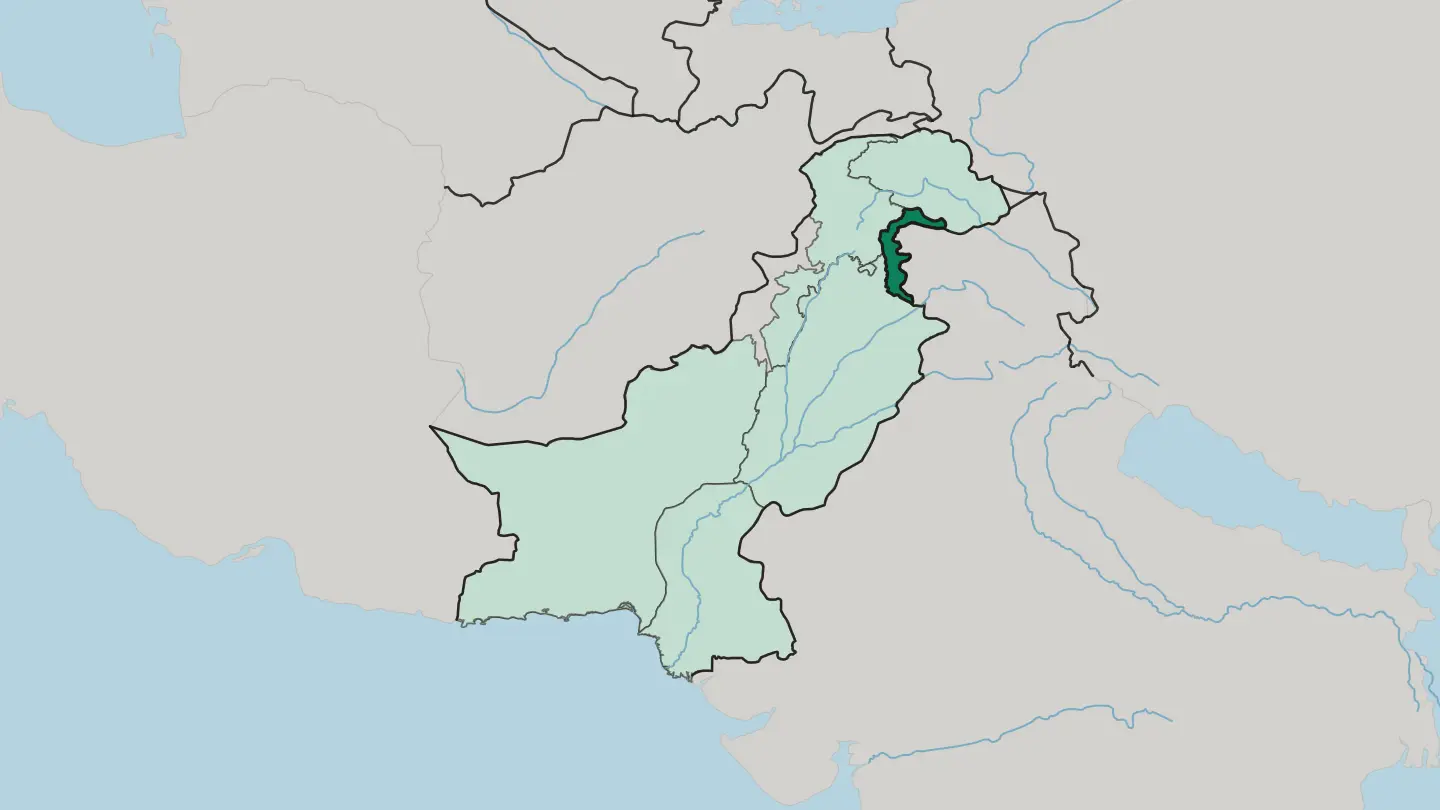
 Pakistan
Balochistan
Balochistan is Pakistan's largest province, a dry expanse of mountain and desert reaching from Quetta to the Arabian Sea.Towns & cities →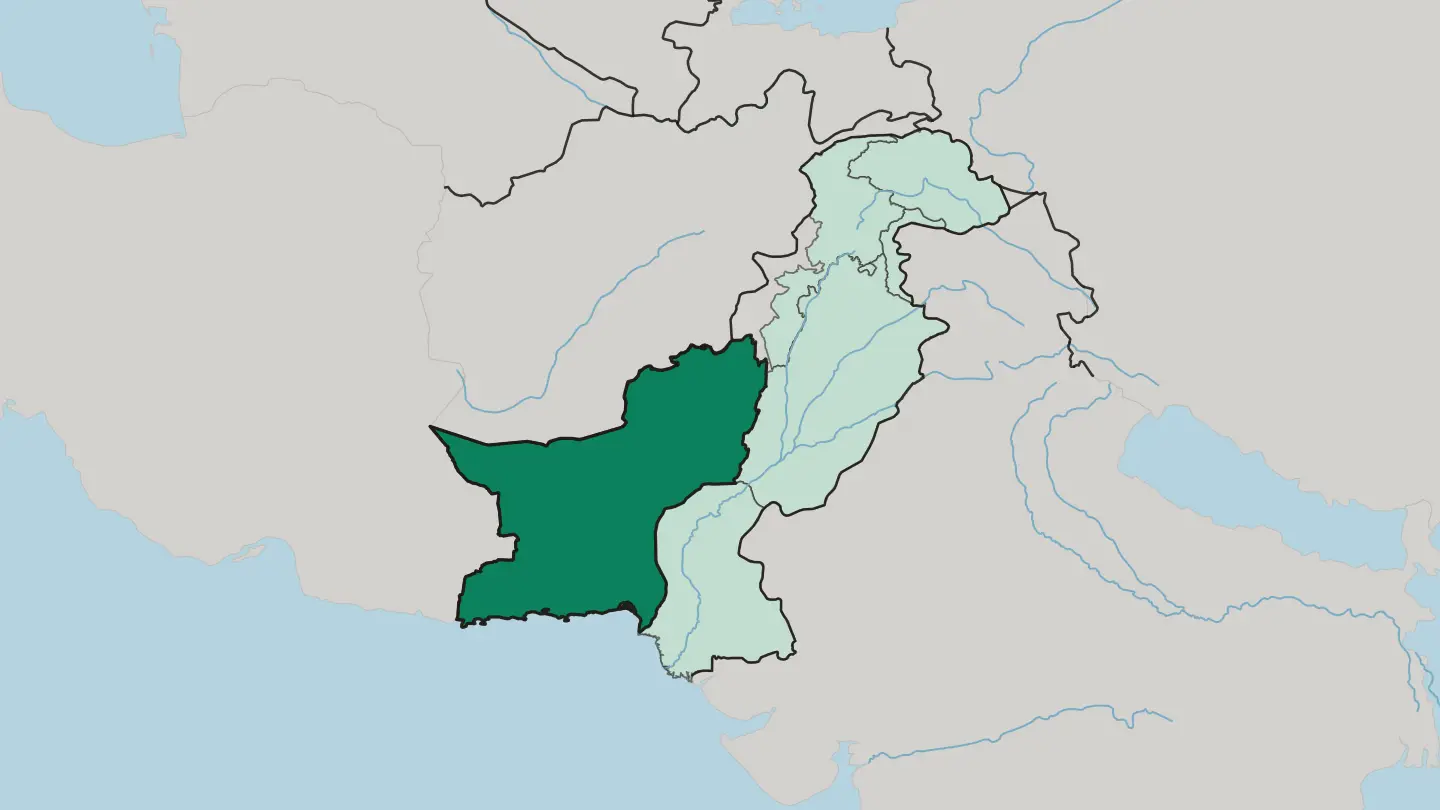
 Pakistan
Gilgit-Baltistan
Gilgit-Baltistan is Pakistan's northernmost territory, where the Karakoram, Himalayas, and Hindu Kush collide around K2.Towns & cities →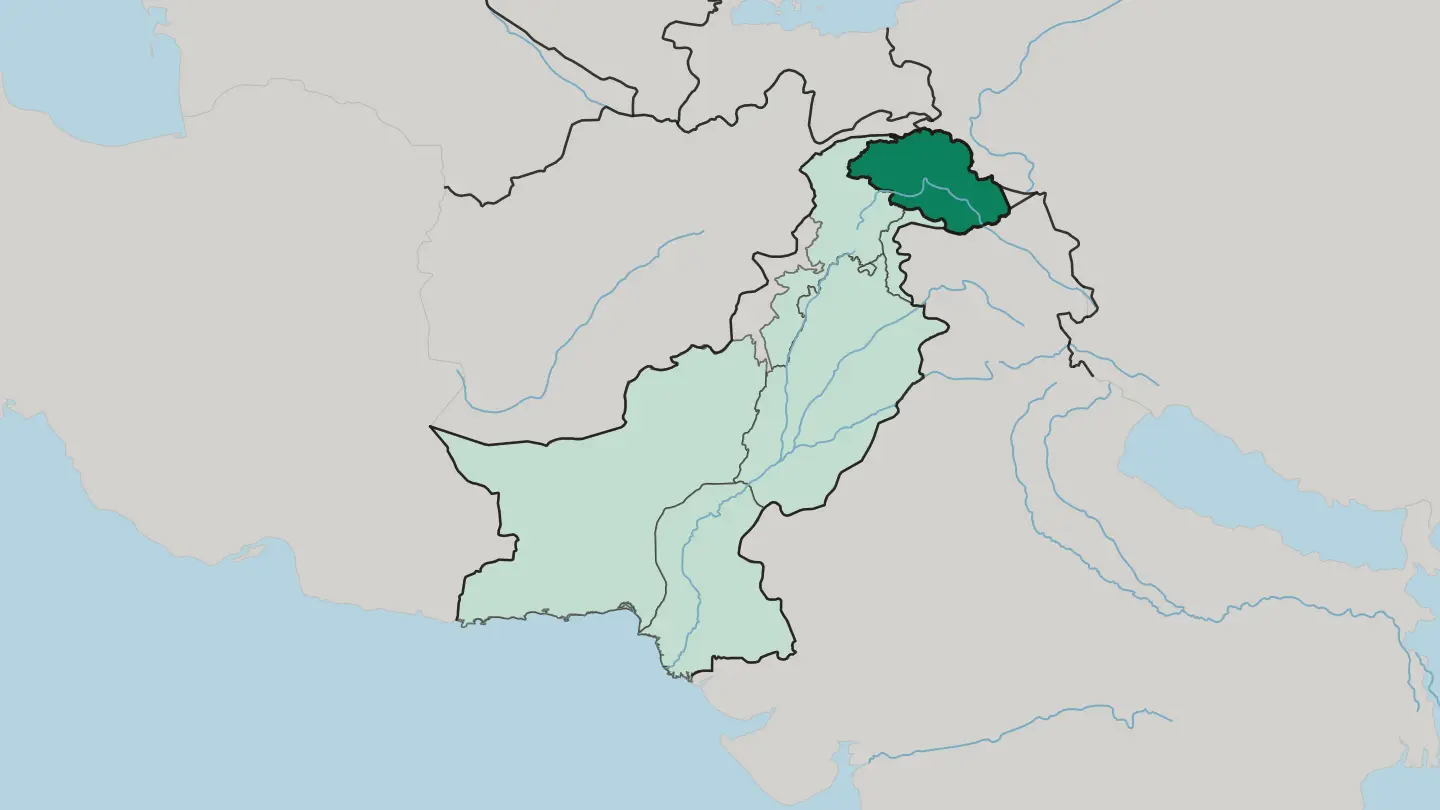 Pakistan
Islamabad
Islamabad is Pakistan's planned capital, laid out below the Margalla Hills on the Pothohar Plateau in the country's north.Towns & cities →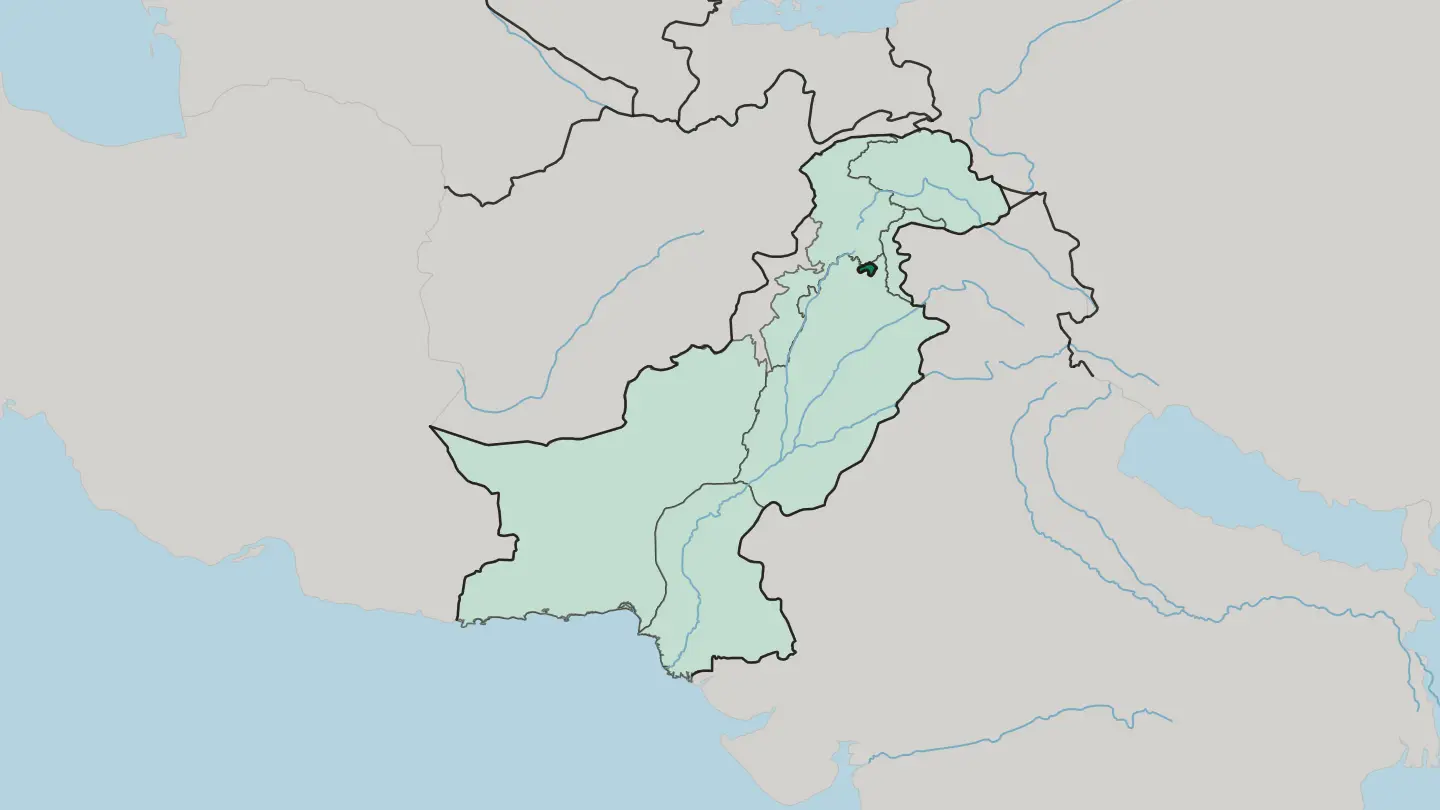 Pakistan
Khyber Pakhtunkhwa Province
Khyber Pakhtunkhwa is Pakistan's mountainous northwest, holding the Khyber Pass, the Swat Valley and Peshawar against the Afghan border.Towns & cities →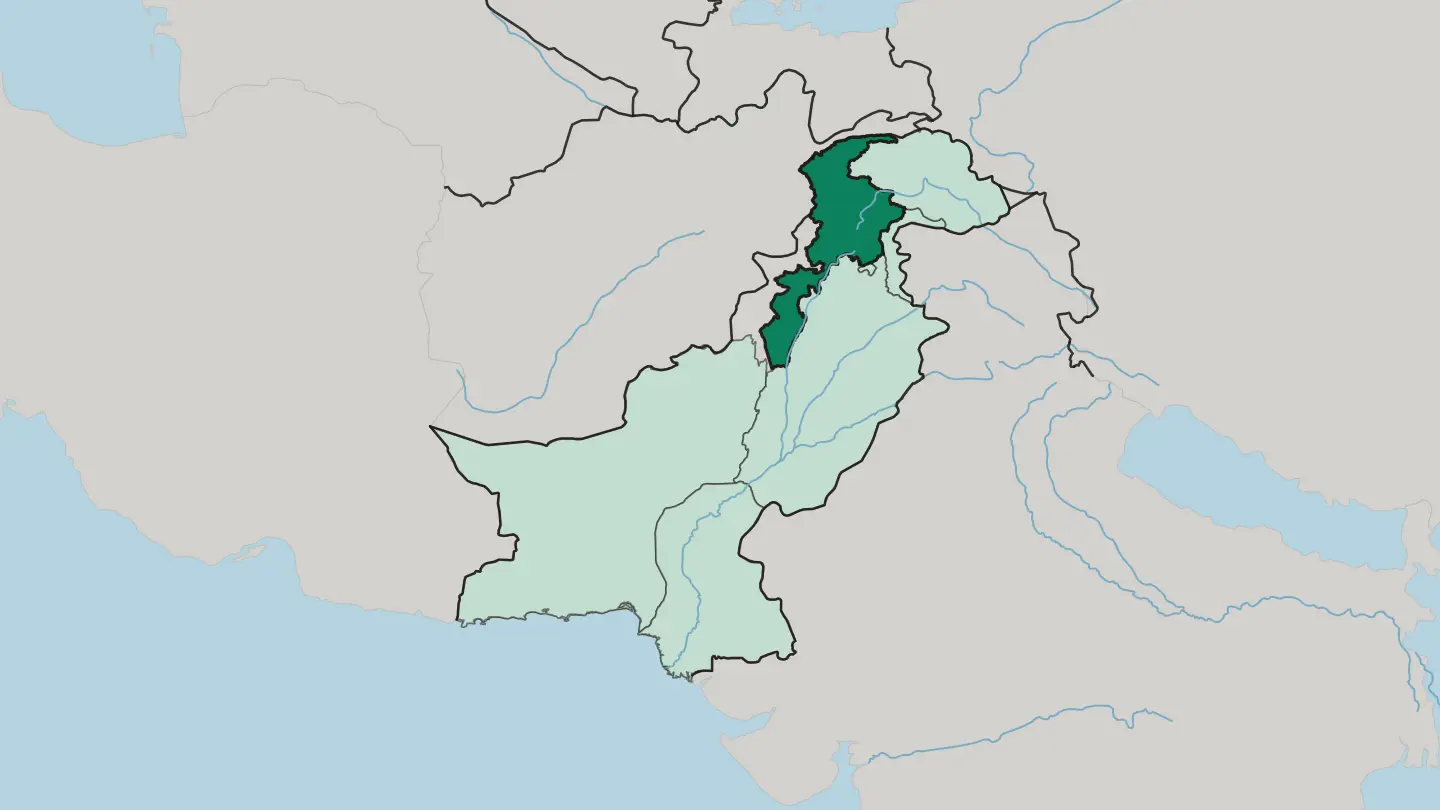 Pakistan
Punjab Province
Punjab is a large and populous province of Pakistan on the Indian subcontinent, its name once carried by a wider province of British India.Towns & cities →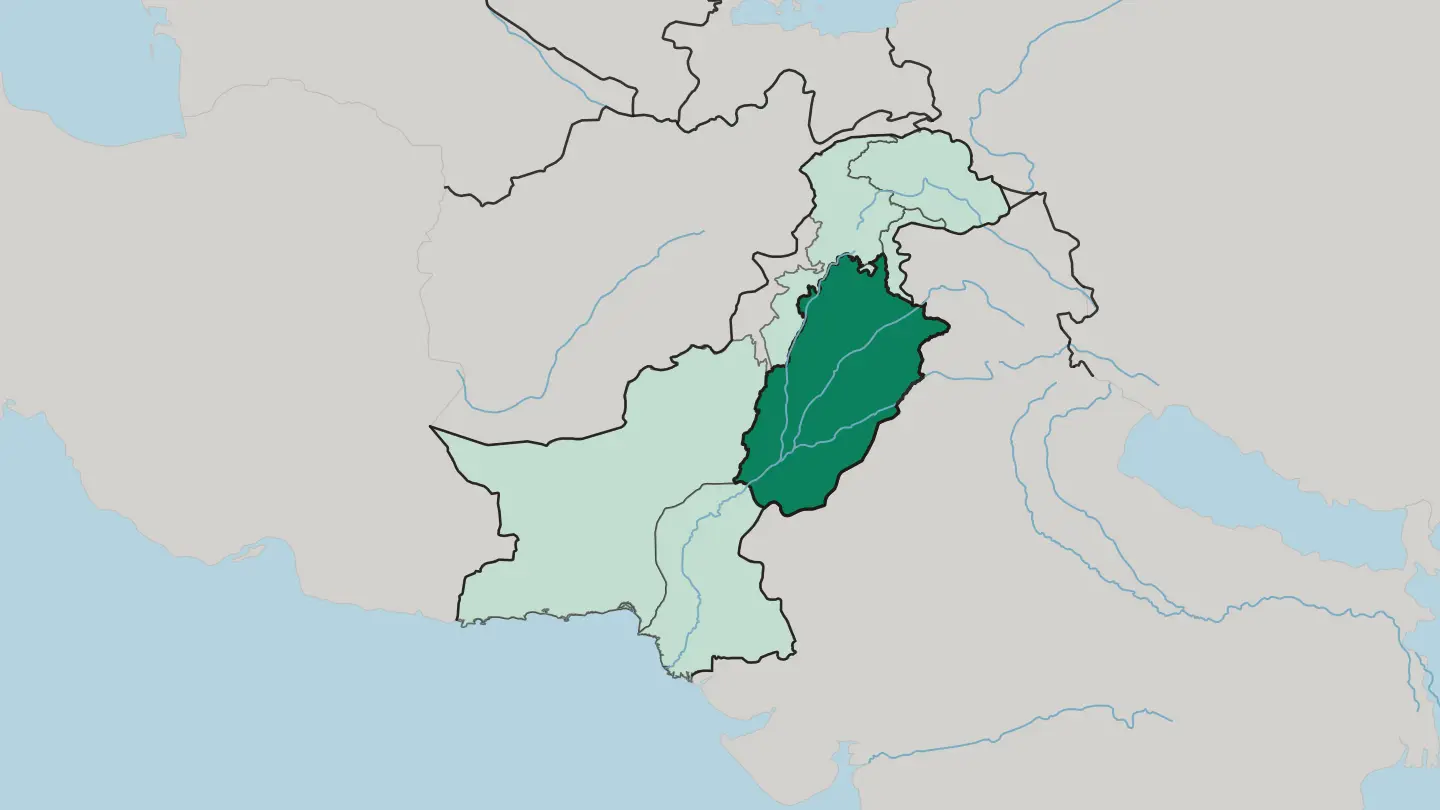 Pakistan
Sindh
Sindh is the southeastern province of Pakistan, a land of the Indus River and the Thar Desert opening to the Arabian Sea at Karachi.Towns & cities →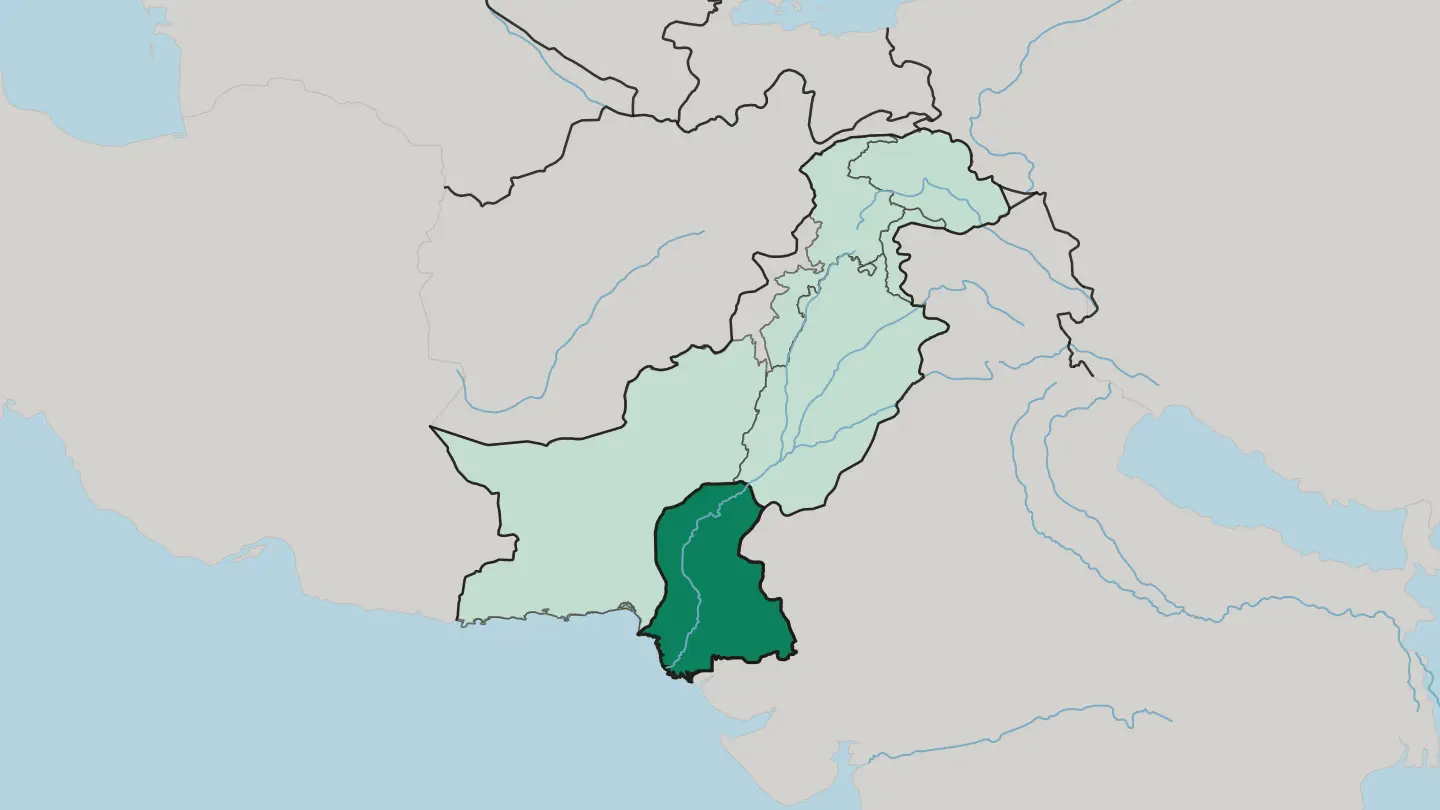
Explore by experience
Not sure which place? Start from how you want to travel.
About Pakistan
What is Pakistan known for?
Pakistan is known as the Muslim homeland carved out of South Asia in 1947, a country at the meeting point of South, Central, and West Asia. Its cities carry much of that identity. Karachi, on the Arabian Sea, is the largest city and the financial centre, while Islamabad serves as the planned national capital.
In the 1960s the country was a fixture of the old Hippie Trail, the overland route that once drew travellers across Asia.
Where is Pakistan?
Pakistan occupies a broad stretch of South Asia, the 33rd-largest country in the world by area. The sea lies to the south. Its coast runs along the Arabian Sea, with the Gulf of Oman off the southwest and the Sir Creek marking the southeastern corner.
Beyond the water, a maritime boundary is shared with Oman across the Gulf of Oman. On land the country is ringed by neighbours. India lies to the east, Iran to the southwest, and Afghanistan along the west.
To the northeast the border meets China. In the far northwest a narrow strip of Afghanistan, the Wakhan Corridor, separates Pakistan from Tajikistan, so the two do not quite touch. The land itself changes greatly along the way from the southern coast to the far north.
The low, hot country near the Arabian Sea gives way, far inland and to the north, to the high ground along the Chinese and Afghan frontiers. Between the two, the populous middle of the country carries most of its people. From the warm southern coast to the cooler high country of the north, the land spans a long reach of terrain.
What is the history of Pakistan?
Pakistan is a young state on very old ground. For thousands of years this corner of South Asia has been a crossroads, joining Western, Central, South, and East Asia, along which peoples and trade have long moved. That long history of movement made the region a meeting ground of many cultures well before any modern border was drawn.
The modern country is recent. Pakistan was founded in 1947, conceived as a separate homeland for the Muslims of South Asia, and it took its place as an independent nation that year. Its name and its purpose date from that moment.
The decades after brought a different kind of traveller. In the 1960s the country became a well-known stop on the old Hippie Trail, the overland route that carried visitors across Asia toward the east, and tourism had its heyday then. Two cities tell part of the story.
Karachi, the great port on the Arabian Sea, grew as the commercial centre, while Islamabad was later laid out as a planned capital. The distance between them, coast to capital, still frames the country. The old crossroads and the young republic sit together.
What is Pakistan like?
Pakistan was built around a shared faith. The country was created as a homeland for the Muslims of South Asia, and Islam remains the thread that runs through public and private life across the whole nation. Urdu is the national language that ties it together.
Spoken and written as the national tongue, it carries the culture from the Arabian Sea coast to the northern borders. It is the shared voice across a broad and varied country. Yet the country is far from uniform.
Its place at the crossroads of Western, Central, South, and East Asia has layered many influences onto one another over a very long time, in food, dress, music, and custom. Karachi shows the mix at its most crowded. As the largest city and the financial centre, the port draws people from across the country into one place on the coast.
Islamabad, planned and orderly, offers a very different face of the same nation. From the southern coast to the northern highlands the ways of life shift with the land. What holds it together is faith and language rather than any single regional culture.
What is the climate of Pakistan?
Pakistan has a broadly subtropical climate, hot and largely dry. Summers are long and very hot across the lowlands. The Arabian Sea softens the heat a little along the southern coast around Karachi, where the air stays humid.
Inland and to the north the weather turns more extreme, with hotter days and cooler nights, and the high country in the far north is colder again through the winter. Much of the land is arid. Rain is uneven and often scarce.
How do you get to Pakistan?
Pakistan is reached mostly by air. Karachi, on the Arabian Sea, is the main point of arrival from overseas, and Islamabad, the planned capital in the north, is the other major entry point for international flights. By sea, the port at Karachi handles the country's shipping.
Overland routes cross the land borders, but most long-distance visitors fly. Inside the country, roads and railways link the southern coast with the interior and the far north.
Common questions
What is the best area to stay in Pakistan?
Karachi and the Arabian Sea coast: arriving by sea or air in the south. Islamabad and the north: the planned capital and the mountain borderlands. The interior: the populous heartland between coast and mountains.
Updated September 2026