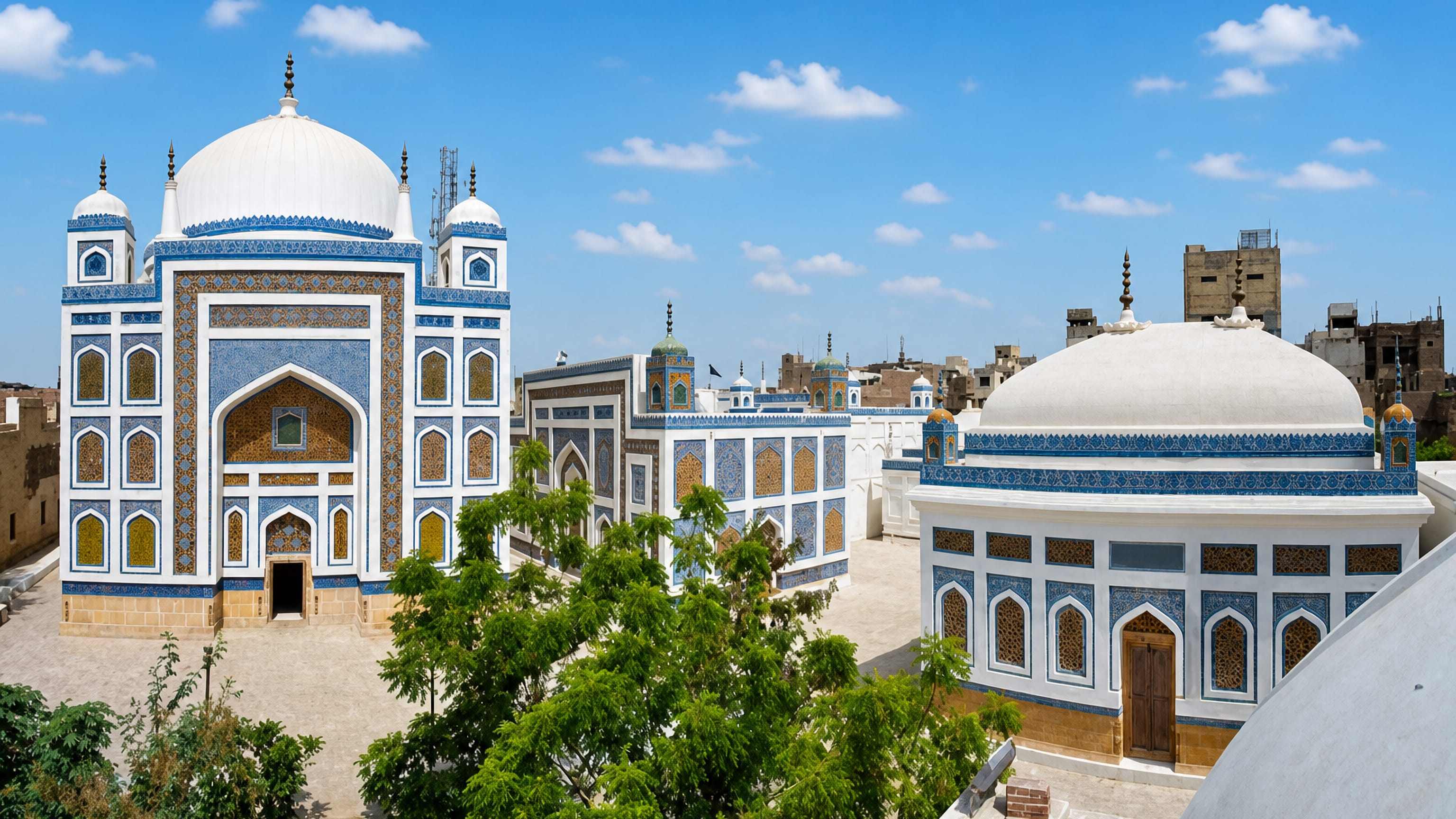
Pakistan · Sindh
Where to Stay in Hyderabad, Sindh
Hyderabad stands along the River Indus in Sindh, once the province's capital and still the city of the Shahi Bazaar and the Talpur tombs.
Hotel links are affiliate links: booking through them may earn us a commission, at no extra cost to you. It never affects how places are ranked. How this works


Where to stay in Hyderabad
How the choice of base plays out on the ground.
The Shahi Bazaar decides most stays in Hyderabad, because the market is the reason a large share of visitors come and the streets around it hold the shortest walk to it. Noise comes with that. A room near the bazaar puts the Sindh Museum and the Tombs of Talpur Mirs within the same day's movement, which suits anyone treating Hyderabad as a city to walk rather than to drive through.
Trade starts early. Rani Bagh offers the opposite arrangement, a garden address with less of the market's traffic and a shorter list of things happening outside the window. You will prefer it if the trip is about the Sindh Museum, Mukhi House and the tombs rather than about the stalls.
Hyderabad is a working city of Sindh. Karachi takes the traffic that wants a bigger choice, and a night here is usually part of a journey through the province rather than the point of one. Hyderabad Division business brings its own arrivals, and those tend to want the streets rather than the garden.
The River Indus is never far, and the byname Paris of India belonged to this same ground.
Find hotels in Hyderabad
Direct booking searches for these neighbourhoods.
Along the Shahi Bazaar
The market street that fills Hyderabad's working hours starts at the doorFind hotels in Along the Shahi BazaarQuieter nights beside the Rani Bagh gardens in HyderabadBy Rani Bagh
The garden side of the city, with the stalls of the Shahi Bazaar left behind. Rooms are few around here — worth securing early.Find hotels in By Rani BaghHotel links are affiliate links: booking through them may earn us a commission, at no extra cost to you. It never affects how places are ranked. How this works
Things to do in Hyderabad
Ranked by global recognition; descriptions from Wikidata (CC0).
Museums & Galleries
2- Mukhi House
- Sindh Museum
Churches & Religious Sites
1- St Steven's Church, Kotri
Castles & Historic Sites
1- Tombs of Talpur Mirs
Parks & Gardens
1- Rani Bagh, Hyderabad
worth knowingacross 4 categories in Hyderabad
About Hyderabad
Shahi Bazaar sets the tone.
What is Hyderabad known for?
A market street of that length gives Hyderabad much of its reputation, and the city was the capital of Sindh for centuries, though Karachi is the larger place in the province. Neroonkot is the older name. Commerce and culture both centre on Hyderabad, which handles the traffic between rural Sindh and the urban side of the province.
What are the main landmarks in Hyderabad?
Five names carry most of it. The Tombs of Talpur Mirs and the Sindh Museum hold the historical weight, Mukhi House stands for the domestic architecture of old Hyderabad, and Rani Bagh gives the city a garden. St Steven's Church at Kotri adds a Christian building to the list, while the Shahi Bazaar is where visitors spend the most time.
Two royal fortresses complete the roll.
What is the history of Hyderabad?
Neroonkot came first. The name attached to this ground before the city of 1768 took shape, and Hyderabad has carried both names in its records ever since. Two dynasties left their dead here.
The tombs of the Kalhora and Talpur rulers stand among the city's oldest structures, and the Tombs of Talpur Mirs carry that inheritance under their own name. Two royal fortresses belong to the same centuries of rule, when Hyderabad served as the capital of Sindh. A byname followed.
The Paris of India was the description that stuck, and it rested on a belief that the streets were washed each morning with drinking water drawn from the River Indus. That role ended, though Hyderabad kept the trade that passes between the rural districts of Sindh and the urban ones, and Karachi is the larger city of the province. Mukhi House and the Sindh Museum hold what remains of that older Hyderabad indoors, while Rani Bagh is the garden the city kept.
St Steven's Church at Kotri belongs to the same spread of building, a reminder that more than one congregation left something standing near the Indus. Hyderabad Division answers to this city.
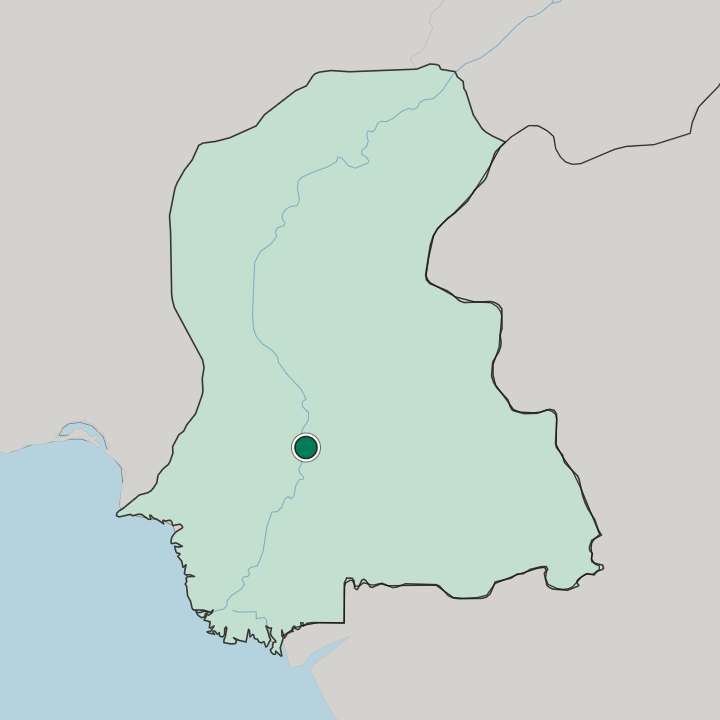
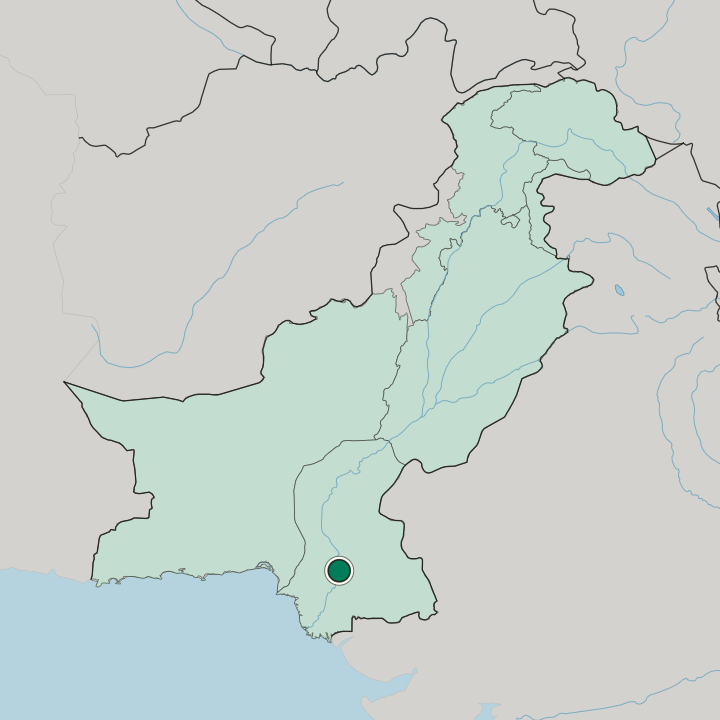
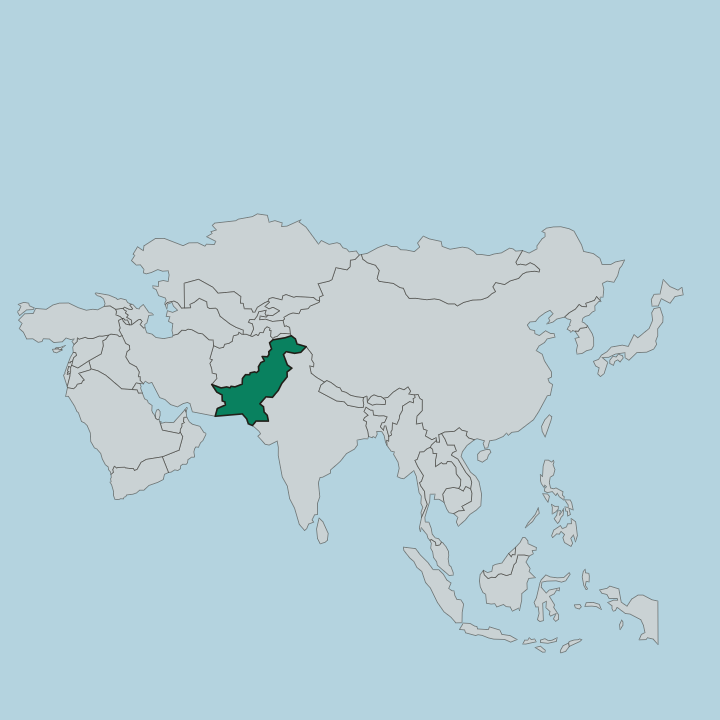
Where is Hyderabad?
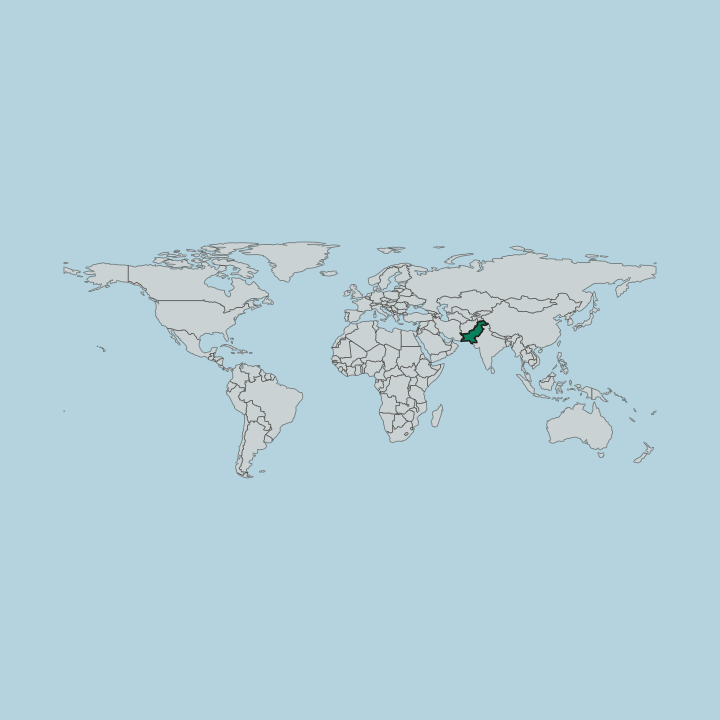
The River Indus runs alongside Hyderabad, and the city sits on the ground between that water and the plain of Sindh. Kotri lies close by. Karachi sits further along the province, and the Hyderabad Division that this city administers takes in the country around it.
What is the climate of Hyderabad?
Summer heat is the defining fact of the year in Hyderabad, and the subtropical air over Sindh holds it long after the sun has moved off the streets, with the River Indus doing little to cool the city. Winters are short and mild. Water comes from the Indus rather than from the sky here, which is the arrangement the city has always worked with.
How do you get to Hyderabad?
Sindh's traffic runs through Hyderabad, since the city works as the transit between the rural districts and the urban ones, and anything moving between them tends to pass its streets. Karachi draws the heaviest of it. Kotri lies close enough that its church counts among Hyderabad's landmarks, and the Hyderabad Division that the city administers spreads out around it.
Common questions
What is the best area to stay in Hyderabad?
Along the Shahi Bazaar: Days given over to the Shahi Bazaar and the Sindh Museum. By Rani Bagh: Quieter nights beside the Rani Bagh gardens in Hyderabad.
Good for
More cities in Sindh
Updated October 2026