Pakistan
Sindh, Pakistan — Towns & Travel Guide
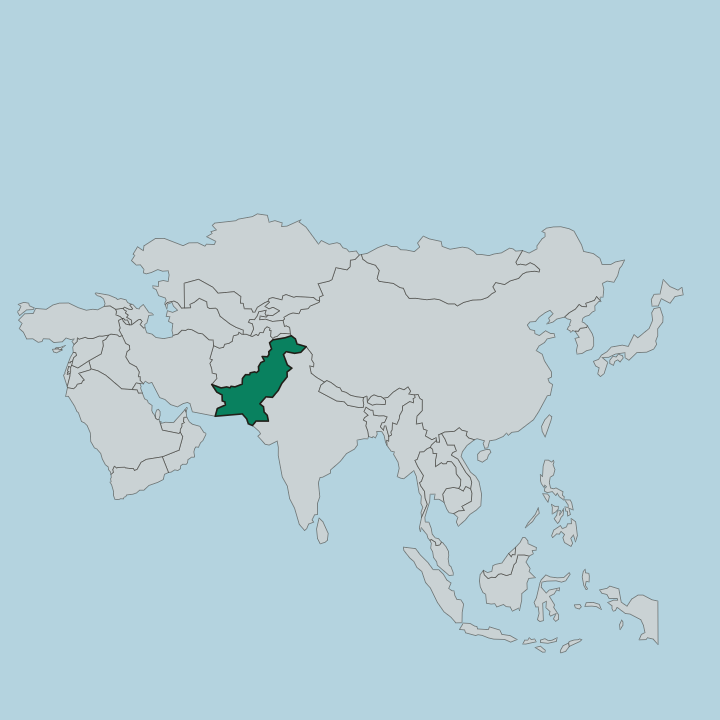
Sindh is the southeastern province of Pakistan, a land of the Indus River and the Thar Desert opening to the Arabian Sea at Karachi.
Hotel links are affiliate links: booking through them may earn us a commission, at no extra cost to you. It never affects how places are ranked. How this works


Towns & cities in Sindh
Pick a town or city — each links to where to stay.
 Pakistan
Karachi
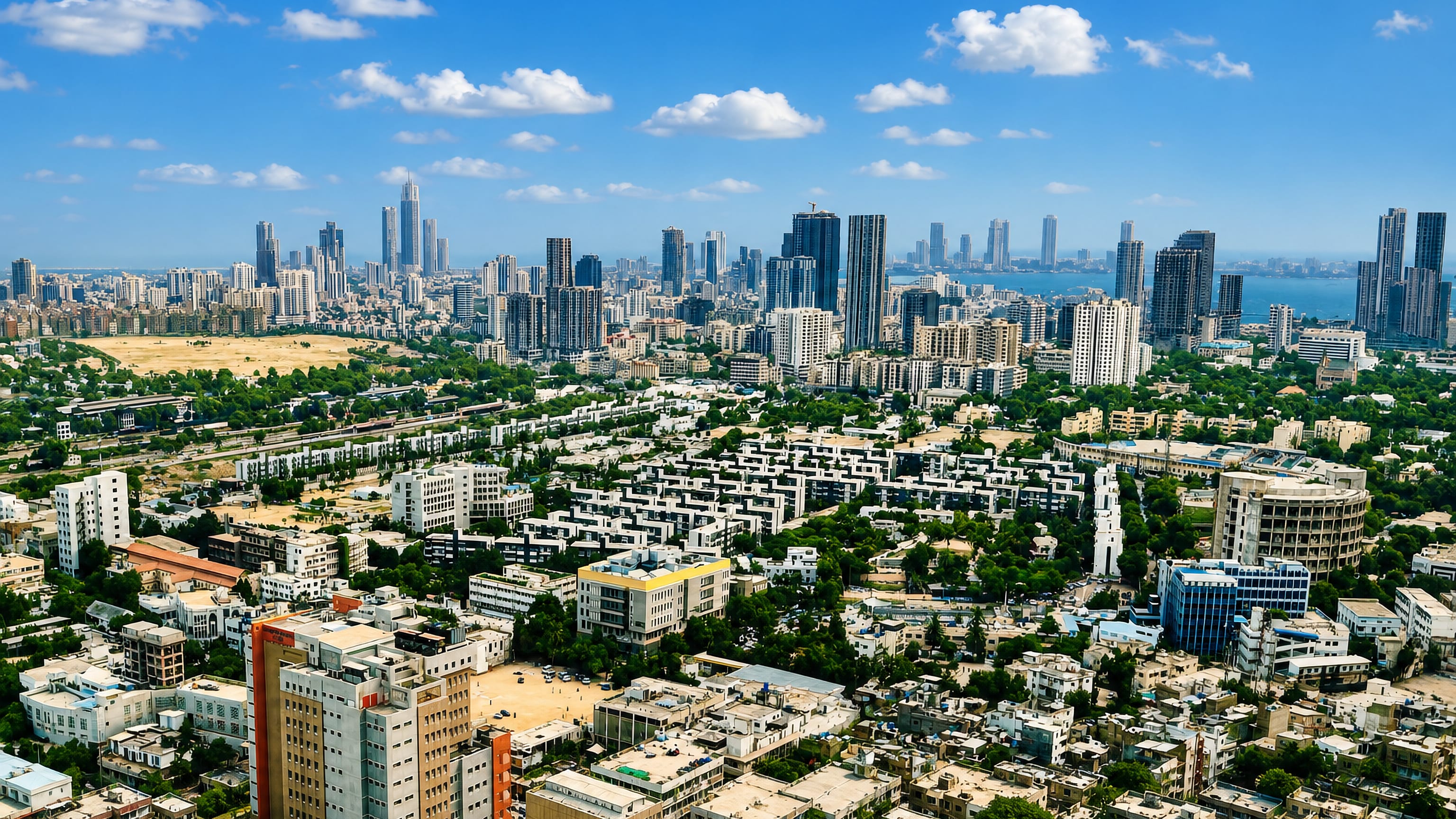
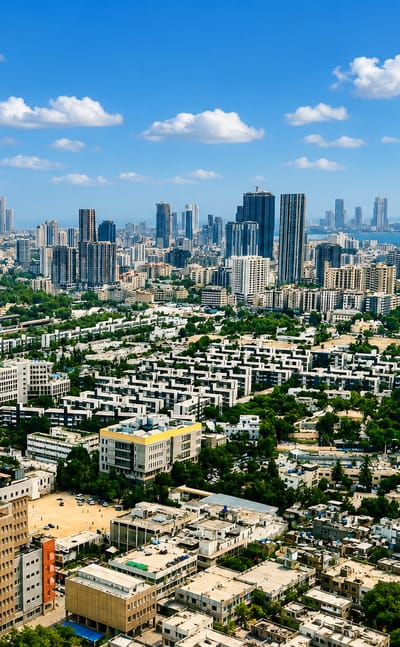
Salt air blows off the Arabian Sea at Karachi, the largest city of Pakistan and capital of Sindh, known for Mazar-e-Quaid.Where to stay →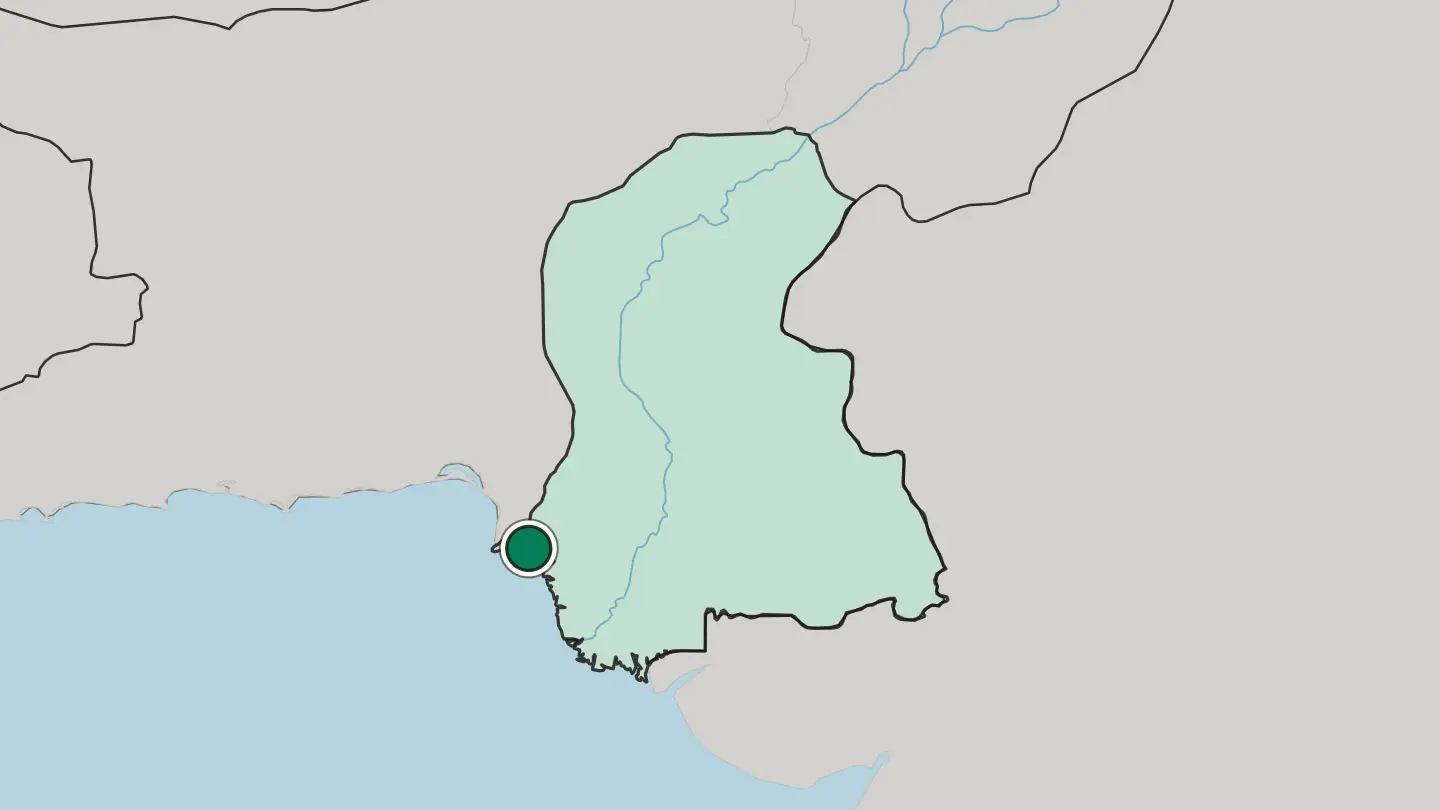
 Pakistan
Hyderabad
Hyderabad stands along the River Indus in Sindh, once the province's capital and still the city of the Shahi Bazaar and the Talpur tombs.Where to stay →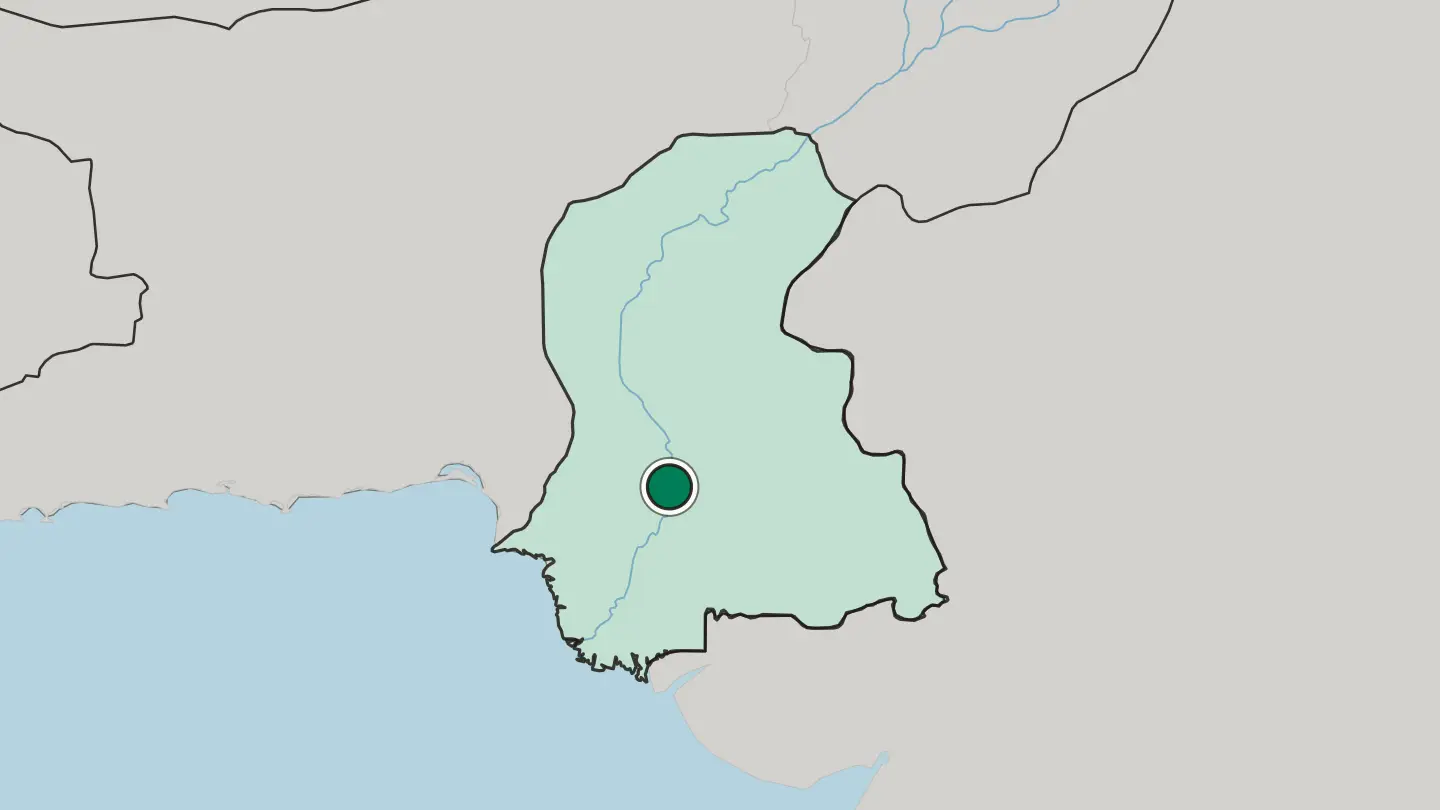
 Pakistan
Sukkur
Sukkur keeps the western bank of the Indus River in Sindh, across the water from Rohri and the river island of Bukkur.Where to stay →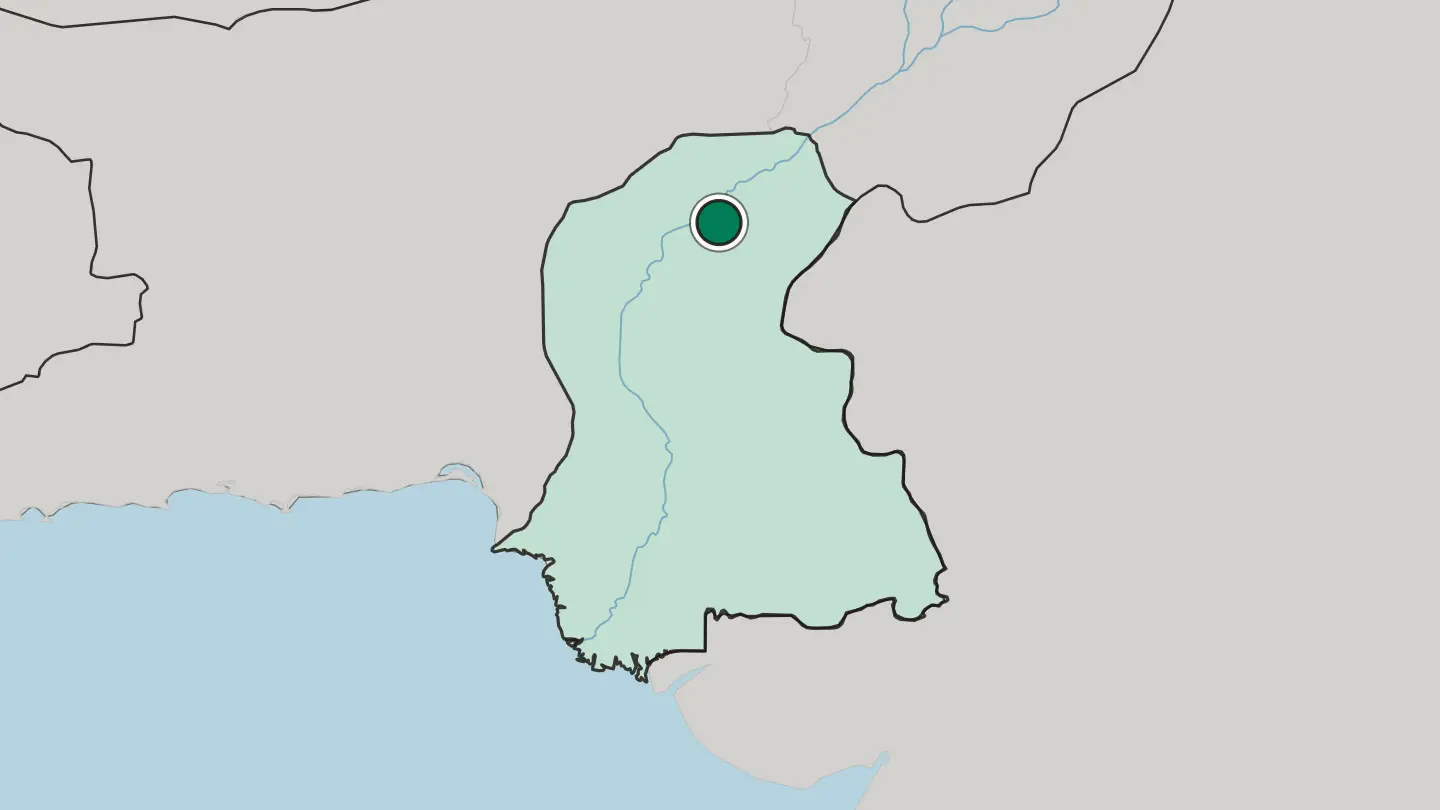 Pakistan
Larkana
Larkana, headquarters of Larkana District in Sindh, Pakistan, stands near the Indus River and the Indus Valley civilization site of Mohenjo-daro.Where to stay →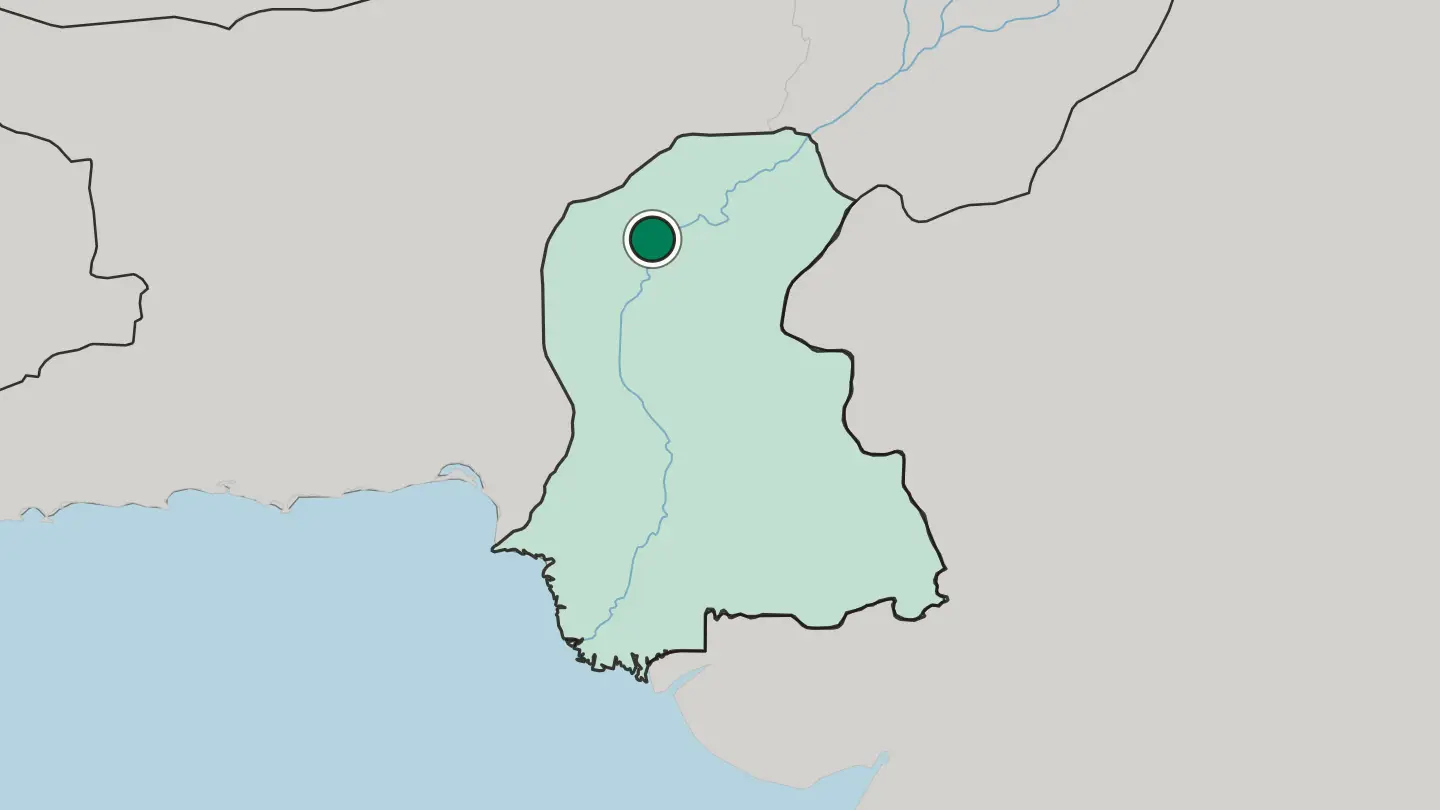 Pakistan
Mirpur Khas
Mirpur Khas is a Sindh city built by the Talpur rulers of the Mankani branch, known across Pakistan as the City of Mangoes.Where to stay →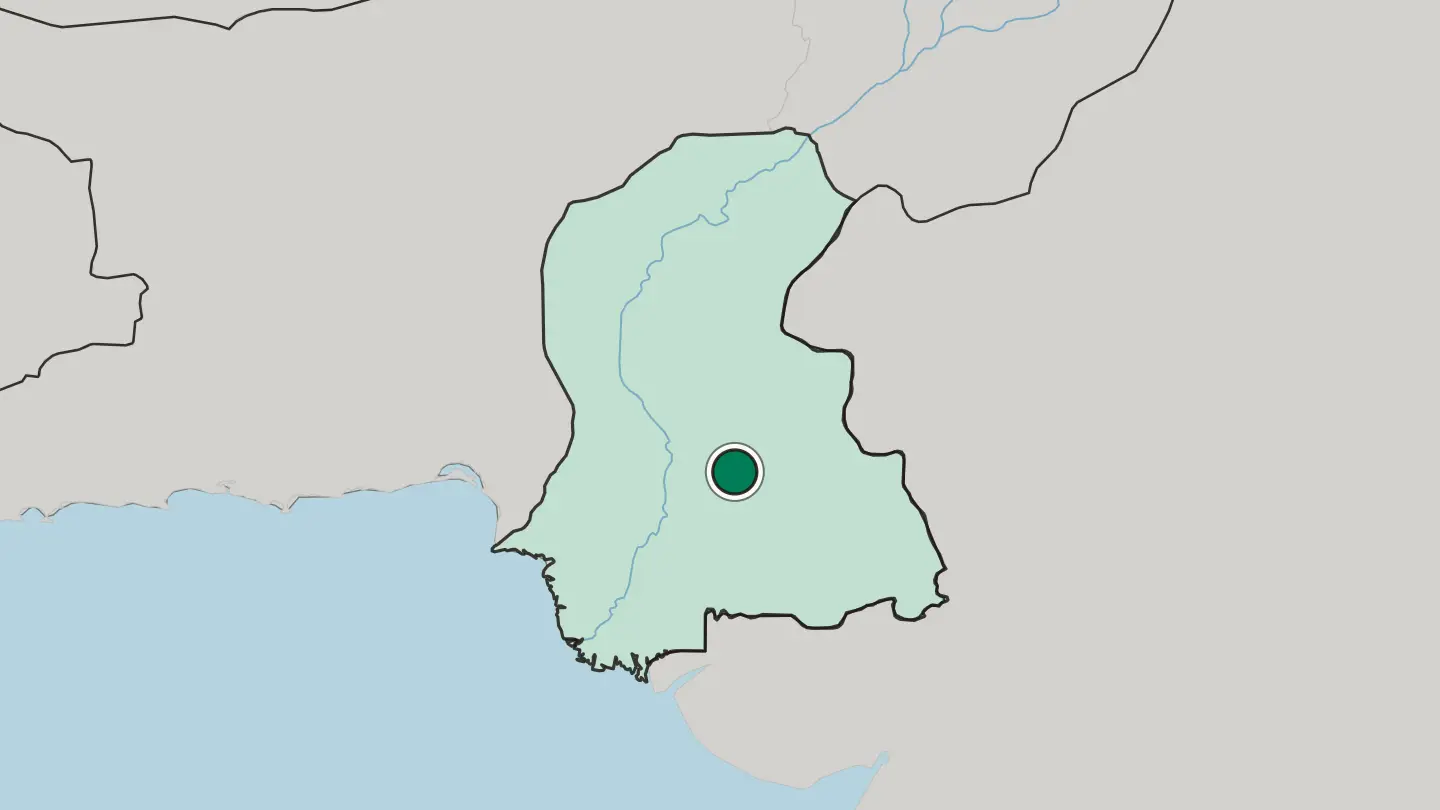 Pakistan
Jacobabad
Jacobabad, seat of Jacobabad District in northern Sindh, Pakistan, was founded in 1847 on the site of the village of Khangarh.Where to stay →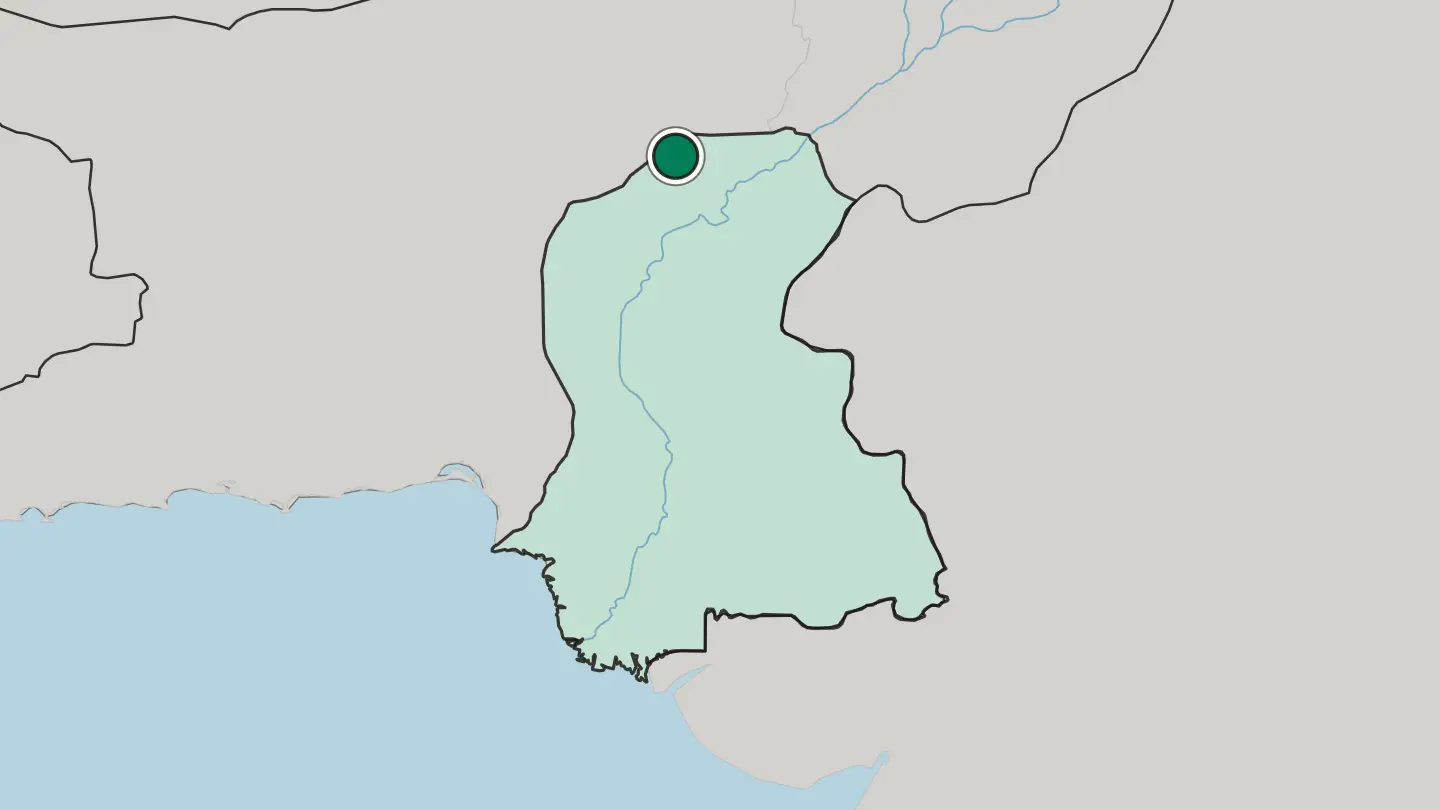
Hotel links are affiliate links: booking through them may earn us a commission, at no extra cost to you. It never affects how places are ranked. How this works
About Sindh
What is Sindh known for?
Sindh is known as one of the oldest inhabited corners of the world, the home ground of the ancient Indus Valley Civilisation. Faith is woven into its name. Sindh is called Bab-ul-Islam, the gate through which Islam first reached South Asia, and that early history still marks the province.
It is also the land of the Sindhi people, with a culture and traditions of its own, and its great city is Karachi, the capital on the Arabian Sea.
Where is Sindh?
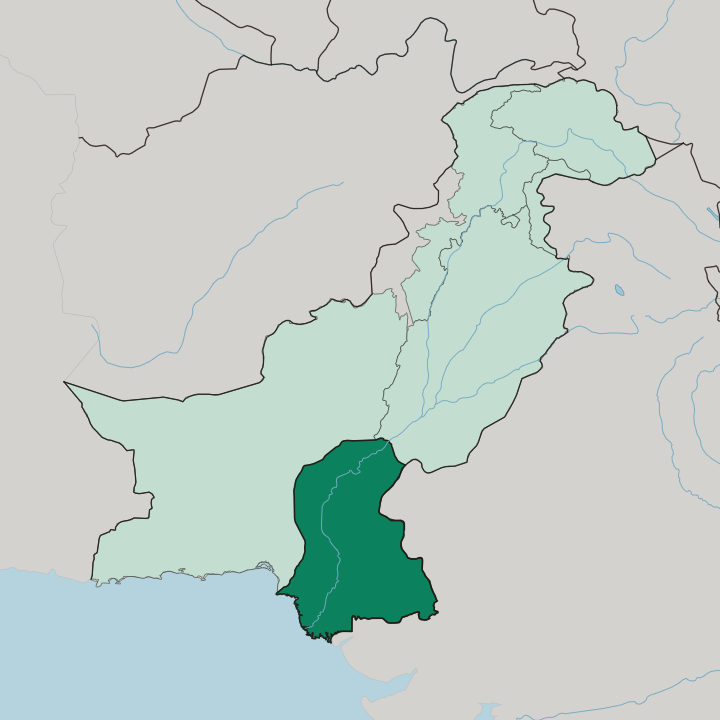
Sindh lies in the southeastern region of Pakistan, along the Arabian Sea. Water and desert define it. The province is built around the Indus River, whose alluvial plains form its fertile core and carry most of its people and farming.
To the west the Kirthar Mountains wall it off from the neighbouring province of Balochistan. Punjab lies to the north. Eastward the land dries out into the Thar Desert, which runs along the international border with the Indian states of Gujarat and Rajasthan.
The south is the coast. Karachi sits on the shore of the Arabian Sea, the province's capital and largest city, at the point where the Indus country runs out into the ocean. By land area Sindh is the third-largest of Pakistan's provinces.
The contrast within it is sharp. Green irrigated plains follow the river down its length, while a short way east the ground turns to open desert, and to the west it climbs into the dry Kirthar range. From the mountains through the river plains to the sea, the province gathers three very different landscapes into one.
The Indus ties them all together.
What is Sindh like?
Sindh has a culture as old as any in South Asia. It belongs to the Sindhi people, who have kept their own language, customs, and traditions along the Indus for a very long time. The roots go back to the very beginning.
This was the land of the Indus Valley Civilisation, one of the oldest civilizations on earth, and that deep past still gives Sindh a sense of great age. Faith runs just as deep. Known as Bab-ul-Islam, the gate of Islam, the province is remembered as the place where Islam first entered South Asia, and it has carried that identity ever since.
The river shapes the life here as much as the history does. Settlement, farming, and trade cluster along the Indus, while the desert and the mountains keep their own harder ways of life. Urdu is widely used across the province, alongside the older Sindhi tongue.
Karachi, the great coastal city, draws people from across the country into one crowded place. Between the ancient civilization, the early Islam, and the living Sindhi tradition, the province holds a long and layered culture.
What is the history of Sindh?
Sindh's history runs deeper than almost anywhere in the region. The past is ancient. Along the Indus rose the Indus Valley Civilisation, among the oldest civilizations known, whose cities stood here thousands of years ago.
Much later, Sindh became the point where Islam first reached South Asia, and it earned the name Bab-ul-Islam. The modern province of Pakistan took its present shape in 1947.
What is the climate of Sindh?
Sindh has a hot and dry subtropical climate. Summers are fierce across the plains. The Thar Desert in the east is among the most arid parts of the province, baked and rain-starved for much of the year, while the Arabian Sea brings a little humidity to the coast around Karachi.
Rain is scarce almost everywhere. The Indus, more than the sky, is what keeps the land alive.
How do you get to Sindh?
Sindh is easiest to reach through Karachi. The provincial capital and largest city sits on the Arabian Sea, and it serves as the main sea and air point of entry for the whole of southern Pakistan, so most visitors from abroad land there first. From Karachi, roads and railways run north along the Indus toward Punjab and inland across the plains.
The desert to the east and the Kirthar Mountains to the west are harder country. Most trips start on the coast.
Common questions
What is the best area to stay in Sindh?
Karachi: arriving on the coast and city stays. The Indus plains: the green river country of the interior. The Thar Desert: the dry eastern borderland.
Good for
More regions in Pakistan
Updated September 2026