Poland · Opole Voivodeship
Where to Stay in Opole, Opole Voivodeship
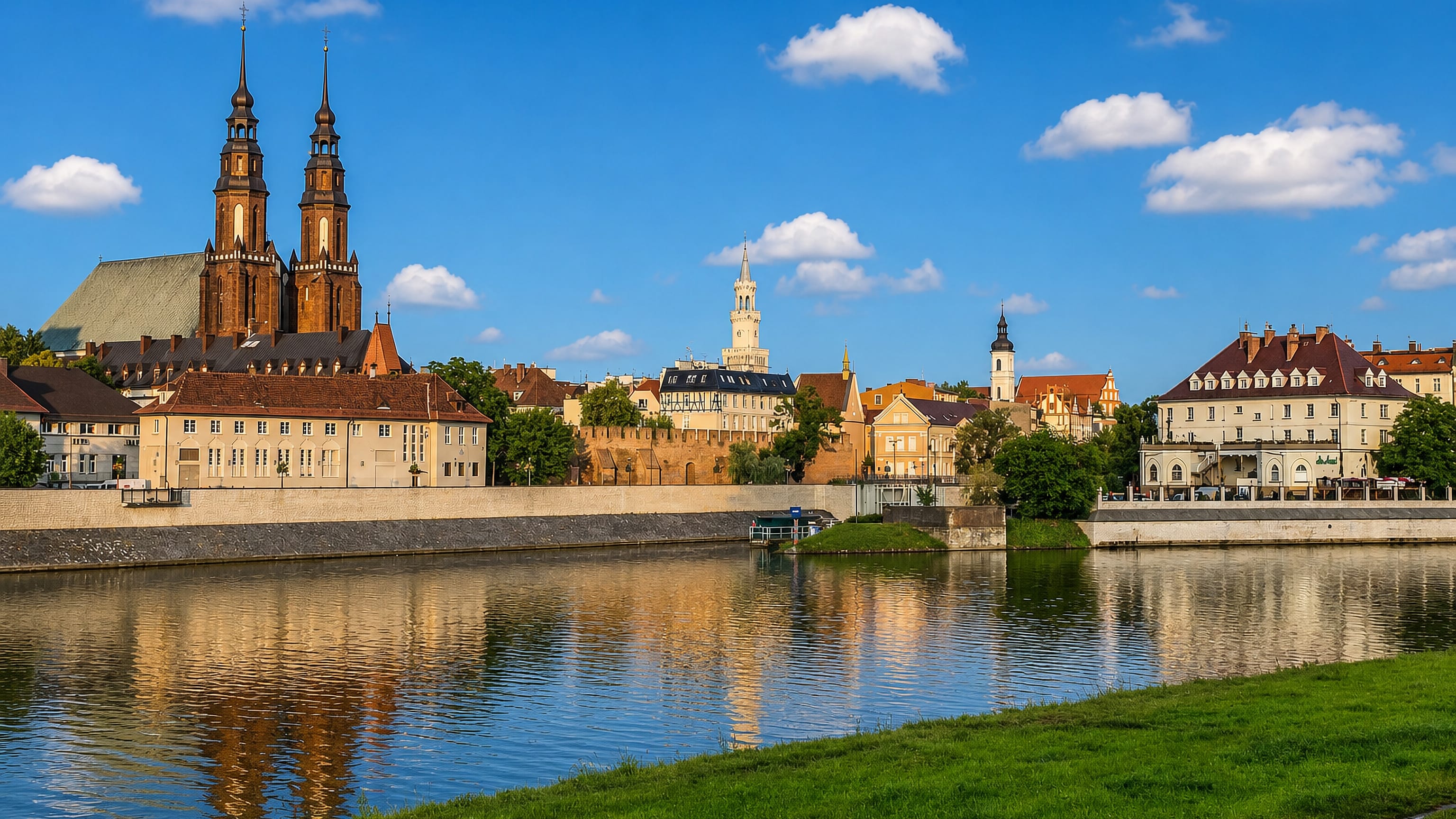
The Oder curves past Opole in southern Poland, the historic capital of Upper Silesia, gathered around its Market Square and the Piast Tower.
Hotel links are affiliate links: booking through them may earn us a commission, at no extra cost to you. It never affects how places are ranked. How this works


Where to stay in Opole
Where the beds are, and what that means for the visit.
Opole keeps most of its beds around the Market Square in the old town, on the Oder in southern Poland. The square holds the rooms. Close to the Piast Tower and the Cathedral of the Holy Cross, the streets of the old town gather hotels within reach of the river and the Green Bridge, and travellers who want the heart of Opole at hand tend to settle here.
The Market Square comes first. Across the water, the island quarter offers a quieter base. The Oder sets it apart.
On the far bank the Piast Tower and the grounds of Opole Castle stand above the channel, a calmer stretch of the city away from the busier Market Square, where rooms often cost less than those at the centre. Rooms grow cheaper the farther you drift from the Market Square. Out beyond the old town, the wider districts of Opole spread cheaper rooms across Opole Voivodeship, linked back to the Market Square by the bridges over the Oder and by trains running from Opole Główne.
Things to do in Opole
Ranked by global recognition; descriptions from Wikidata (CC0).
Museums & Galleries
2- Polish Song Museum in Opole
- Muzeum Śląska Opolskiego w Opolu
Churches & Religious Sites
7- Cathedral of the Holy Cross, Opole Heritage
- Holy Trinity Church in Opole Heritage
- Church on the Hill in Opole Heritage
- St. Sebastian Church in Opole Heritage
- Saint Alexius church in Opole Heritage
Show 2 more →
- Our Lady of Perpetual Help church in Opole Heritage
- Saint Michael Archangel church in Opole Heritage
Castles & Historic Sites
3- Opole, zamek górny Heritage
- Opole Castle
- Nike of Opole
Landmarks & Notable Places
2- Piast Tower Heritage
- 1 Market Square in Opole Heritage
worth knowingacross 4 categories in Opole
About Opole
What is Opole known for?
Opole is known as the capital of Opole Voivodeship, the historic seat of Upper Silesia on the Oder in southern Poland. A song festival made its name. Every June the National Festival of Polish Song fills the city, drawing crowds to the amphitheatre below Opole Castle, while the Market Square, the Piast Tower, and the Cathedral of the Holy Cross mark the older core above the river.
Opole is the largest city of its province.
What are the main landmarks in Opole?
Opole gathers its landmarks around the Market Square and along the Oder. The old core stands close. The Piast Tower and the grounds of Opole Castle rise above the river, the Cathedral of the Holy Cross and the Holy Trinity Church stand near the Market Square, and the Polish Song Museum and the Museum of Opole Silesia hold the story of the city.
What is the history of Opole?
Opole grew on the Oder in southern Poland, an Upper Silesian town that took its charter in 1217. The river carried its trade. Rising where routes crossed the Oder, the settlement gathered around the seat of the Piast dukes, and the Piast Tower still marks the castle mound where their power once sat above the water.
Merchants and clergy filled the Market Square and raised the churches of the growing town. It became the historic capital of Upper Silesia. Over the centuries the city passed between powers, changing hands more than once.
The borders moved around it. Held in turn by the rulers of a shifting Central Europe, Opole kept its place on the Oder through each change, its Cathedral of the Holy Cross, its Market Square, and its old towers standing through the years. War later scarred the town.
Rebuilt afterwards, Opole rose again on the Oder as the capital of Opole Voivodeship, the fine houses of its old town raised once more above the river. The Piast Tower and the churches around the Market Square still stand at the heart of the city.
Where is Opole?
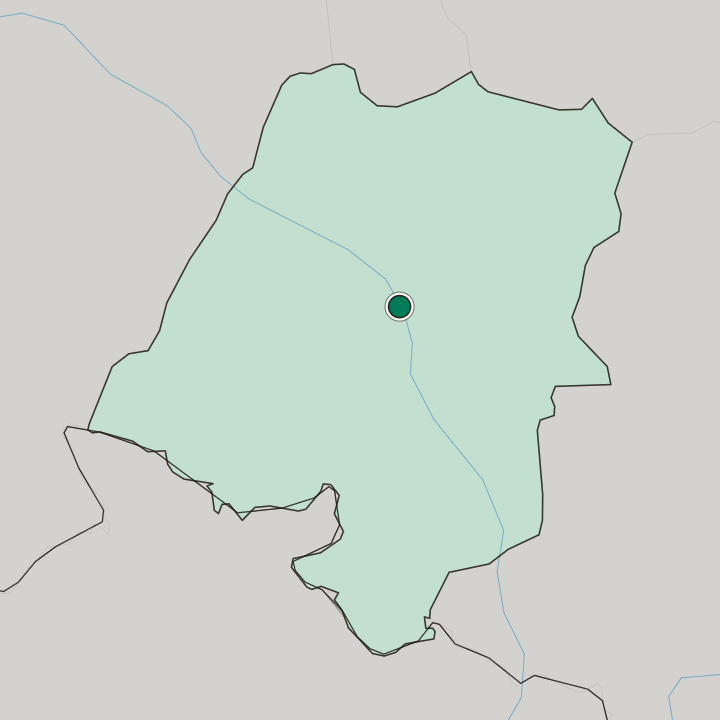
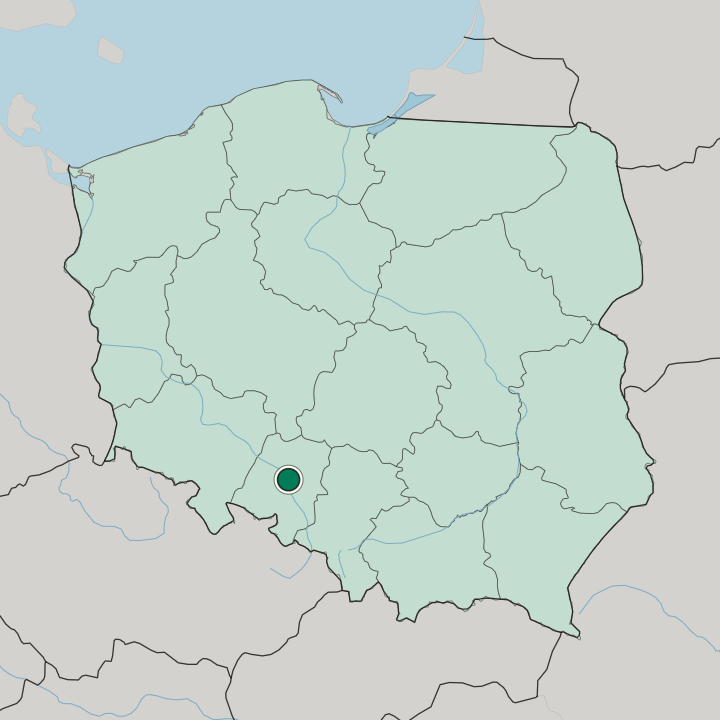
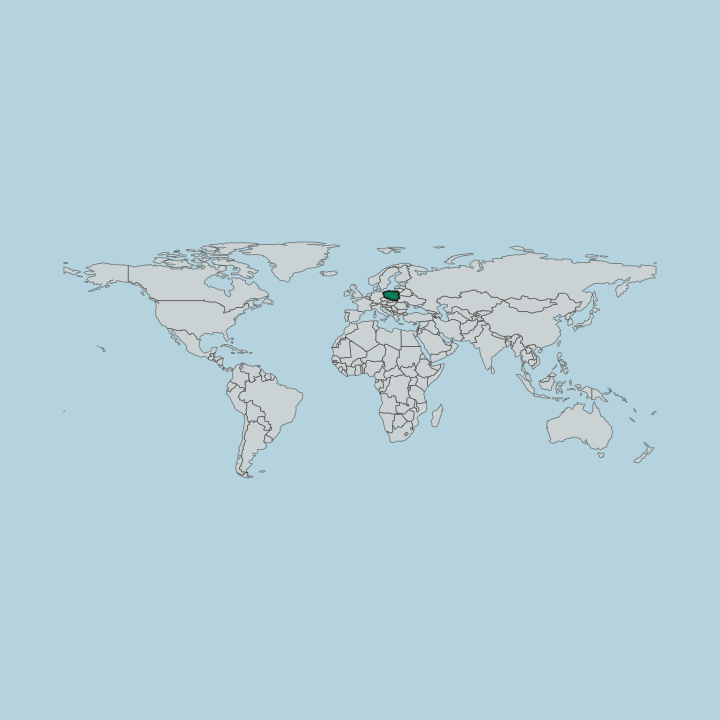
Opole lies on the Oder in Opole Voivodeship, in southern Poland. The Oder cuts Opole into two banks. Spread across both banks of the Oder, Opole runs from the Market Square on the right shore to the island quarter and the grounds of Opole Castle across the water, the whole town low on the Silesian plain of southern Poland.
What is the climate of Opole?
Opole has a temperate climate, set low on the Oder in southern Poland. The seasons stay moderate. Damp grey winters give way to warm summers over the river, and the low ground of the Silesian plain keeps the milder weather over the city and its Market Square for much of the year.
How do you get to Opole?
Opole is reached by rail and by road from across Poland. The lines meet at the river. Trains run into Opole Główne near the centre, and roads lead in through Opole Voivodeship toward the Oder and the Market Square at the heart of the city, close to the Green Bridge and the old town.
Good for
Another city in Opole Voivodeship
Updated October 2026