Poland: Regions, Cities & Travel Guide
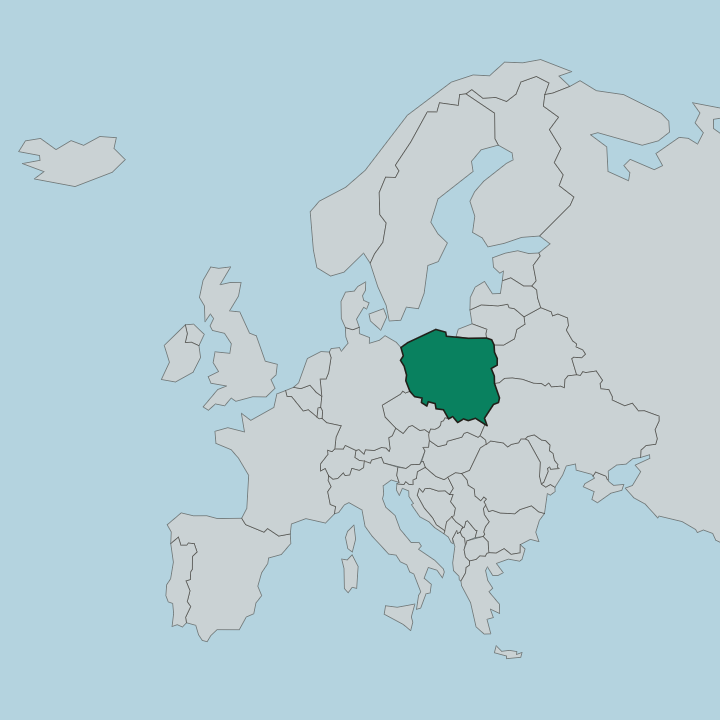
The Baltic Sea washes the northern shore of Poland, a country in Central Europe of sixteen voivodeships, from Warsaw to the Carpathian Mountains.
Hotel links are affiliate links: booking through them may earn us a commission, at no extra cost to you. It never affects how places are ranked. How this works


Top destinations in Poland
Cities to start from, then drill into areas and hotels.
 Poland
Warsaw
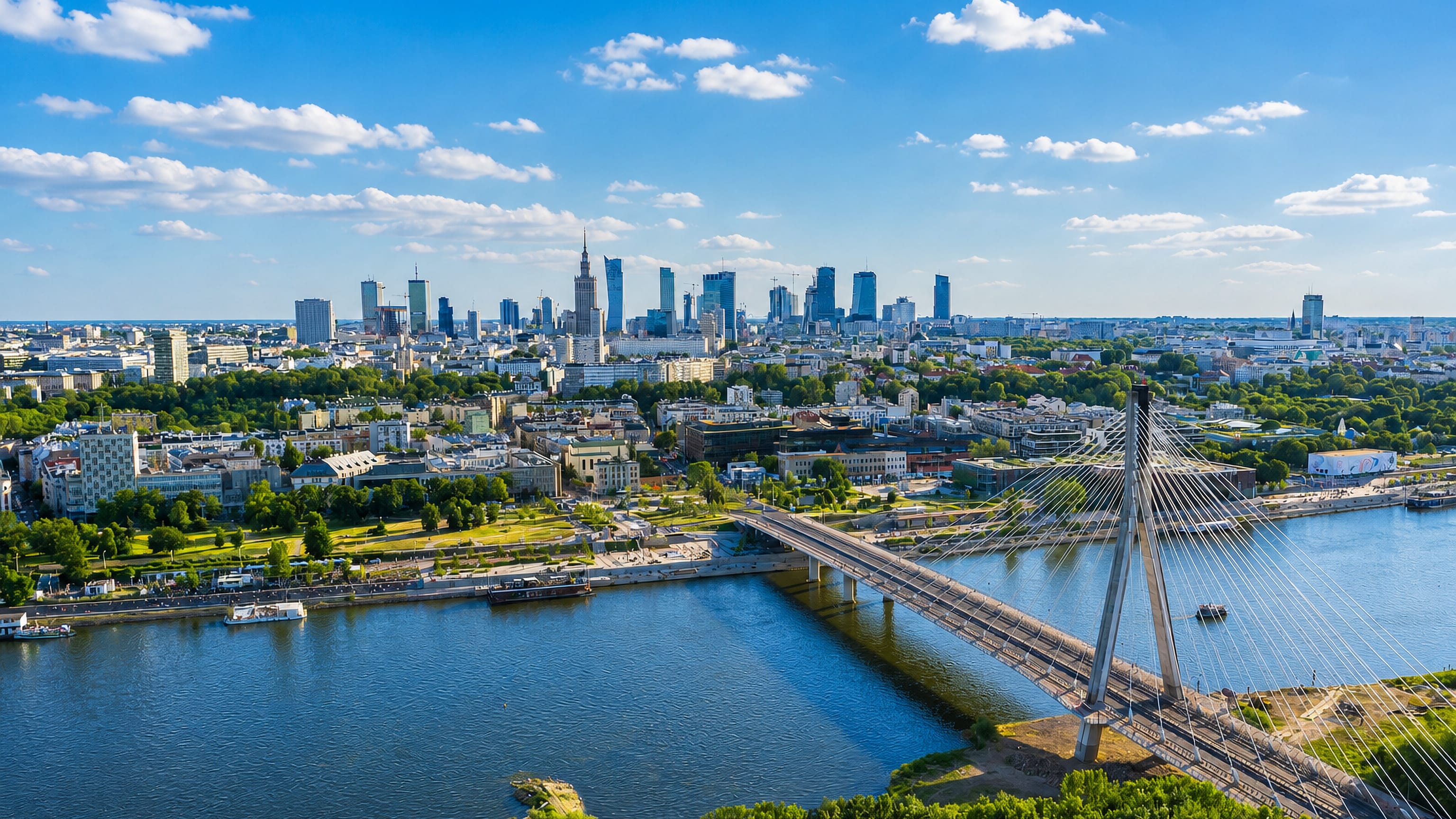
Warsaw stands on the Vistula in east-central Poland, the national capital, rebuilt around a restored Old Town and the Royal Castle.Where to stay →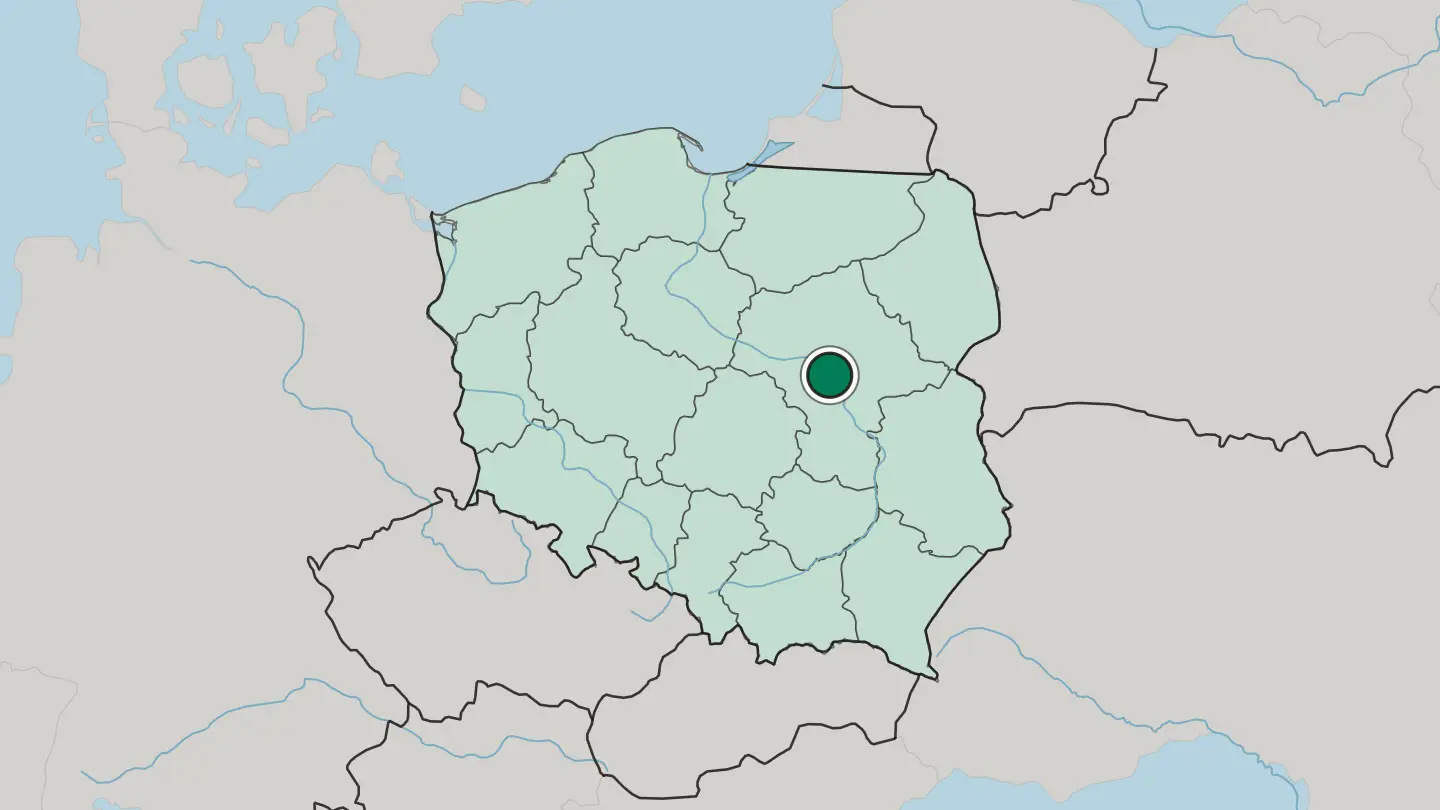
 Poland
Kraków
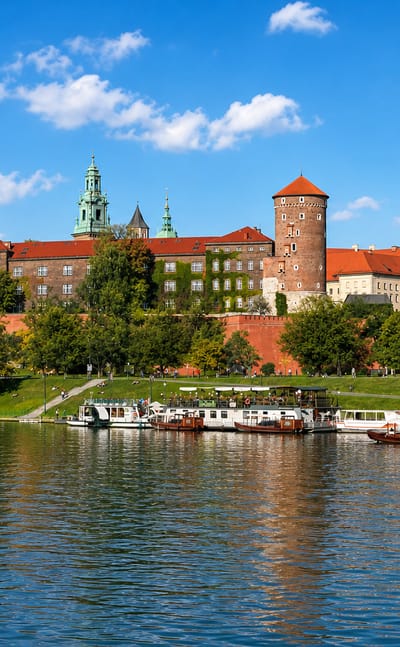
Kraków rises above the Vistula around the royal hill of Wawel, a medieval city in southern Poland known for its walled Old Town.Where to stay →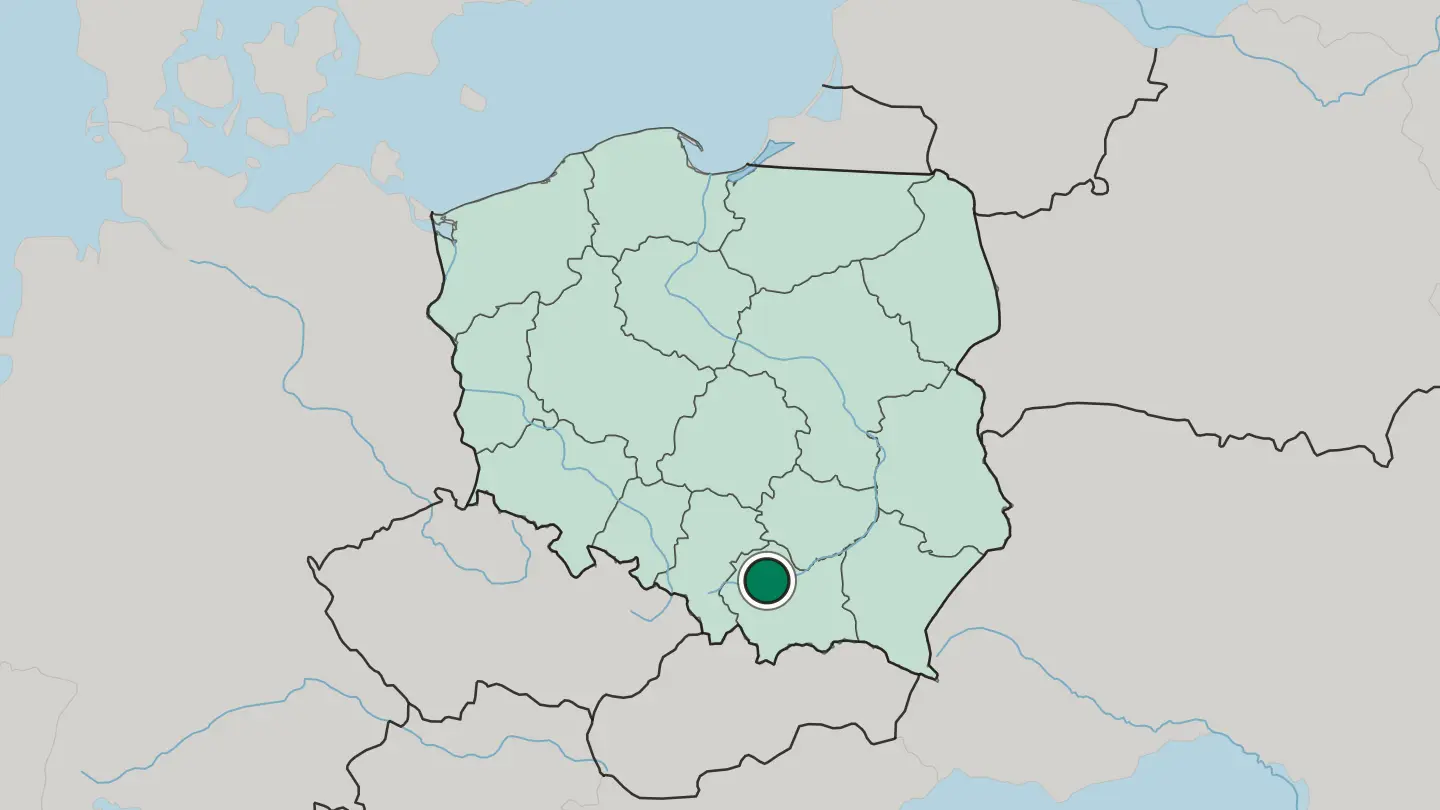
 Poland
Wrocław
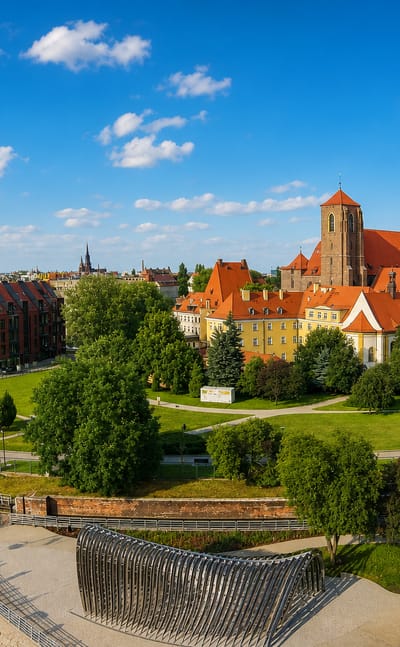
Wrocław sits on the Oder in southwestern Poland, the historic capital of Silesia, built around a great market square and its Town Hall.Where to stay →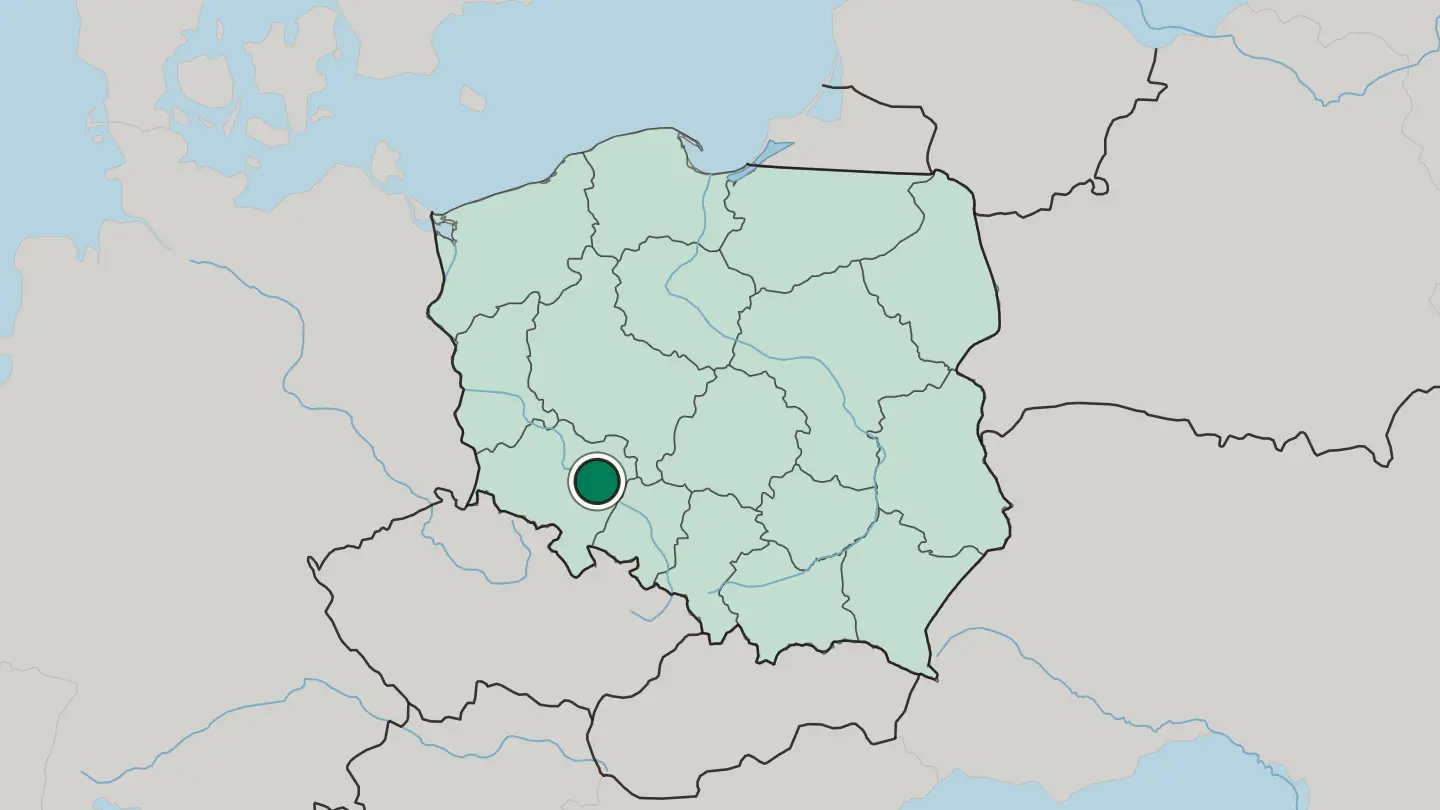
 Poland
Gdańsk
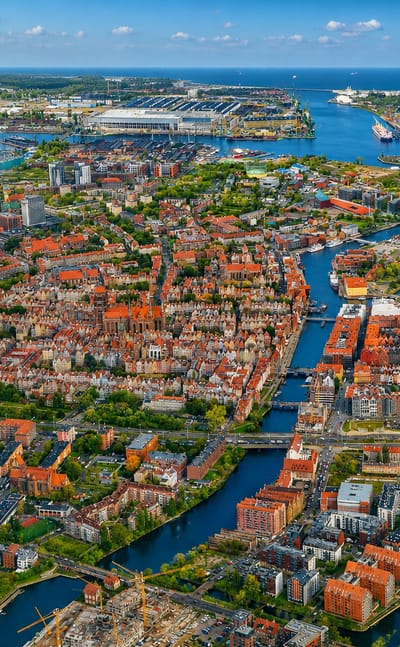
Gdańsk stands on the Motława near the Baltic coast of northern Poland, a port and shipyard city at the heart of the Tricity.Where to stay →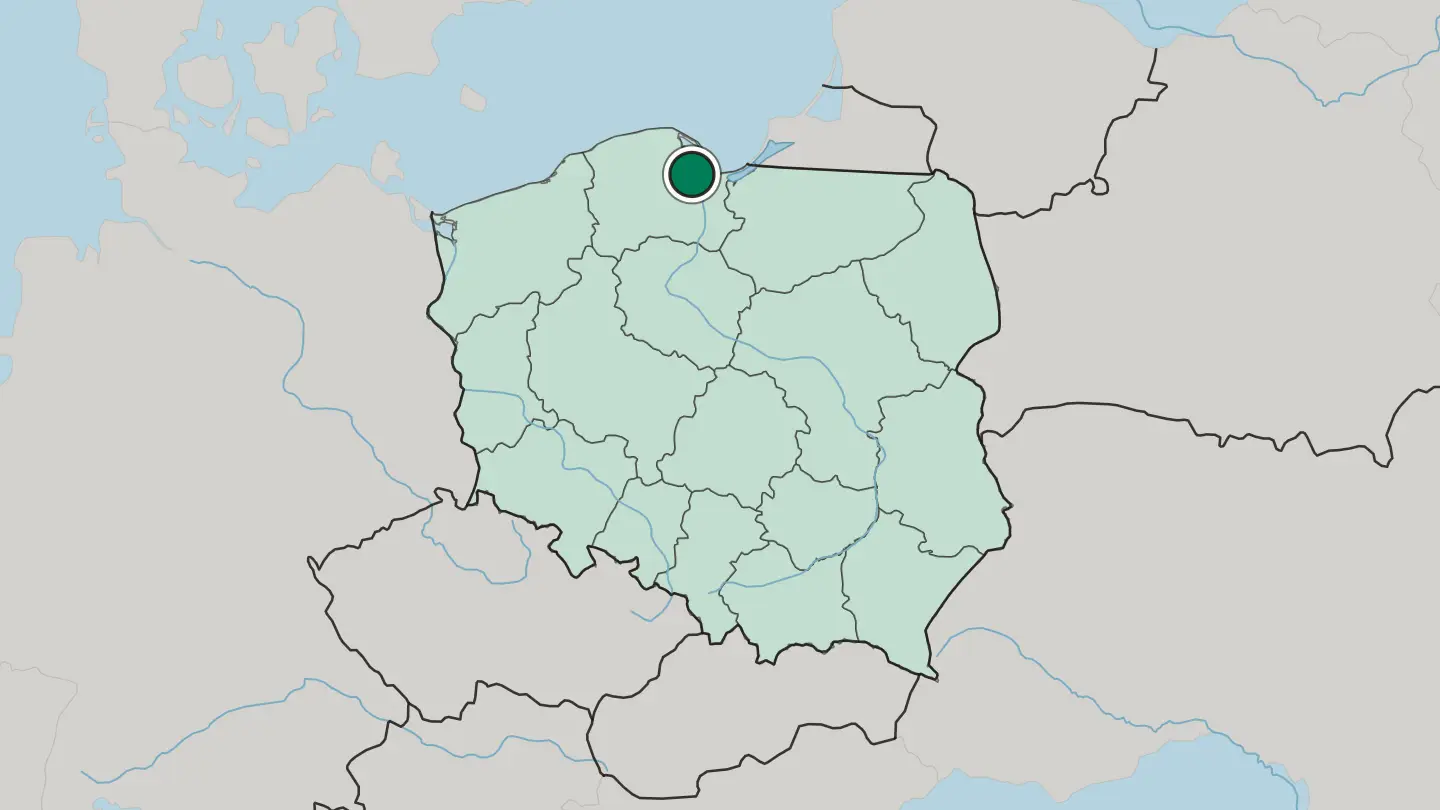
 Poland
Poznań
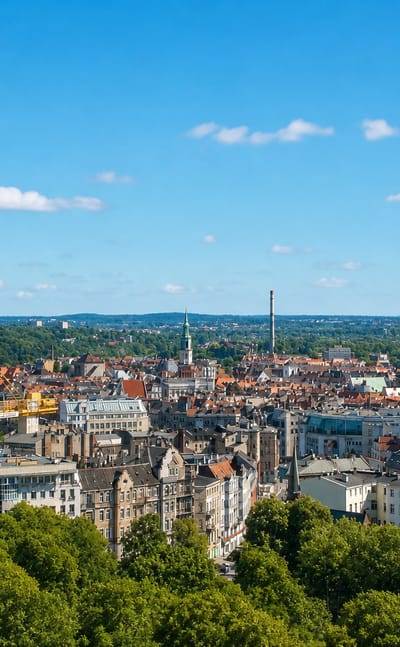
Merchant houses ring the square at Poznań, the largest city of western Poland and capital of Greater Poland Voivodeship, known for its Old Market Square.Where to stay →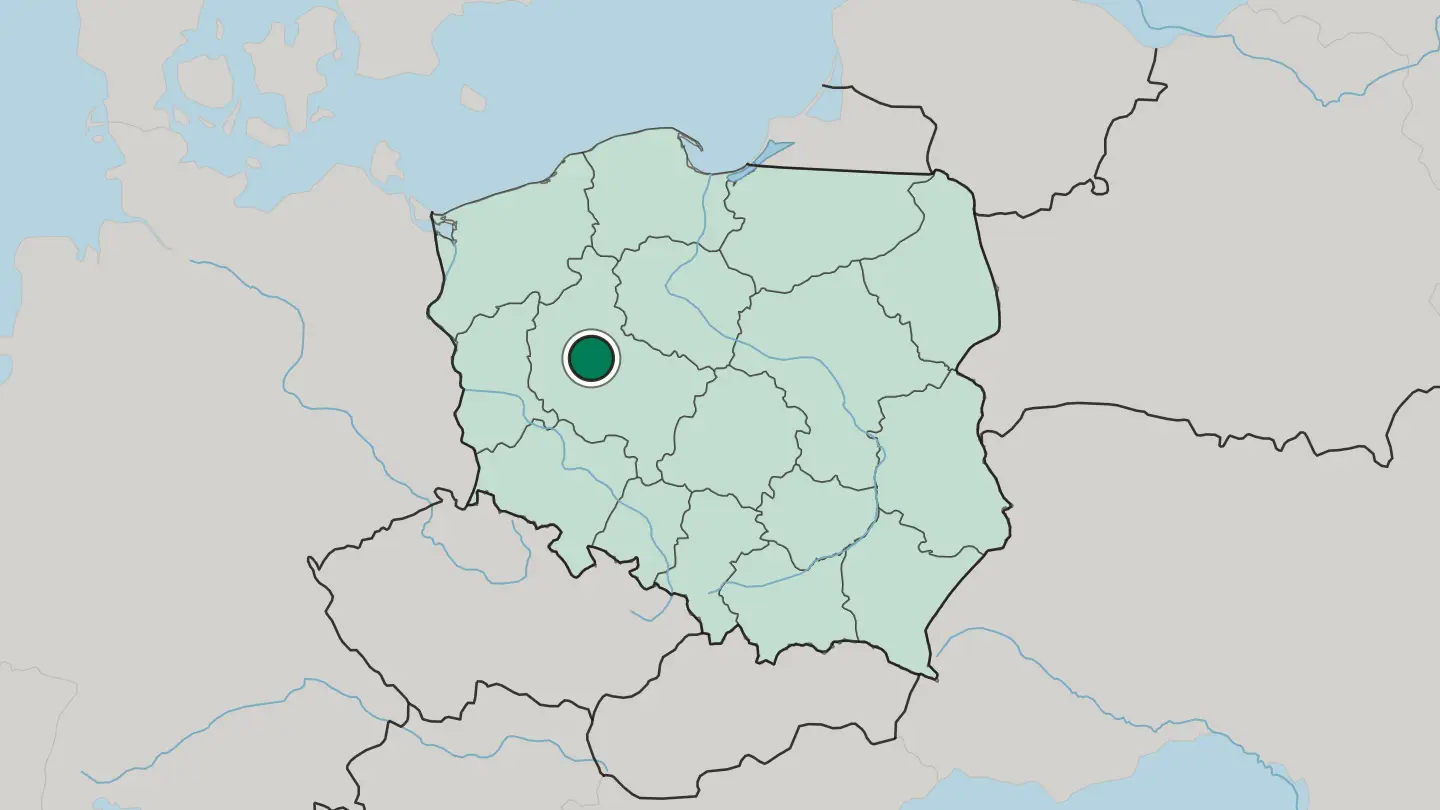
 Poland
Szczecin
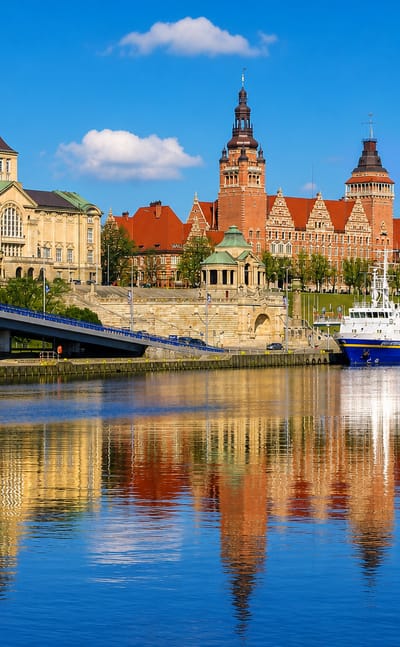
Ships work the Oder at Szczecin, the largest city of northwestern Poland and capital of West Pomeranian Voivodeship, a seaport known for its Ducal Castle.Where to stay →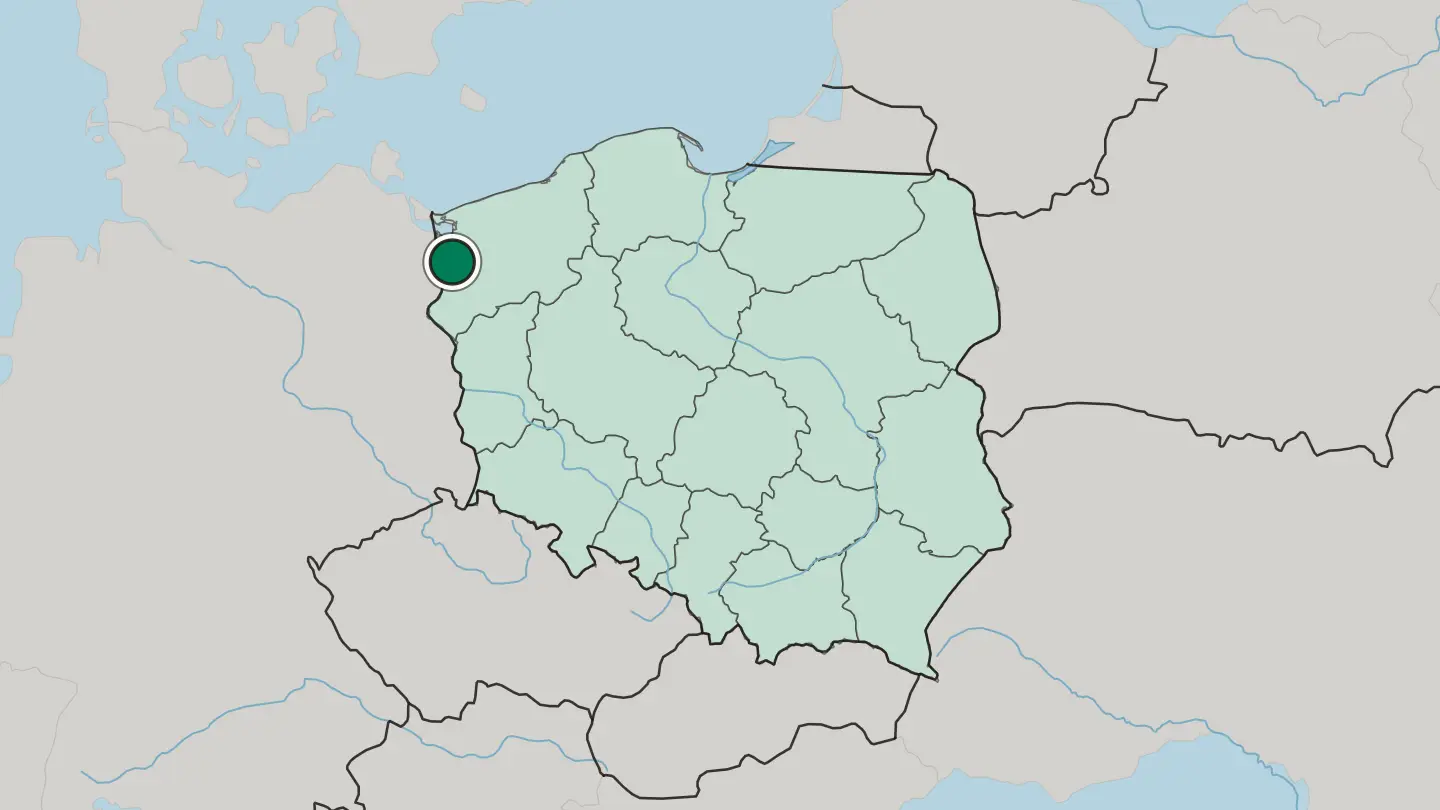
 Poland
Łódź
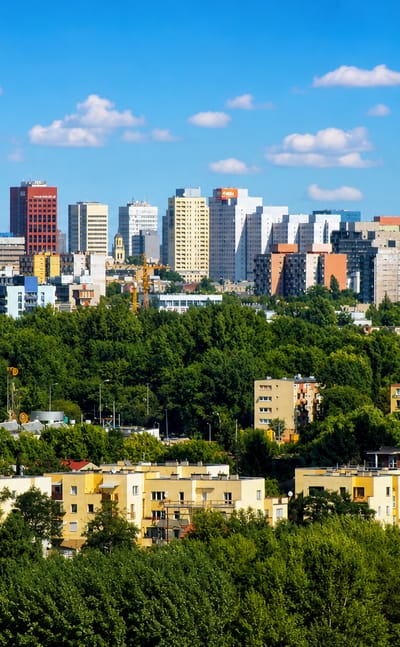
Red-brick mills line the streets at Łódź, a former textile city in central Poland and capital of Łódź Voivodeship, known for the White Factory.Where to stay →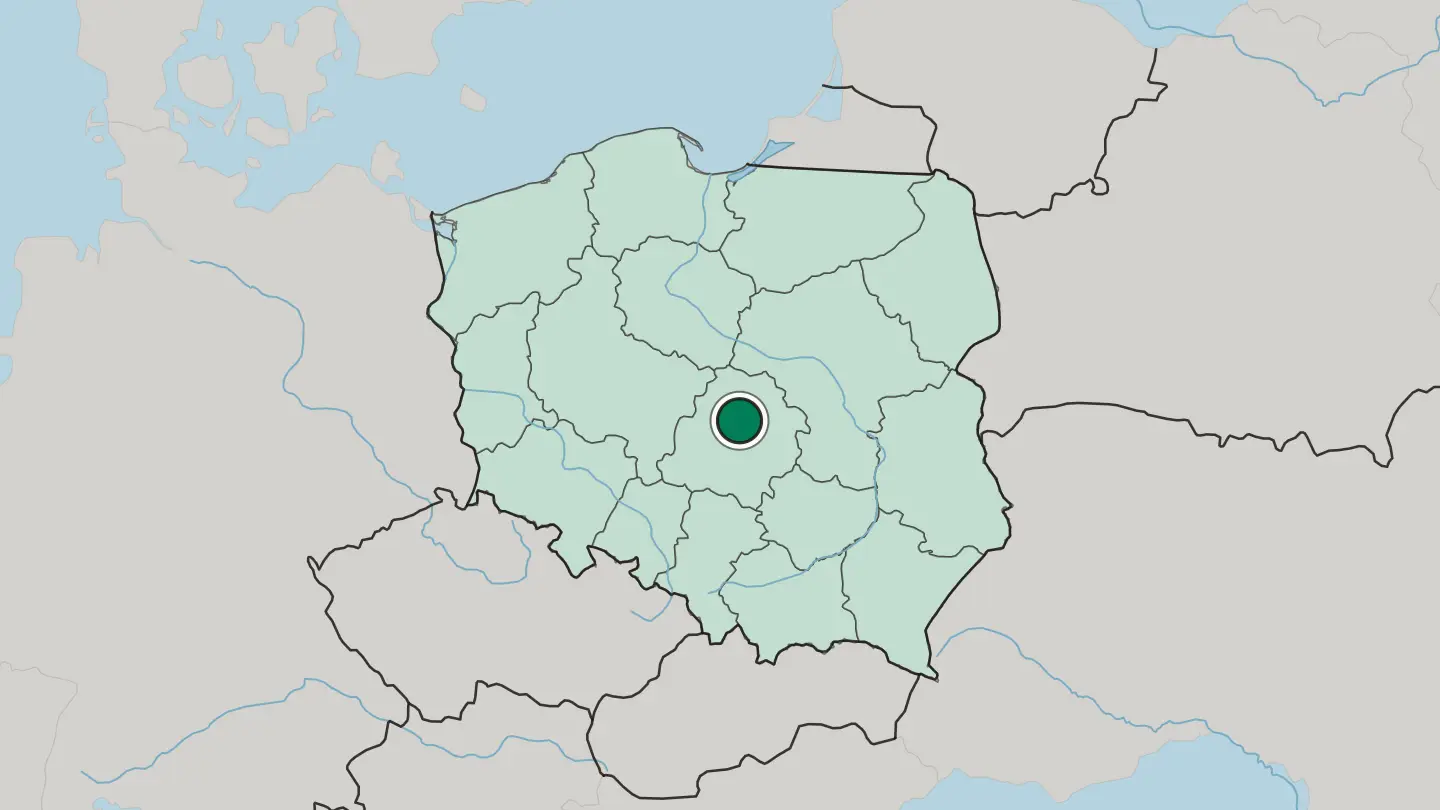
 Poland
Katowice
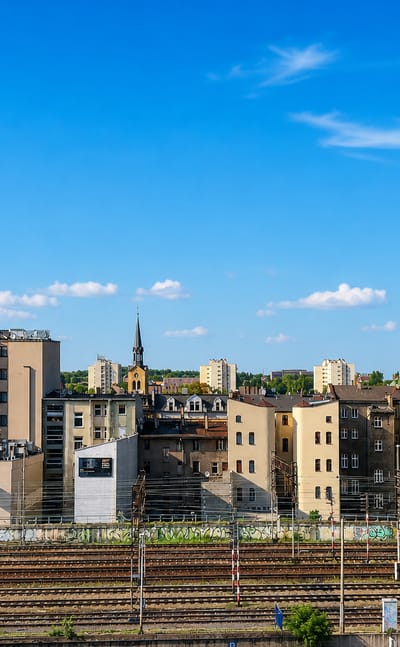
The Spodek arena curves over Katowice, capital of the Silesian Voivodeship in southern Poland, an industrial city at the heart of Upper Silesia.Where to stay →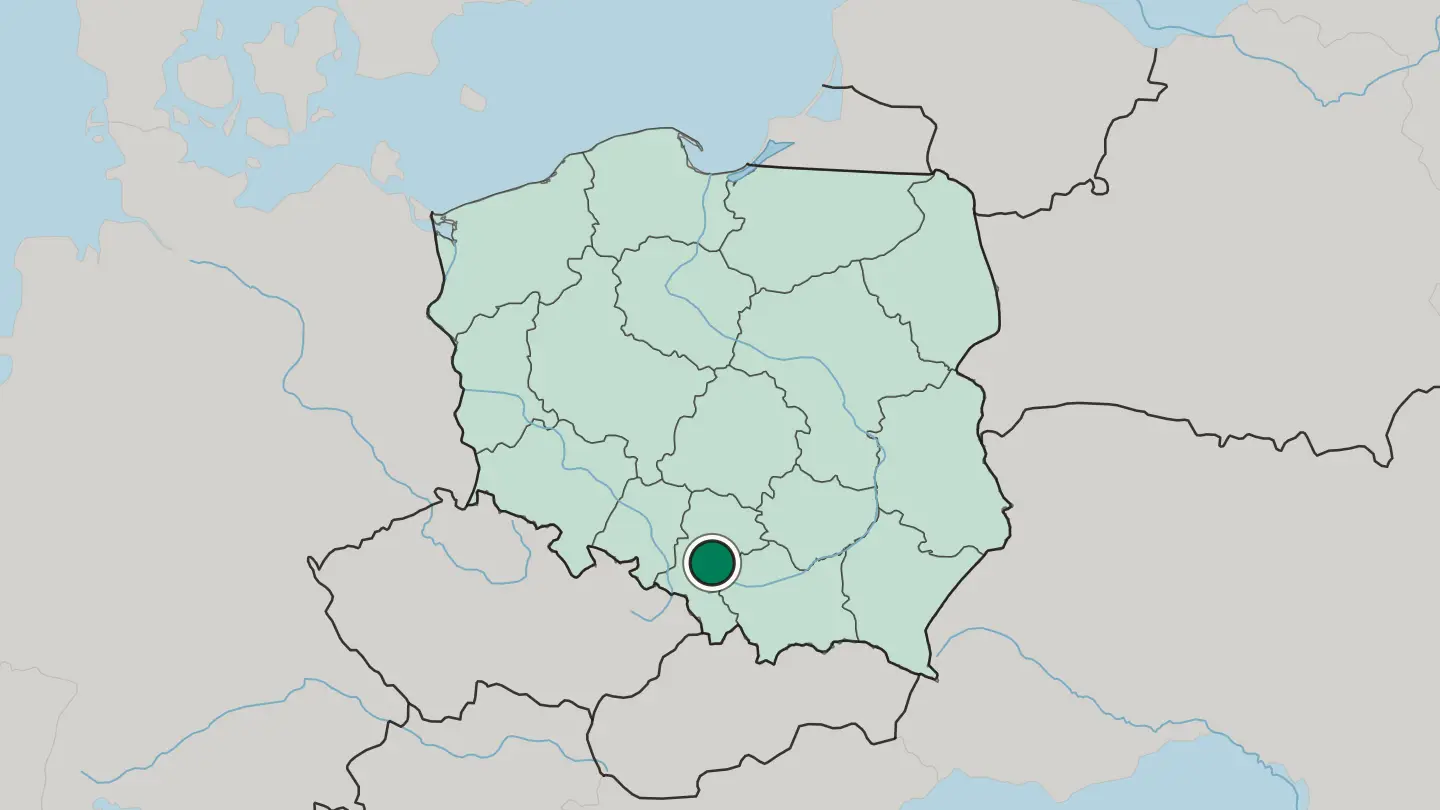
 Poland
Lublin
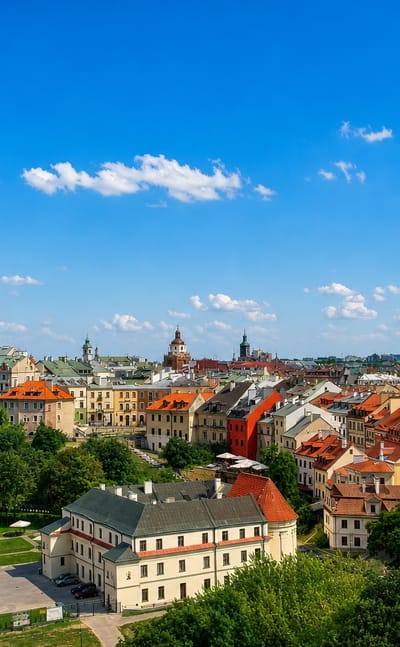
Brick gates guard the hill at Lublin, the largest city in eastern Poland and capital of Lublin Voivodeship, known for its Old Town and Lublin Castle.Where to stay →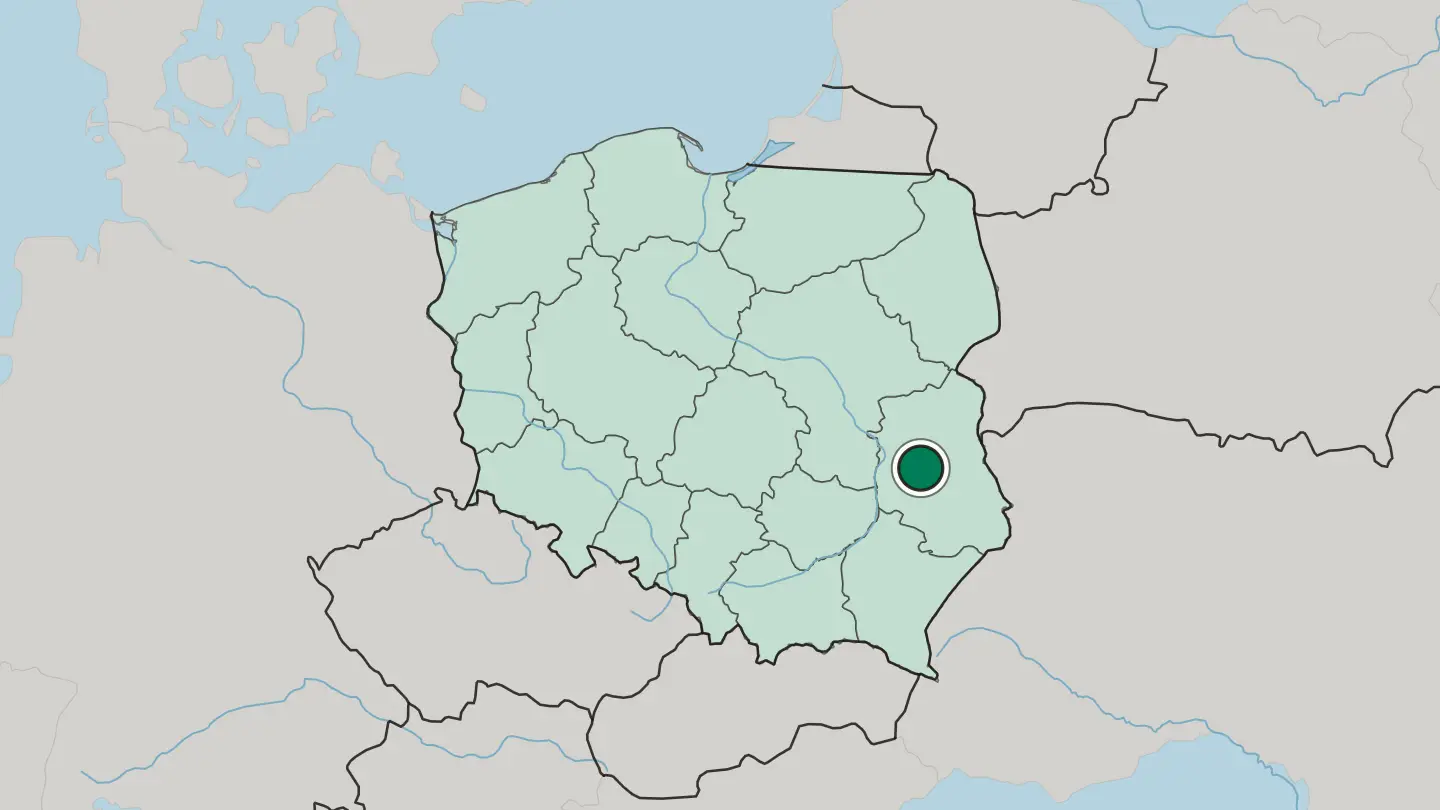
Hotel links are affiliate links: booking through them may earn us a commission, at no extra cost to you. It never affects how places are ranked. How this works
Regions of Poland
Poland
Greater Poland Voivodeship
Greater Poland is the cradle of the Polish state, a flat lowland along the Warta with Poznań at its heart.Towns & cities →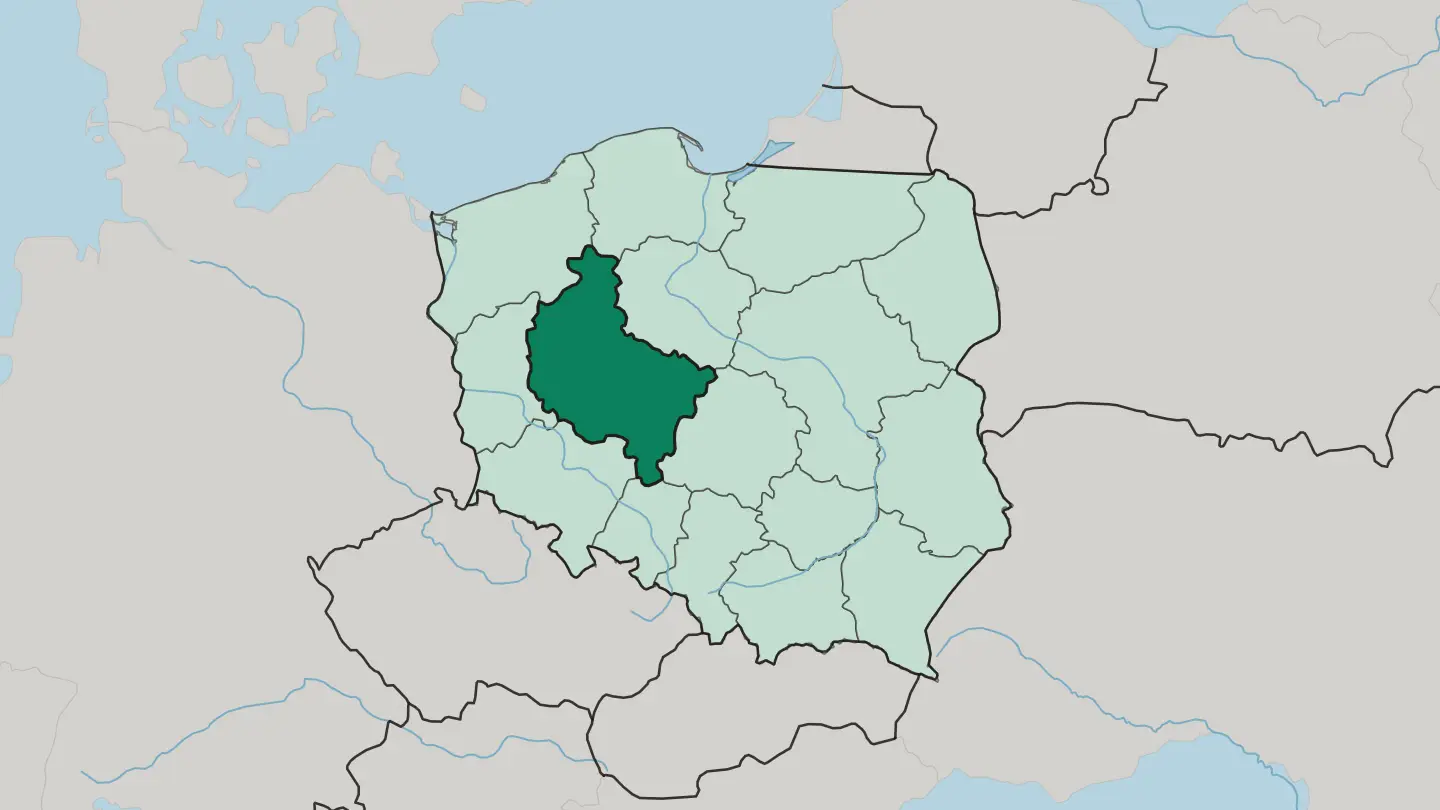
 Poland
Kuyavian-Pomeranian Voivodeship
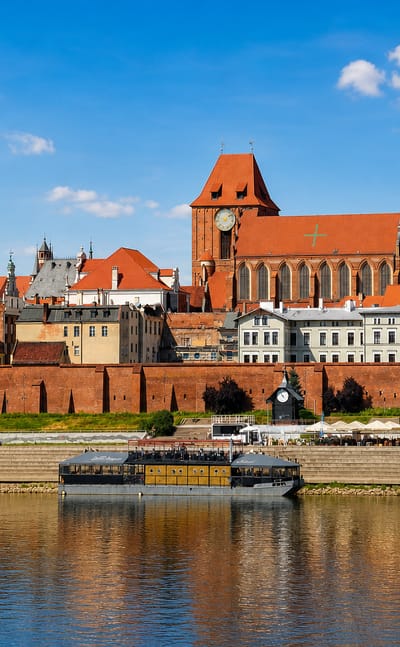
Kuyavian-Pomeranian Voivodeship spans mid-northern Poland along the Vistula, sharing two capitals: Gothic Toruń and larger Bydgoszcz.Towns & cities →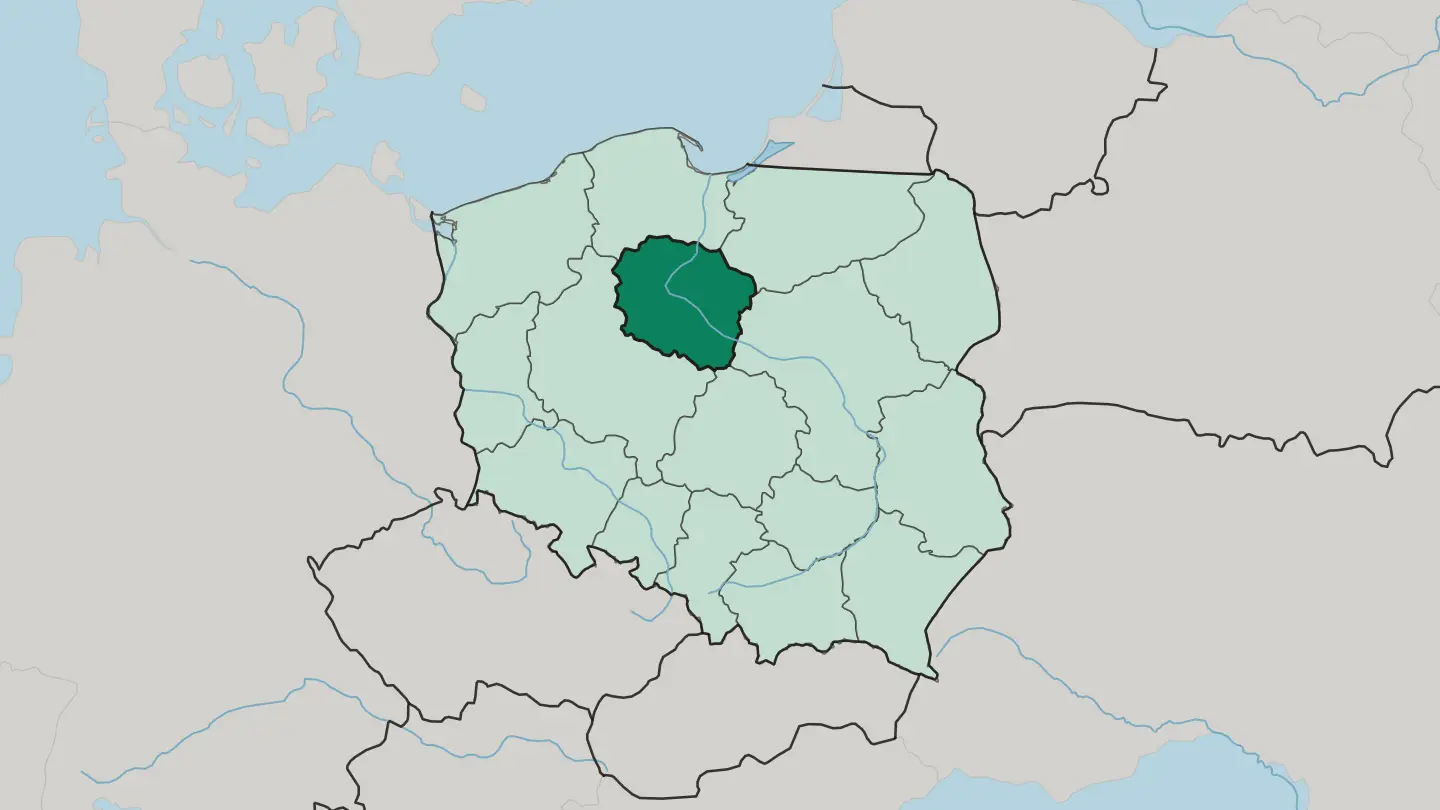 Poland
Lesser Poland Voivodeship
The Tatra Mountains rise along the edge of the Lesser Poland Voivodeship, a voivodeship of Poland centred on Kraków, on the border with Slovakia.Towns & cities →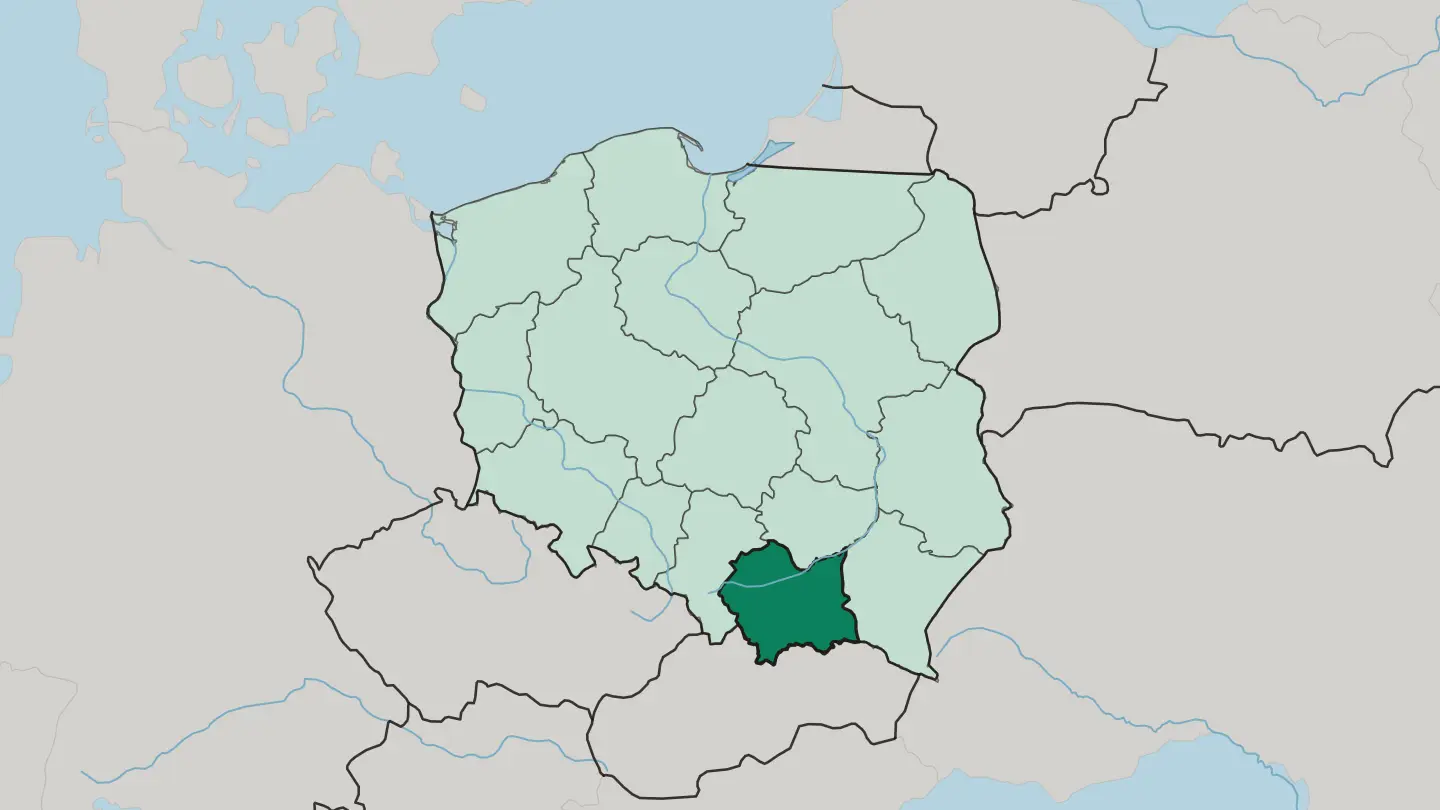 Poland
Lower Silesian Voivodeship
The Oder river winds through the Lower Silesian Voivodeship, a voivodeship of Poland set in the historic region of Silesia, long worked for its ore.Towns & cities →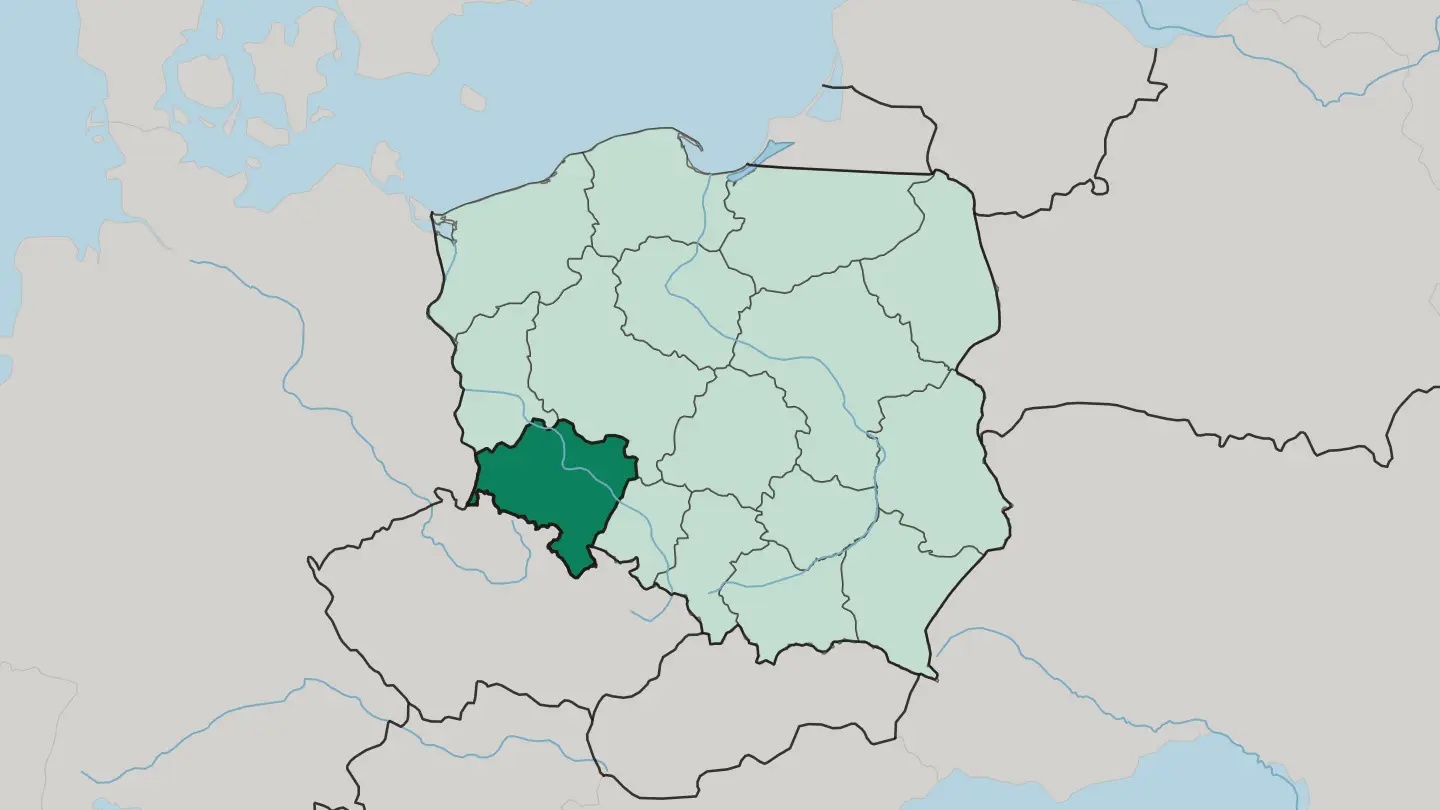 Poland
Lublin Voivodeship
Lublin Voivodeship fills the south-east corner of Poland, between the Vistula and the Bug on the edge of the European Union.Towns & cities →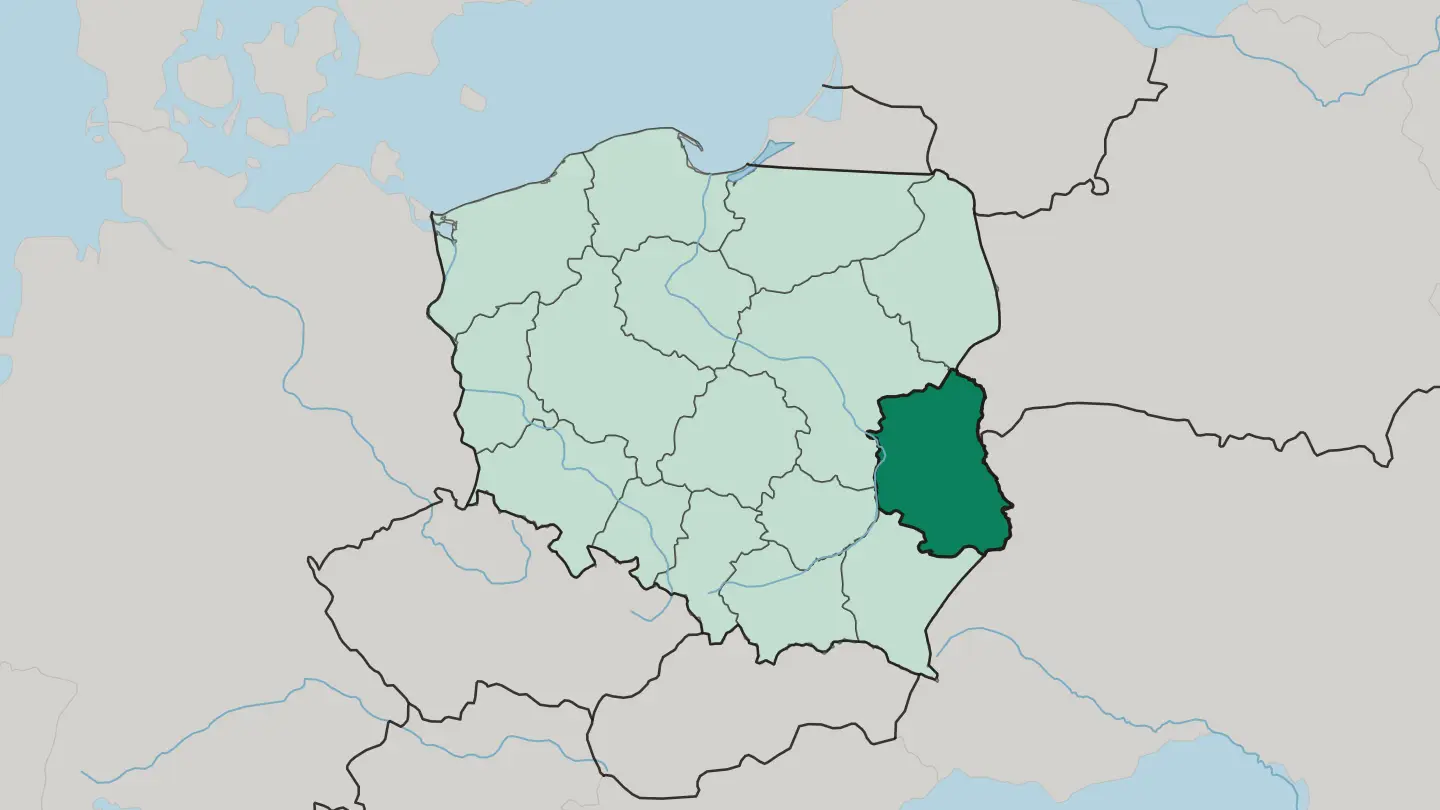
 Poland
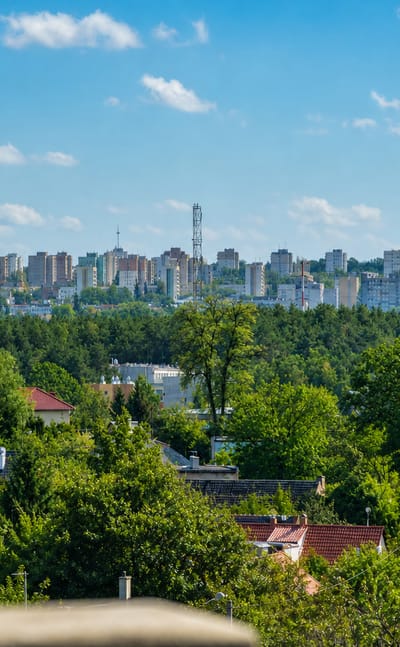
Lubusz Voivodeship
Lubusz Voivodeship is Poland's most forested region, a quiet corner of pine woods, lakes and vineyards on the German border.Towns & cities →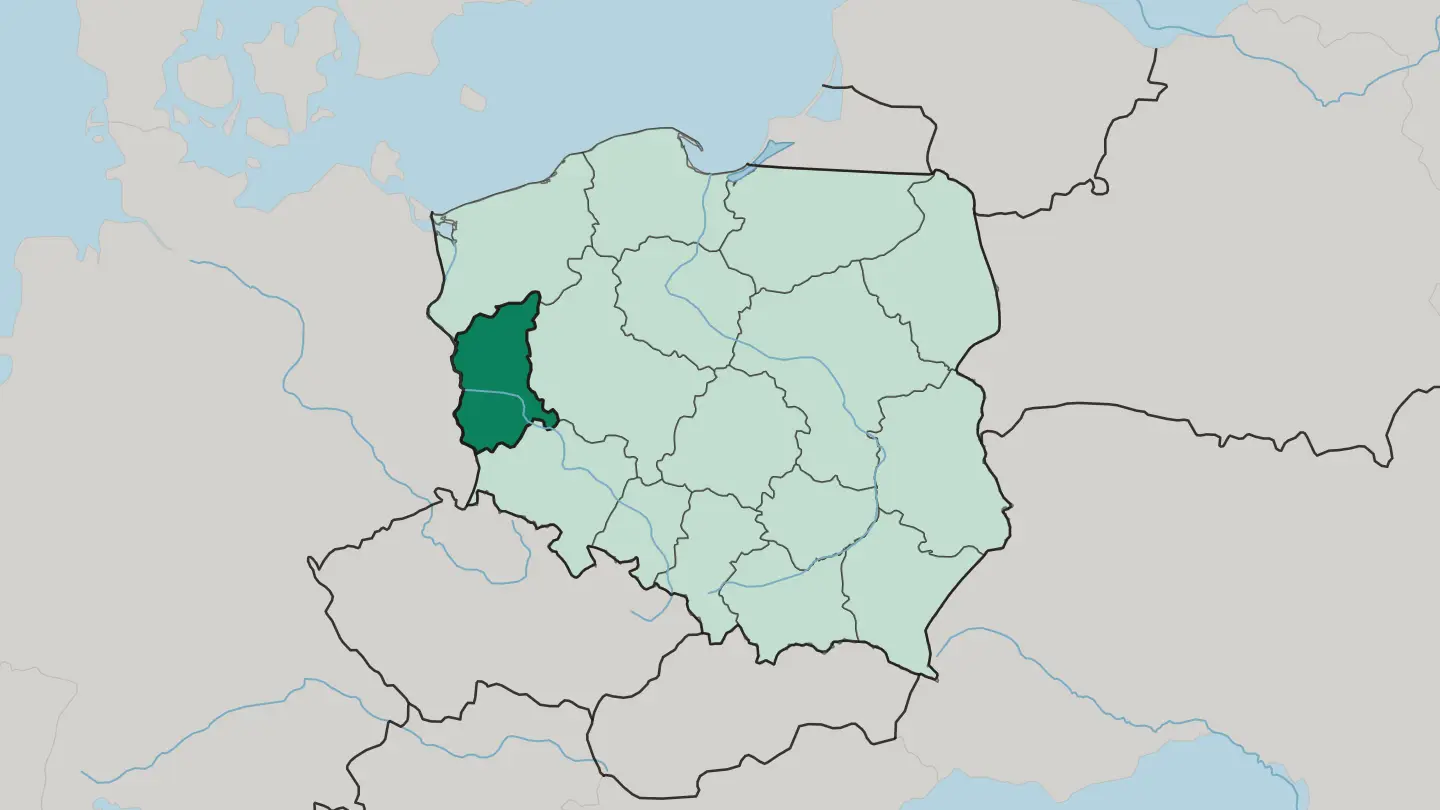 Poland
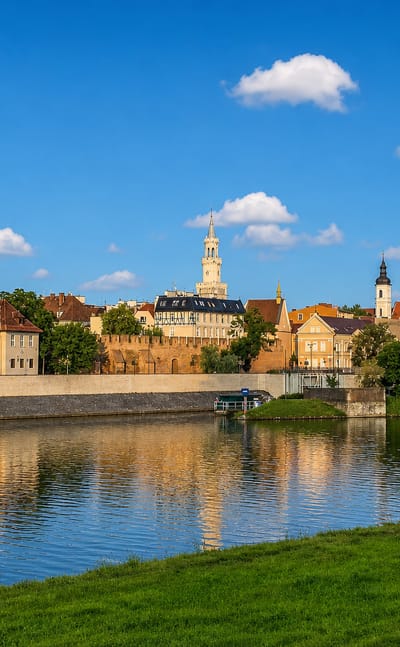
Masovian Voivodeship
Masovian Voivodeship is the province of east-central Poland around Warsaw, the capital of both the region and of Poland.Towns & cities →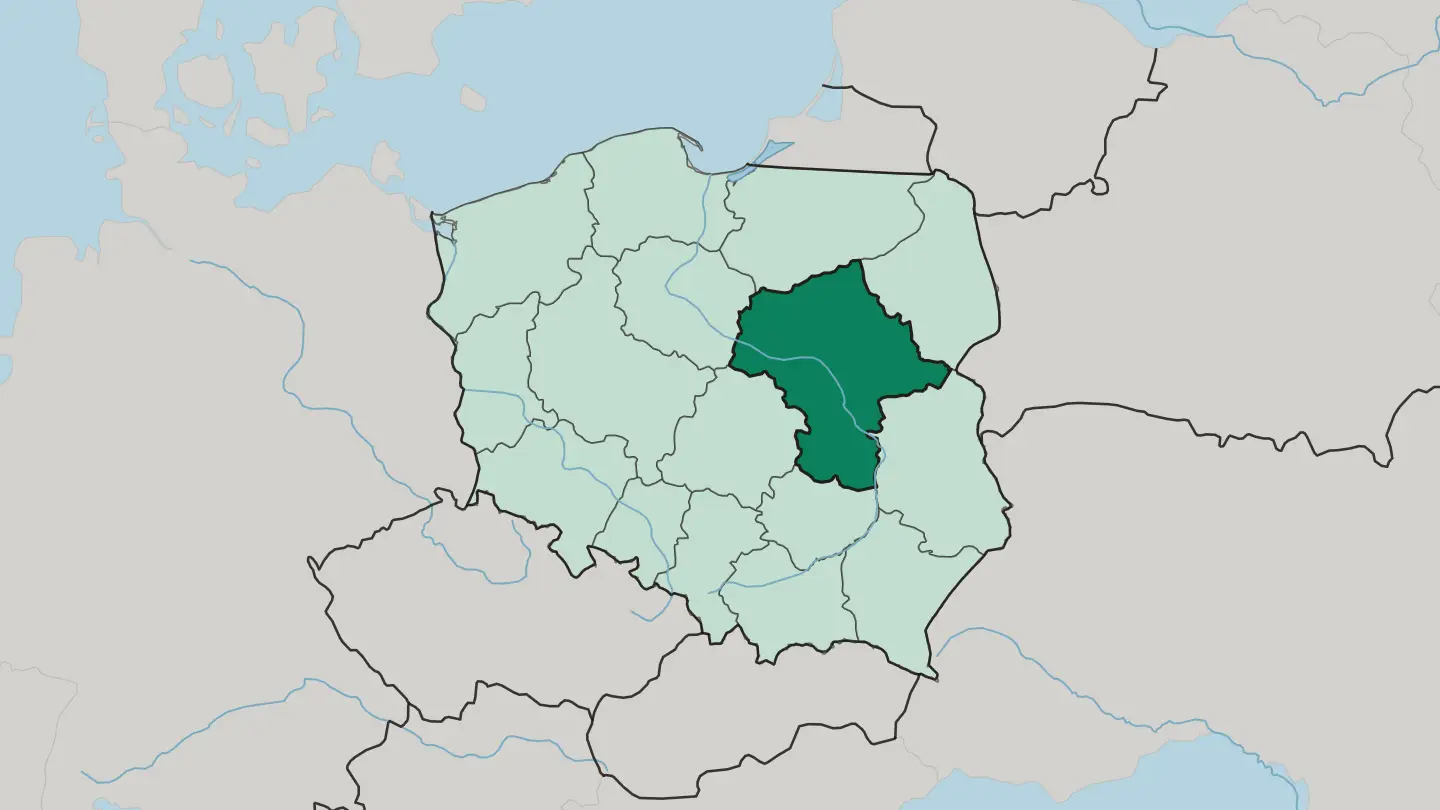
 Poland
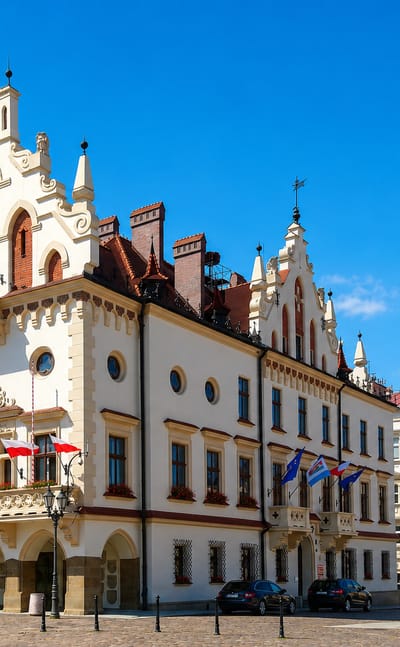
Opole Voivodeship
Opole Voivodeship is Poland's smallest region, a warm Silesian lowland on the Oder where Polish and German heritage overlap.Towns & cities →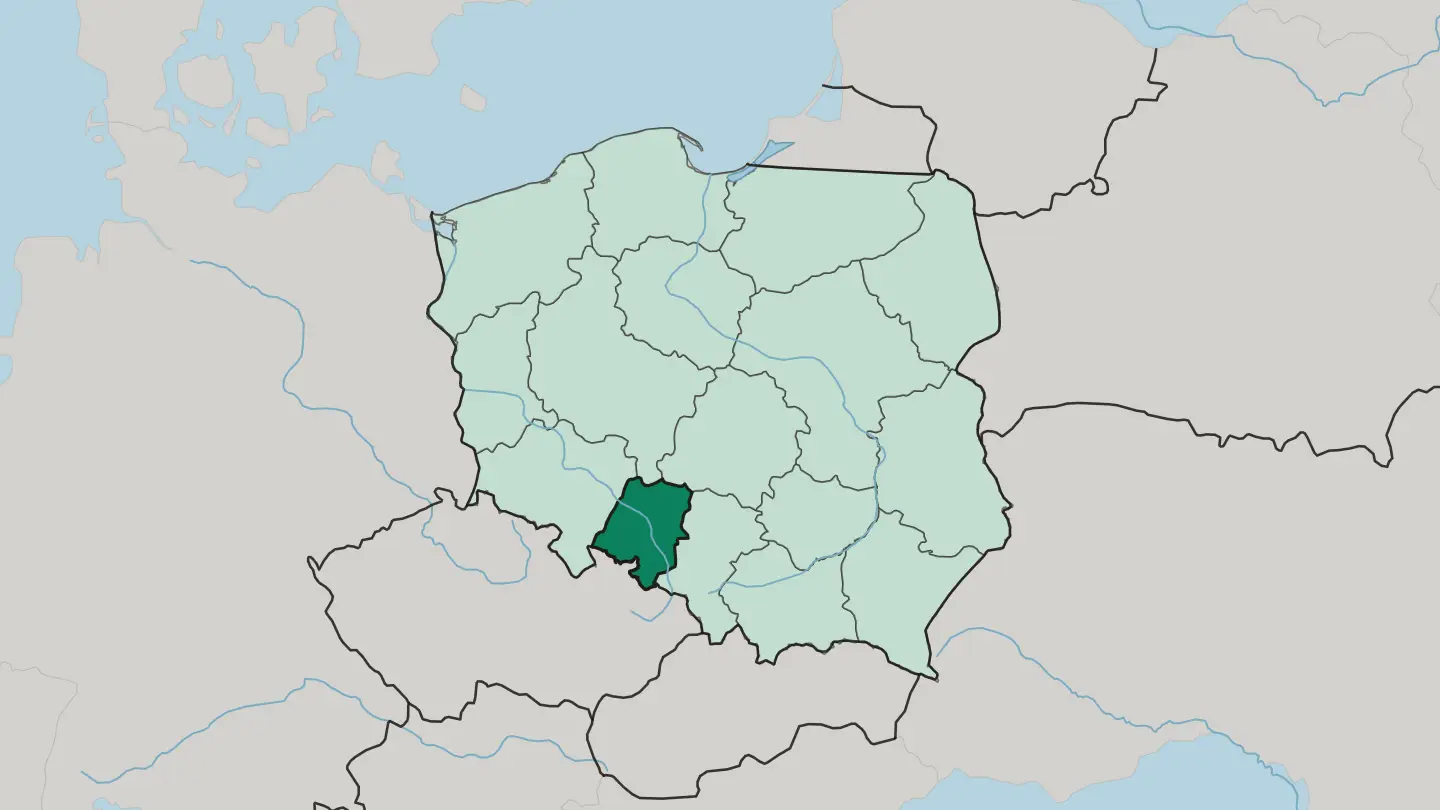
 Poland
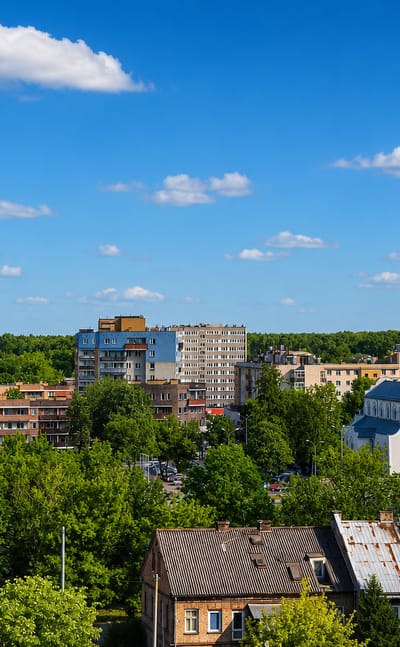
Podkarpackie Voivodeship
Podkarpackie fills Poland's south-eastern corner, where the Carpathians rise toward Ukraine and the wild Bieszczady begin.Towns & cities →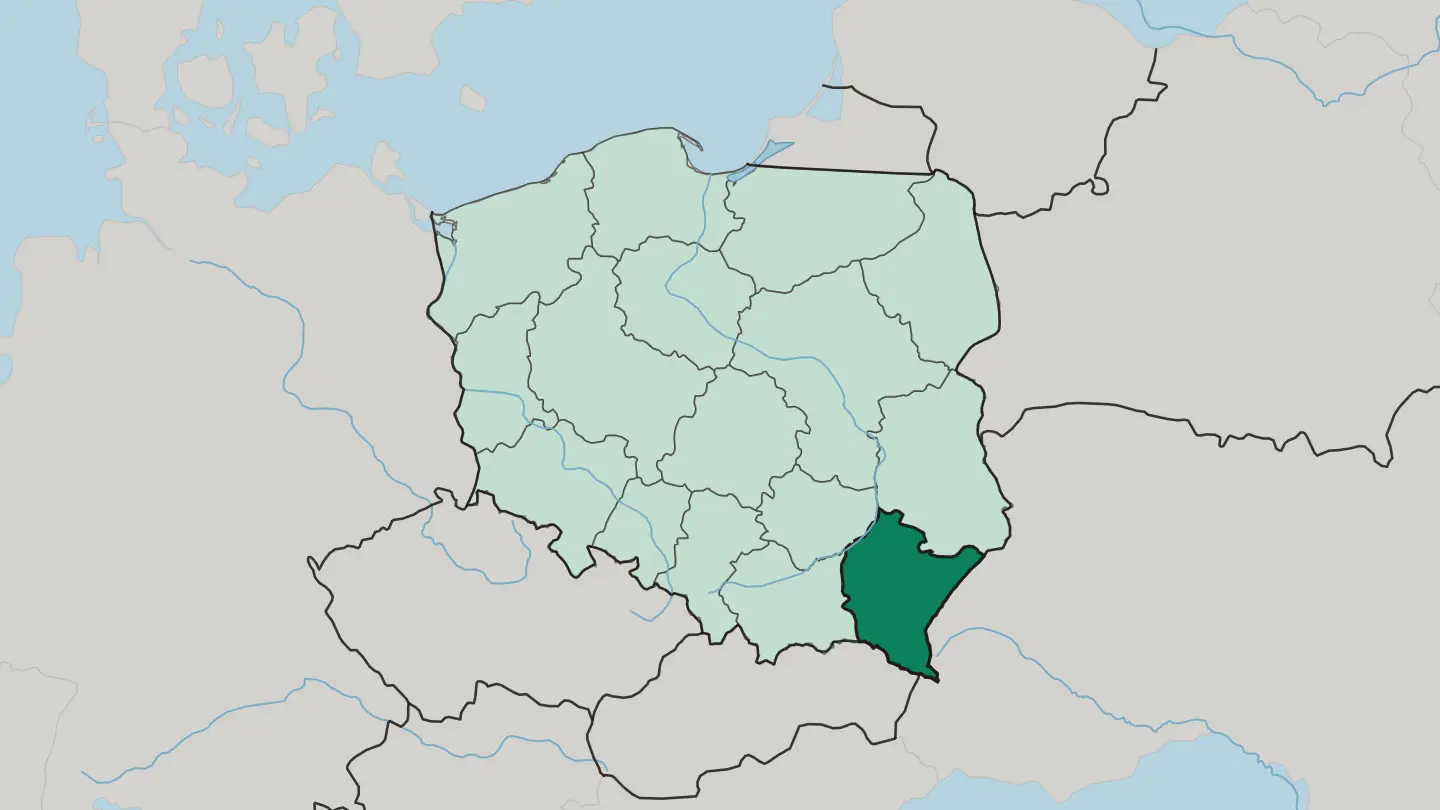
 Poland
Podlaskie Voivodeship
Podlaskie is Poland's wild north-eastern corner, where the Białowieża Forest and its bison meet the borders of Belarus and Lithuania.Towns & cities →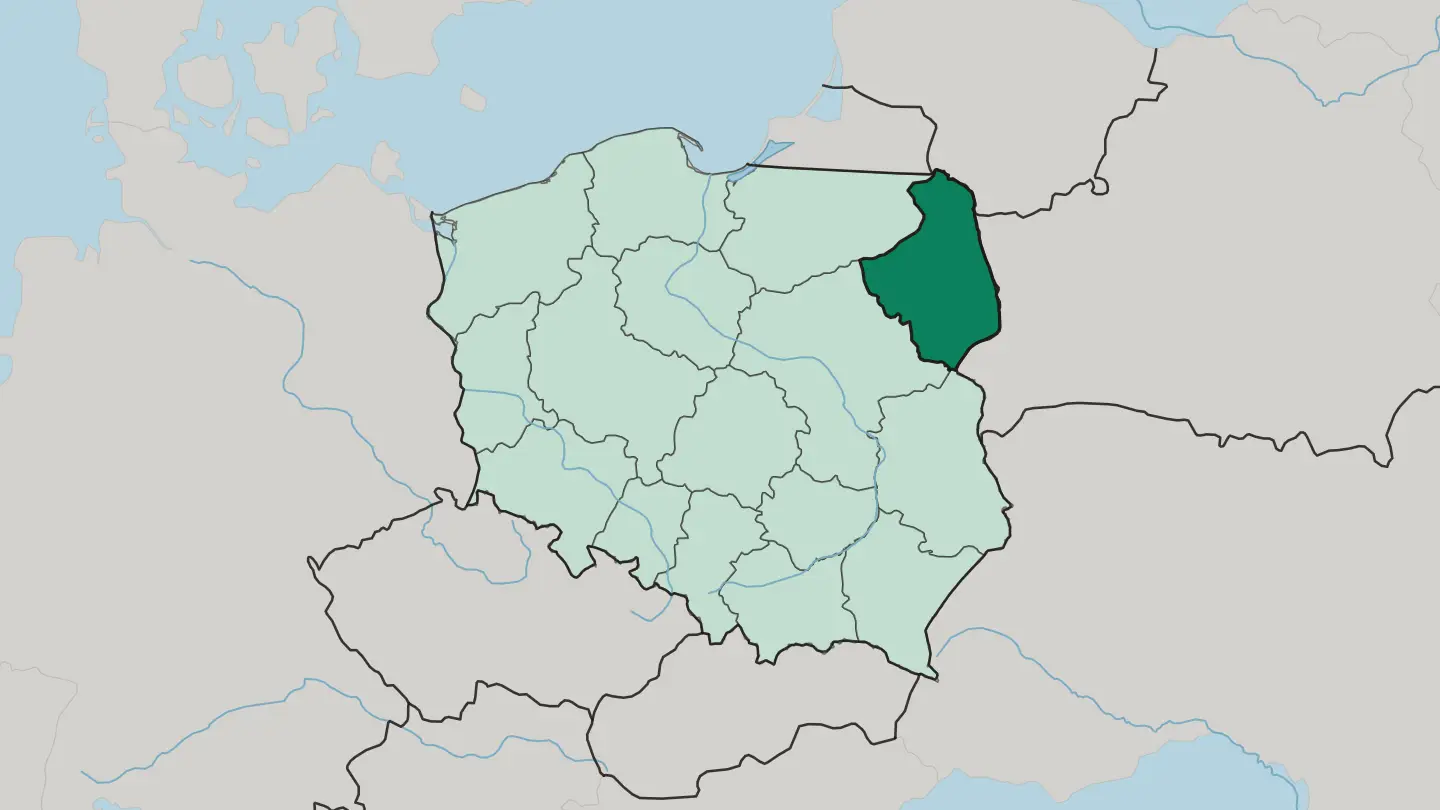 Poland
Pomeranian Voivodeship
Pomeranian Voivodeship is the province of northern Poland on the Baltic Sea, reaching along the coast around its capital, Gdańsk.Towns & cities →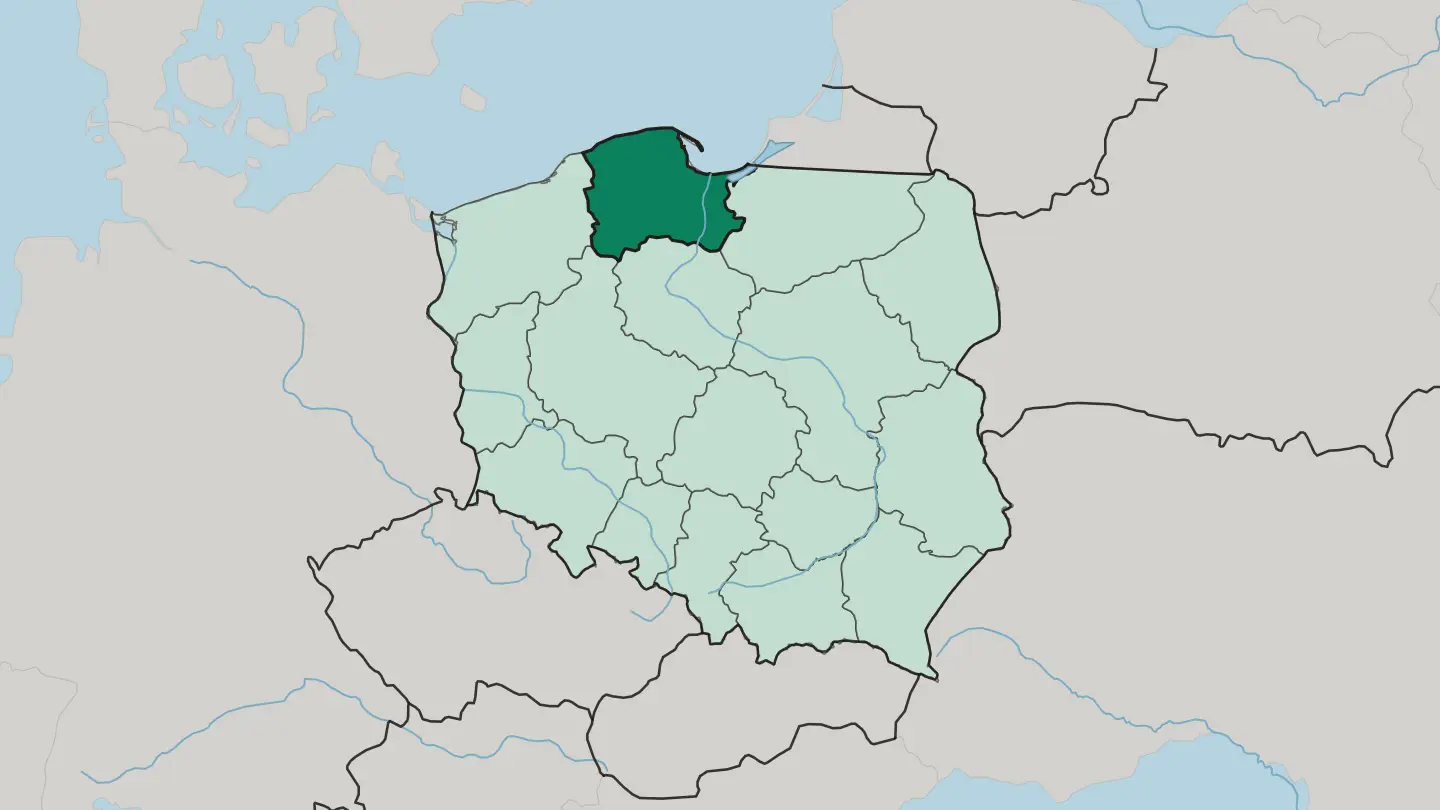 Poland
Silesian Voivodeship
Silesian Voivodeship is Poland's most urban region, a dense belt of coal towns around Katowice edged by the Beskid mountains in the south.Towns & cities →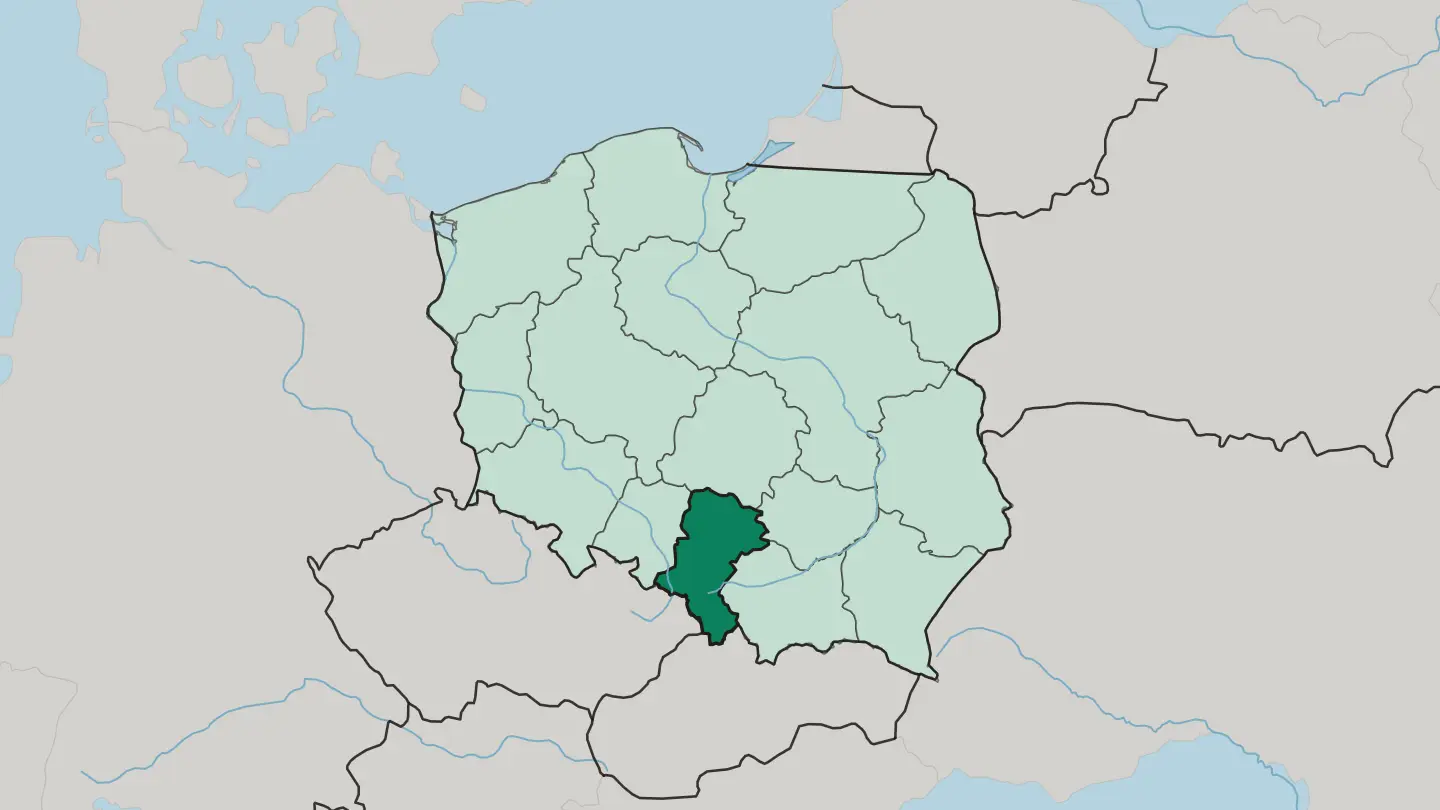
 Poland
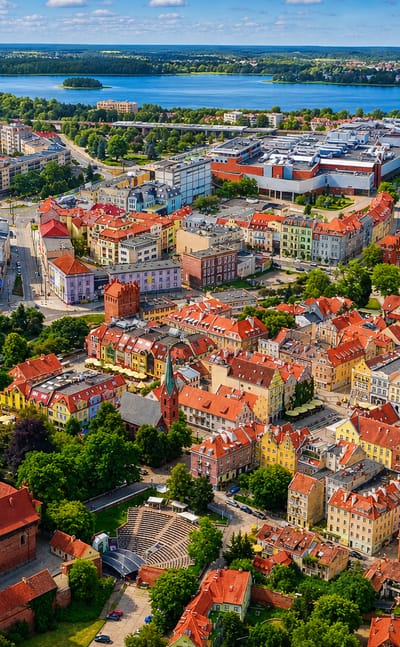
Warmian-Masurian Voivodeship
Warmian-Masurian Voivodeship is Poland's lake country in the northeast, over 2,000 Masurian lakes around the capital Olsztyn.Towns & cities →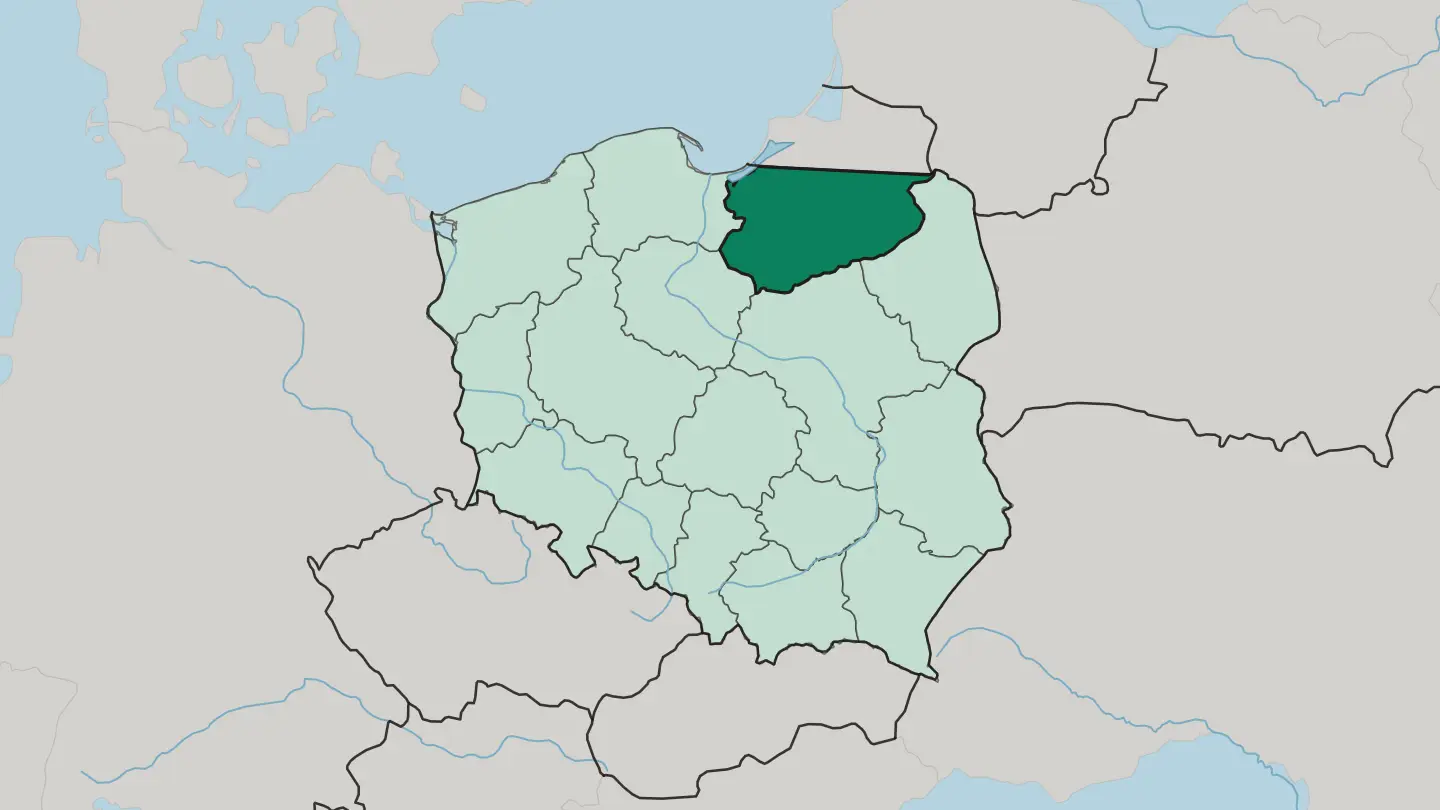 Poland
West Pomeranian Voivodeship
West Pomeranian Voivodeship is Poland's Baltic north-west corner, where the Oder meets the sea at Szczecin.Towns & cities →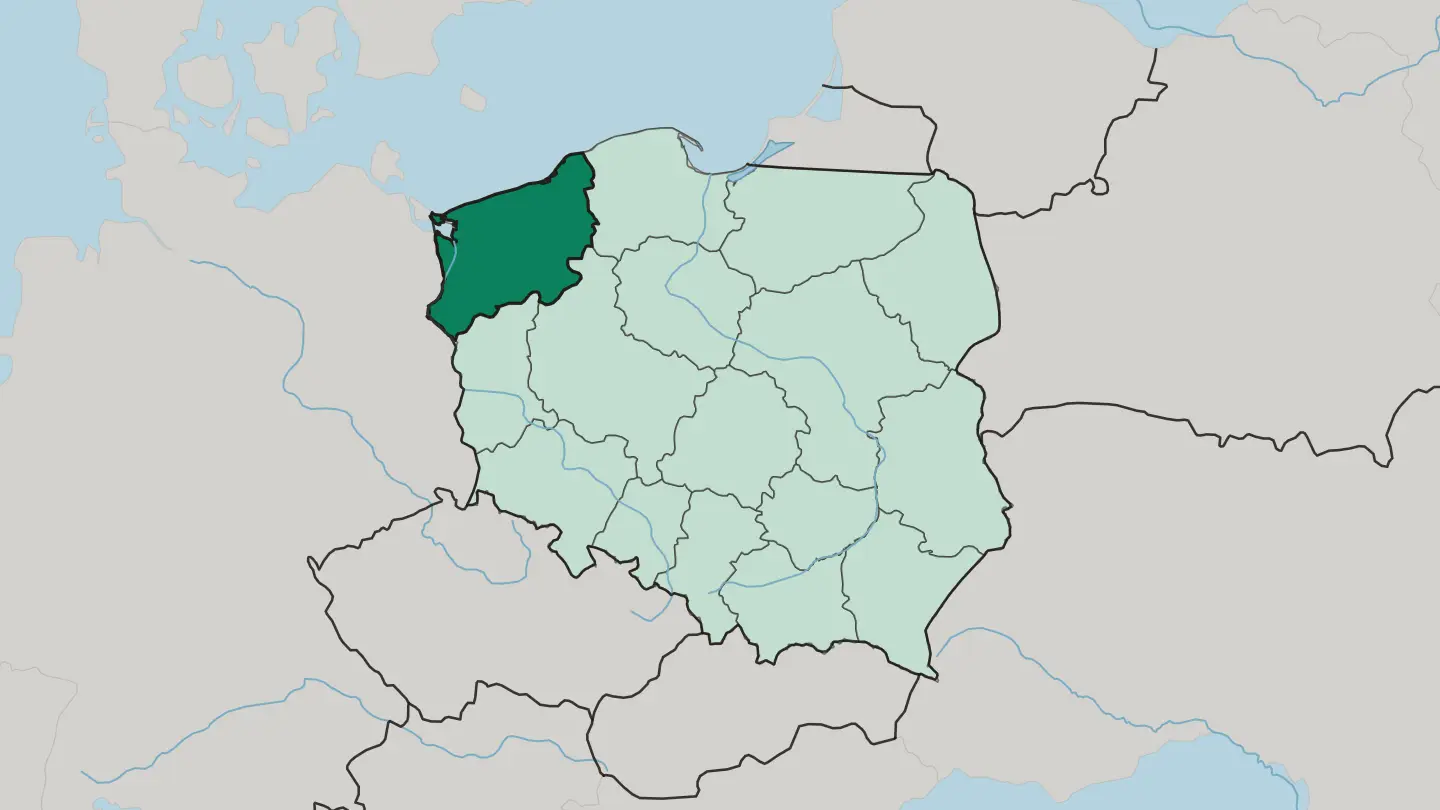 Poland
Łódź Voivodeship
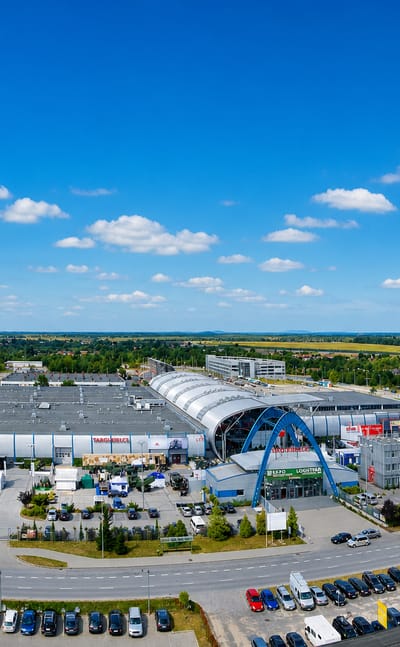
Łódź Voivodeship sits in the flat centre of Poland, built around Łódź, the country's great textile city.Towns & cities →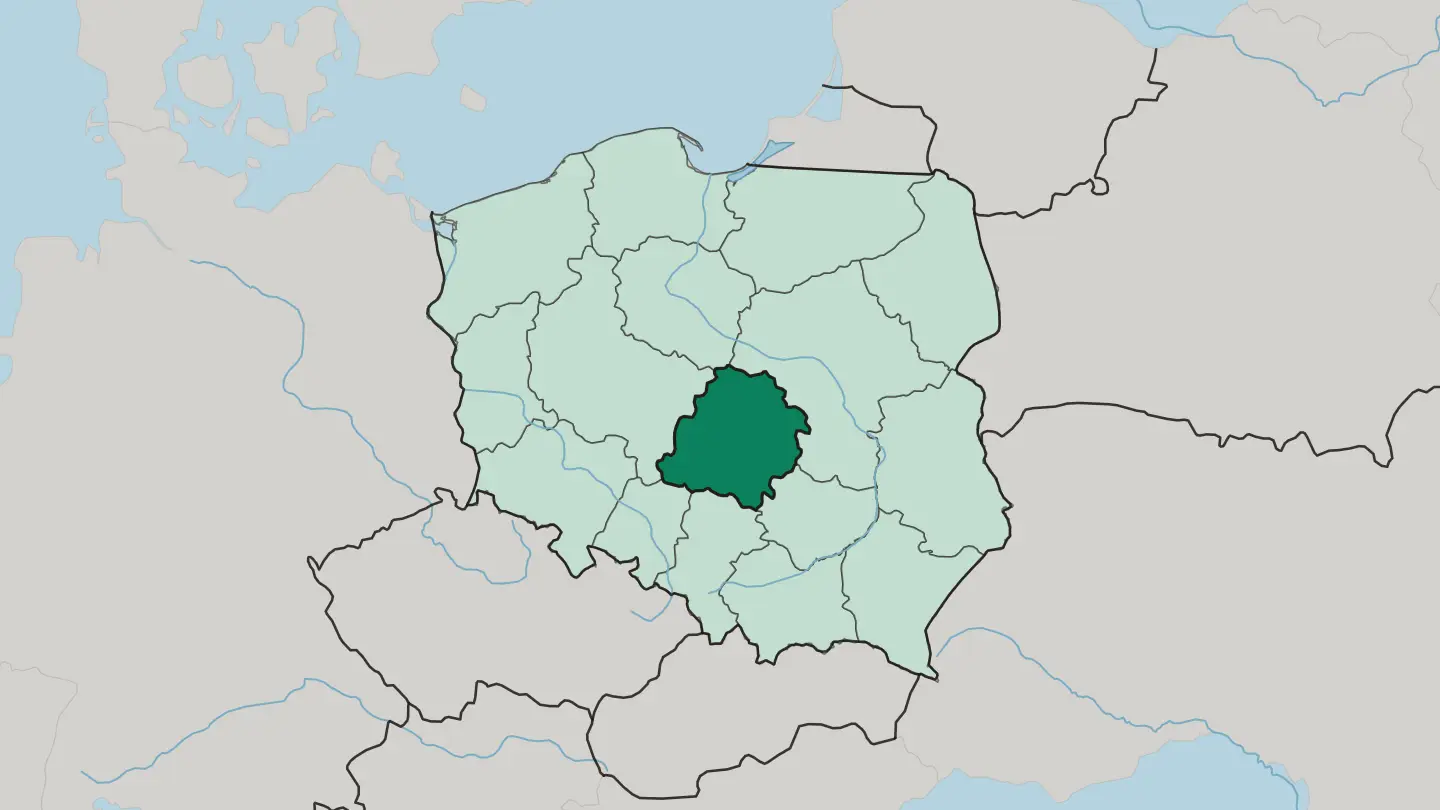
 Poland
Świętokrzyskie Voivodeship
Świętokrzyskie is a province of south-eastern Poland built around Poland's oldest mountains, with Kielce at its heart.Towns & cities →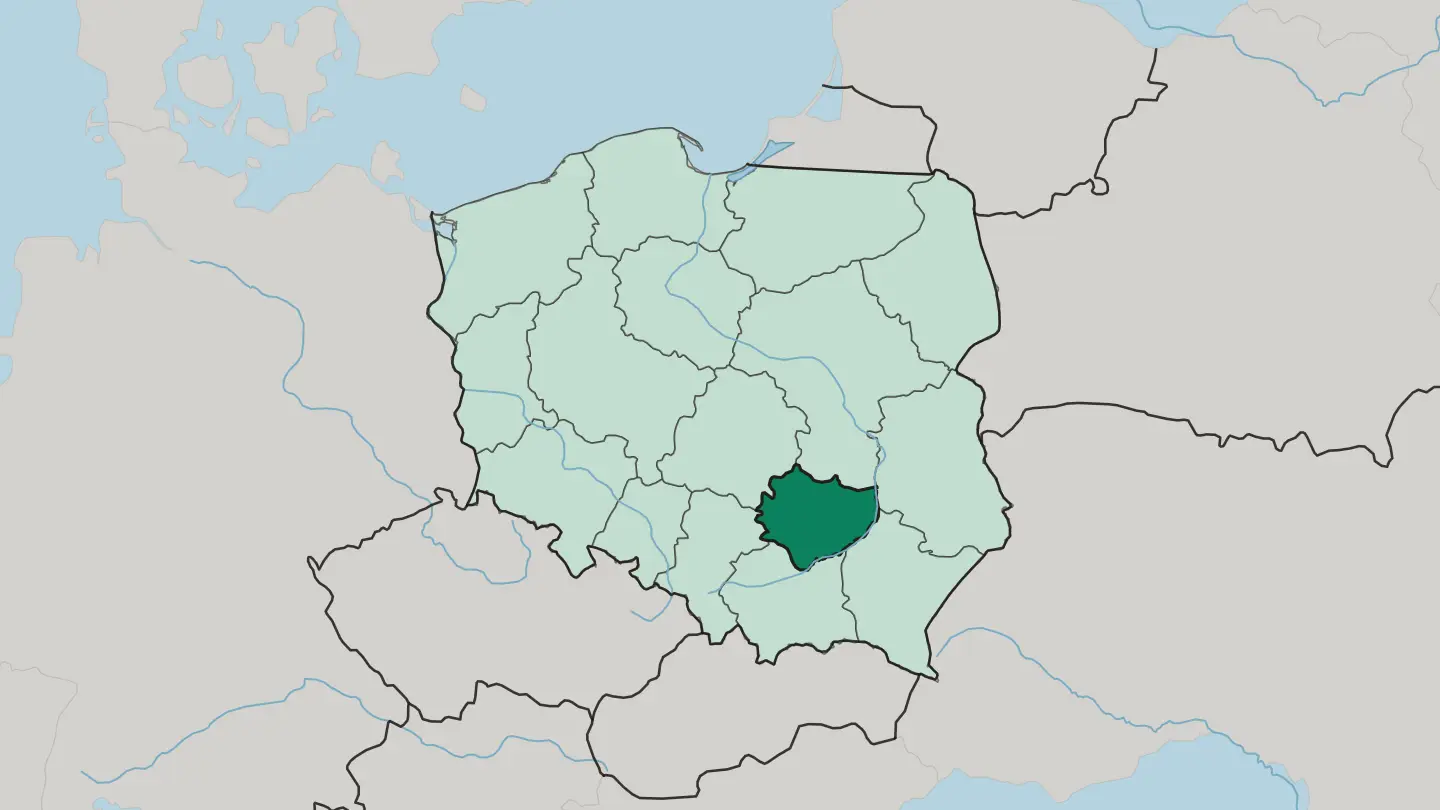
Explore by experience
Not sure which place? Start from how you want to travel.
About Poland
What is Poland known for?
Poland is known as a country in Central Europe, spread between the Baltic Sea and the Carpathian Mountains across sixteen voivodeships. Its cities carry its name. Warsaw stands as the capital, while Kraków, Wrocław, Poznań, and Gdańsk anchor the wider country, each a seat of the long history that runs back a thousand years.
Where is Poland?
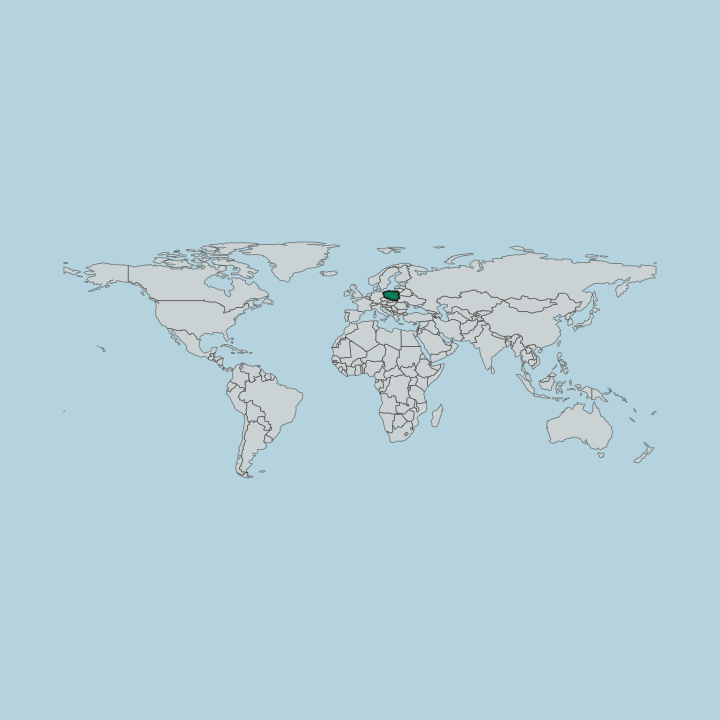
Poland occupies a broad stretch of Central Europe, running from the Baltic Sea in the north to the Sudetes and the Carpathian Mountains along its southern rim. The land tilts toward the sea. Low plains fill the centre and north of the country, sloping down to the Baltic coast where Gdańsk sits, while the ground rises to the Sudetes and the Carpathian Mountains along the southern border.
The relief is uneven. From the ranges in the south the country falls away northward across the plains toward the sea, a broad lowland framed by the mountains of Central Europe and open to the Baltic in the north. Poland shares its borders on every side.
Germany lies to the west, the Czech Republic and Slovakia to the south beyond the mountains, and Ukraine and Belarus to the east. The northeast holds two more. There Poland borders Lithuania and Russia, closing a ring of seven neighbours around the country.
Its shape is roughly square. Across sixteen voivodeships the land reaches from the Baltic Sea and the port of Gdańsk in the north to Kraków and the Carpathian Mountains in the south, binding the whole of Poland between coast and range.
What is the history of Poland?
Poland traces its story back about a thousand years, one of the older nations of Central Europe. Its beginnings run deep. From early roots around the year 1000 the country grew between the Baltic Sea and the Carpathian Mountains, gathering the lands that would become its sixteen voivodeships.
The map did not hold still. Over the centuries the borders of Poland shifted across Central Europe, drawn and redrawn among the neighbours that ring it, from Germany in the west to Lithuania and Russia in the northeast. The cities carried the country through it all.
Kraków, Wrocław, Poznań, and Gdańsk stood as centres of trade and learning across the plains and the coast, while Warsaw rose to hold the seat of the state. Each kept its own weight. Around them the neighbours of Poland, from Germany in the west to Ukraine and Belarus in the east, marked the changing edges of a country long fought over in Central Europe.
The past left its mark everywhere. Through a thousand years between the Baltic Sea and the Carpathian Mountains, Poland kept its language and its name, and the old towns of the country still trace that long history across Central Europe, from the northern coast to the southern ranges.
What is Poland like?
Poland draws its culture from a thousand years of shared life in Central Europe, held together by the Polish language spoken across the country. The tongue binds it. From the Baltic Sea in the north to the Carpathian Mountains in the south, Polish carries the songs, faith, and custom of the country, one identity spread over sixteen voivodeships.
The cities give it shape. Warsaw, Kraków, Wrocław, Poznań, and Gdańsk each keep their own theatres, churches, and squares, the living centres of a culture rooted in the towns. That culture runs deep in the old cities.
Kraków carries the weight of the country's art and learning, while Gdańsk looks out to the Baltic Sea and the wider world beyond the coast. The coast and the mountains differ. A town on the Baltic Sea keeps a different air from one below the Carpathian Mountains, yet the Polish language ties them into a single country.
The traditions hold fast. Across Poland the calendar turns on faith and festival, and the food, music, and craft of the country vary from the northern coast to the southern mountains, yet all of it answers to the same Polish name across Central Europe.
What is the climate of Poland?
Poland lies in the temperate band of Central Europe, its weather set between the Baltic Sea in the north and the Carpathian Mountains in the south. The seasons turn in full. Warm summers cross the plains, cold and snowy winters settle over the country, and the mountains in the south hold the snow longest, while the Baltic coast in the north stays milder through the year.
How do you get to Poland?
Poland is reached from every side of Central Europe, by air into its cities and overland across its borders. The neighbours open the doors. Roads and rail cross in from Germany, the Czech Republic, Slovakia, and beyond, while ferries reach the Baltic coast at Gdańsk, linking the country to the wider region around it.
Good for
Updated September 2026