Poland · Silesian Voivodeship · Sosnowiec
Zagórze, Sosnowiec — Area Guide & Where to Stay
Zagórze is the largest and northernmost district of Sosnowiec, recorded from 1228 and remade by Huta Katowice. The Mieroszewski Manor survives.
Hotel links are affiliate links: booking through them may earn us a commission, at no extra cost to you. It never affects how places are ranked. How this works


Where to stay in Zagórze
How the choice of base plays out on the ground.
Sosnowiec keeps the hotels. Zagórze is residential ground, laid out around Mieroszewskich Park and the housing that arrived with Huta Katowice, so a stay here means a quiet street and a ride in rather than a lobby downstairs. That suits you if the Mieroszewski Manor is the point of the trip.
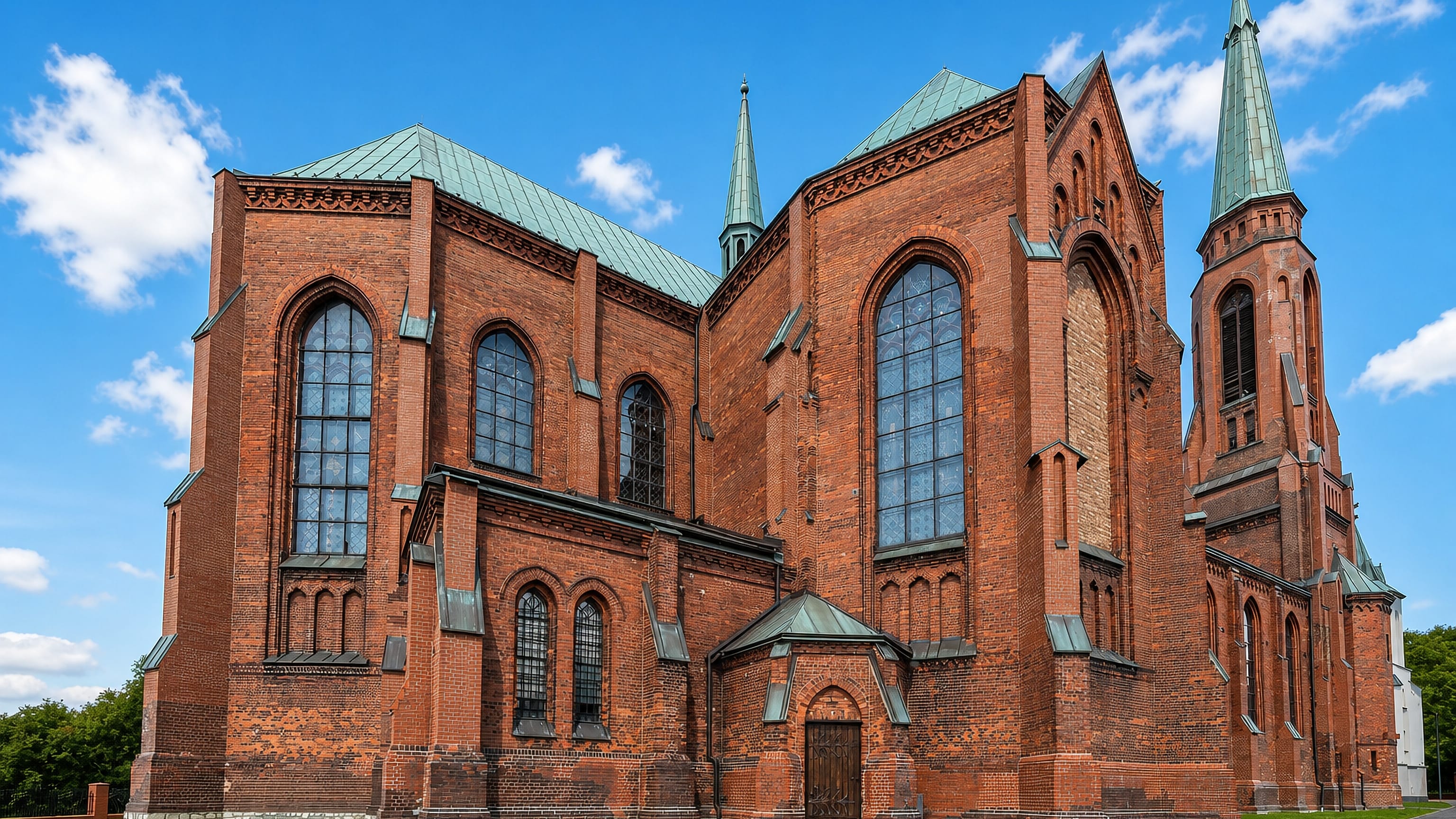
The Church of Saint Joachim and the Grodzisko site are listed in the same district, which puts three protected sites inside one set of streets.
Find hotels in Zagórze
Direct booking searches for these neighbourhoods.
Zagórze
Beds are thin here, but the manor, Mieroszewskich Park and the Grodzisko site all sit inside these streets. Rooms are few around here — worth securing early.Find hotels in Zagórzearrivals who want a hotel front desk within reach of Huta KatowiceSosnowiec centre
The city centre carries the hotel stock, with Zagórze and the Church of Saint Joachim a short ride to the north.Find hotels in Sosnowiec centreHotel links are affiliate links: booking through them may earn us a commission, at no extra cost to you. It never affects how places are ranked. How this works
About Zagórze
What are the main landmarks in Zagórze?
The Mieroszewski Manor is the set piece, a manor house in Sosnowiec that gave its family's name to the park beside it. Green space follows. Mieroszewskich Park spreads through Zagórze beside the manor, and the Church of Saint Joachim stands on the same side of Sosnowiec.
Smaller entries fill out the register: the archaeological site at Grodzisko, and a listed fence on Jerzego Popiełuszki street.
What is the history of Zagórze?
The record starts in 1228, when Zagórze first appears by name, though the archaeological site known as Grodzisko points to settlement on this ground well before any charter was written. The Mieroszewski family left the clearest mark. Their manor still stands in Sosnowiec, and the park that carries their name was laid out beside it.
Then came Huta Katowice. The steelworks pulled new housing and new roads across land that had been farmed, and the village outline that had survived from the medieval record was largely overwritten.
Where is Zagórze?
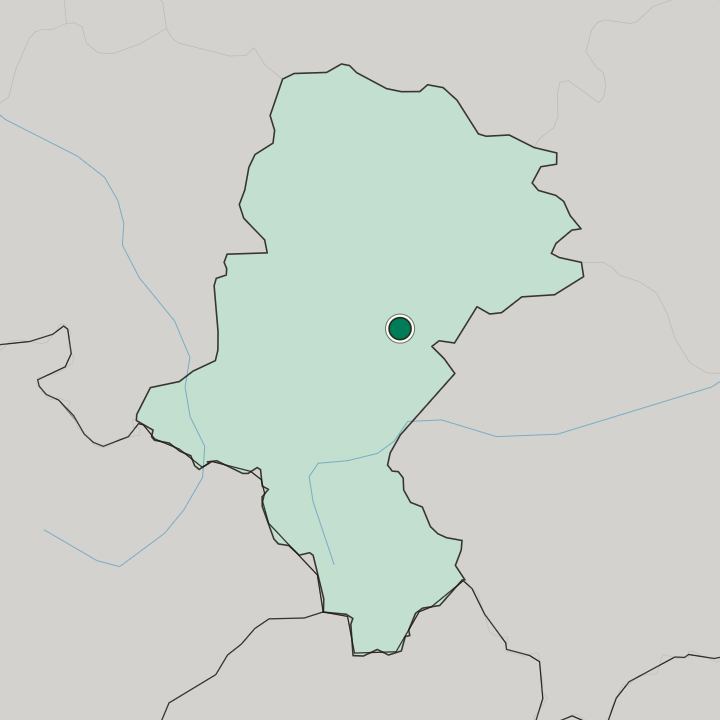
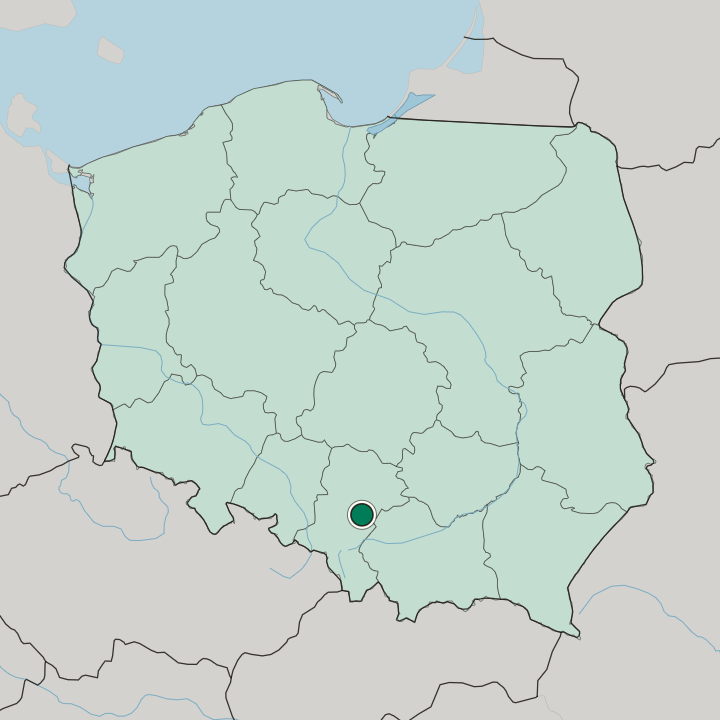
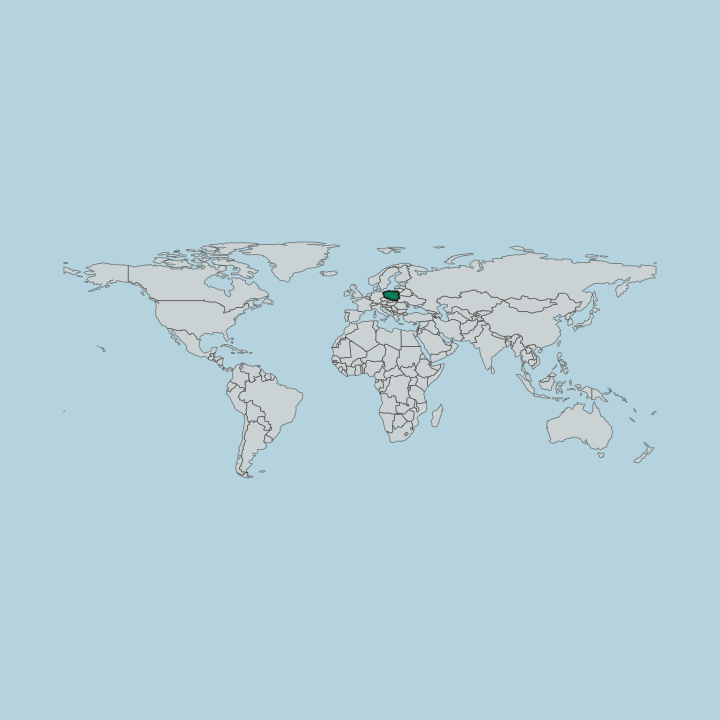
Sosnowiec ends here. Zagórze is the northernmost of the city's districts, its ground reworked when Huta Katowice went up, with Mieroszewskich Park green at its centre.
Common questions
What is the best area to stay in Zagórze?
Zagórze: trips built around the Mieroszewski Manor and its park. Sosnowiec centre: arrivals who want a hotel front desk within reach of Huta Katowice.
Good for
Updated October 2026