Poland
Silesian Voivodeship, Poland — Towns & Travel Guide
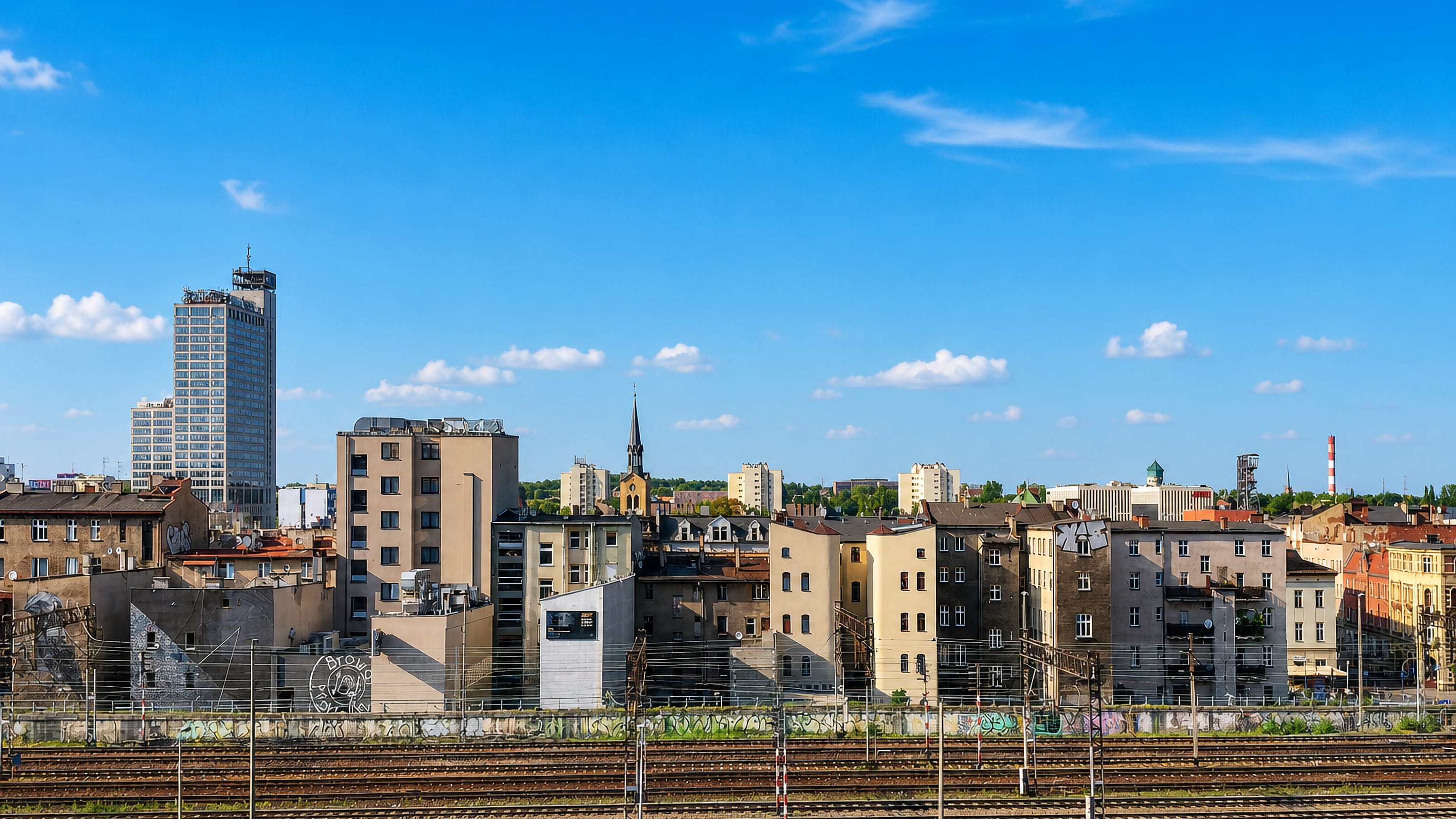
Silesian Voivodeship is Poland's most urban region, a dense belt of coal towns around Katowice edged by the Beskid mountains in the south.
Hotel links are affiliate links: booking through them may earn us a commission, at no extra cost to you. It never affects how places are ranked. How this works


Towns & cities in Silesian Voivodeship
Pick a town or city — each links to where to stay.
 Poland
Katowice
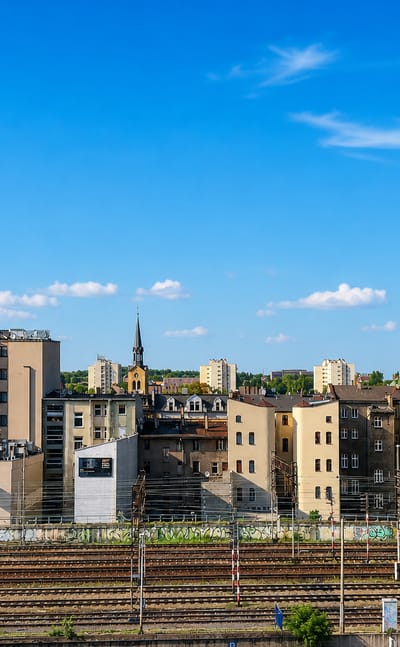
The Spodek arena curves over Katowice, capital of the Silesian Voivodeship in southern Poland, an industrial city at the heart of Upper Silesia.Where to stay →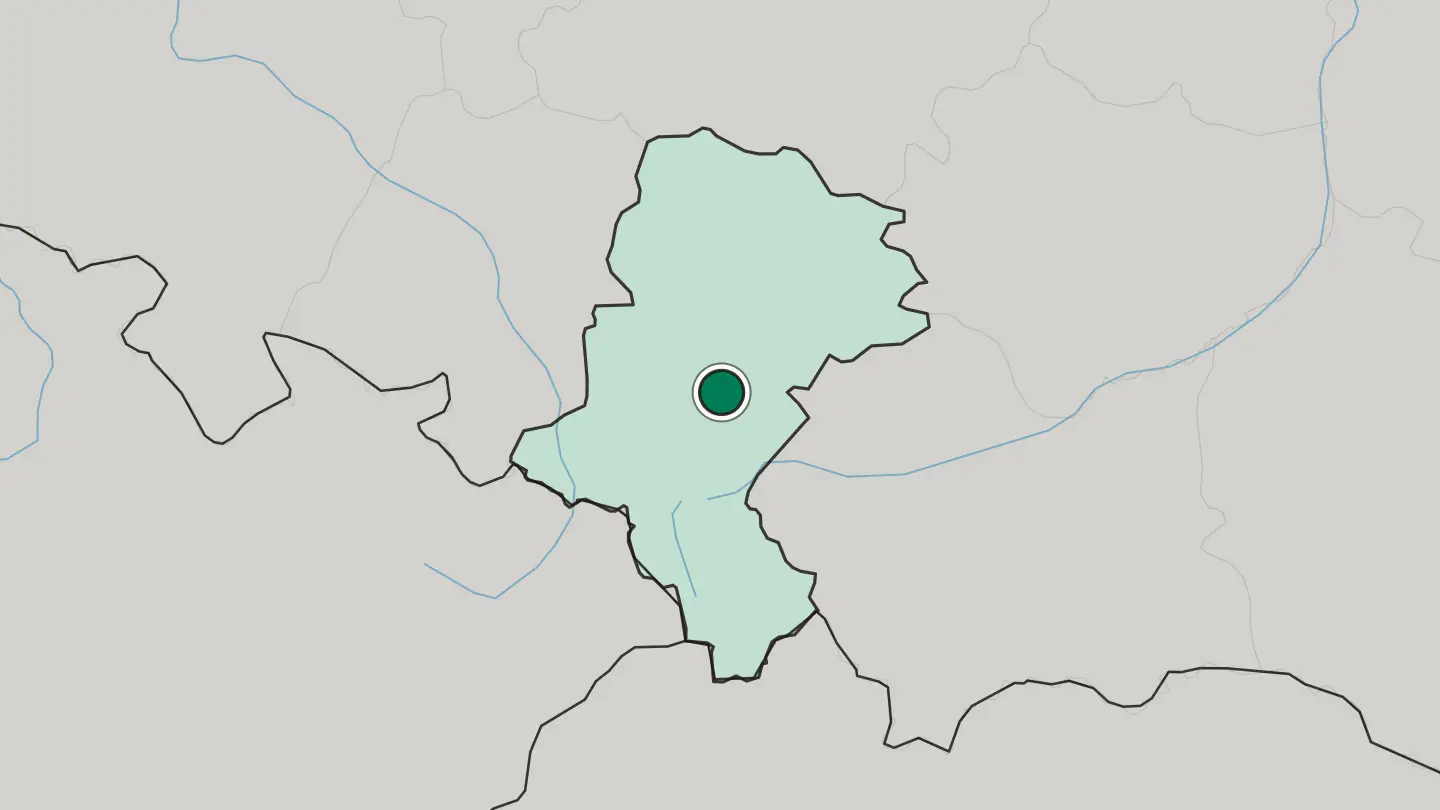
 Poland
Częstochowa
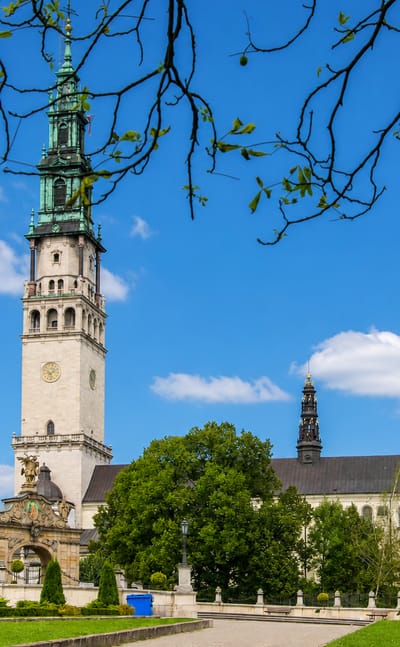
Pilgrims climb to Jasna Góra above Częstochowa in southern Poland, a city on the Warta known for the Black Madonna and the limestone Jura.Where to stay →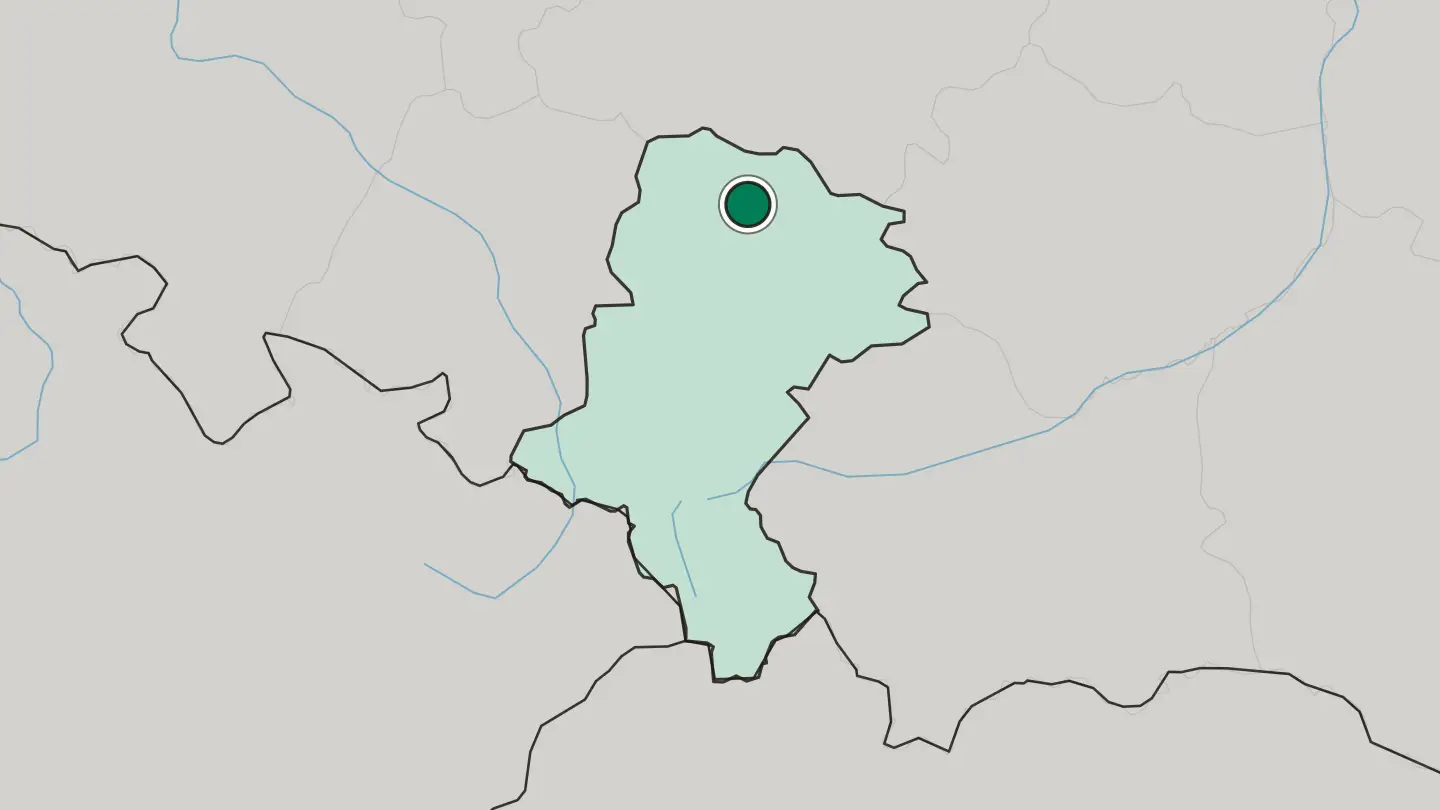
 Poland
Sosnowiec
Sosnowiec took city rights in 1902 and holds the palaces of the Dąbrowa Basin: Sielecki Castle, the Dietel Palace and the Pałac Kultury Zagłębia.Where to stay →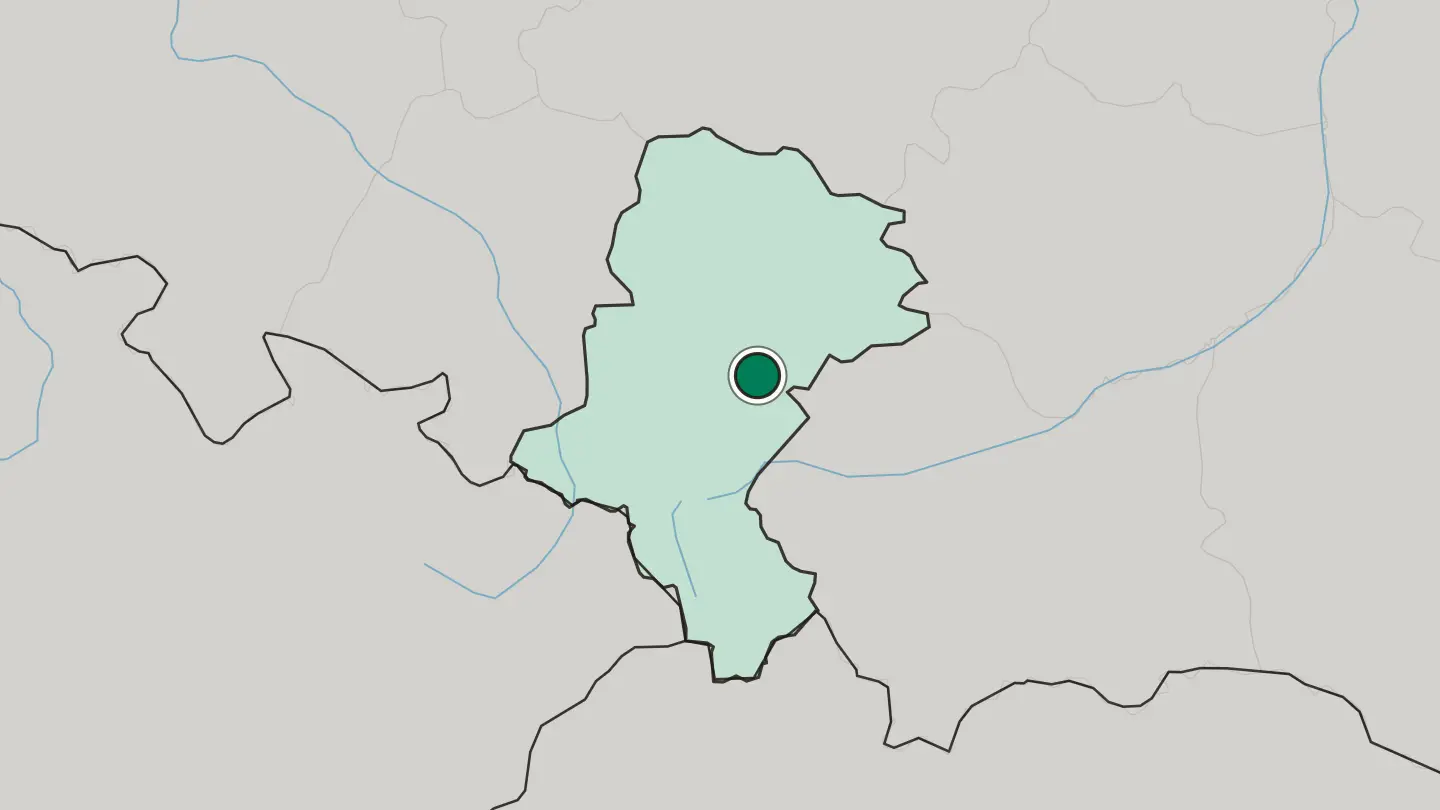
 Poland
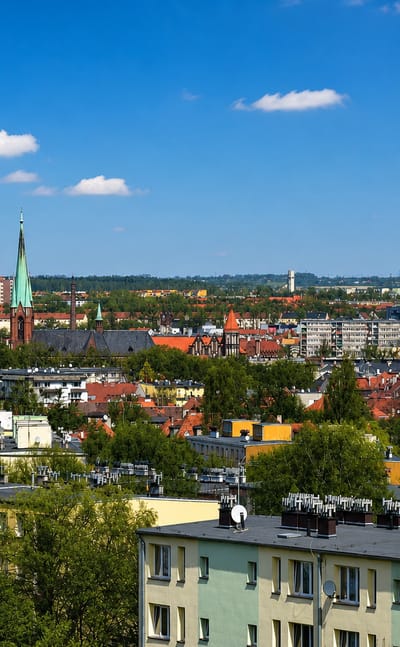
Gliwice
The Gliwice Radio Tower stands over Gliwice in southern Poland, an Upper Silesian city on the Kłodnica with a restored old town and a market square.Where to stay →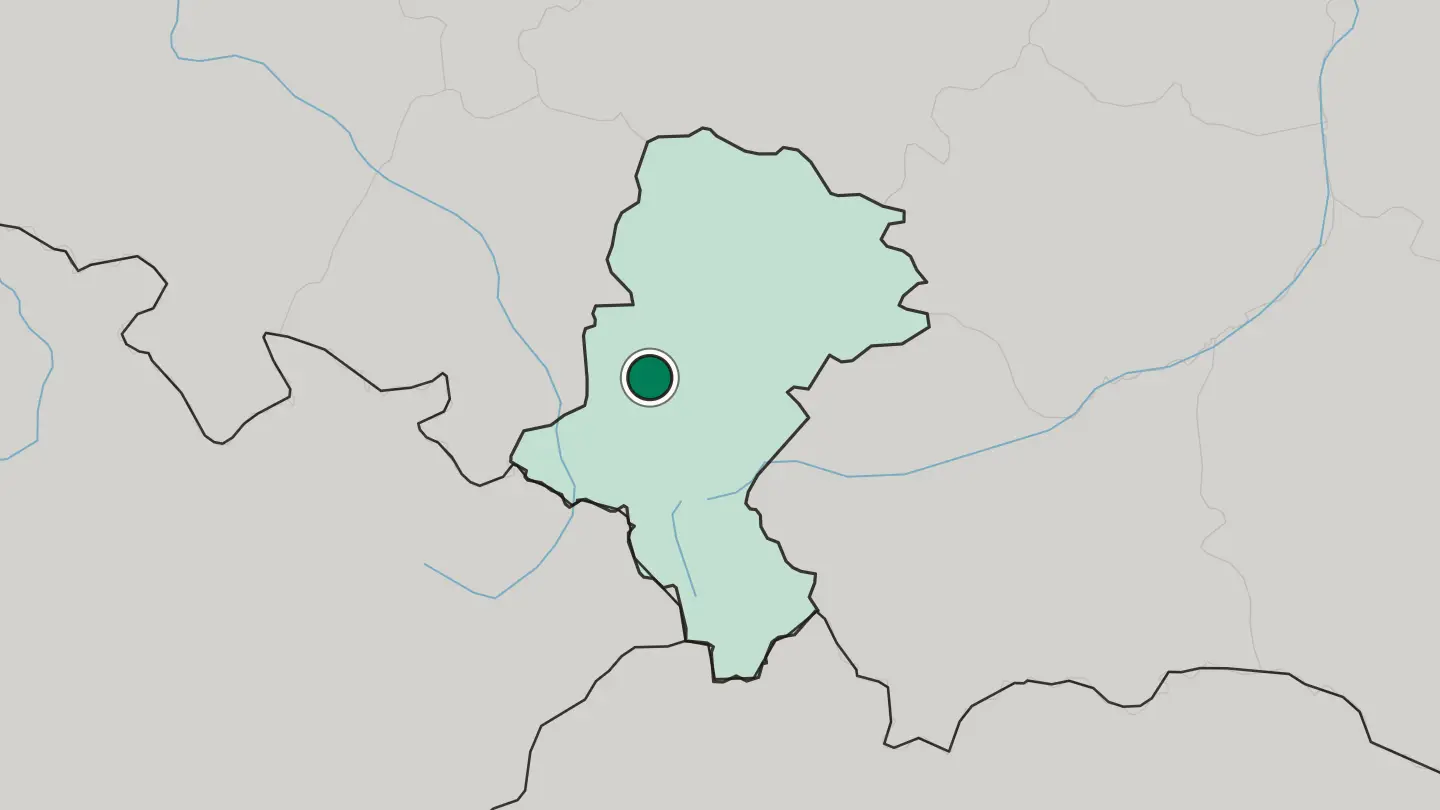
 Poland
Zabrze
Zabrze dates from 1201, an industrial city of the Silesian Highlands where the Guido Mine and Coal Mining Museum goes underground.Where to stay →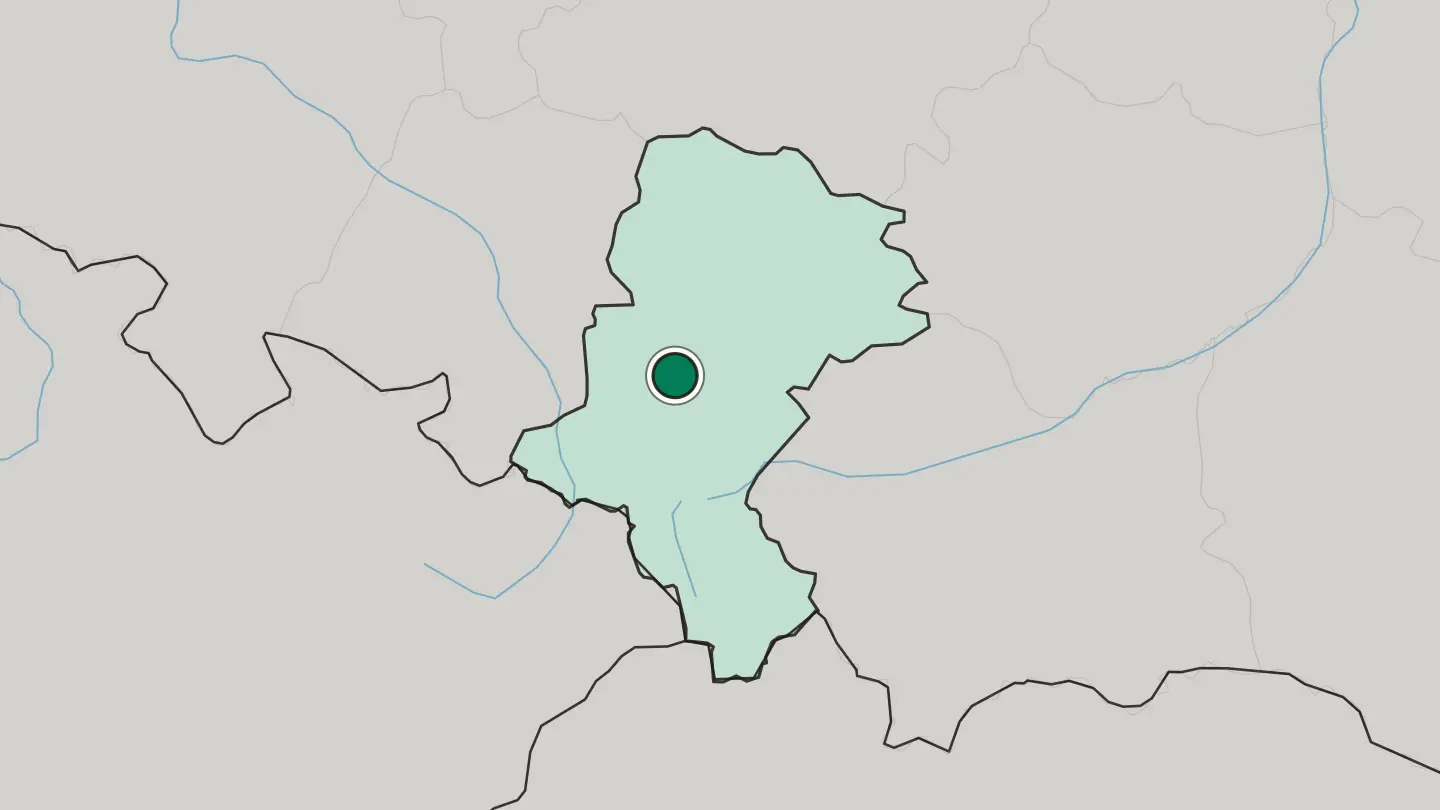
 Poland
Bytom
Bytom is an industrial city of Upper Silesia, chartered in 1200 and long since absorbed into the Silesian Metropolis around Katowice.Where to stay →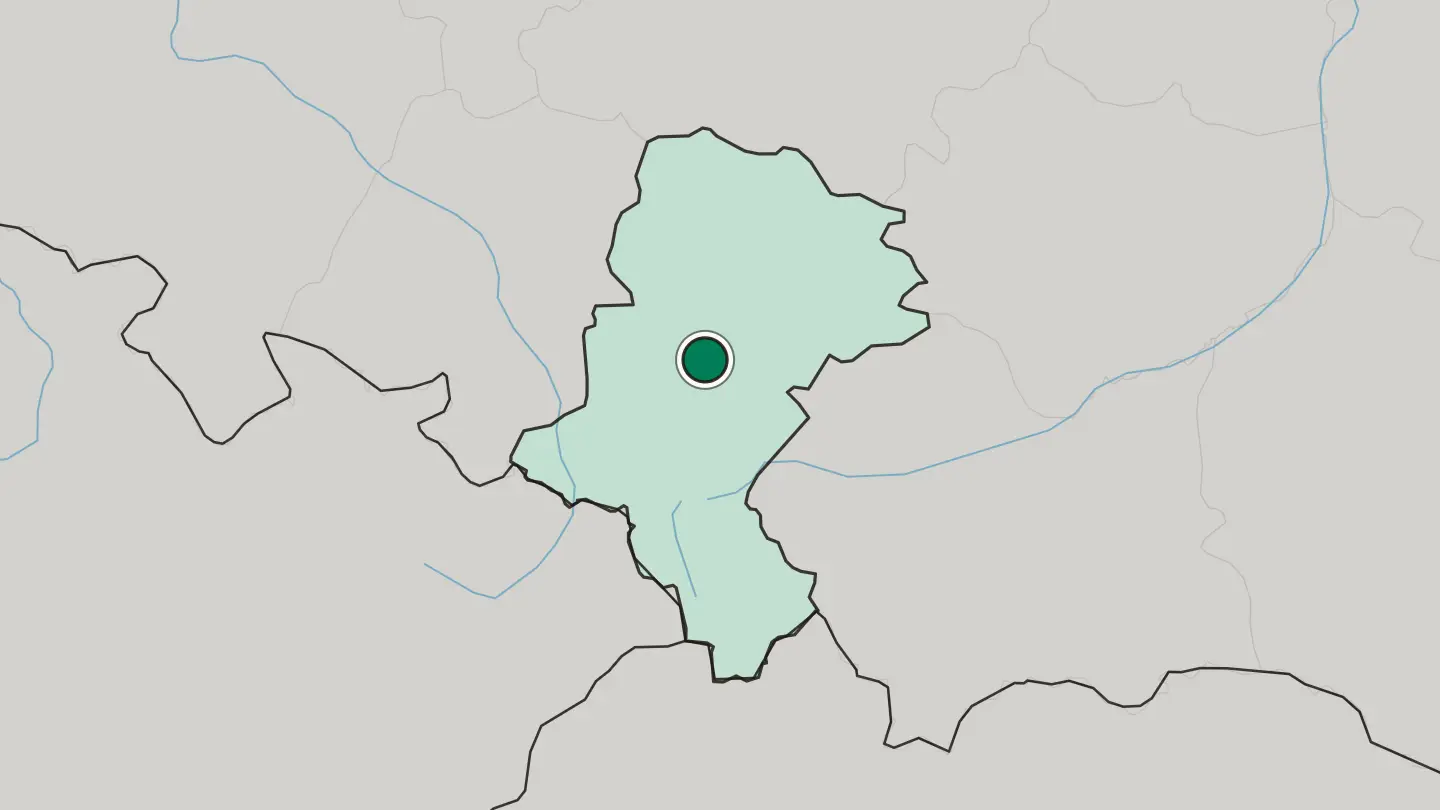
 Poland
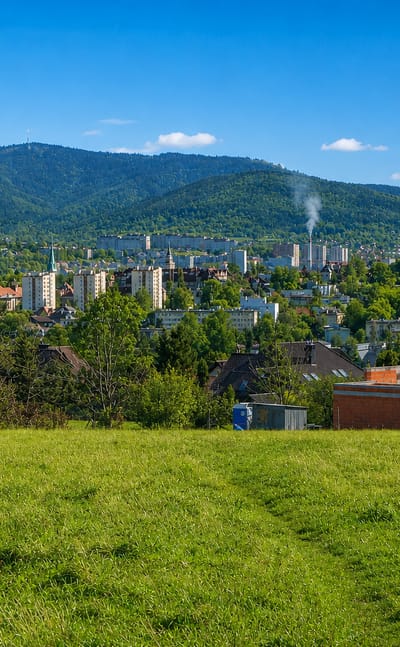
Bielsko-Biala
Bielsko-Biała rises at the foot of the Beskidy mountains in southern Poland, a twin town on the Biała with its castle and old weavers' streets.Where to stay →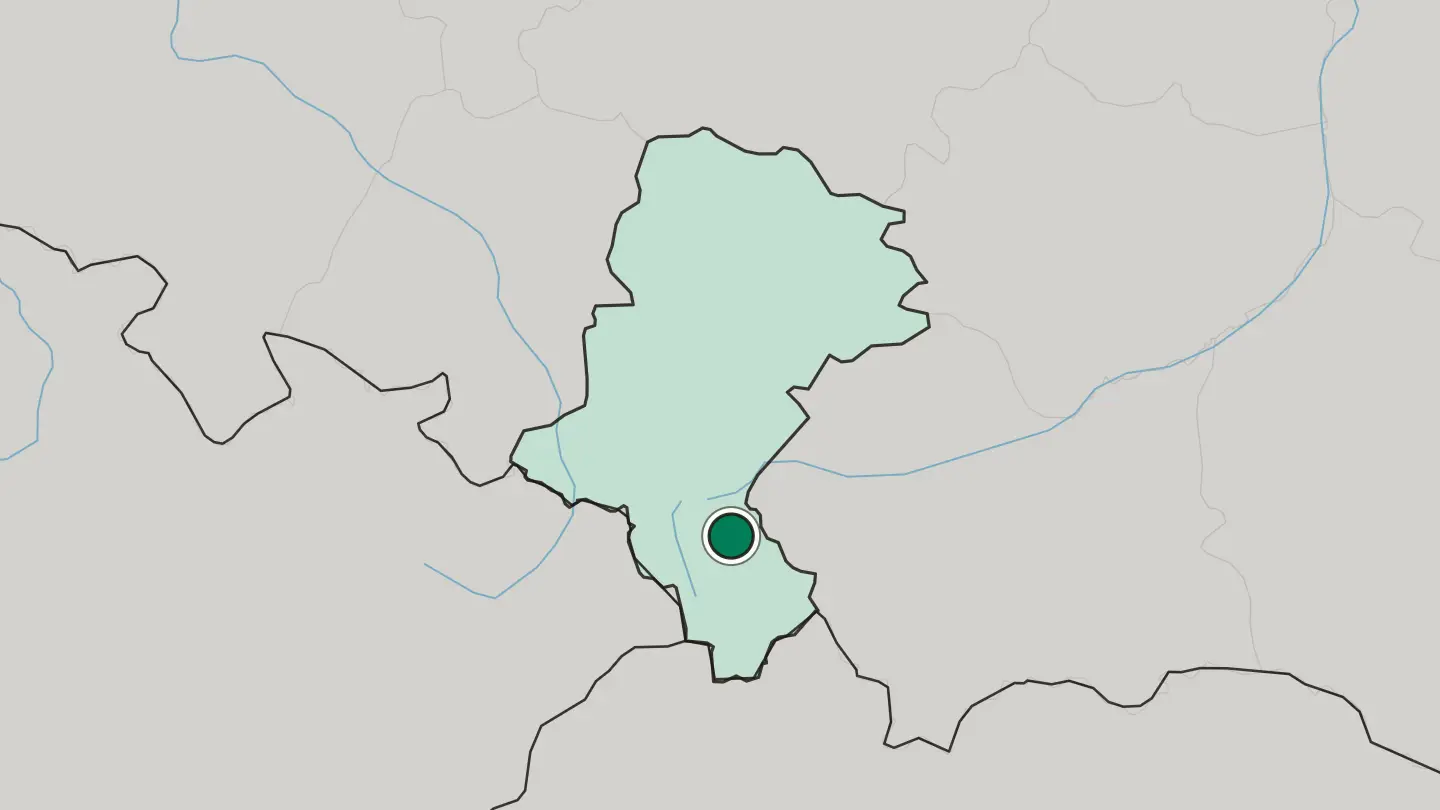
 Poland
Ruda Śląska
Ruda Śląska is an industrial city of the Silesian Voivodeship, constituted in 1959, holding Kolonia Ficinus, the Muzeum PRL-u and the Aquadrom.Where to stay →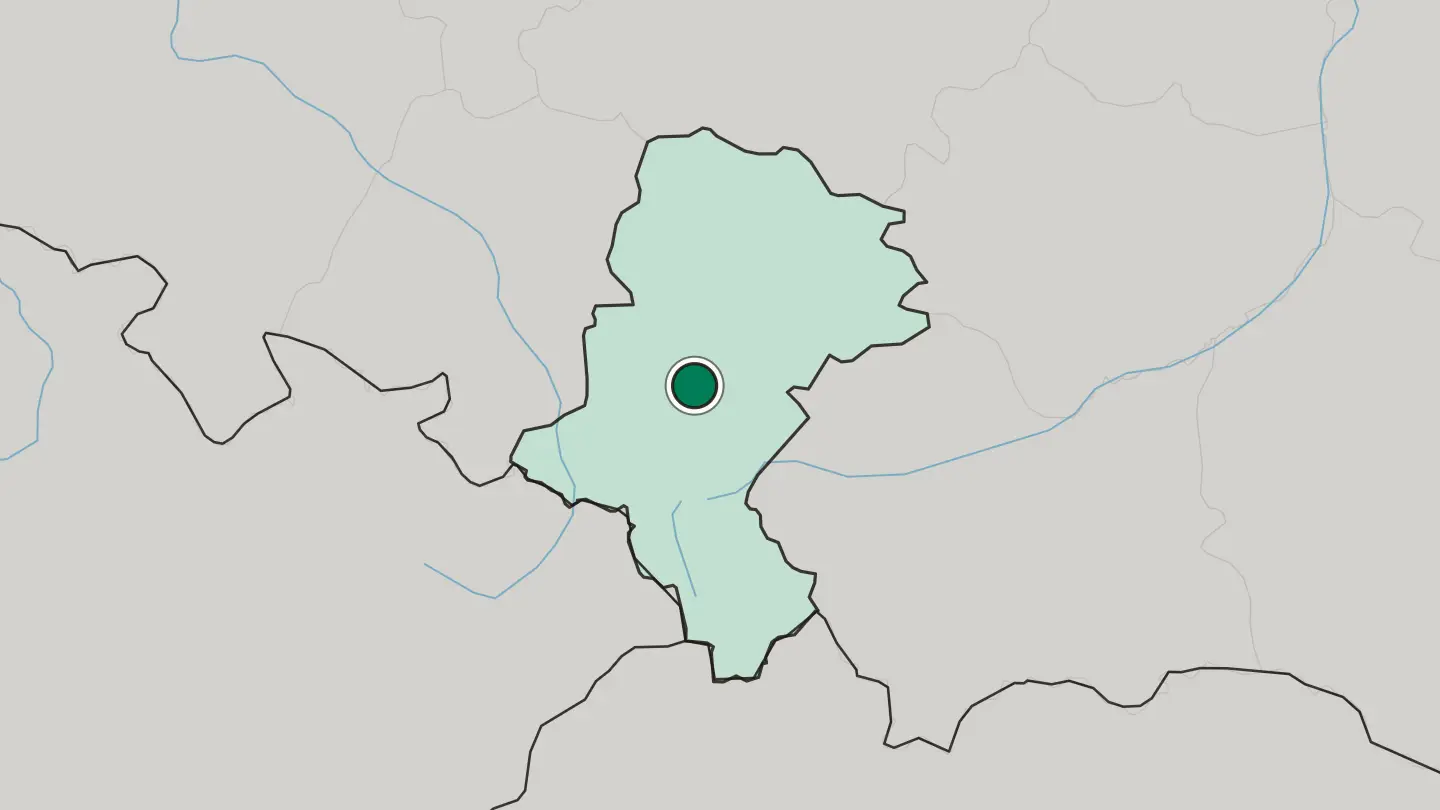
All towns & cities (24)
 Poland
Rybnik
Rybnik dates from 1327: the main city of Subregion Zachodni, with the Old Town Hall in Rybnik and the Heritage coal mine Ignacy on its register.Where to stay →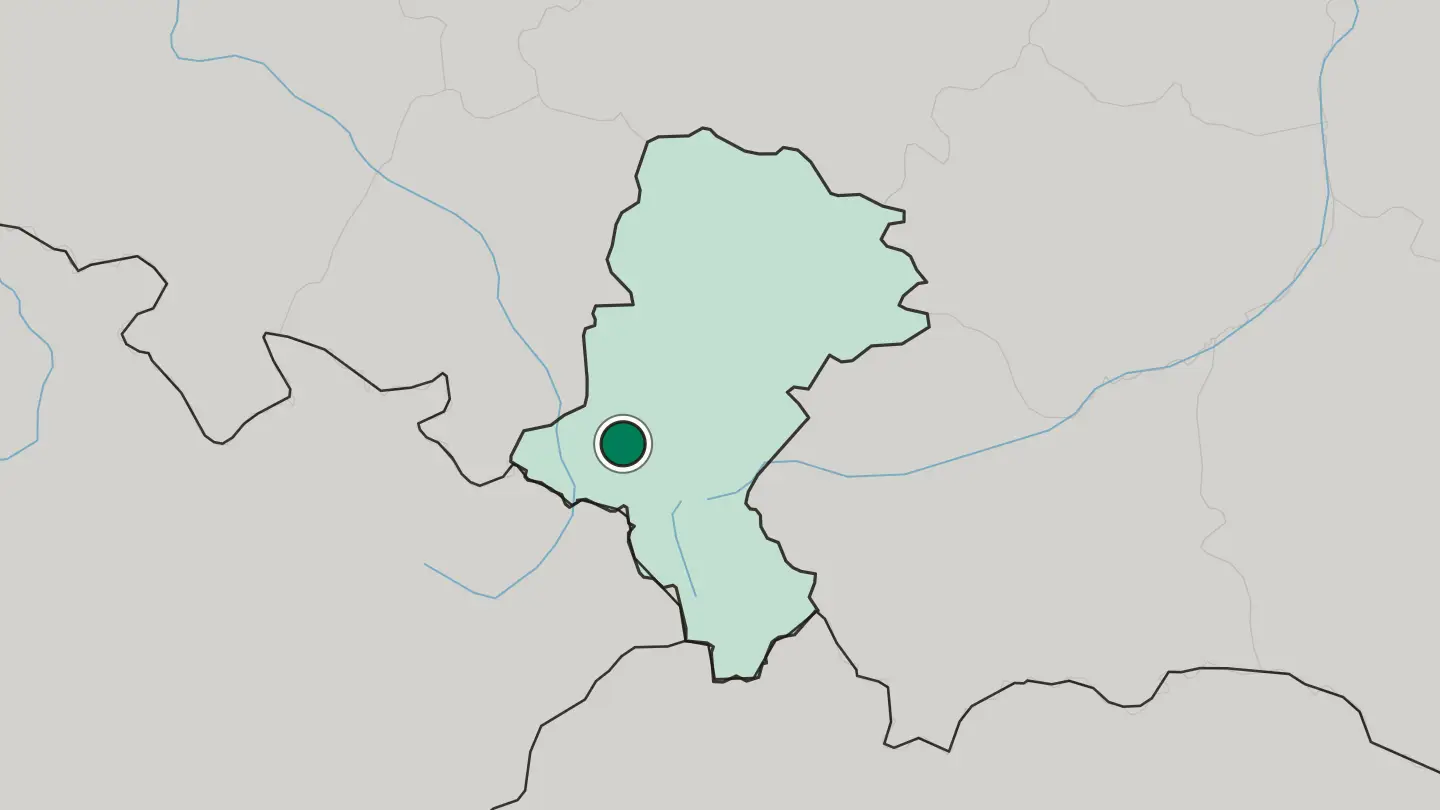 Poland
Tychy
Tychy is a city of Upper Silesia in south Poland, a planned socialist-era town beside an old princely brewery, by the Silesian lakes and Beskid hills.Where to stay →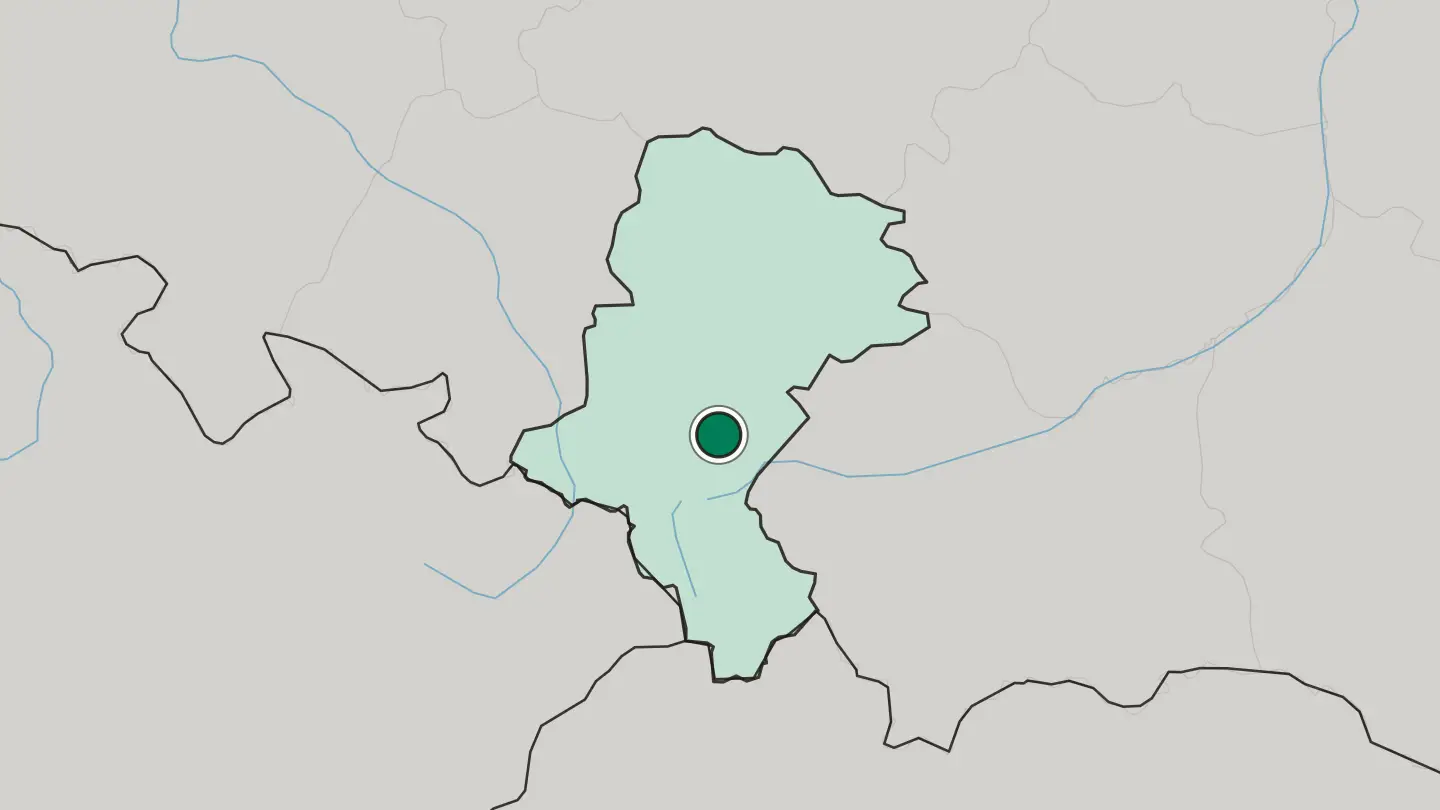
 Poland
Dąbrowa Górnicza
Dąbrowa Górnicza is a post-industrial city on the Czarna Przemsza and Biała Przemsza, in the eastern part of the Katowice urban area.Where to stay →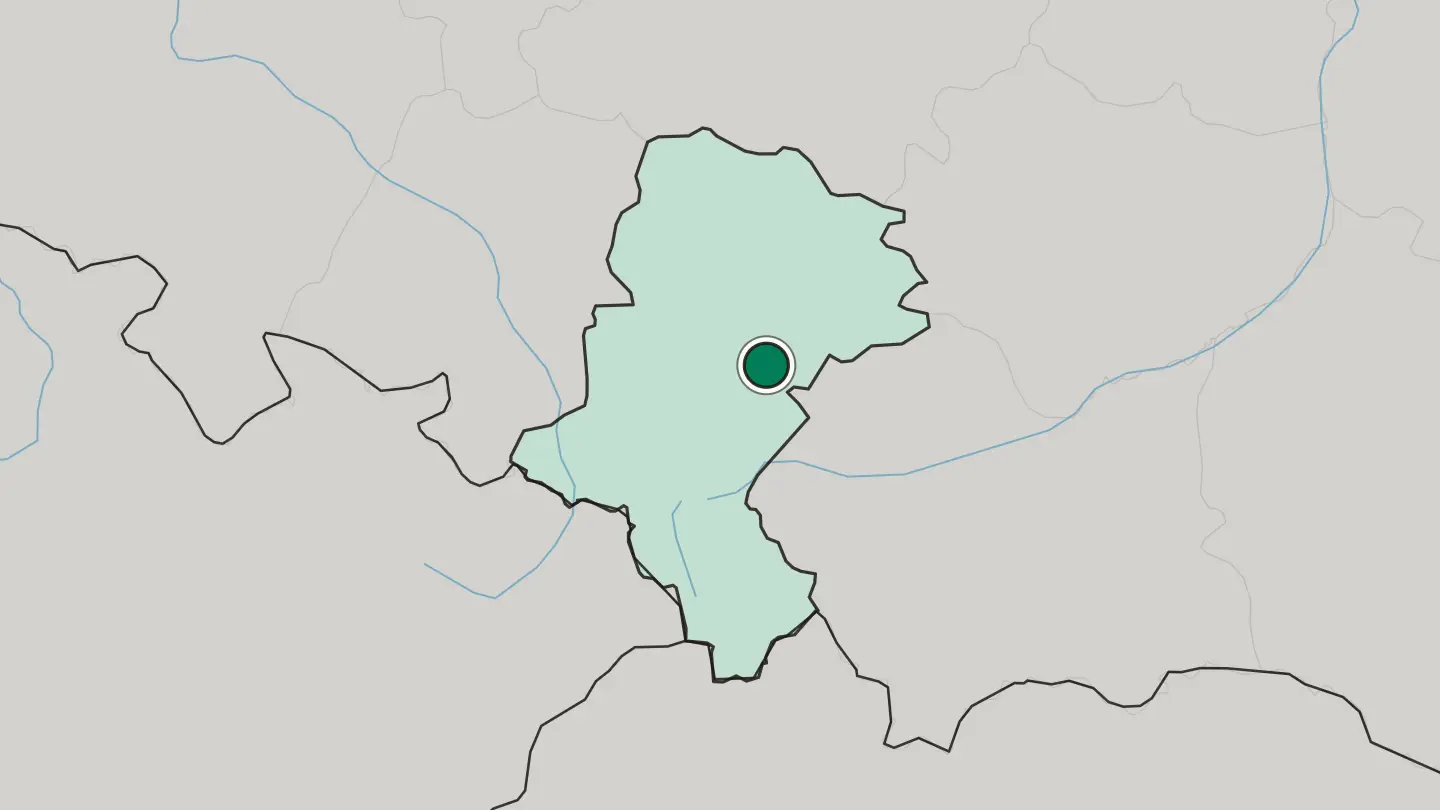
 Poland
Chorzów
Chorzów is an industrial city of Polish Silesia on the Katowice boundary, where the Culture Park gathers a zoo, a planetarium and an ethnographic park.Where to stay →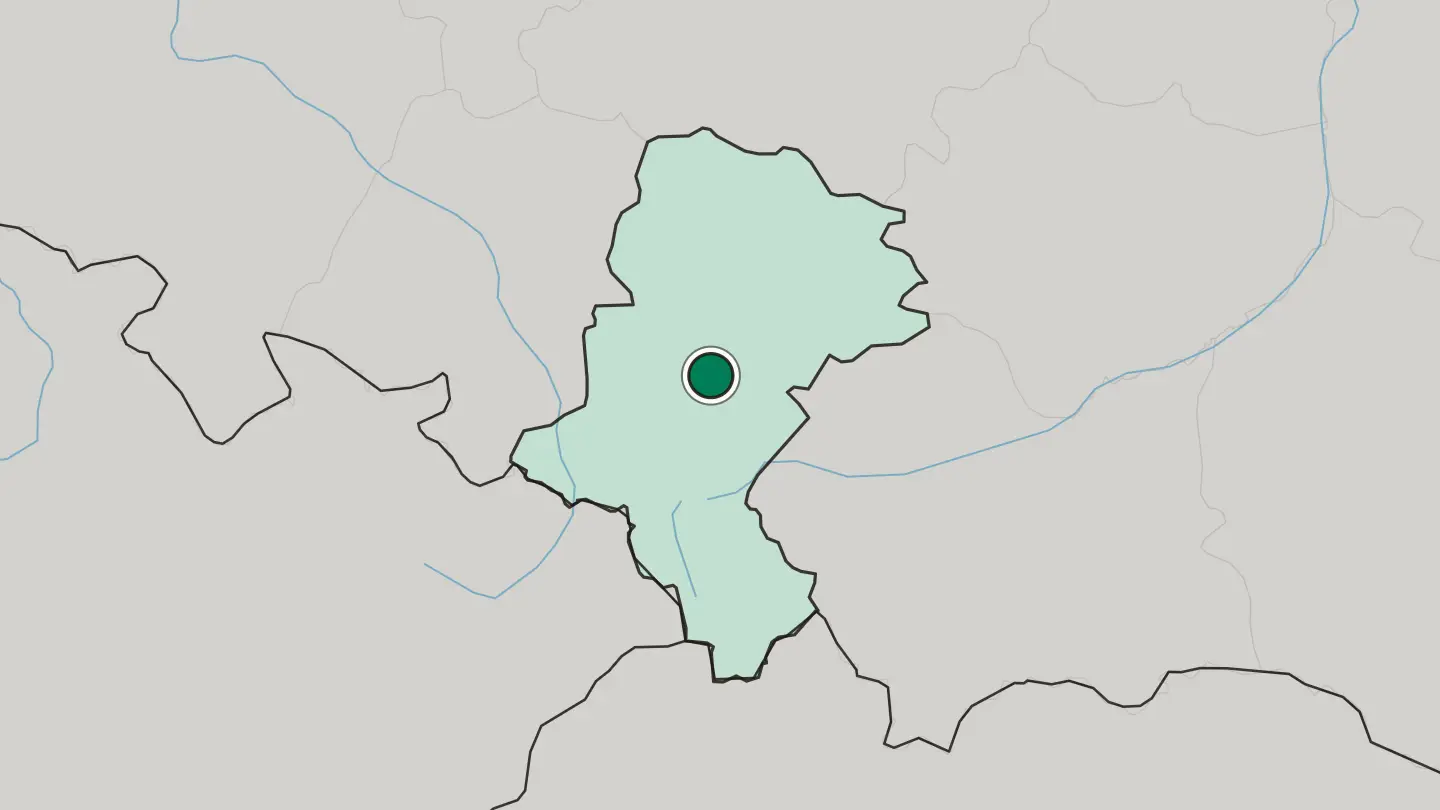
 Poland
Jaworzno
Jaworzno is a city of the Silesian Voivodeship that belongs to Lesser Poland, standing on the Przemsza in the Silesian Highlands near Katowice.Where to stay →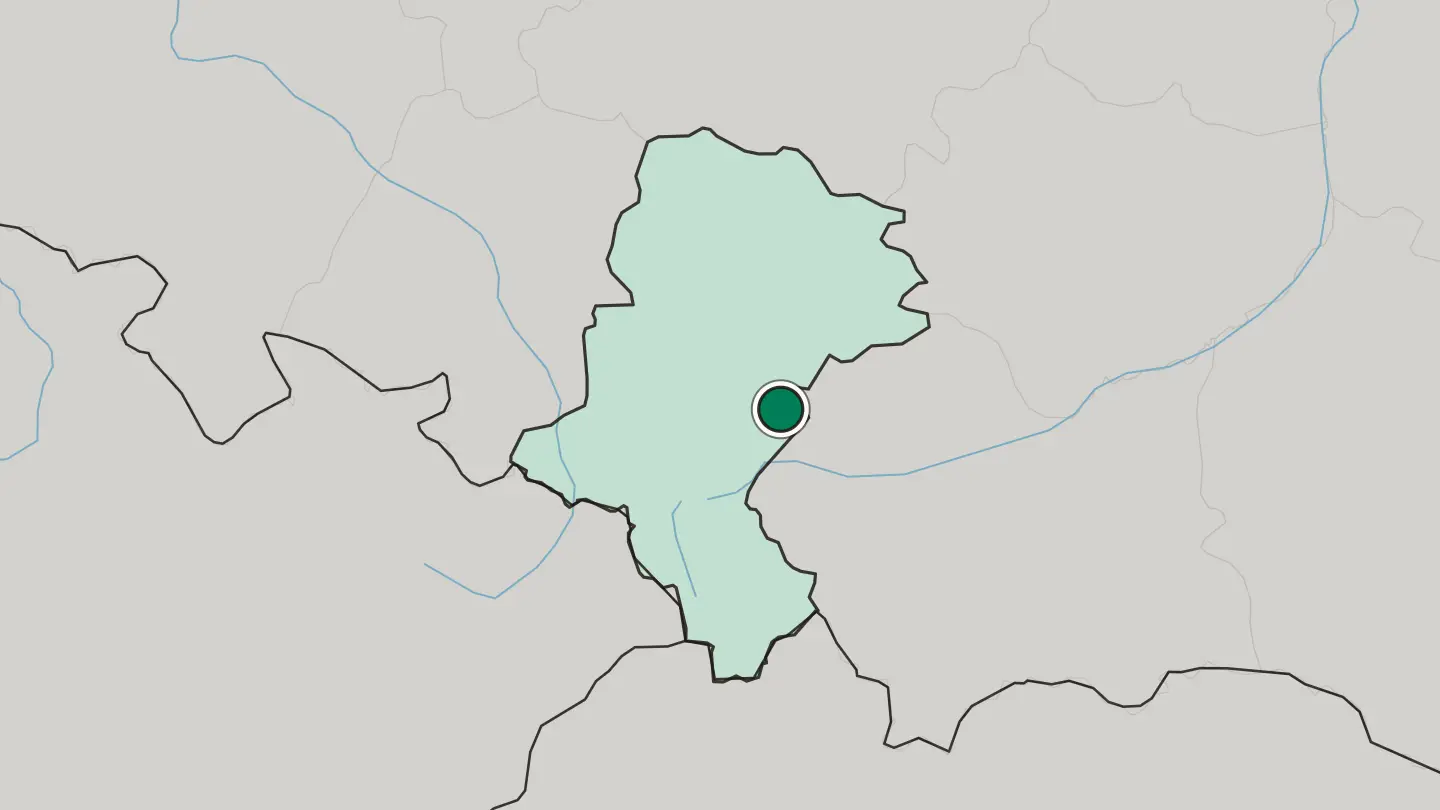 Poland
Jastrzębie Zdrój
Jastrzębie-Zdrój is a spa-named city in Poland's Silesian Voivodeship, where the Spa Park, Galeria Dzwonków and Dwór Witczaków sit close together.Where to stay →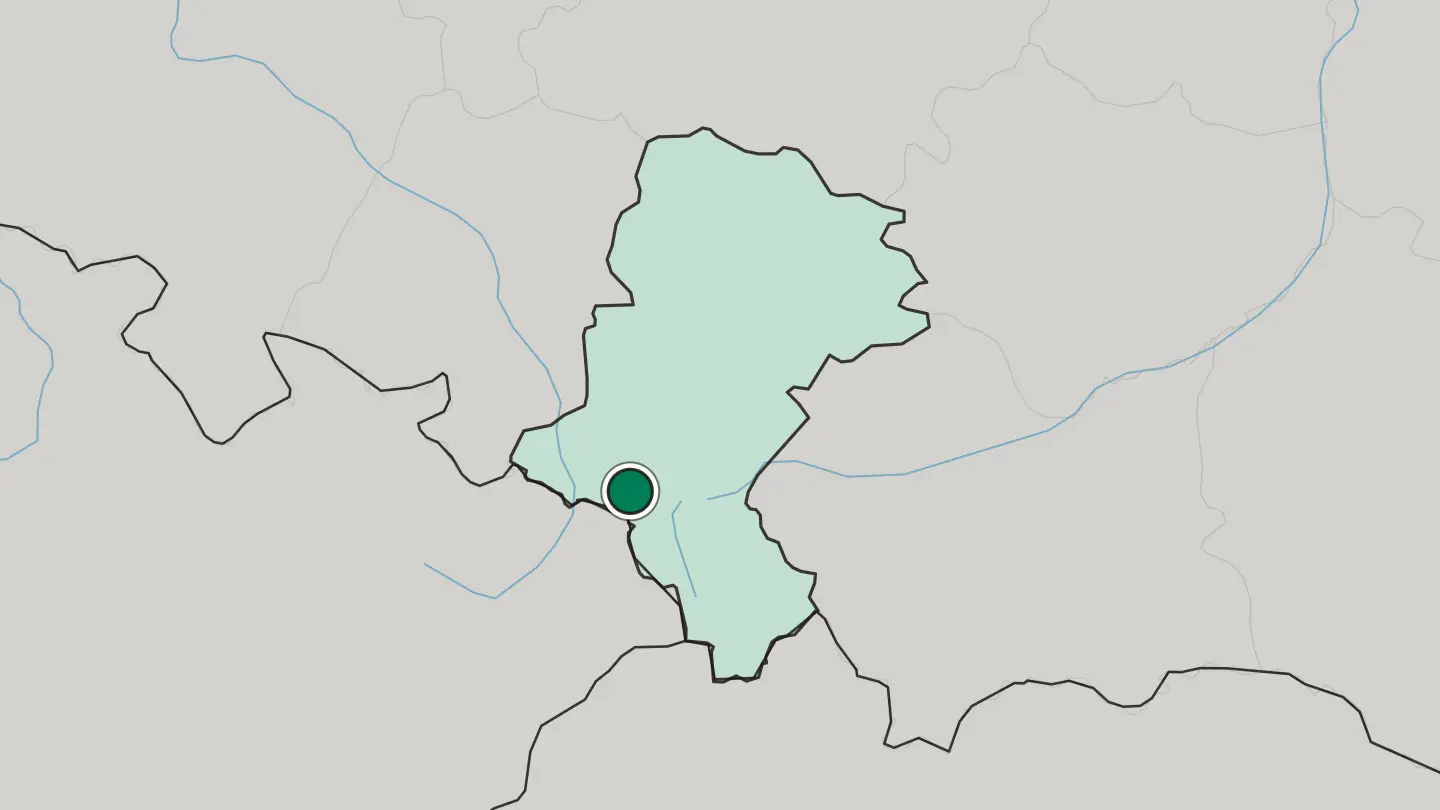
 Poland
Siemianowice Śląskie
Siemianowice Śląskie goes back to 1178, an Upper Silesian city on the Brynica with the Donnersmarck Palace and the Bytkow TV Tower.Where to stay →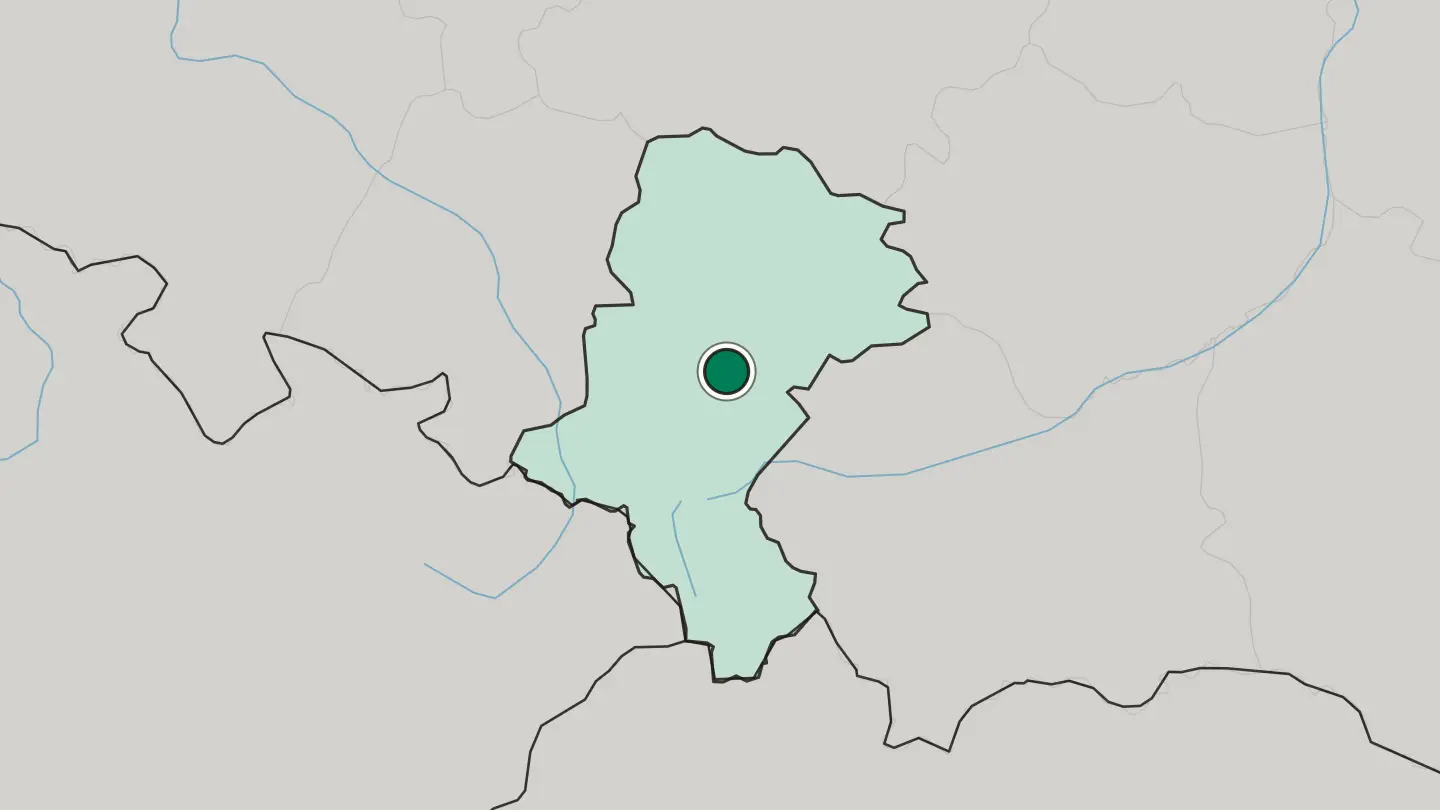 Poland
Mysłowice
Mysłowice borders Katowice in Polish Silesia, and keeps a listed street layout, the Centralne Muzeum Pożarnictwa and the Willa Kuderów.Where to stay →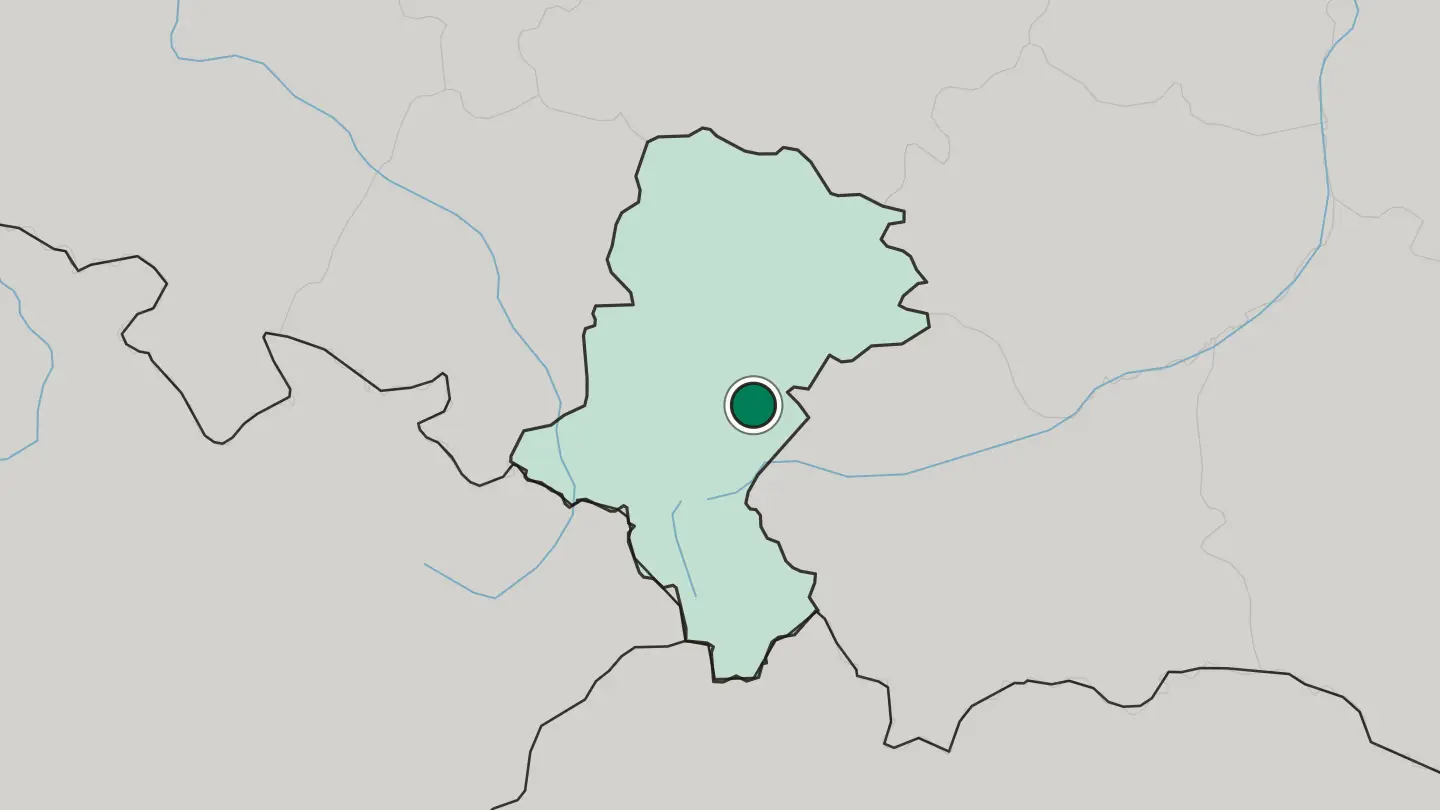 Poland
Żory
Żory took its charter in 1272 and grew in Upper Silesia south-west of Katowice, where Market Square still orders the oldest streets.Where to stay →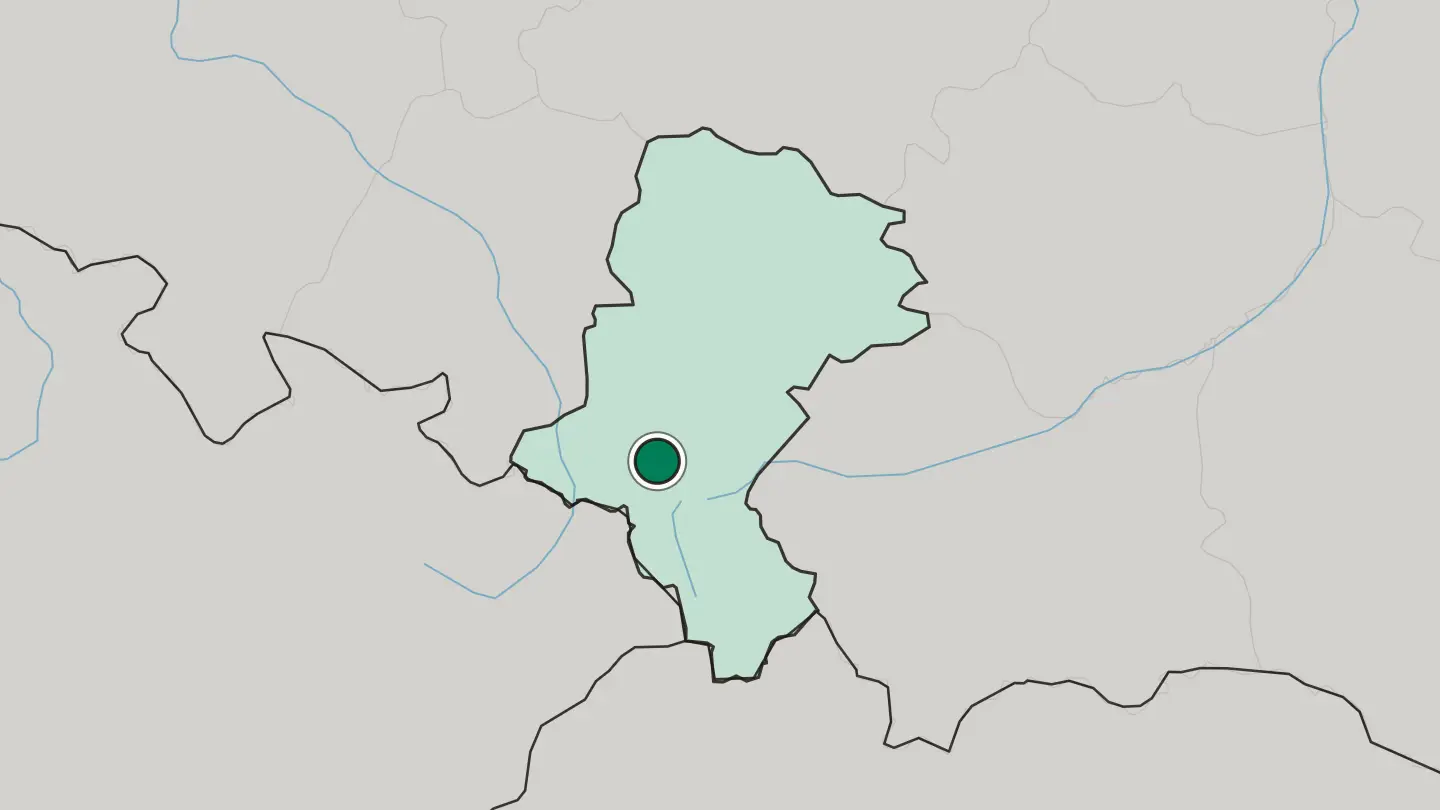
 Poland
Tarnowskie Góry
Tarnowskie Góry is a historic silver-mining town in Upper Silesia, southern Poland, honeycombed by centuries of underground workings now listed by UNESCO.Where to stay →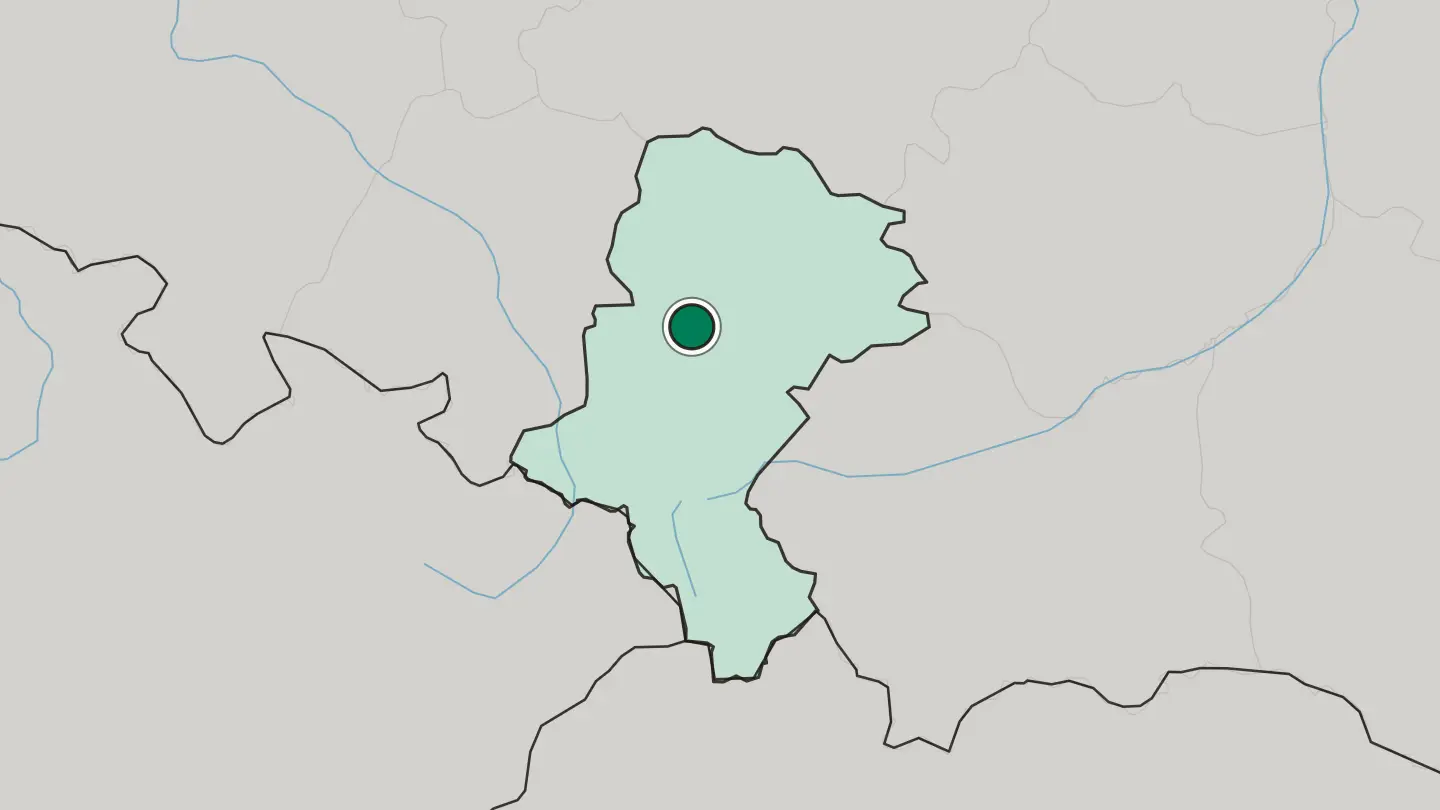
 Poland
Piekary Śląskie
Piekary Śląskie lies in the Silesian Highlands on the Brynica, recorded from 1253. Katowice is close.Where to stay →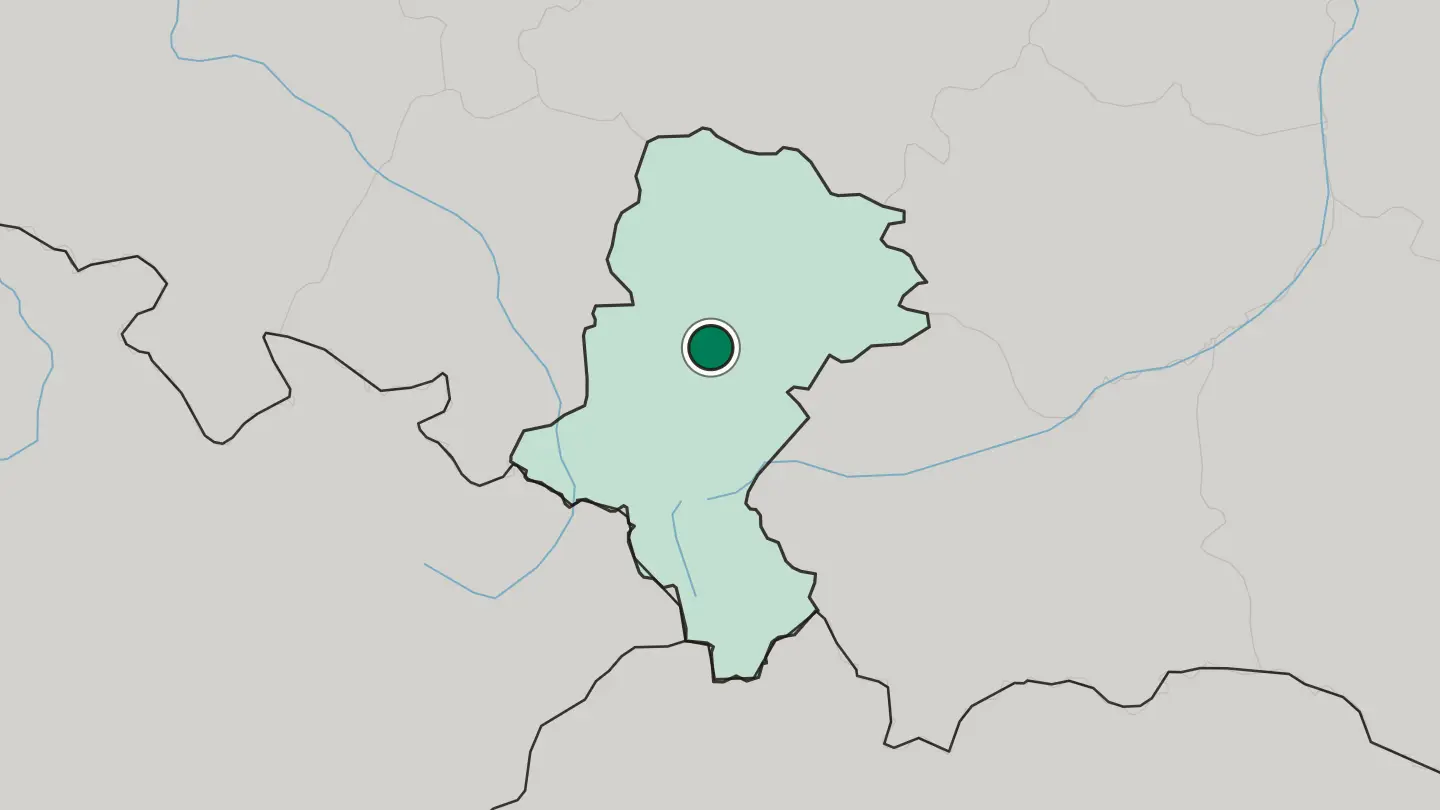
 Poland
Racibórz
Racibórz is the seat of Racibórz County in the Silesian Voivodeship, gathered around Racibórz Castle, its Castle park and the Prison Tower.Where to stay →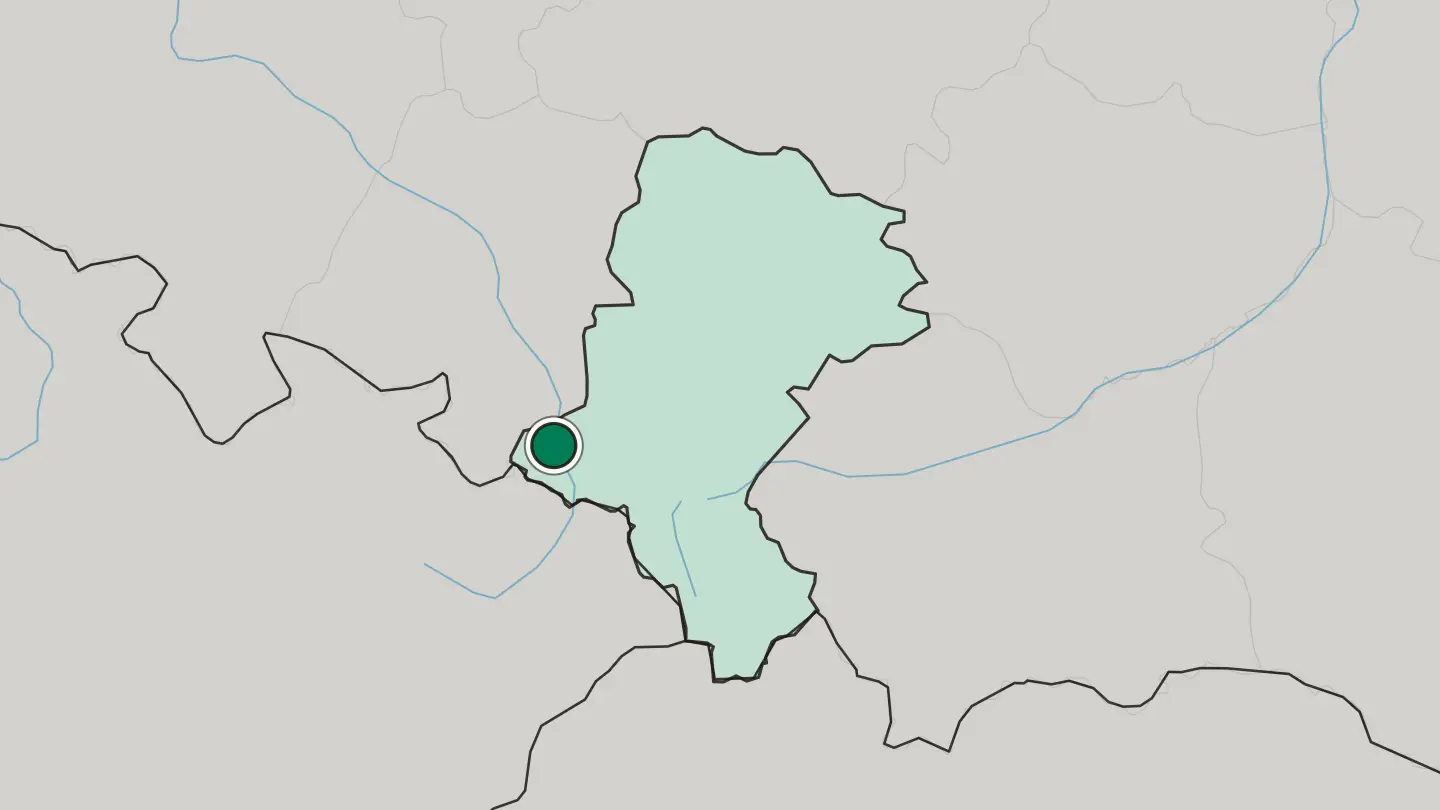 Poland
Będzin
Będzin is a historic town in the Zagłębie basin of southern Poland, crowned by a medieval royal castle.Where to stay →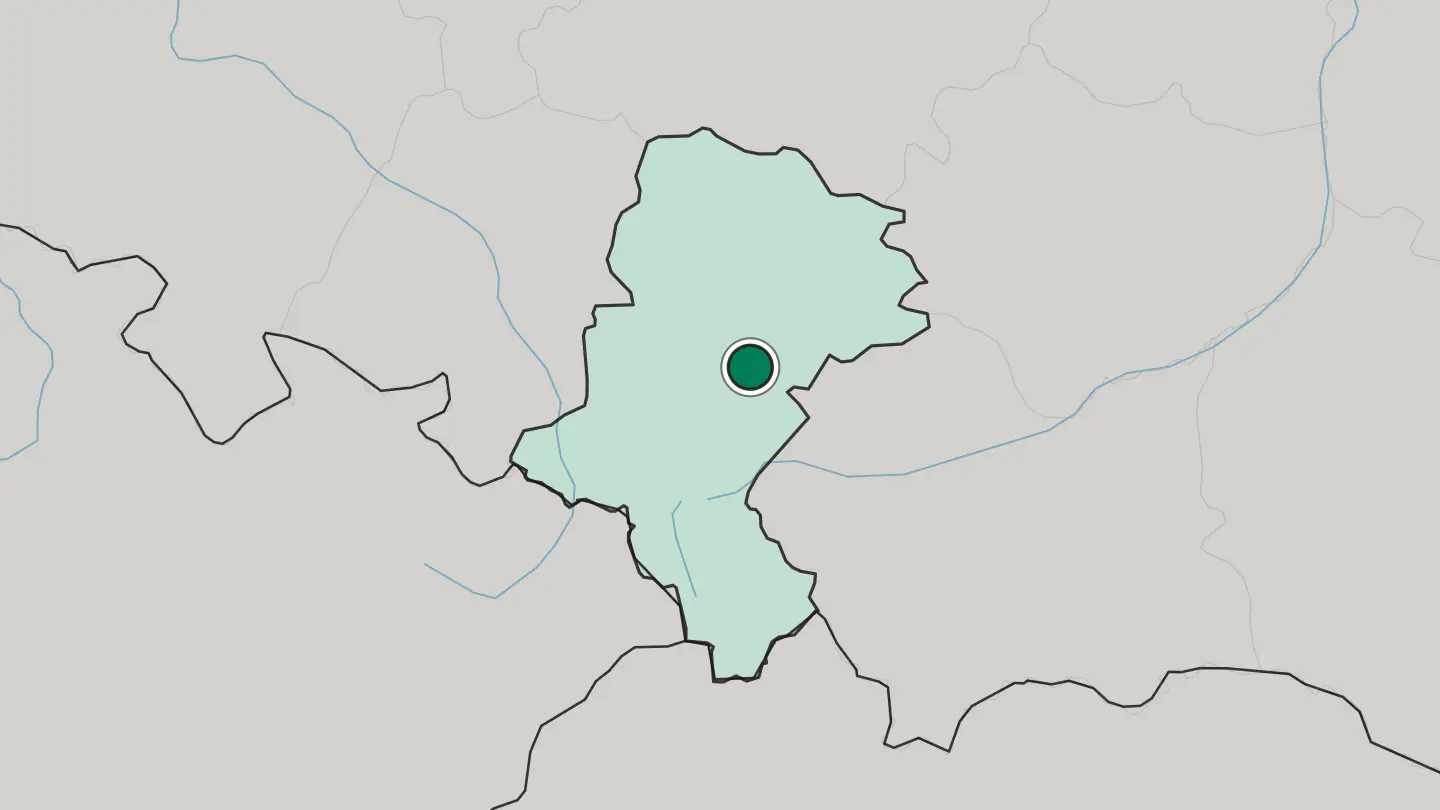
 Poland
Świętochłowice
Świętochłowice carries a 1313 charter and sits on the Rawa in the Silesian Highlands, a small city hard against Chorzów and Katowice.Where to stay →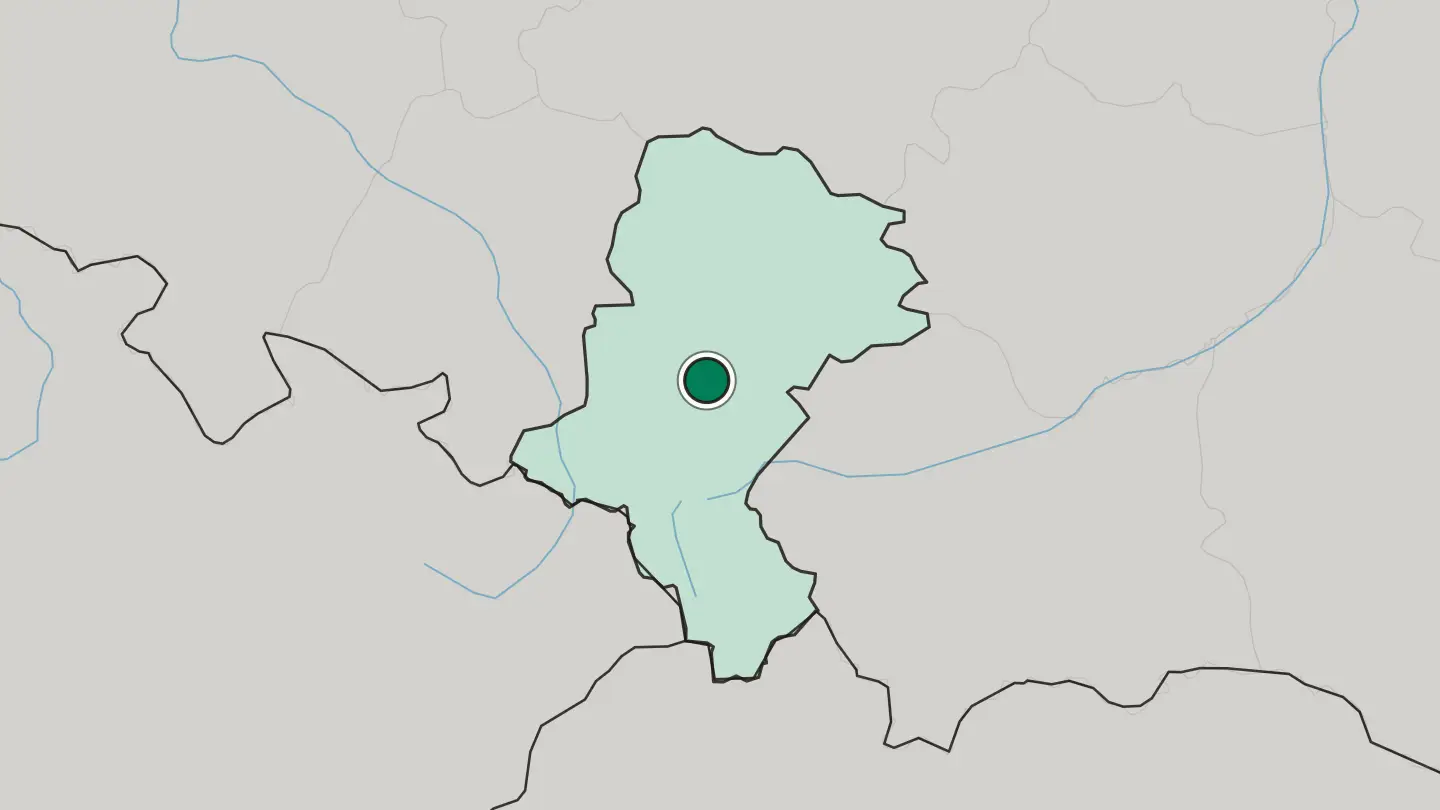 Poland
Zawiercie
Zawiercie stands on the Kraków-Częstochowa Upland near the source of the Warta, with the Collegiate in Zawiercie and a listed workers' estate.Where to stay →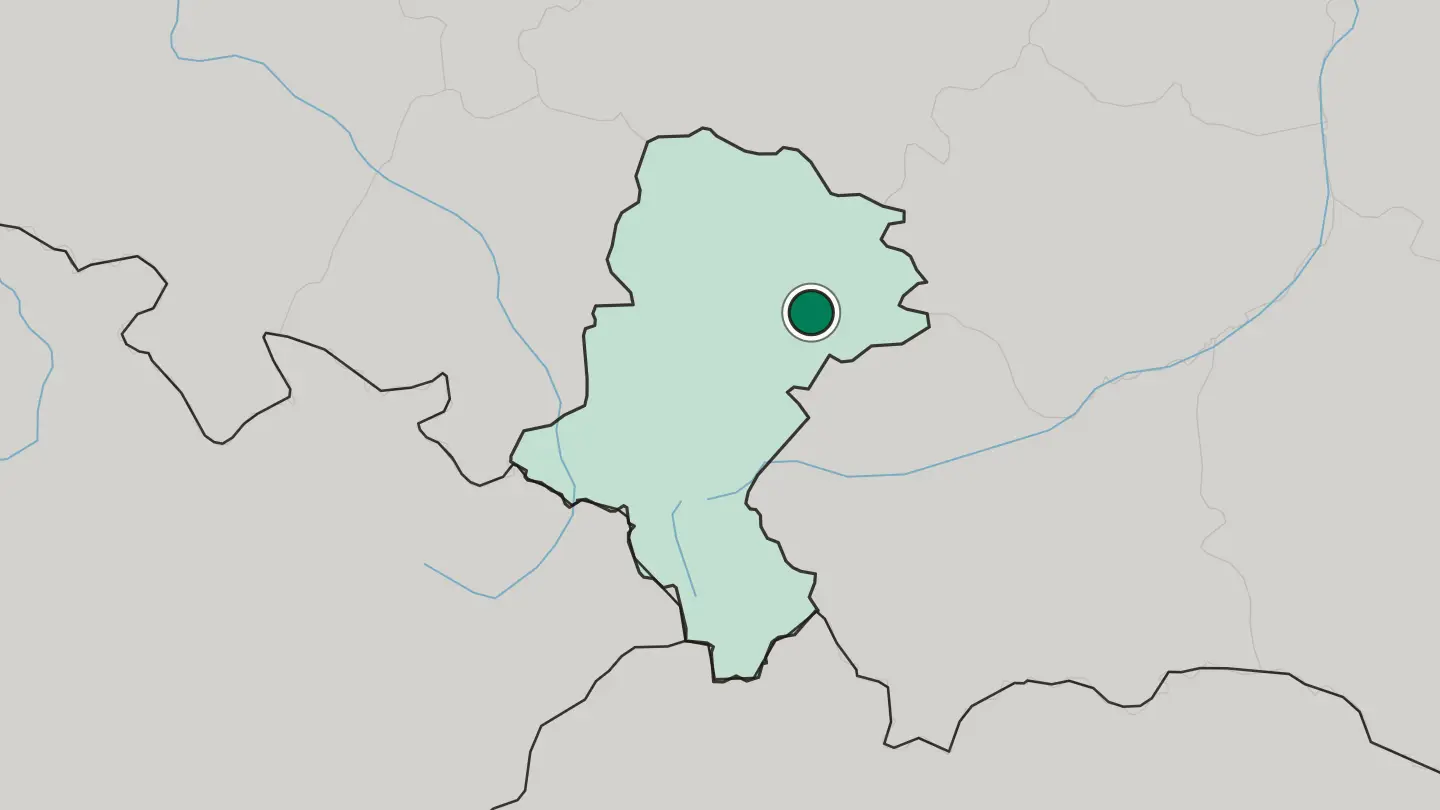
 Poland
Miasteczko Śląskie
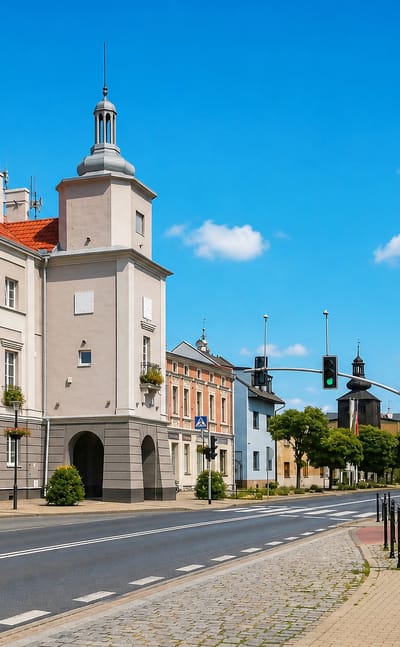
Miasteczko Śląskie is a town in Upper Silesia, in the Silesian Voivodeship of southern Poland, founded on lead and silver mining near Katowice.Where to stay →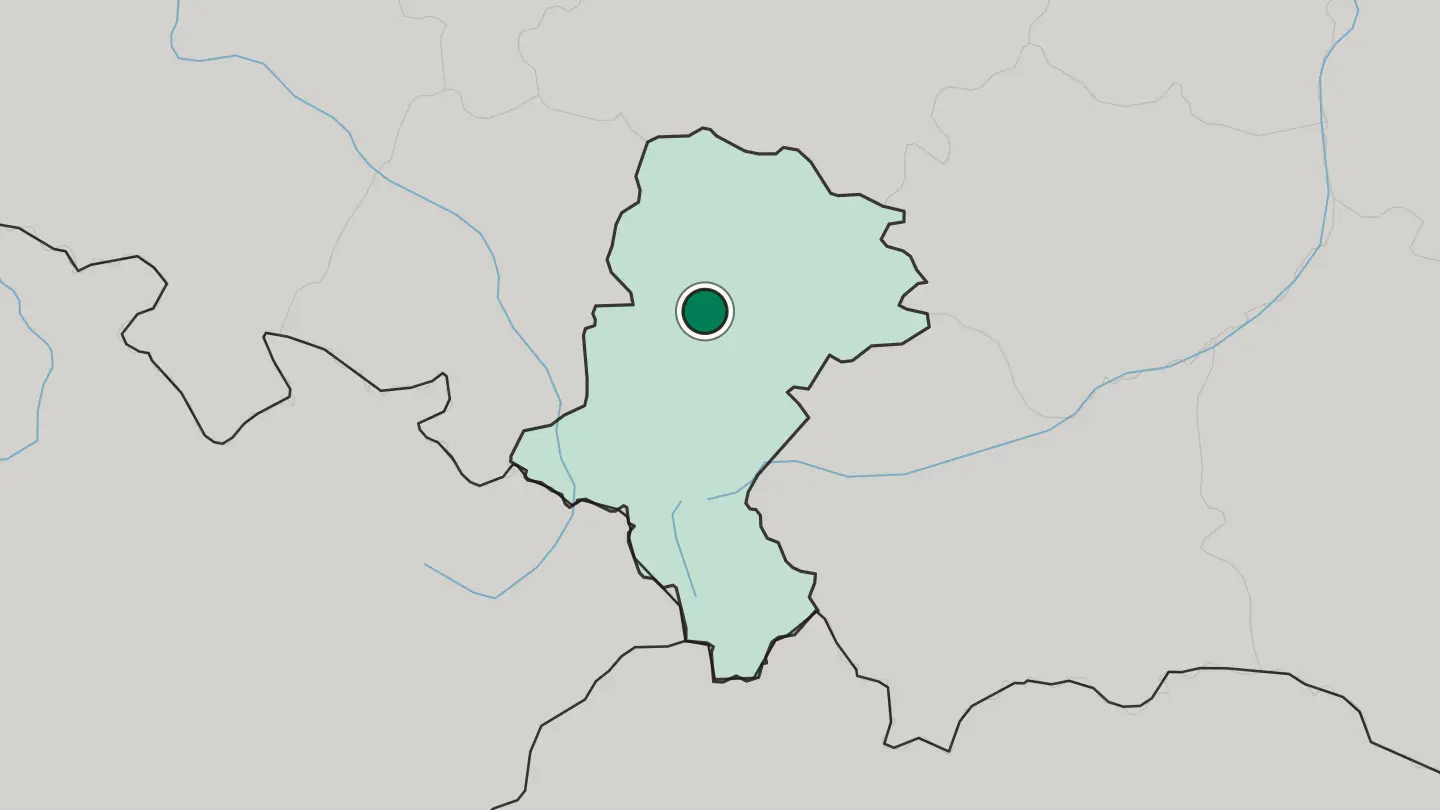
Hotel links are affiliate links: booking through them may earn us a commission, at no extra cost to you. It never affects how places are ranked. How this works
About Silesian Voivodeship
Coal built this region.
What is Silesian Voivodeship known for?
Katowice anchors it, the largest of a dozen mining and steel towns that grew together into one continuous urban sprawl across the Silesian Upland. Częstochowa draws a wholly different crowd, its Jasna Góra monastery the country's foremost Catholic pilgrimage site. The south changes the picture again, where the Beskid mountains climb toward the Slovak border and ski resorts like Szczyrk and Wisła fill the valleys.
Pit, pilgrims, and peaks sit within an hour of each other.
Where is Silesian Voivodeship?
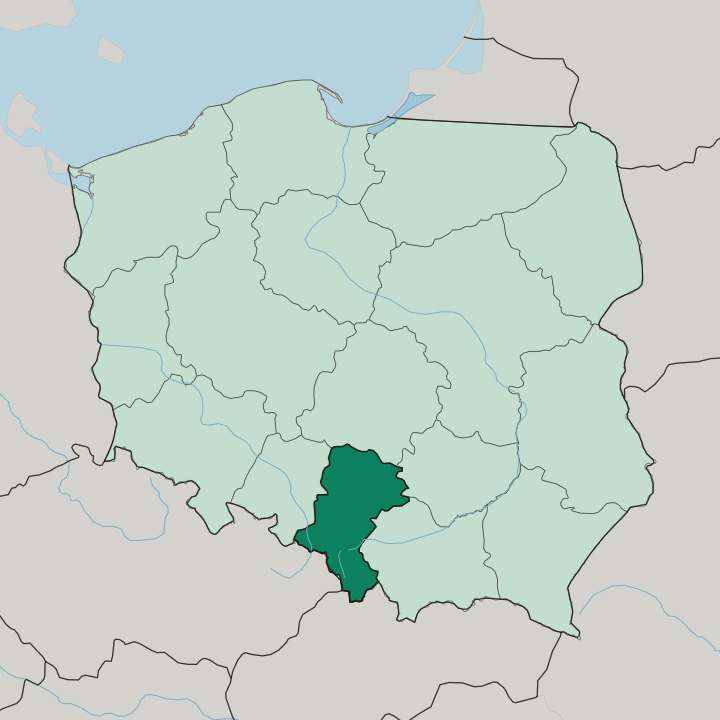
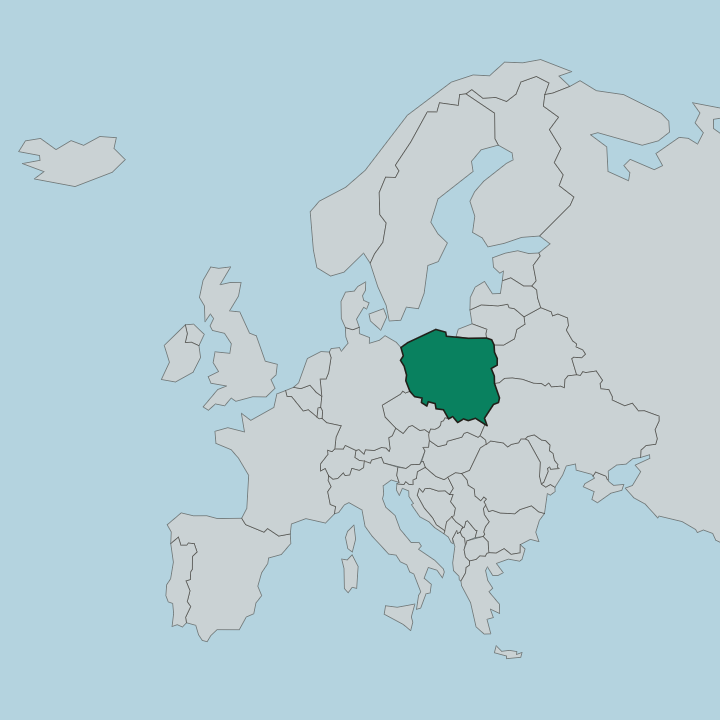
Silesian Voivodeship sits in southern Poland, pressed against the Czech and Slovak borders. It packs a great deal into a small space. The centre is the Silesian Upland, a low plateau of coal seams where Katowice and its neighbouring cities merge into one built-up expanse with almost no green gap between them.
This is the densest urban ground in the country. To the northeast the land rises into the Kraków-Częstochowa Upland, a belt of white limestone crags and ruined hilltop castles that stretches toward Częstochowa and gives the Polish Jura its name. The south is the opposite of the mines.
There the Beskid mountains, part of the western Carpathians, climb in forested ridges toward the frontier, and Pilsko reaches over 1,534 metres on the line with Slovakia. Barania Góra rises in the Silesian Beskids above the town of Wisła, and from its western slope two streams gather into the Vistula, the longest river in Poland, which begins here as a mountain brook before crossing half the country to the Baltic. Opole Voivodeship lies to the west and Lesser Poland to the east.
The contrast is the whole story. Few Polish regions swing from heavy industry to alpine forest in the span of a single short drive.
What is Silesian Voivodeship like?
Silesia carries an identity of its own, quite distinct from the rest of Poland. Generations underground shaped it. Mining ran the rhythm of daily life for two centuries, and the culture still turns on it, from the miners' feast of Barbórka each December to the ornamental gas lanterns and pithead towers kept as landmarks in Katowice and Zabrze.
Many older locals speak Silesian, a regional tongue that mixes Polish with German and Czech borrowings. Folklore here leans dark and playful. Squat carved figures called beboks, the household bogeymen of Silesian legend, turn up as street ornaments across the old coal towns.
Faith pulls hard in the other direction. Częstochowa is the spiritual centre of Catholic Poland, and its Jasna Góra monastery holds the Black Madonna, an icon that draws pilgrims by the million every year, many of them walking for days to reach it. The region also carries a heavier past.
This was the ground of the Silesian Uprisings, three armed revolts after the First World War, and the memory of that fight to join Poland runs through local pride to this day.
What is the history of Silesian Voivodeship?
The land changed hands for a thousand years. Silesia began under the Piast dukes of early Poland, then passed in turn to Bohemia, the Habsburg crown, and finally Prussia, which drove its coal and iron boom through the nineteenth century. After the First World War the Silesian Uprisings and a plebiscite split Upper Silesia between Germany and Poland.
The voivodeship in its present shape is far younger, drawn up in 1999 from the former Katowice, Częstochowa, and Bielsko-Biała voivodeships.
What is the climate of Silesian Voivodeship?
The climate splits with the terrain. Across the industrial lowlands around Katowice the weather is temperate and continental, with warm summers, cold snowy winters, and a persistent grey haze that the old coal furnaces once made far worse. The Beskid mountains in the south are wetter and colder, and their heavy snowfall is exactly what keeps Szczyrk, Wisła, and Ustroń working as winter resorts.
Spring and autumn stay changeable throughout.
How do you get to Silesian Voivodeship?
Two airports serve the region. Katowice Airport at Pyrzowice lies north of the city, while Kraków's larger airport sits about an hour to the east and handles most long-haul arrivals. Rail is the stronger option once you land.
Katowice stands on the main line between Warsaw and Vienna, with fast trains running north to the capital and south across the Czech border. The A1 and A4 motorways meet nearby. Moving between the Silesian cities is simple, since the region runs one of the longest tram networks in the world, threading Katowice to Bytom, Zabrze, and their neighbours.
Common questions
What is the best area to stay in Silesian Voivodeship?
Katowice: cities and mining heritage. Częstochowa: the Jasna Góra pilgrimage. Bielsko-Biała: reaching the Beskid mountains. Wisła and Szczyrk: skiing and forest trails.
Good for
More regions in Poland
Updated October 2026