Portugal · Madeira
Where to Stay in Funchal, Madeira
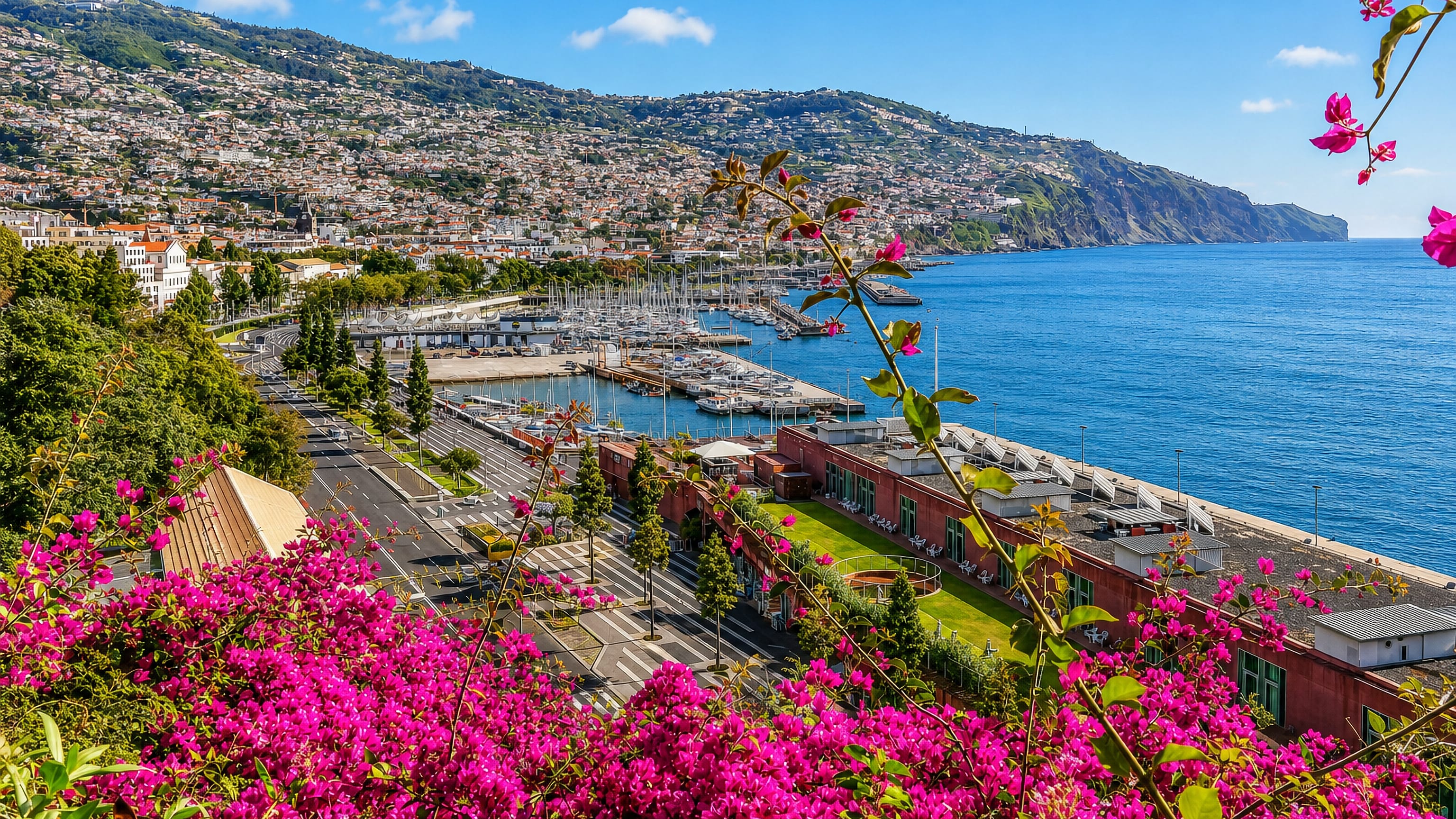
Funchal is Madeira's capital, an Atlantic city of cathedral streets, sugar-trade museums, and a working cruise port.
Hotel links are affiliate links: booking through them may earn us a commission, at no extra cost to you. It never affects how places are ranked. How this works


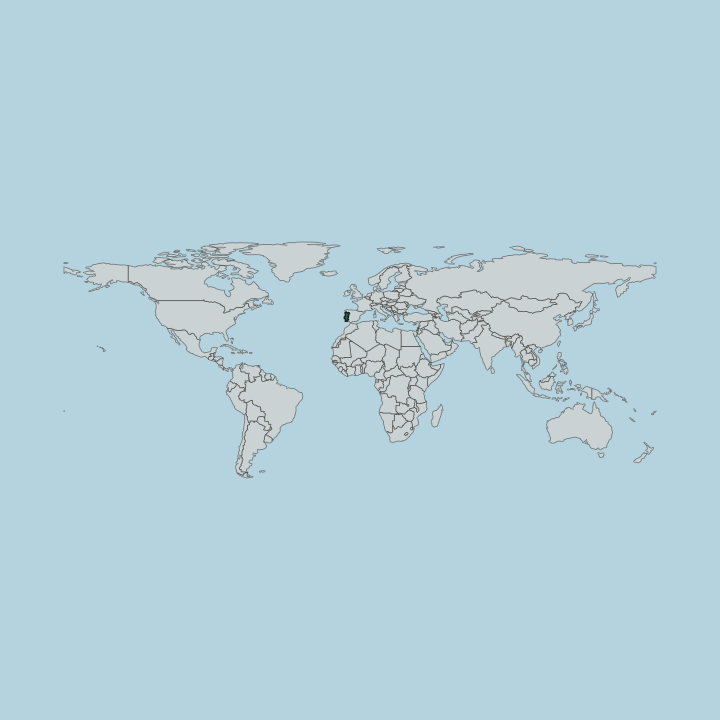
Where to stay in Funchal
Where visitors usually base themselves, and why.
The blocks between the Palácio de São Lourenço and the Cathedral of Funchal put most of the city's interest within a few minutes of the door. Water is right there. This is the base that suits you if the museums are the reason for the trip, because the Madeira Story Centre, the Museu de Fotografia da Madeira, and the Design Centre Nini Andrade Silva all sit within the same walkable stretch.
Cruise arrivals land close by. Back from the water it changes. Convento de Santa Clara and the Quinta das Cruzes Museum sit back from the harbour front, and rooms in that band trade the ease of the waterfront for quieter nights away from the cruise berths.
Igreja de Santa Luzia marks that band. São Gonçalo lies out toward Santa Cruz, and the far edge of the city runs on toward Câmara de Lobos, both of them plainer ground than the streets around the cathedral. Beds are thinner at both ends.
Igreja Paroquial de São Gonçalo anchors one of them, and anyone staying that far out should plan on a ride into the centre each evening.
Find hotels in Funchal
Direct booking searches for these neighbourhoods.
Palácio de São Lourenço
Streets between the Palácio de São Lourenço and the Cathedral of Funchal, right at the water.Find hotels in Palácio de São LourençoThe band above Funchal's waterfrontConvento de Santa Clara
Ground set back past the Convento de Santa Clara toward the Quinta das Cruzes Museum.Find hotels in Convento de Santa ClaraA quieter address off the cruise-berth endSanta Luzia
Streets around the Igreja de Santa Luzia, back from Funchal's museum circuit.Find hotels in Santa LuziaAn outlying parish on the Santa Cruz sideSão Gonçalo
Ground by the Igreja Paroquial de São Gonçalo, out where Funchal thins toward Santa Cruz. Lodging is scarce in this area; reserve in advance.Find hotels in São GonçaloFunchal's far end, toward Câmara de LobosCâmara de Lobos edge
The city's outer shoreline stretch, where building runs on toward Câmara de Lobos. Few places to stay nearby — book ahead.Find hotels in Câmara de Lobos edgeHotel links are affiliate links: booking through them may earn us a commission, at no extra cost to you. It never affects how places are ranked. How this works
Things to do in Funchal
Ranked by global recognition; descriptions from Wikidata (CC0).
Museums & Galleries
4- Museu de Fotografia da Madeira Heritage
- Quinta das Cruzes Museum Heritage
- Casa-Museu Frederico de Freitas Heritage
- Universo de Memórias João Carlos Abreu Heritage
Churches & Religious Sites
8- Cathedral of Funchal Heritage
- Igreja de São João Evangelista Heritage
- Convento de Santa Clara Heritage
- Church of the Holy and Undivided Trinity Heritage
- Igreja de Santa Luzia Heritage
Show 3 more →
- Igreja de Nossa Senhora do Monte do Carmo Heritage
- Igreja da Encarnação Heritage
- Igreja Paroquial de São Gonçalo Heritage
Castles & Historic Sites
1- Palácio de São Lourenço Heritage
Stadiums & Sports
2- Campo da Imaculada Conceição
- Pavilhão dos Barreiros
worth knowingacross 4 categories in Funchal
About Funchal
What is Funchal known for?
Funchal is Madeira's capital and largest city. Cathedral of Funchal and the Palácio de São Lourenço hold the ground near the water, and the Museum 'The City of Sugar' names the trade that paid for the early town. Cruise ships call here.
Funchal ranks as the leading Portuguese port for cruise liner dockings, and the museums ashore run from the Sacred Art Museum of Funchal to the CR7 Museum and the Madeira Optics Museum.
What are the main landmarks in Funchal?
Funchal's list runs heavy on museums. Cathedral of Funchal, the Convento de Santa Clara, the Igreja da Encarnação, the Igreja de São João Evangelista, and the Church of the Holy and Undivided Trinity carry the religious side. Palácio de São Lourenço holds the civic one.
Then the collections: Museu de História Natural do Funchal, the Casa-Museu Frederico de Freitas, the Museu Henrique e Francisco Franco, and the Museum of Electricity. Pavilhão dos Barreiros and the Campo da Imaculada Conceição serve sport.
What is the history of Funchal?
Funchal was founded in 1451. Sugar made the early city, and the Museum 'The City of Sugar' exists because that single trade shaped the street plan, the fortunes, and the buildings that followed it. Cathedral of Funchal came out of that wealth.
Palácio de São Lourenço anchored the official quarter, the Convento de Santa Clara took in a religious community, and the Igreja de São João Evangelista and the Igreja da Encarnação followed as the city spread. Trade brought other communities. Church of the Holy and Undivided Trinity carries a dedication from outside the Portuguese tradition, and Quinta das Cruzes Museum occupies the kind of merchant estate that Madeira's export business produced.
Later centuries added the rest. Museum of Electricity marks the arrival of power, Madeira Story Centre and the Museu de História Natural do Funchal explain the island itself, and the Casa-Museu Frederico de Freitas and the Museu Henrique e Francisco Franco keep private collections in public hands. Craft held on.
Madeira Wine, Embroidery and Handicraft Institute exists for the trades the island still works at, and the Museu de Fotografia da Madeira and the Design Centre Nini Andrade Silva belong to a much later chapter again. Universo de Memórias João Carlos Abreu and the CR7 Museum are newer still, and the Igreja Paroquial de São Gonçalo shows how far the built city has spread from where it began in 1451.
Where is Funchal?
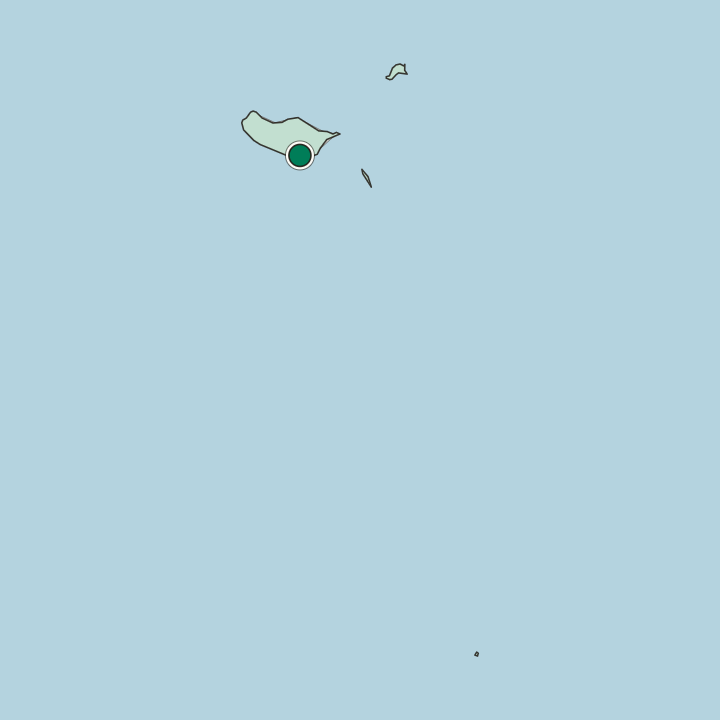
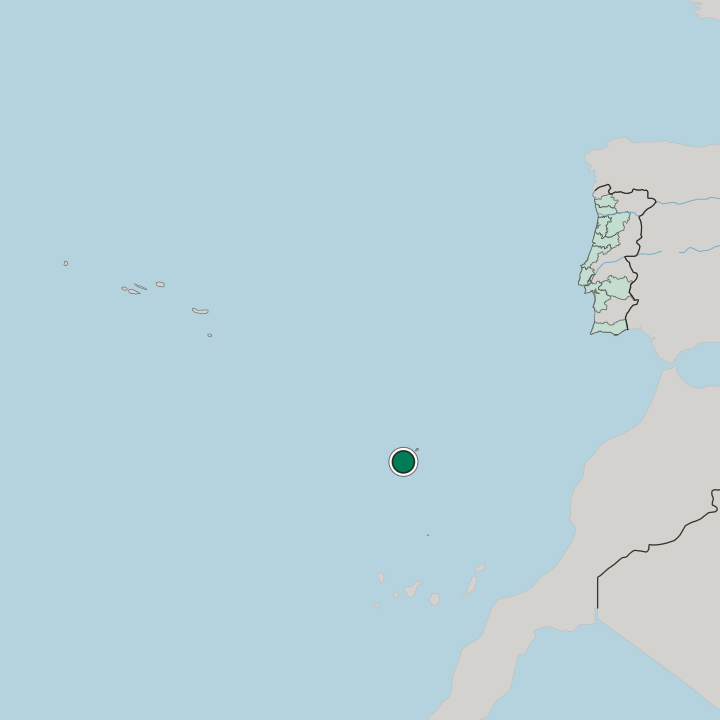
Funchal sits on the island of Madeira, facing the Atlantic Ocean. Santa Cruz lies along the coast on one side and Câmara de Lobos on the other, so the city occupies a stretch of shoreline with named neighbours at both ends rather than open country. The Atlantic sets its limit.
Convento de Santa Clara and the Quinta das Cruzes Museum sit back from the harbour front, while the Igreja Paroquial de São Gonçalo marks the edge of the built city.
What is the climate of Funchal?
The Atlantic Ocean runs Funchal's weather. Ocean water on every side keeps the subtropical year from swinging far in either direction, so the gap between the coldest and warmest stretches of the year stays narrow. Light clothing works most months.
Cruise liners call throughout the calendar, and the walk between the Cathedral of Funchal and the Convento de Santa Clara stays comfortable in any of it.
How do you get to Funchal?
The port does the heavy lifting. Funchal takes more cruise liner dockings than any other Portuguese port, and passengers step off within reach of the Palácio de São Lourenço and the Cathedral of Funchal without needing transport at all. Roads follow the shore both ways.
Santa Cruz sits along it in one direction and Câmara de Lobos in the other, while the Igreja Paroquial de São Gonçalo and the Pavilhão dos Barreiros lie beyond comfortable walking from the centre.
Common questions
What is the best area to stay in Funchal?
Palácio de São Lourenço: Waterfront blocks by the old fortress palace. Convento de Santa Clara: The band above Funchal's waterfront. Santa Luzia: A quieter address off the cruise-berth end. São Gonçalo: An outlying parish on the Santa Cruz side. Câmara de Lobos edge: Funchal's far end, toward Câmara de Lobos.
Good for
Updated October 2026