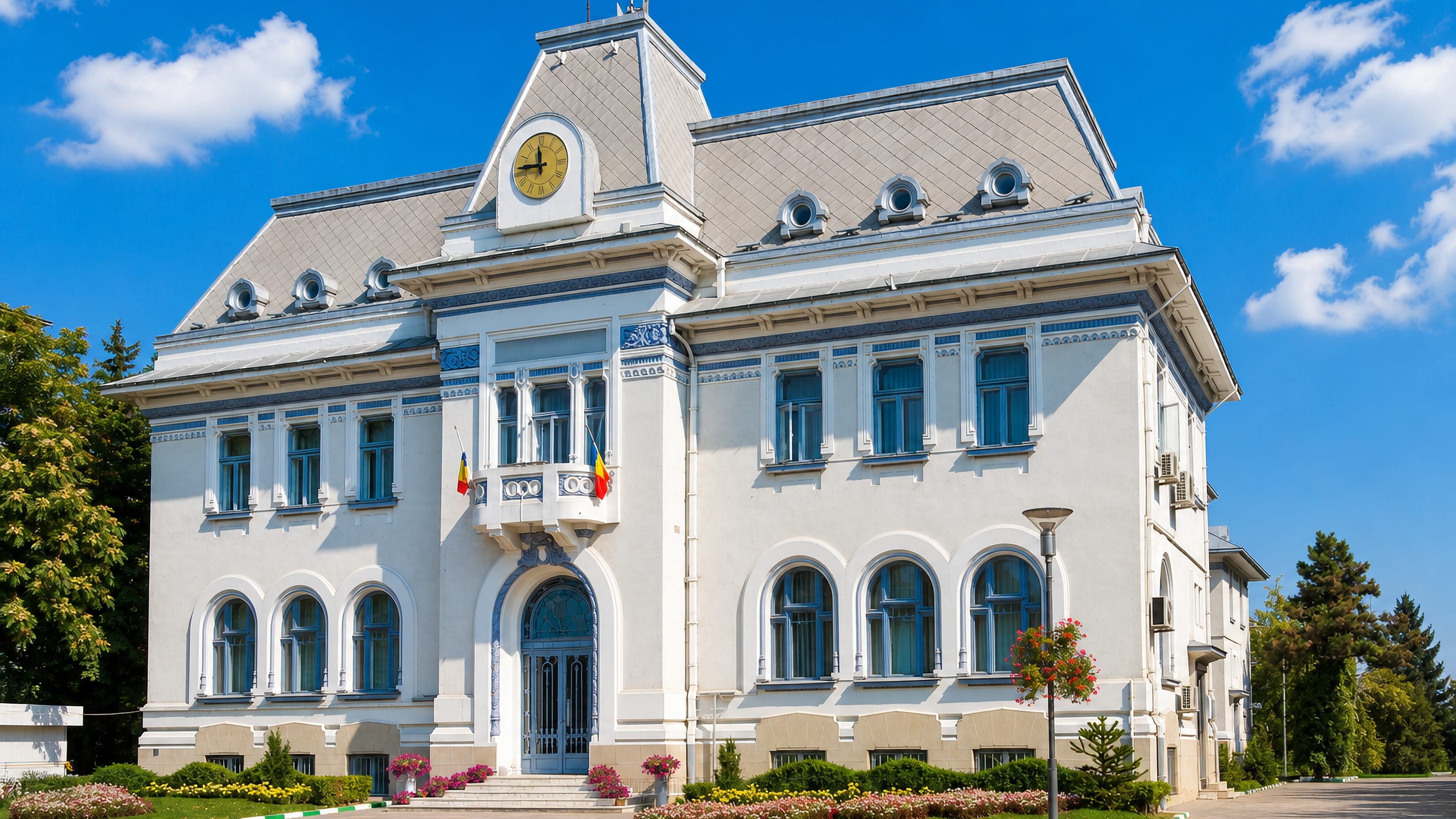
Romania · Argeş
Where to Stay in Piteşti, Argeş
Pitești stands on the river Argeș in Muntenia, capital of Argeș County and host of the tulip festival Simfonia Lalelelor.
Hotel links are affiliate links: booking through them may earn us a commission, at no extra cost to you. It never affects how places are ranked. How this works



Where to stay in Piteşti
How the choice of base plays out on the ground.
The Argeș sets the first line of choice. Beds near the Cathedral of Saint George and the Argeș County Museum put the churches, the collections and the market streets within one walk, which is the plain choice for a stay of a night or two. Trivale is the green alternative.
Rooms out by the Trivale hermitage trade the centre for the quieter ground around a hermitage, and the walk back in is long enough that a bus or a car earns its keep. Drivers get the best of Pitești. The A1 runs to Bucharest from here, so an overnight stop on the run to the capital costs nothing in detours, and the industrial belt around Arpechim keeps a steady supply of workaday rooms near the roads. Ștefănești lies close by.
Anyone with a car can sleep out there or at Valea Mare Podgoria and still be back among the churches of Pitești inside a short drive. Choose the centre for the festival. Simfonia Lalelelor fills the streets each spring, and beds near the Argeș County Museum are the ones that put the whole thing on the doorstep rather than a bus ride away.
Find hotels in Piteşti
Direct booking searches for these neighbourhoods.
Around the Cathedral of Saint George
The Cathedral of Saint George and the Argeș County Museum fall inside one central walk.Find hotels in Around the Cathedral of Saint GeorgeQuiet evenings by the Trivale hermitageTrivale
Calmer ground out at the Trivale hermitage, well away from the Arpechim works.Find hotels in TrivaleOvernight stops on the run to BucharestThe A1 corridor
Workaday rooms strung along the A1, chosen for the drive rather than for the churches of Pitești.Find hotels in The A1 corridorHotel links are affiliate links: booking through them may earn us a commission, at no extra cost to you. It never affects how places are ranked. How this works
Things to do in Piteşti
Ranked by global recognition; descriptions from Wikidata (CC0).
Museums & Galleries
1- Argeș County Museum Heritage
Churches & Religious Sites
6- Trivale hermitage in Pitești Heritage
- Mavrodolu church in Pitești Heritage
- Saints Peter and Paul Church, Pitești Heritage
- Funeral Chapel "The Birth of St. John the Baptist" in Ștefănești Heritage
- Biserica „Nașterea Maicii Domnului” a fostului schit Valea Mare Podgoria Heritage
Show 1 more →
- Cathedral of Saint George, Pitești Heritage
worth knowingacross 2 categories in Piteşti
About Piteşti
Cars and tulips, oddly enough.
What is Piteşti known for?
Automobile Dacia has made Pitești a marketing centre for the Romanian car industry, and the Arpechim refinery put heavy industry alongside it, which gives the place a working reputation before a scenic one. Then there is Simfonia Lalelelor. The tulip festival returns each spring and has earned the city its second name, while two universities keep students in the streets between the industrial estates and the older churches.
The Argeș County Museum sits at the centre of that mix.
What are the main landmarks in Piteşti?
Churches make the list here. Saints Peter and Paul Church, the Armenian Church and the Mavrodolu church stand among the older fabric of the city, and the Cathedral of Saint George heads the list. The Trivale hermitage sits apart from all of them, a monastic foundation rather than a parish church.
The Argeș County Museum holds the secular half. Beyond the city, the funeral chapel at Ștefănești and the church of the former Valea Mare Podgoria hermitage extend the same catalogue past the city limits.
What is the history of Piteşti?
The record begins in 1388. Pitești enters written history in that year, a settlement on the Argeș in the historical region of Muntenia, and the river has run past every version of the town since. Faith left the earliest fabric.
Saints Peter and Paul Church, the Mavrodolu church and the Trivale hermitage belong to that older layer, and the Armenian Church names a community that kept its own place of worship in the town. Argeș County took Pitești as its capital and largest town, which is why the Argeș County Museum gathers the region's record rather than only the city's. Industry rewrote the later town.
The Arpechim oil refinery and the marketing side of Automobile Dacia turned the city into a commercial and industrial centre, and the railway junction with its classification yard at Bălilești fixed it on the national network. The A1 did the rest. That road ties Pitești directly to Bucharest, while two universities give the industrial city a second identity built on students rather than shifts.
Tulips came to stand for the place. Simfonia Lalelelor grew into the festival the city is known by, an annual event that puts flowers against the backdrop of refinery and assembly work.
Where is Piteşti?
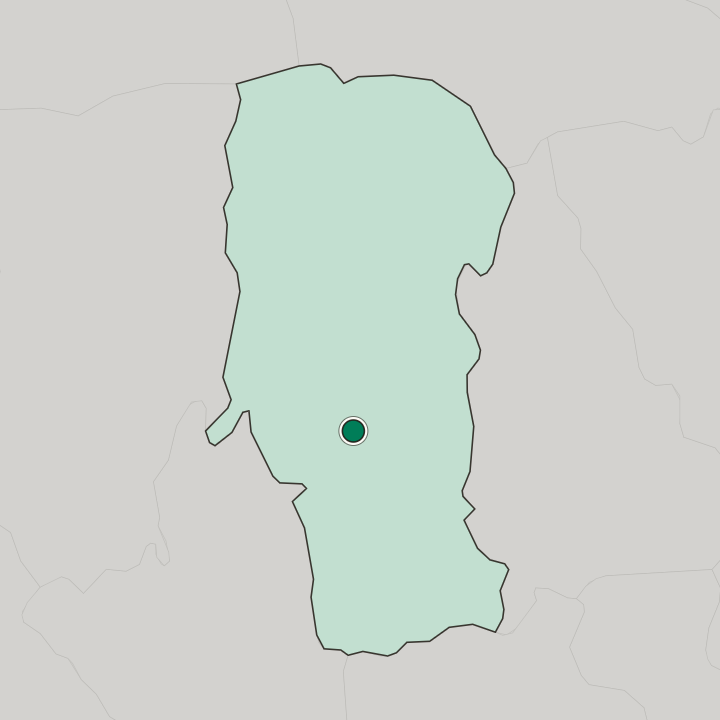
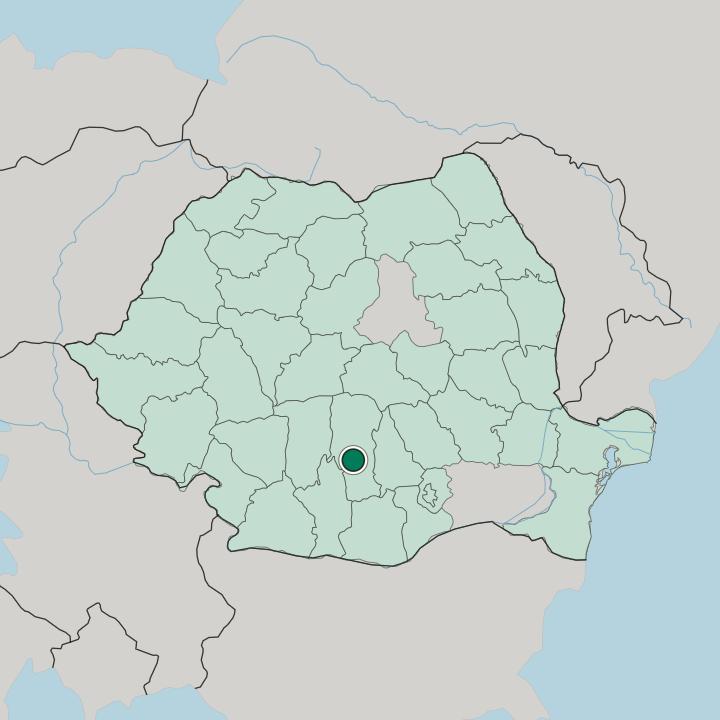
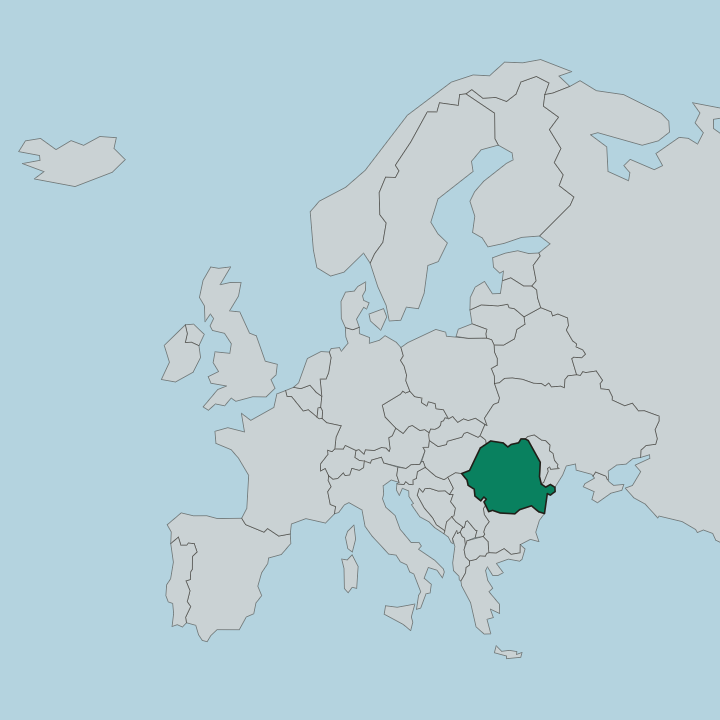
The Argeș runs through it. Pitești lies on that river in Muntenia, the historical region that covers this part of Romania, and the built-up area spreads over some 111 square kilometres. Argeș County surrounds the city, and Ștefănești and Valea Mare Podgoria sit close enough that their churches read as part of the same district.
Bălilești lies nearby too. The river gives the city its axis.
What is the climate of Piteşti?
Seasons here run to extremes rather than averages. Winter over Muntenia brings frost and short grey days to the Argeș valley, and then summer arrives hot enough that the tulip beds of Simfonia Lalelelor belong firmly to spring rather than to July. Spring is the season to come.
Rain and mud follow the thaw. Autumn cools slowly across Argeș County, and the last warm weeks often stretch well past the point at which the calendar has given up on them.
How do you get to Piteşti?
The A1 does most of the work. That freeway connects Pitești directly to Bucharest, which puts the capital within an easy drive and makes the road the default approach. Trains matter as much.
Pitești is an important railway junction, and the classification yard at nearby Bălilești sorts the freight that passes through, which keeps the city on lines running well beyond Argeș County. Local roads finish the job. Ștefănești and the smaller places around it are a short drive out.
Common questions
What is the best area to stay in Piteşti?
Around the Cathedral of Saint George: Church and museum walking in Pitești. Trivale: Quiet evenings by the Trivale hermitage. The A1 corridor: Overnight stops on the run to Bucharest.
Good for
Updated October 2026