Romania · Bistriţa-Năsăud
Where to Stay in Bistriţa, Bistriţa-Năsăud
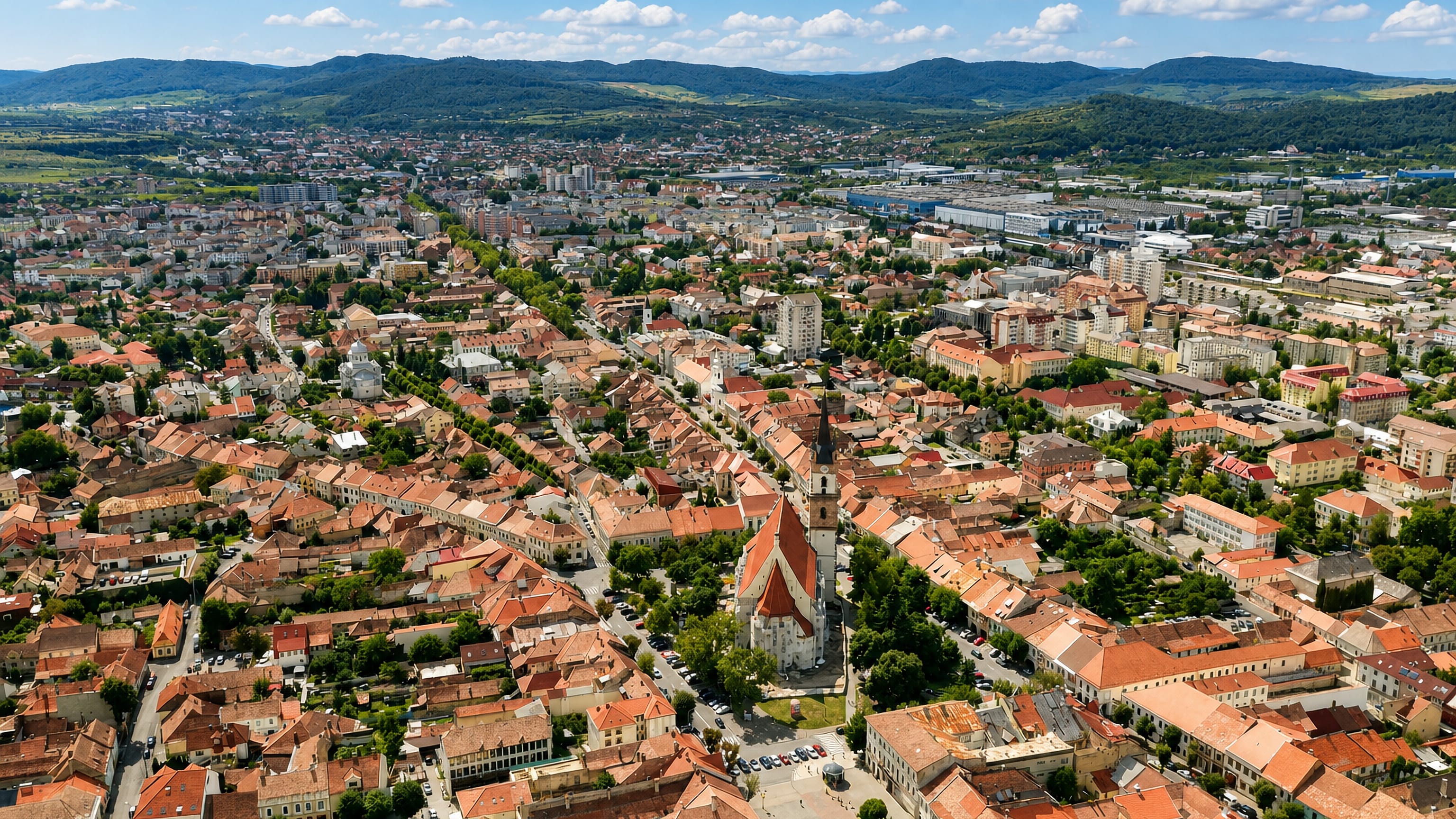
Bistriţa, seat of Bistriţa-Năsăud County, keeps a medieval core recorded from 1264, with the Sugălete Passage and Casa Argintarului at its centre.
Hotel links are affiliate links: booking through them may earn us a commission, at no extra cost to you. It never affects how places are ranked. How this works


Where to stay in Bistriţa
Where visitors usually base themselves, and why.
Rooms line the old frontages. The Sugălete Passage in Bistriţa, Casa Argintarului and Casa Johannes Lapicida din Bistrița form one continuous run, and a bed among them leaves the Biserica Evanghelică din Bistrița and the Muzeul județean Bistrița-Năsăud a few minutes off on foot. That is nearly the whole centre.
Cazinoul Bistrița and the Centrul Municipal pentru Cultură George Coșbuc stand on the same short circuit, so an evening out takes no more planning than a walk. The old defences make a quieter option. Bistrița Citadel and Coopers Tower in Bistrița mark the edge of the medieval town, and a room out by them swaps shopfronts for the wall line and a slightly longer walk back in.
Viișoara lies further out again. If you are driving the county and want Saint Nicholas church in Viișoara and the roads of Bistriţa-Năsăud County rather than the arcades, take a bed on that side and keep the car outside the door. Nights out there are quiet.
The Statuia lui Andrei Mureșanu din Bistrița and the Former dominican monastery in Bistrița stay in reach of either choice, which is the useful thing about a centre this small.
Find hotels in Bistriţa
Direct booking searches for these neighbourhoods.
The Sugălete Passage frontages
The Sugălete Passage in Bistriţa, Casa Argintarului and Casa Johannes Lapicida din Bistrița form one continuous run of old frontagesFind hotels in The Sugălete Passage frontagesWalkers tracing the old defences and the Former dominican monastery in BistrițaBy Bistrița Citadel and Coopers Tower in Bistrița
Bistrița Citadel and Coopers Tower in Bistrița mark the edge of the medieval town, a few minutes out from the shopping streets. Few places to stay nearby — book ahead.Find hotels in By Bistrița Citadel and Coopers Tower in BistrițaDrivers leaving town past Saint Nicholas church in ViișoaraThe Viișoara side
Viișoara lies past the built-up edge of Bistriţa, where Saint Nicholas church in Viișoara stands and a parked car costs nothing. Few places to stay nearby — book ahead.Find hotels in The Viișoara sideHotel links are affiliate links: booking through them may earn us a commission, at no extra cost to you. It never affects how places are ranked. How this works
Things to do in Bistriţa
Ranked by global recognition; descriptions from Wikidata (CC0).
Museums & Galleries
1- Muzeul județean Bistrița-Năsăud Heritage
Churches & Religious Sites
5- Biserica Evanghelică din Bistrița Heritage
- Minorit Church in Bistriţa Heritage
- Synagogue of Bistrița Heritage
- Former dominican monastery in Bistrița Heritage
- Saint Nicholas church in Viișoara Heritage
Castles & Historic Sites
2- Casa Argintarului Heritage
- Situl arheologic „Orașul medieval Bistrița” Heritage
Landmarks & Notable Places
3- Coopers Tower in Bistrița Heritage
- Sugălete Passage in Bistriţa Heritage
- Casa Johannes Lapicida din Bistrița Heritage
worth knowingacross 4 categories in Bistriţa
About Bistriţa
Merchants built the centre.
What is Bistriţa known for?
The Sugălete Passage in Bistriţa threads through it, and Casa Argintarului and Casa Johannes Lapicida din Bistrița stand among the same run of old frontages. Towers survive too. Coopers Tower in Bistrița and Bistrița Citadel hold the defensive line, while the Biserica Evanghelică din Bistrița rises above the roofs in the middle of everything else.
What are the main landmarks in Bistriţa?
Bistrița Citadel dates the defences. Coopers Tower in Bistrița survives from the same line, while the Situl arheologic "Orașul medieval Bistrița" records the medieval town as excavated ground rather than standing wall. Congregations divide the rest.
The Biserica Evanghelică din Bistrița, the Minorit Church in Bistriţa, the Former dominican monastery in Bistrița, the Synagogue of Bistrița and Saint Nicholas church in Viișoara each served a different community, and Cazinoul Bistrița stands for the secular side of the same streets.
What is the history of Bistriţa?
1264 opens the record. Bistriţa has been a town since then, and the Situl arheologic "Orașul medieval Bistrița" is where the earliest layers of it are read out of the ground rather than off a wall. Walls followed the market.
Bistrița Citadel and Coopers Tower in Bistrița belong to the defended stage, when the frontages of the Sugălete Passage in Bistriţa carried the trade inside them. Building spread among congregations. The Biserica Evanghelică din Bistrița, the Minorit Church in Bistriţa and the Former dominican monastery in Bistrița divide the older religious ground between them, and the Synagogue of Bistrița records a further community established in the same streets.
Houses carry names of their own. Casa Argintarului and Casa Johannes Lapicida din Bistrița are named for a trade and for a man, Johannes Lapicida, which is as near a signature as the domestic record comes. Schools and monuments carry names too.
Liviu Rebreanu National College and Colegiul Național "Andrei Mureșanu", Bistrița hold the names of Liviu Rebreanu and Andrei Mureșanu, the Statuia lui Andrei Mureșanu din Bistrița keeps the second of them in the open air, and the Centrul Municipal pentru Cultură George Coșbuc adds George Coșbuc to the same list. Muzeul județean Bistrița-Năsăud gathers what the county has kept.
Where is Bistriţa?
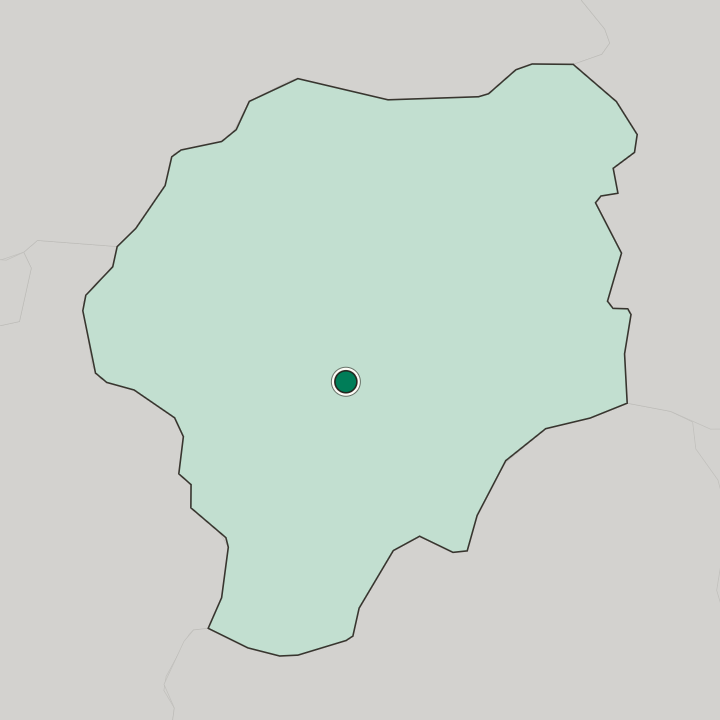
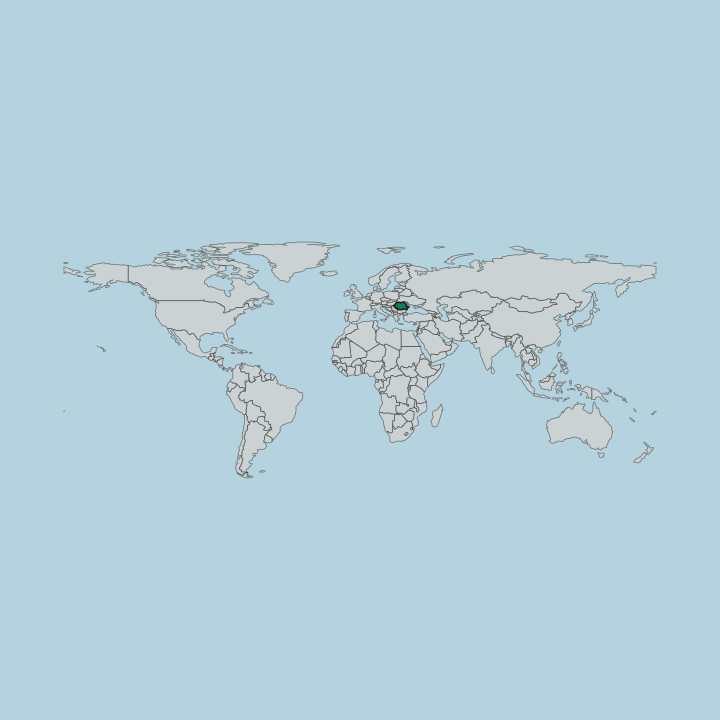
The old town sits tight. Its frontages, the Sugălete Passage in Bistriţa among them, lie inside the line that Bistrița Citadel and Coopers Tower in Bistrița once held, and everything central falls within that outline. Viișoara lies outside it.
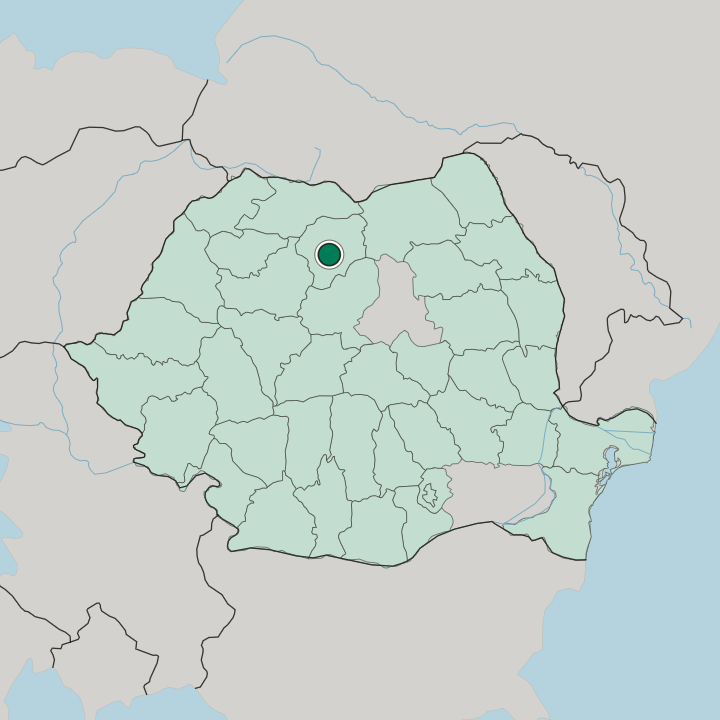
Bistriţa-Năsăud County spreads on from there, and Saint Nicholas church in Viișoara marks ground where the built-up city has already given way.
What is the climate of Bistriţa?
Wet spells favour the arcades. The Sugălete Passage in Bistriţa earns its keep on those days, since the temperate band of the northern hemisphere gives this inland county both a hard winter and a summer warm enough to sit out in. Cold closes over Bistrița Citadel.
Spring and early autumn are the best weeks for a walk out to the Former dominican monastery in Bistrița and back.
How do you get to Bistriţa?
Bistriţa is entered as a county seat. Roads across Bistriţa-Năsăud County converge here because the administration and the Muzeul județean Bistrița-Năsăud are in the city rather than out among the villages, and Viișoara lies just beyond the built-up edge. After that it is all on foot.
The Sugălete Passage in Bistriţa, Casa Argintarului and the Biserica Evanghelică din Bistrița stand minutes apart once a car is left behind.
Common questions
What is the best area to stay in Bistriţa?
The Sugălete Passage frontages: Guests wanting Casa Argintarului and the Biserica Evanghelică din Bistrița at the door. By Bistrița Citadel and Coopers Tower in Bistrița: Walkers tracing the old defences and the Former dominican monastery in Bistrița. The Viișoara side: Drivers leaving town past Saint Nicholas church in Viișoara.
Good for
Updated October 2026