Romania
Bistriţa-Năsăud, Romania — Towns & Travel Guide
Bistriţa-Năsăud is a county of Romania in Transylvania, an inland stretch of temperate country administered from the city of Bistriţa.
Hotel links are affiliate links: booking through them may earn us a commission, at no extra cost to you. It never affects how places are ranked. How this works


Towns & cities in Bistriţa-Năsăud
One town here has its own guide — it links to where to stay.

 Romania
Bistriţa
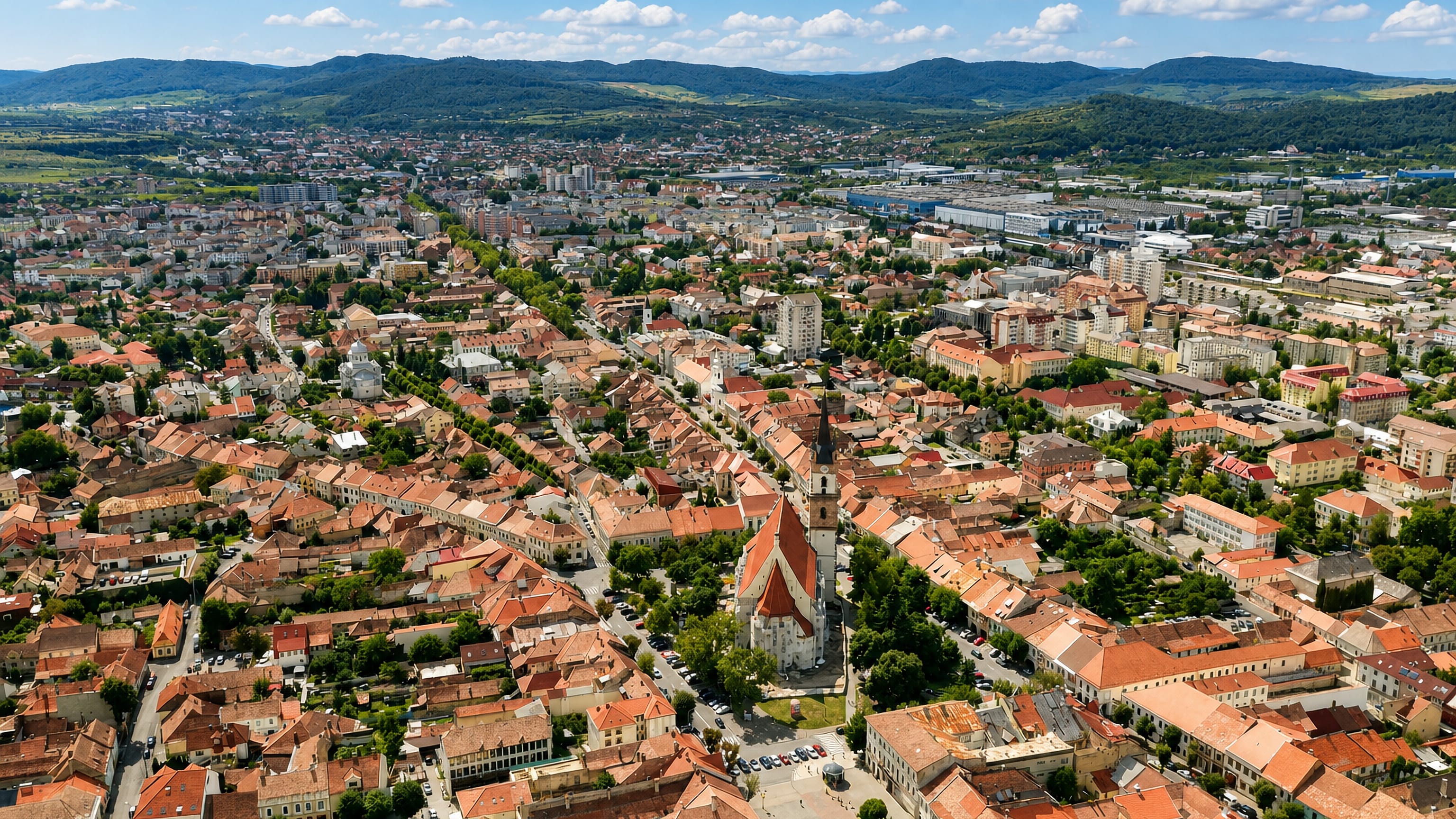
Bistriţa, seat of Bistriţa-Năsăud County, keeps a medieval core recorded from 1264, with the Sugălete Passage and Casa Argintarului at its centre.Where to stay →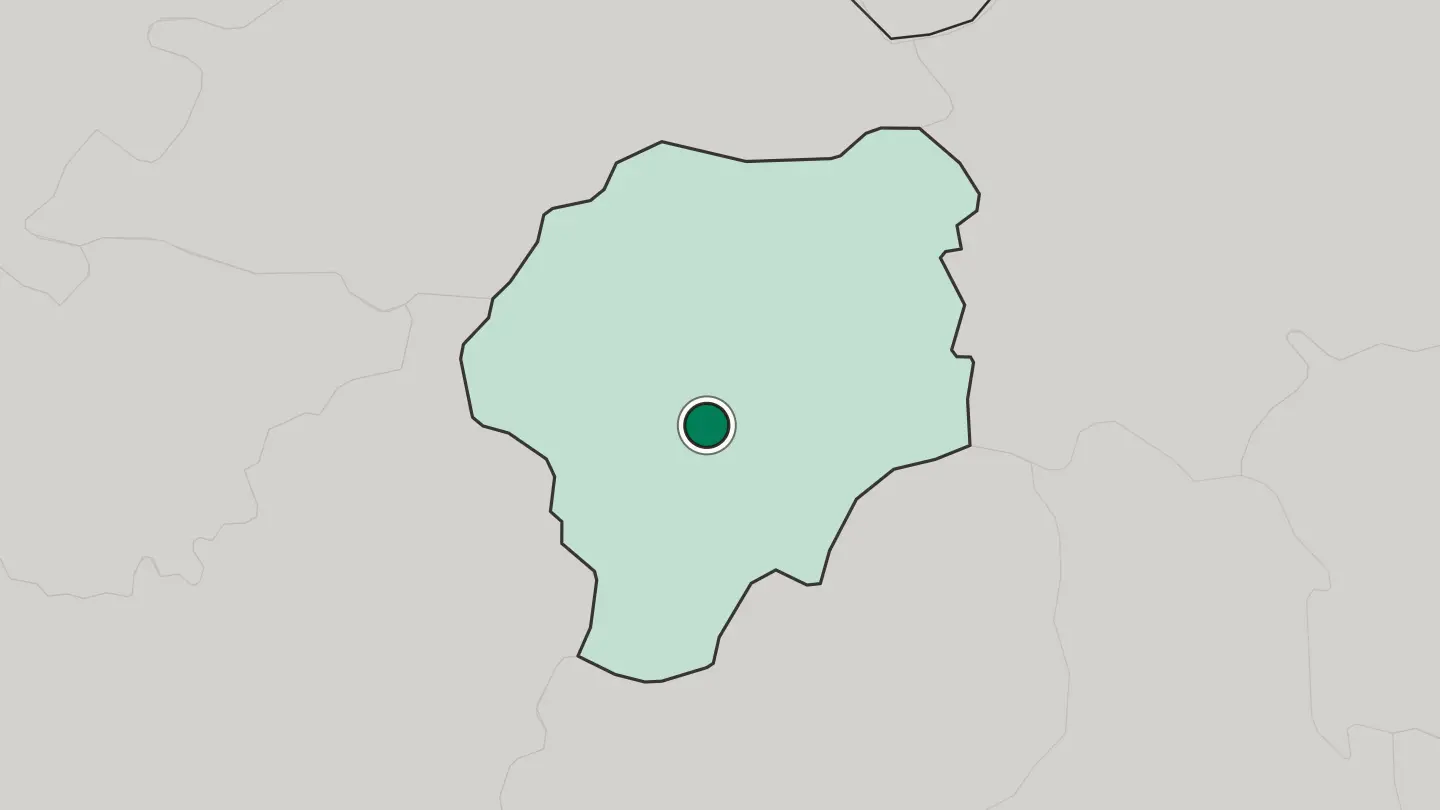
Hotel links are affiliate links: booking through them may earn us a commission, at no extra cost to you. It never affects how places are ranked. How this works
About Bistriţa-Năsăud
Transylvania is the setting.
What is Bistriţa-Năsăud known for?
Bistriţa-Năsăud is one of the counties into which Romania is divided, and its name pairs two centres, Bistriţa and Năsăud, rather than naming a single town. Bistriţa is the capital. Administration, transport and most of what a visitor will need are concentrated in that city, and the rest of the county reads as the country around it, held inside the wider Transylvanian region of Romania.
Where is Bistriţa-Năsăud?
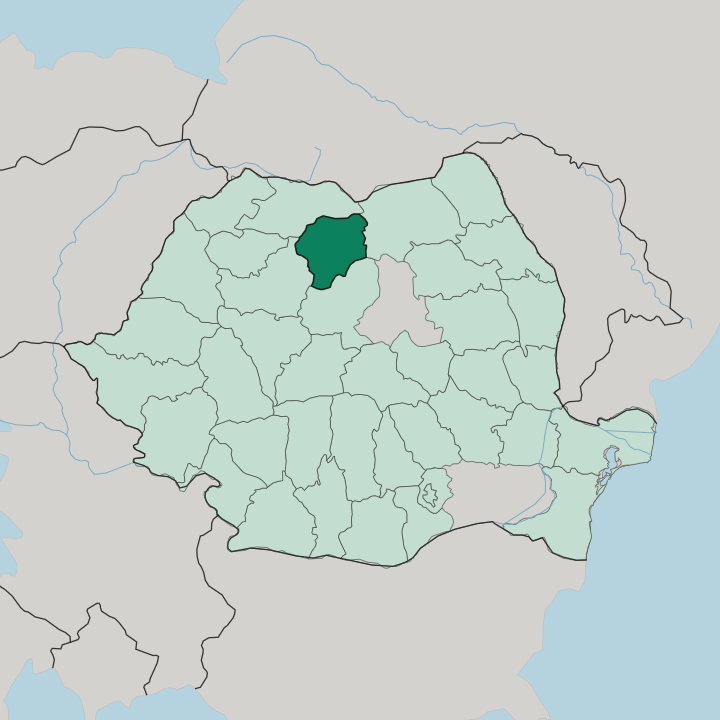
The county lies well inland. Bistriţa-Năsăud sits within Transylvania, the inland region of Romania, so no part of it touches the sea and every approach to it is made overland. Bistriţa fixes the county's centre.
The capital city gives the county its reference point, and distances inside Bistriţa-Năsăud are most easily understood as the run out from that one place and back again. The name marks a second focus. Năsăud stands in the county's title beside Bistriţa, and the pairing points to a territory that has answered to more than one centre.
The temperate band covers all of it. Nothing in the county escapes that setting, and the seasons that reach Transylvania reach every corner of Bistriţa-Năsăud at much the same time. The county's outline dates from an administrative act, and what it encloses is a stretch of Transylvania that has to be crossed by road to be seen properly.
Romania's other counties press in on every side, and Bistriţa-Năsăud's own extent is modest enough that a traveller based in the capital can reach its far edges and return within a day.
What is Bistriţa-Năsăud like?
Romanian is the language of the county. Bistriţa-Năsăud belongs to Transylvania, and that regional identity is older and broader than the county line drawn around this particular stretch of it. The county itself is a young unit.
Its present form dates from 1968, so the administrative unit is a good deal newer than Bistriţa, the city that serves as its capital, and newer than the settlements its borders enclose. Two names, a single county. Bistriţa and Năsăud both appear in the title, and a compound of that kind usually records two places that mattered enough to be named together when the borders were set.
Daily life gathers in the capital. Bistriţa carries the county's offices and its main services, which makes it the place where the administrative identity of Bistriţa-Năsăud is most visible, while the rest of the county keeps to the pattern of Transylvania around it. Romania frames all of it.
The county is a judeţ in the Romanian system, its language is Romanian, and its institutions are those of the Romanian state rather than of any separate regional government.
What is the history of Bistriţa-Năsăud?
The county dates from 1968. That year gave Bistriţa-Năsăud its present borders and its present name, joining Bistriţa and Năsăud in the title of a single county of Romania. Transylvania supplies the longer story.
The ground inside those borders belonged to that region long before the county was drawn, and the settlements the reorganisation gathered together, Bistriţa among them, carry histories of their own that predate the line on the map.
What is the climate of Bistriţa-Năsăud?
Being far inland is what shapes the year. Bistriţa-Năsăud sits well inside Transylvania, in the temperate band of the north, so the year swings between a warm middle and a cold end without any coastal water to soften either. Transylvania sets the pattern.
Travel plans in Bistriţa-Năsăud turn on that swing more than on anything else, since the roads out from Bistriţa are what a visitor depends on and they are easiest in the warmer half of the year.
How do you get to Bistriţa-Năsăud?
Every route in runs over land. Bistriţa-Năsăud has no coast and no sea approach, so arrival is made overland across Transylvania, with Bistriţa the usual first stop. Romania's other counties surround it.
Reaching Bistriţa-Năsăud therefore means crossing one of them first, and the same is true in reverse, which puts the county in the middle of a journey rather than at the end of one.
Common questions
What is the best area to stay in Bistriţa-Năsăud?
Bistriţa: a first and simplest base inside Bistriţa-Năsăud. The Năsăud side of the county: driving trips built around the second half of the county's name.
More regions in Romania
Updated September 2026