Romania · Botoşani
Where to Stay in Botoşani
Botoşani is the seat of Botoșani County, a town recorded from 1350 whose oldest fabric is Popăuți Monastery and the archaeology at Curtești.
Hotel links are affiliate links: booking through them may earn us a commission, at no extra cost to you. It never affects how places are ranked. How this works


Where to stay in Botoşani
Where the beds are, and what that means for the visit.
Rooms sit close to Uspenia Church in Botoșani. That part of Botoşani puts the Muzeul Județean de Istorie, the Muzeul de Etnografie din Botoșani and the House of Alexandru Văsescu within a walk of one another, which covers everything most visits are here to see. Botoşani's core covers little ground.
Biserica Băcanilor și Răchitenilor and the Pious Parascheva Church stand on the same civic ground, so a bed anywhere among these streets works without transport. The Lipovenian Church is a short detour from the same core, and nothing between these buildings takes more than a few minutes on foot. Keys are few but central.
Popăuți Monastery draws the other side. Its enclosure lies apart from the shopping streets, and staying near it swaps the museums at the door for quieter ground and a longer walk back after dark. Nights there are calmer than in the centre.
Curtești is further still. If you are working across Botoșani County, or want to reach the Situl arheologic de la Curtești and the Groapa lui Ichim site without arranging a lift each morning, a bed out that way with a car beside it beats a central one.
Find hotels in Botoşani
Direct booking searches for these neighbourhoods.
The streets by Uspenia Church in Botoșani
Uspenia Church in Botoșani, the Muzeul de Etnografie din Botoșani and Biserica Băcanilor și Răchitenilor stand within a few minutes of one another. Beds are limited here, so book early.Find hotels in The streets by Uspenia Church in BotoșaniQuieter nights beside the Popăuți Monastery enclosureAround Popăuți Monastery
The monastery lies apart from the shopping streets of Botoşani, so the museums become a walk rather than a doorstep. Few places to stay nearby — book ahead.Find hotels in Around Popăuți MonasteryDrivers reaching the Situl arheologic de la Curtești and the county beyondThe Curtești side
The Situl arheologic de la Curtești and the Groapa lui Ichim site lie outside the built-up town, where a parked car matters more than a short walk. Few places to stay nearby — book ahead.Find hotels in The Curtești sideHotel links are affiliate links: booking through them may earn us a commission, at no extra cost to you. It never affects how places are ranked. How this works
Things to do in Botoşani
Ranked by global recognition; descriptions from Wikidata (CC0).
Museums & Galleries
2- Muzeul Județean de Istorie Heritage
- Muzeul de Etnografie din Botoșani Heritage
Churches & Religious Sites
8- Popăuți Monastery Heritage
- St. George Church in Botosani Heritage
- St. Mary's Church in Botosani Heritage
- Pious Parascheva Church Heritage
- St. Nicholas Church in Botosani Heritage
Show 3 more →
- Biserica Băcanilor și Răchitenilor, azi Biserica „Sf. Trei Ierarhi” Heritage
- Biserica „Sf. Gheorghe” Heritage
- Lipovenian Church "The Birth of the Virgin Mary" from Botoșani Heritage
Castles & Historic Sites
2- Situl arheologic de la Botoșani, punct „Groapa lui Ichim (Achim)” Heritage
- Situl arheologic de la Curtești Heritage
Landmarks & Notable Places
2- House of Alexandru Văsescu Heritage
- Casă Heritage
worth knowingacross 4 categories in Botoşani
About Botoşani
Popăuți Monastery carries the town.
What is Botoşani known for?
Its walls are among the older standing work in Botoşani, and the parish churches that followed, Uspenia Church in Botoșani, the Pious Parascheva Church and the Lipovenian Church, spread the same building tradition through the quarters. Two museums hold the record. Muzeul Județean de Istorie keeps the county history and the Muzeul de Etnografie din Botoșani keeps its material culture, while the House of Alexandru Văsescu preserves a private house of the older street.
What are the main landmarks in Botoşani?
The monastery leads. Popăuți Monastery is the fixed point, with Uspenia Church in Botoșani, the Pious Parascheva Church, the Lipovenian Church and Biserica Băcanilor și Răchitenilor carrying the parish work that came after it. House of Alexandru Văsescu stands for the domestic side.
Two museums complete the list: the Muzeul Județean de Istorie and the Muzeul de Etnografie din Botoșani. Older ground lies at the Situl arheologic de la Curtești.
What is the history of Botoşani?
Settlement predates the charter. Groapa lui Ichim and the Situl arheologic de la Curtești record people on this ground long before 1350, which is the year the written record picks Botoşani up and begins to name it. The town grew after that.
Popăuți Monastery belongs to the medieval stage, and its enclosure is the oldest complete piece of building the town still keeps standing. Parish building carried the following centuries. Uspenia Church in Botoșani, the Pious Parascheva Church and Biserica Băcanilor și Răchitenilor were raised by separate quarters, and the names they still carry mark which part of the town paid for each.
A Lipovenian congregation built its own. The Lipovenian Church stands as that community's church in Botoşani, and its presence beside the others shows a town that made room for more than one rite. Botoșani County formed around the town.
House of Alexandru Văsescu survives from the older residential streets, and the Muzeul Județean de Istorie and the Muzeul de Etnografie din Botoșani now hold what the county has gathered from all of it. 1350 stays the earliest firm date the town can point to, and everything before it is read out of the ground rather than out of documents.
Where is Botoşani?
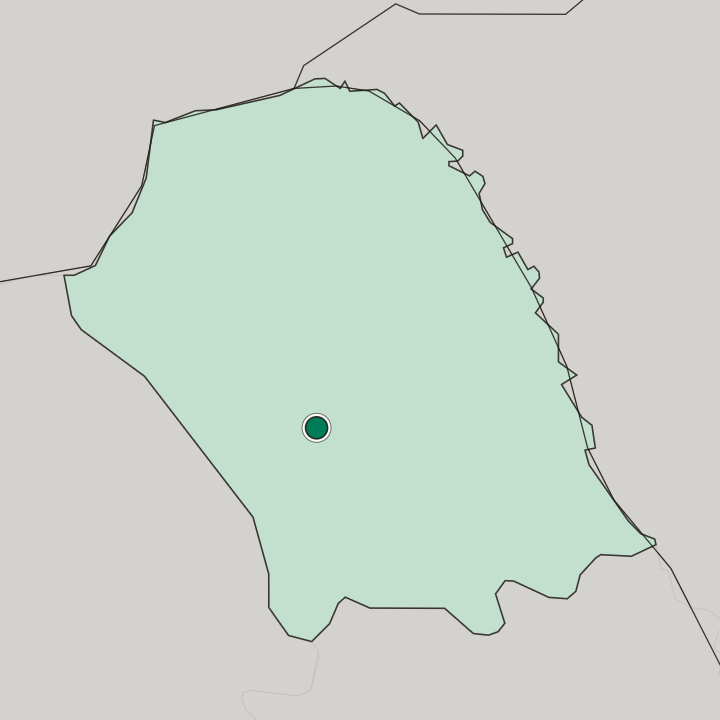
The built-up town stays compact. Botoșani County spreads around it, and Curtești lies just outside the edge, close enough that the Situl arheologic de la Curtești counts as local ground rather than an excursion. You can cross the centre on foot.
Popăuți Monastery, Uspenia Church in Botoșani and the Muzeul Județean de Istorie sit within the same few streets, and the Groapa lui Ichim site marks where older occupation lay before the modern outline formed.
What is the climate of Botoşani?
Winters arrive early and stay. Botoşani lies inland with no coast or lake to hold the temperature steady, so the temperate band of the northern hemisphere delivers its full range here, from hard frost to genuine summer heat. Snow settles on Popăuți Monastery.
Spring and autumn are short by comparison, and the walk between the Muzeul Județean de Istorie and Uspenia Church in Botoșani is pleasantest in those weeks.
How do you get to Botoşani?
Arrival is a matter of which road you take into Botoşani. Botoşani sits at the centre of Botoșani County, so the county routes converge here and the town works as the base for anything in the surrounding district, including Curtești. The centre needs no transport.
Uspenia Church in Botoșani, the Muzeul de Etnografie din Botoșani, Biserica Băcanilor și Răchitenilor and the House of Alexandru Văsescu stand within one short circuit. Popăuți Monastery is the longer walk.
Common questions
What is the best area to stay in Botoşani?
The streets by Uspenia Church in Botoșani: Visits centred on the Muzeul Județean de Istorie and the House of Alexandru Văsescu. Around Popăuți Monastery: Quieter nights beside the Popăuți Monastery enclosure. The Curtești side: Drivers reaching the Situl arheologic de la Curtești and the county beyond.
Good for
Updated October 2026