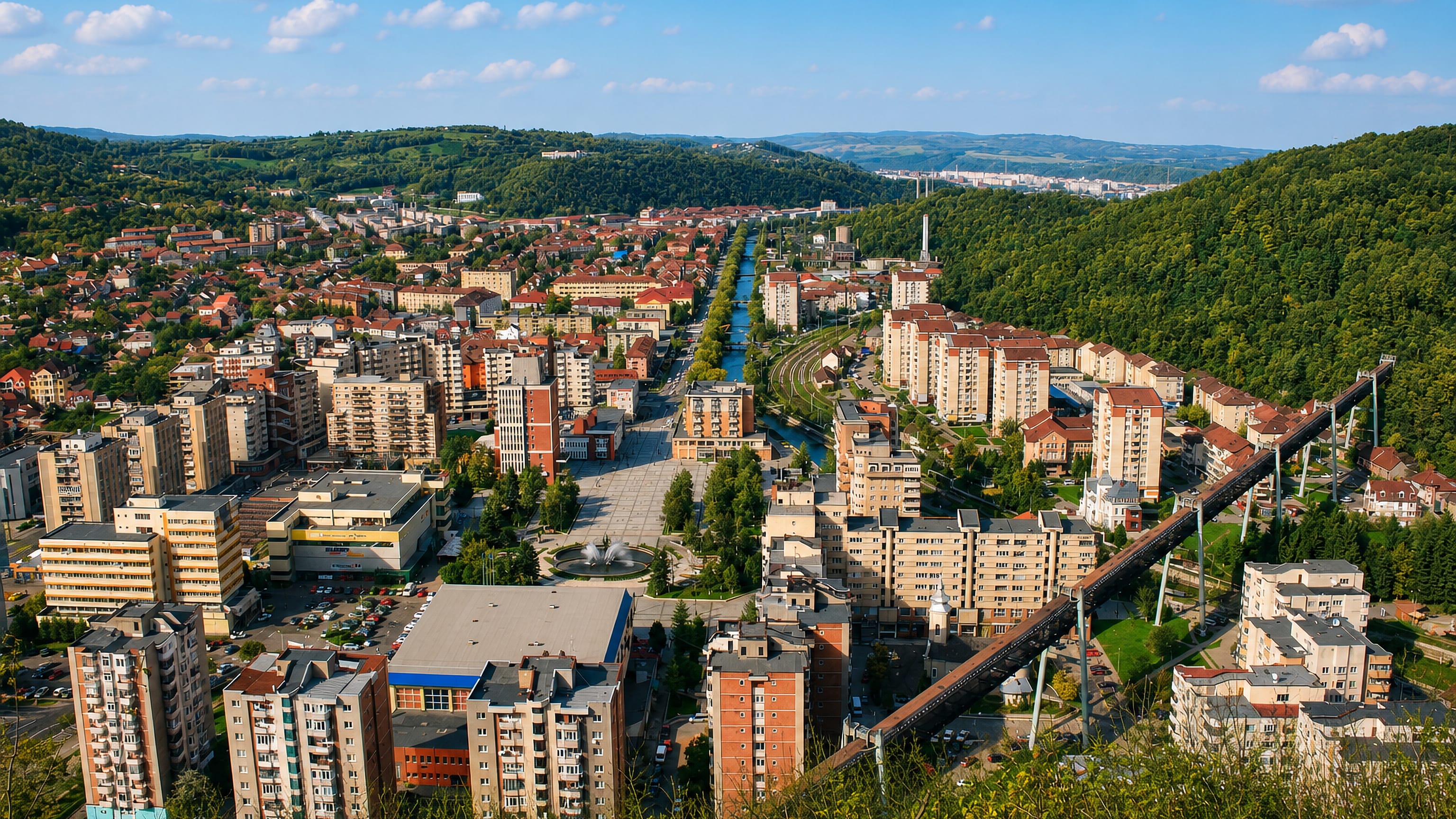
Romania · Caraş-Severin
Where to Stay in Reşiţa, Caraş-Severin
Reşiţa, capital of Caraș-Severin County in the Banat, dates from 1673 and keeps a steam locomotive museum among its industrial fabric.
Hotel links are affiliate links: booking through them may earn us a commission, at no extra cost to you. It never affects how places are ranked. How this works


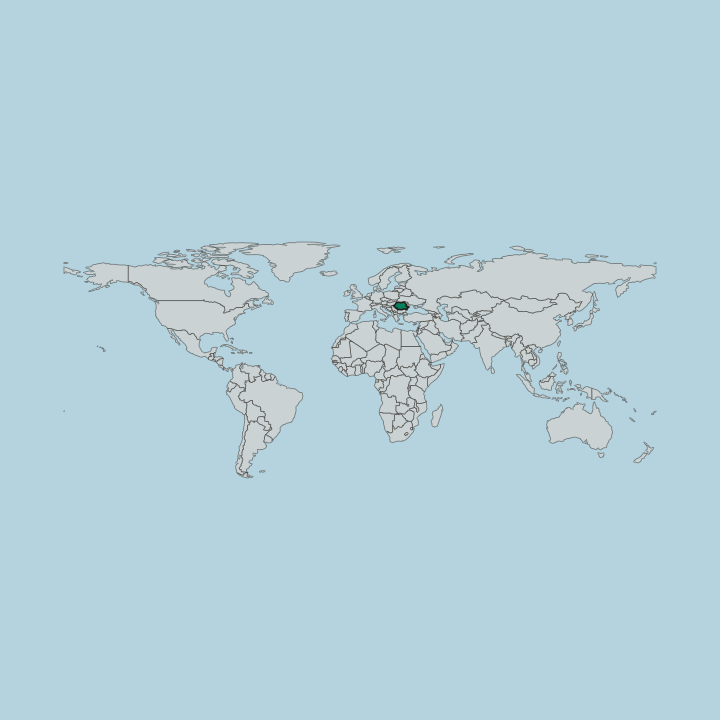
Where to stay in Reşiţa
One neighbourhood here has its own guide — here's what it is best for.

 ReşiţaRomania
Țerova
Țerova is one of the six villages Reşiţa administers, a Banat settlement in Caraş-Severin County on record from 1433.Where to stay →Hotel links are affiliate links: booking through them may earn us a commission, at no extra cost to you. It never affects how places are ranked. How this works
Find hotels in Reşiţa
Direct booking searches for these neighbourhoods.
The church streets in the centre
Biserica Duminica Preasfintei Treimi din Reșița, the Biserică tip sală and Muzeul Cineastului Amator stand on one short circuitFind hotels in The church streets in the centreRail arrivals wanting the Muzeul de Locomotive cu Abur Reșița near the platformBy Reșița Sud railway station
Reșița Sud railway station sits at the southern end of the built-up city, closer to the engines than to the churches. Rooms are few around here — worth securing early.Find hotels in By Reșița Sud railway stationDrivers basing themselves between Câlnic, Doman and ȚerovaThe administered villages
Câlnic, Cuptoare, Doman, Moniom, Secu and Țerova lie outside the built-up city, where a parked car counts for more than a pavement. Few places to stay nearby — book ahead.Find hotels in The administered villagesHotel links are affiliate links: booking through them may earn us a commission, at no extra cost to you. It never affects how places are ranked. How this works
About Reşiţa
Locomotives set the tone.
What is Reşiţa known for?
The Steam locomotive museum in Reșița, listed in Romanian as the Muzeul de Locomotive cu Abur Reșița, keeps its engines in the open air, and Reșița Sud railway station carries the working end of the same rails. Film has a museum of its own. Muzeul Cineastului Amator holds the amateur cinema collection, while Biserica Duminica Preasfintei Treimi din Reșița and the Biserică tip sală account for the churches of the city.
What are the main landmarks in Reşiţa?
Steam locomotives are the headline. The Steam locomotive museum in Reșița, the Muzeul de Locomotive cu Abur Reșița under its Romanian name, keeps its engines in the open air, and Reșița Sud railway station stands on the working line at the southern end of the city. Away from the rails stand two churches.
Biserica Duminica Preasfintei Treimi din Reșița is the larger and the Biserică tip sală the plainer, while the Muzeul Cineastului Amator adds a collection of amateur film.
What is the history of Reşiţa?
1673 is the earliest date the city claims. Reşiţa grew from that start in the Banat, on ground that Caraș-Severin County was later drawn around, and rail is the thread running through most of what the place has chosen to keep. Steam holds that record.
The Steam locomotive museum in Reșița, recorded in Romanian as the Muzeul de Locomotive cu Abur Reșița, preserves the engines, and Reșița Sud railway station stands at the southern end of the built-up area. Parish building marks the older town. Biserica Duminica Preasfintei Treimi din Reșița and the Biserică tip sală belong to different phases of that work, the one substantial and the other a hall church raised for a congregation rather than for a skyline.
The county came to be run from here. Reşiţa holds the seat of Caraș-Severin County and administers six villages beyond its own streets, Câlnic, Cuptoare, Doman, Moniom, Secu and Țerova, each carrying its name in more than one language. Film joined the museums later.
Muzeul Cineastului Amator gathers amateur cinema, a record of ordinary life in the Banat that the locomotive collection does not touch.
Where is Reşiţa?
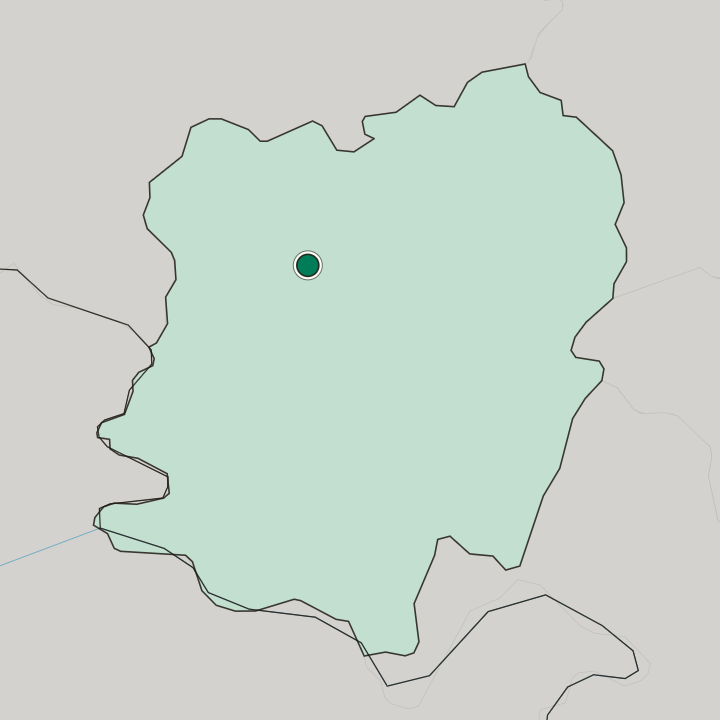
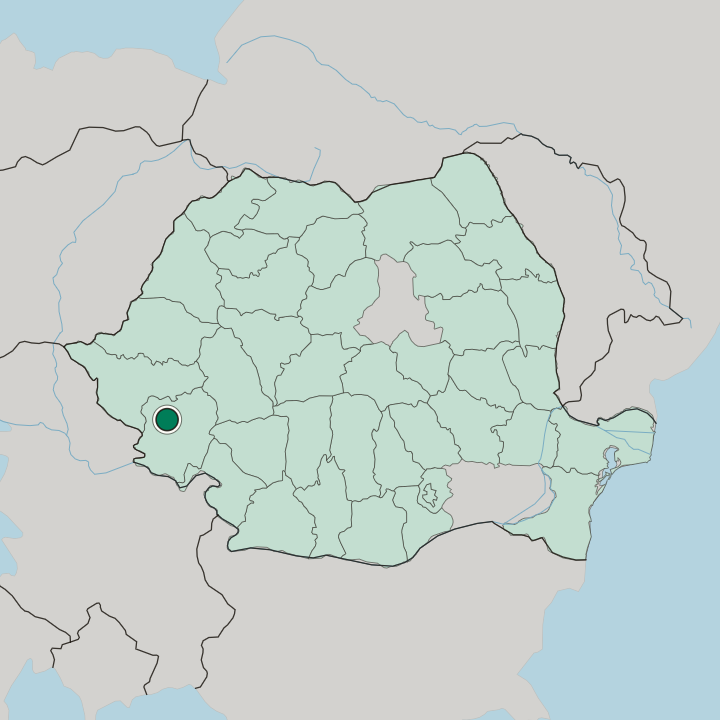
The city runs wider than its centre. Reşiţa administers Câlnic, Cuptoare, Doman, Moniom, Secu and Țerova, so its territory takes in villages and open land well past the streets around Biserica Duminica Preasfintei Treimi din Reșița. Caraș-Severin County surrounds all of it.
The Banat spreads on from there, and Reșița Sud railway station marks the southern edge of the continuous built-up ground.
What is the climate of Reşiţa?
The Banat sets the pattern. Reşiţa lies inland in the temperate band of the northern hemisphere, where summers turn properly hot and winter frost reaches the villages of Secu and Doman as readily as the streets of the centre. Shoulder months are kindest.
Spring and autumn suit the open-air engines at the Steam locomotive museum in Reșița, which are met in a yard rather than under a roof.
How do you get to Reşiţa?
Rail arrives at Reșița Sud railway station. That stop puts the city on the network, and it leaves the Muzeul de Locomotive cu Abur Reșița and the centre a short way off at the southern end of the built-up ground. Roads bring the rest.
Caraș-Severin County converges on its capital, and the administered villages, Câlnic, Cuptoare, Doman, Moniom, Secu and Țerova, hang off those roads rather than off the railway.
Common questions
What is the best area to stay in Reşiţa?
The church streets in the centre: Walking days between Biserica Duminica Preasfintei Treimi din Reșița and the steam engines. By Reșița Sud railway station: Rail arrivals wanting the Muzeul de Locomotive cu Abur Reșița near the platform. The administered villages: Drivers basing themselves between Câlnic, Doman and Țerova.
Good for
Updated September 2026