Romania · Dâmboviţa
Where to Stay in Târgovişte, Dâmboviţa
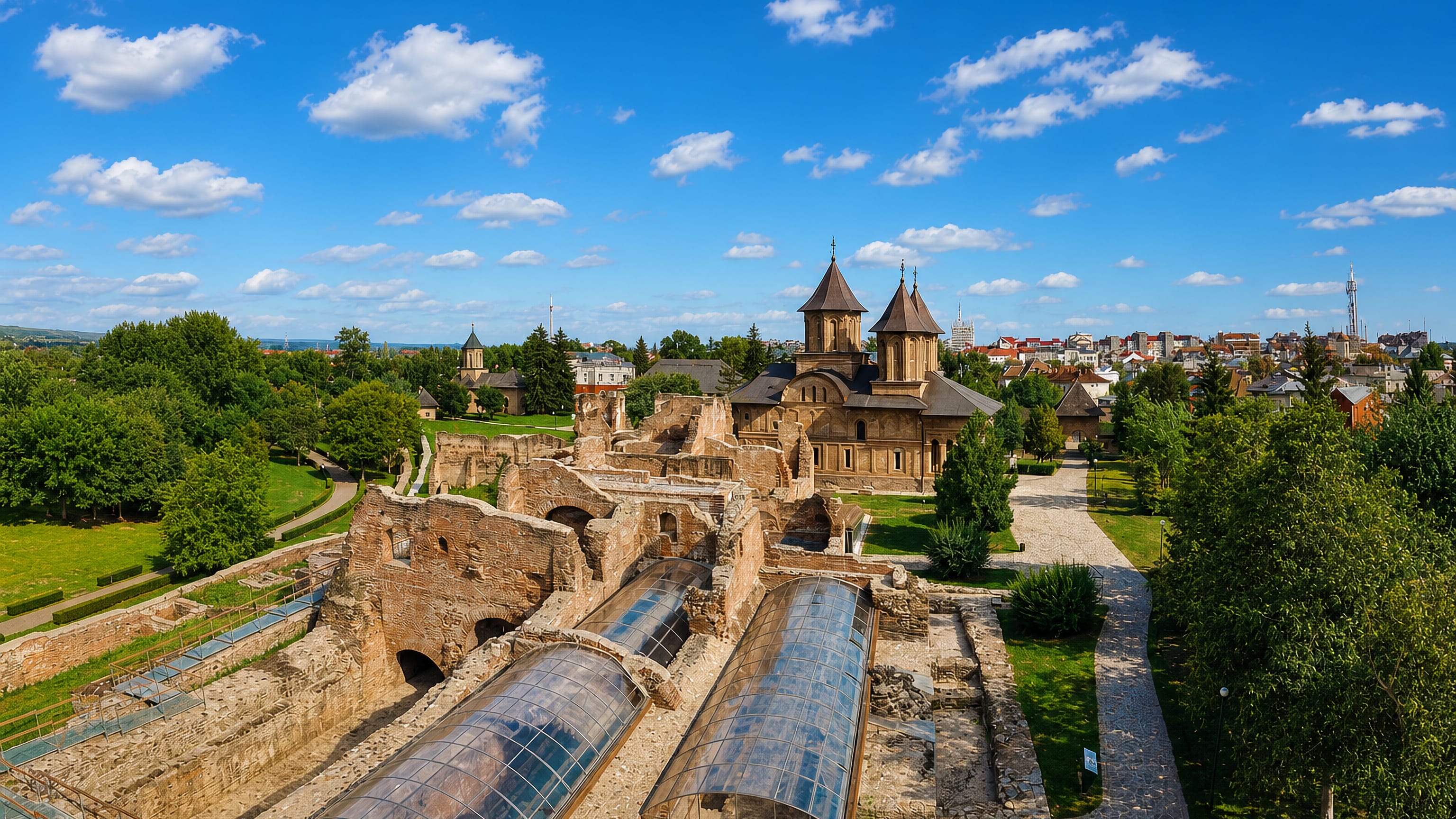
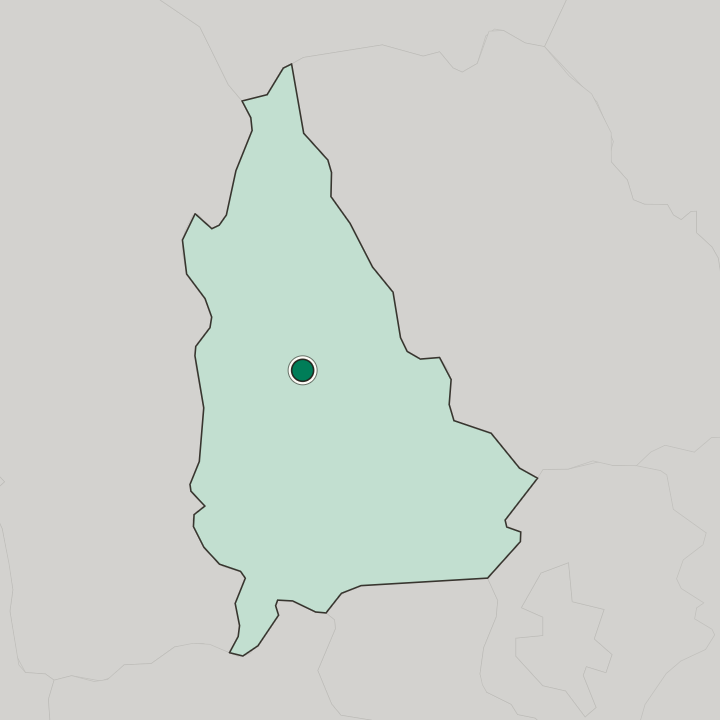
Târgovişte is the seat of Dâmbovița County and was the capital of Wallachia from 1396, its Curtea Domnească standing above the Ialomița River.
Hotel links are affiliate links: booking through them may earn us a commission, at no extra cost to you. It never affects how places are ranked. How this works


Where to stay in Târgovişte
Where visitors usually base themselves, and why.
Beds cluster around the Curtea Domnească enclosure. A room in the streets that ring Complexul Național Muzeal "Curtea Domnească" Târgoviște puts the Assumption Princely Church, the Târgoviște History Museum and the Museum of Printing and Old Romanian Book inside one unbroken walk, which is what most arrivals to Târgovişte come for. The Târgoviște Art Museum sits close.
Casa - Atelier "Gheorghe Petrașcu" is a short detour off the same axis, so the painter's workroom joins the court and the princely church on a single day's route. Everything civic sits inside that ring, from the Muzeul Scriitorilor Dâmbovițeni to the Muzeul Poliției Române, both small enough that one afternoon covers them alongside the court itself. Away from the court the pattern loosens.
Stelea Monastery, the Ascension Metropolitan Church and the Holy Archangels Church stand out in the wider grid of Târgovişte, where rooms are fewer and the walk back after dark is longer than it looks on a map. Keys thin out here. If you are travelling on Dâmbovița County business, or heading on toward Bucharest by road, a bed on the Ialomița River side beats one wedged against the museum quarter.
Find hotels in Târgovişte
Direct booking searches for these neighbourhoods.
The Curtea Domnească ring
The Assumption Princely Church, the Târgoviște History Museum and Casa - Atelier „Gheorghe Petrașcu” all stand within a walk of Complexul Național Muzeal „Curtea Domnească” TârgovișteFind hotels in The Curtea Domnească ringNights near Stelea Monastery and the road out toward BucharestThe Stelea Monastery side
Stelea Monastery and the Ascension Metropolitan Church anchor a looser part of Târgovişte where keys are few and the Ialomița River edge is nearer than the museums. Few places to stay nearby — book ahead.Find hotels in The Stelea Monastery sideHotel links are affiliate links: booking through them may earn us a commission, at no extra cost to you. It never affects how places are ranked. How this works
Things to do in Târgovişte
Ranked by global recognition; descriptions from Wikidata (CC0).
Museums & Galleries
5- Târgoviște Art Museum Heritage
- Târgoviște History Museum Heritage
- Museum of Printing and Old Romanian Book Heritage
- Muzeul Scriitorilor Dâmbovițeni Heritage
- Casa - Atelier „Gheorghe Petrașcu” Heritage
Churches & Religious Sites
8- Stelea Monastery Heritage
- Assumption Princely Church, Târgoviște Heritage
- Ascension Metropolitan Church in Târgoviște Heritage
- St. Nicholas Andronești Church, Târgoviște Heritage
- Holy Archangels Church, Târgoviște Heritage
Show 3 more →
- Roman Catholic Church in Târgoviște Heritage
- Assumption Târgului Church, Târgoviște Heritage
- Biserica „Sf. Împărați Constantin și Elena” Heritage
Landmarks & Notable Places
1- Casă Heritage
worth knowingacross 3 categories in Târgovişte
About Târgovişte
Wallachia governed from here.
What is Târgovişte known for?
Complexul Național Muzeal "Curtea Domnească" Târgoviște keeps the seat of that rule inside the modern street grid, and the Assumption Princely Church stands on the same enclosure as the court that raised it. Stelea Monastery carries the monastic side. Museums fill the rest: the Târgoviște History Museum, the Târgoviște Art Museum, and the Museum of Printing and Old Romanian Book, which fixes the town's part in early Romanian printing.
What are the main landmarks in Târgovişte?
Six names cover a visit. Complexul Național Muzeal "Curtea Domnească" Târgoviște and the Assumption Princely Church hold the princely ground, Stelea Monastery keeps the monastic, and the Ascension Metropolitan Church serves as the metropolitan seat of Târgovişte. Three museums split the indoor hours: the Târgoviște History Museum, the Târgoviște Art Museum and the Museum of Printing and Old Romanian Book.
Casa - Atelier "Gheorghe Petrașcu" preserves a painter's workroom.
What is the history of Târgovişte?
1396 is the fixed point. From that year until 1714 Târgovişte served as the capital of the principality of Wallachia, and the whole apparatus of princely rule sat in Muntenia on the right bank of the Ialomița River. The court is still legible.
Curtea Domnească occupies that ground, and the Assumption Princely Church beside it belongs to the same establishment rather than to a parish added later. Stelea Monastery dates from the same centuries of endowment. Printing arrived early.
The Museum of Printing and Old Romanian Book records that stage, when presses working in Târgovişte put Romanian text into circulation and gave the town a standing beyond the court that had brought it there. After 1714 the capital function left. What stayed was the parish fabric, the Holy Archangels Church and the Assumption Târgului Church among them, together with the county administration that makes Târgovişte the seat of Dâmbovița County.
Gheorghe Petrașcu worked here later, and Casa - Atelier "Gheorghe Petrașcu" keeps his studio. The Târgoviște History Museum and the Muzeul Scriitorilor Dâmbovițeni each hold a piece of that record.
Where is Târgovişte?
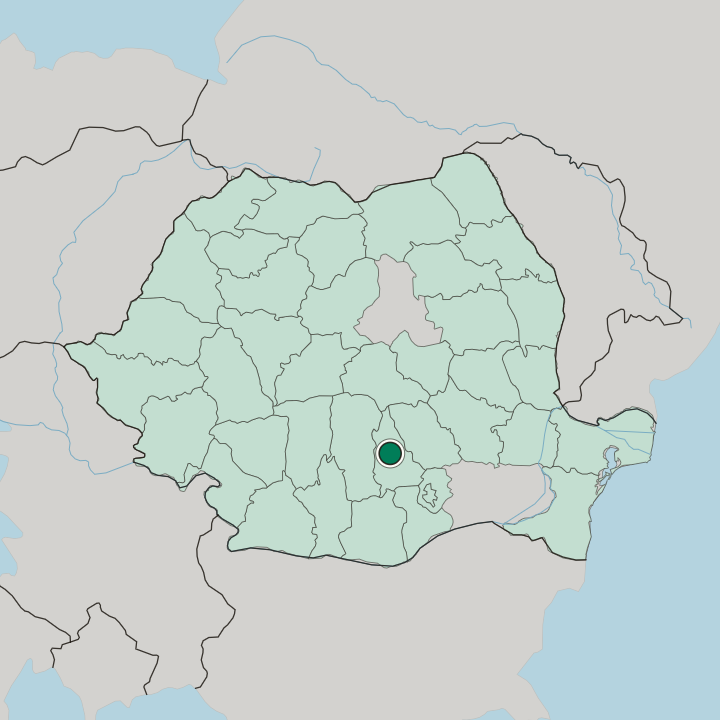
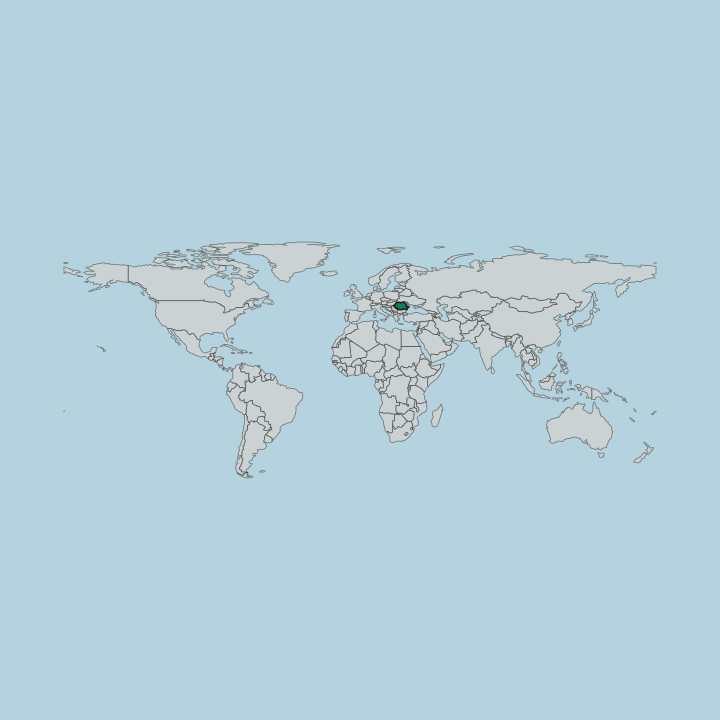
The Ialomița River sets the edge. Târgovişte stands on its right bank in Muntenia, north-west of Bucharest, and Dâmbovița County spreads around the town with the county administration seated inside it. You can cross the centre on foot.
Curtea Domnească, Stelea Monastery and the Ascension Metropolitan Church all fall inside the same walkable frame, and the river marks where that frame stops.
What is the climate of Târgovişte?
Four seasons run their full course. Târgovişte sits inland in Muntenia within the temperate band of the northern hemisphere, so the year swings between hard winters and hot summers rather than settling into anything mild. The Ialomița River holds damp air along its bank after dark, which the streets around Curtea Domnească lose faster.
Muntenia lies open to that continental swing.
How do you get to Târgovişte?
Bucharest is the approach. Târgovişte lies north-west of Bucharest, and the road between the two cities carries most arrivals into the seat of Dâmbovița County rather than any route crossing Muntenia from another direction. Inside the town nothing needs wheels.
Curtea Domnească, the Târgoviște History Museum and the Museum of Printing and Old Romanian Book stand close enough together for one walk to take in all three. The villages of Dâmbovița County are another matter, and reaching them means driving out from Târgovişte.
Common questions
What is the best area to stay in Târgovişte?
The Curtea Domnească ring: Arrivals whose day is the princely court and the Museum of Printing and Old Romanian Book. The Stelea Monastery side: Nights near Stelea Monastery and the road out toward Bucharest.
Good for
Updated October 2026