Romania
Dâmboviţa, Romania — Towns & Travel Guide
Dâmbovița is a county in southern Romania that climbs from the Titu Plain to Omu Peak, with Târgoviște, Wallachia's old capital, at its heart.
Hotel links are affiliate links: booking through them may earn us a commission, at no extra cost to you. It never affects how places are ranked. How this works


Towns & cities in Dâmboviţa
One town here has its own guide — it links to where to stay.

 Romania
Târgovişte
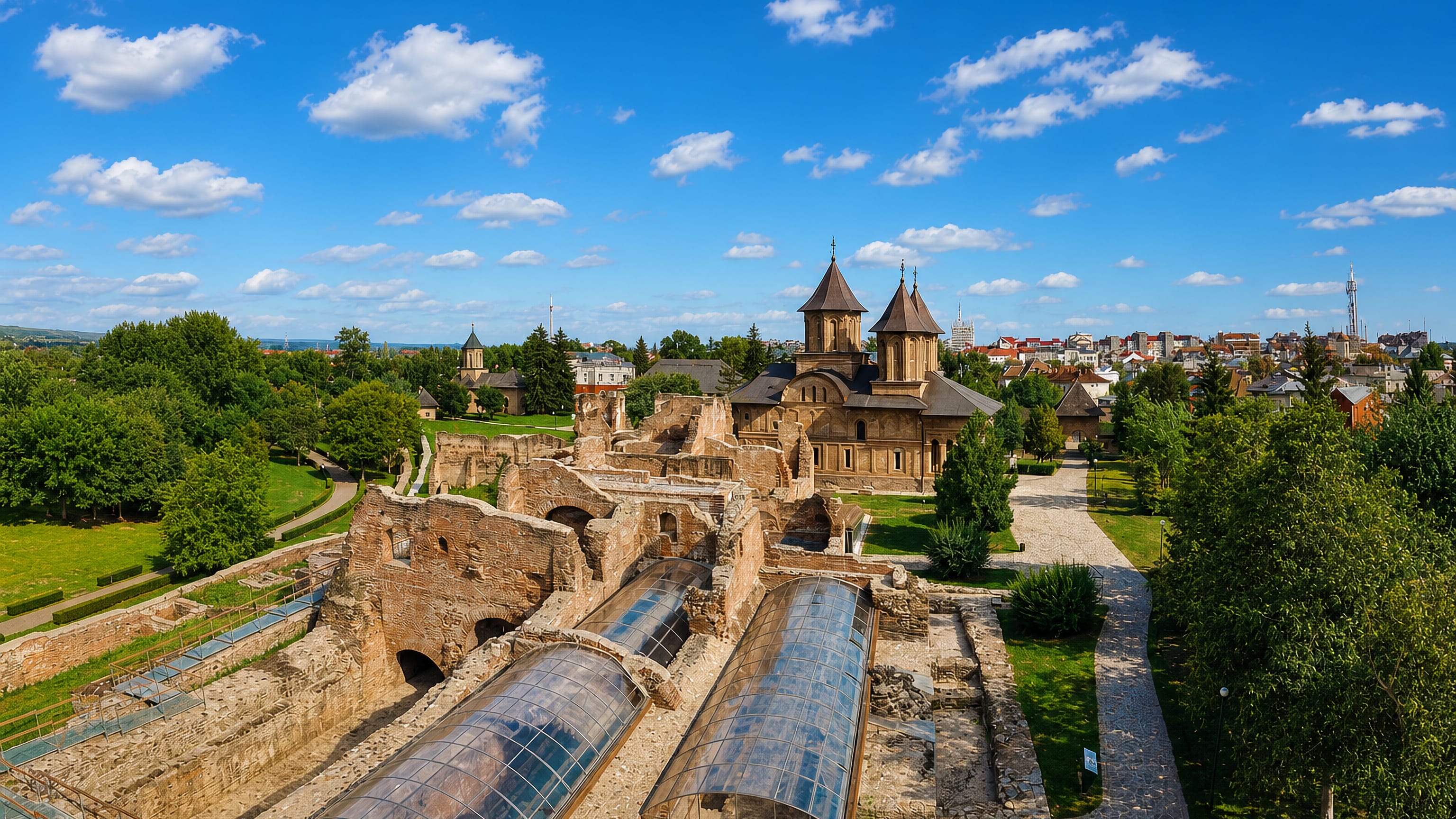
Târgovişte is the seat of Dâmbovița County and was the capital of Wallachia from 1396, its Curtea Domnească standing above the Ialomița River.Where to stay →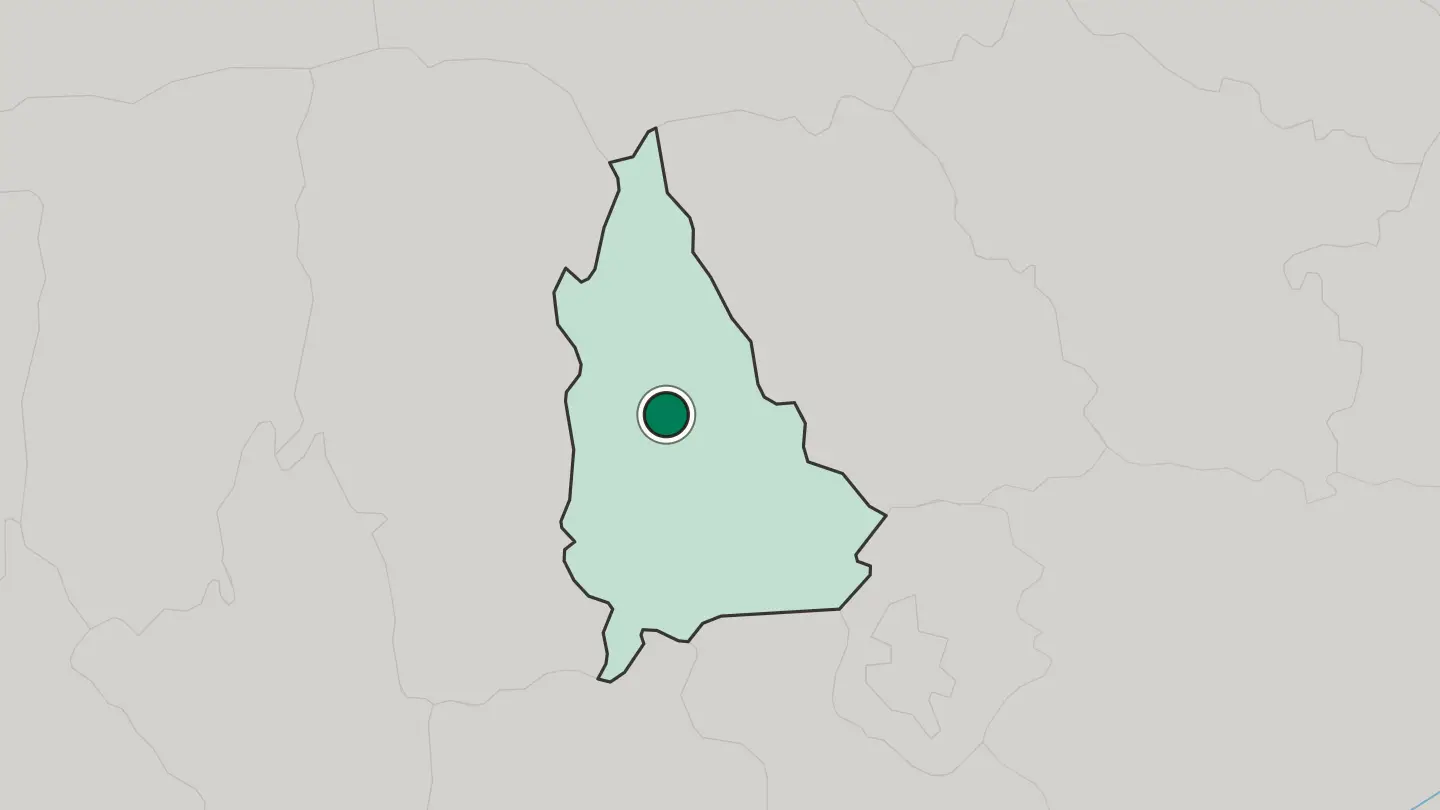
Hotel links are affiliate links: booking through them may earn us a commission, at no extra cost to you. It never affects how places are ranked. How this works
About Dâmboviţa
What is Dâmboviţa known for?
Dâmbovița is Wallachia's memory made solid. Its capital, Târgoviște, ruled the principality for more than two centuries, and Vlad the Impaler raised the Chindia Tower over the Princely Court that still stands there. North of the towns the Bucegi Mountains rise to Omu Peak, the highest summit of the whole massif, drawing hikers up from the sub-Carpathian hills.
Between the ridges and the flat Titu Plain, the mineral springs of Pucioasa gave the county a spa town. History and mountains share the same short drive.
Where is Dâmboviţa?
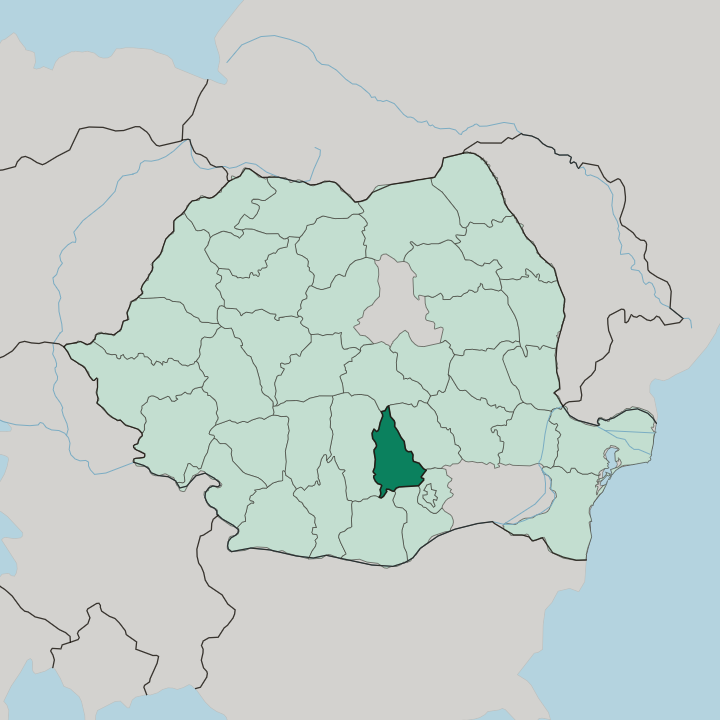
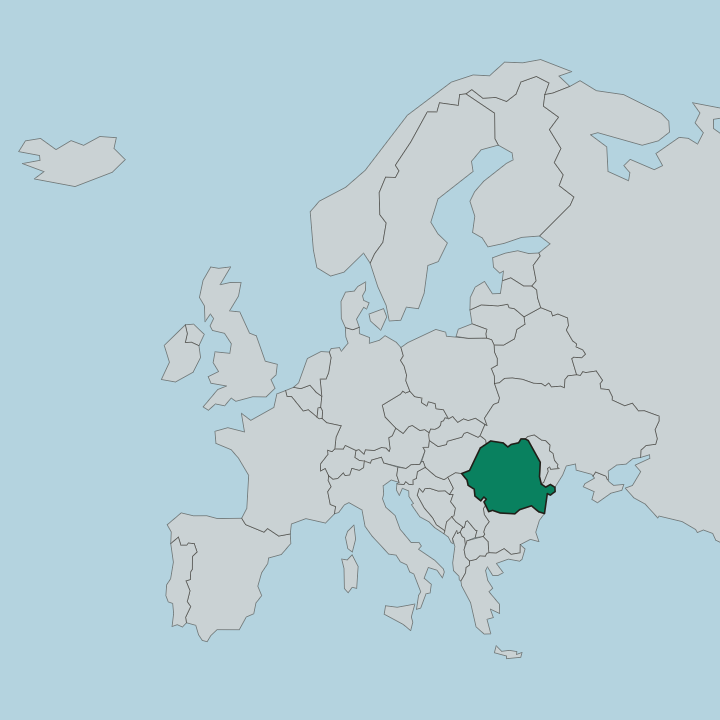
Dâmbovița sits in south-central Romania, in the historical region of Muntenia that forms the eastern half of old Wallachia. The county gathers three landscapes in one short span. The north is mountain: the Leaota Mountains and the Bucegi Mountains, both part of the Southern Carpathians, rise to the sharp summit of Omu Peak.
From those summits the land steps down through the Subcarpathian hills, wooded and folded, and then flattens into the Titu Plain, whose floor drops to little more than 120 m above the sea. Two rivers give the county its shape and its name. The Ialomița rises in the Bucegi Mountains and runs past Târgoviște, while the Dâmbovița River, named from a Slavic word for oak, for the forests it once crossed, drains the western slopes on its way toward Bucharest.
Brașov, Prahova, Argeș and the Bucharest plain press against Dâmbovița at every border. Brașov lies over the mountains to the north, Prahova to the east, and the plain opens south toward Bucharest and the counties of the lower Wallachian flatland. Argeș borders it to the west.
The result is a county you can cross from alpine rock to farmland in a single day.
What is Dâmboviţa like?
The county's culture is princely and provincial at once. For more than two centuries Târgoviște was the seat of Wallachia's rulers, and that inheritance still frames the place: the Princely Court, the Metropolitan church, and the Chindia Tower that Vlad III added to the walls. Chronicles were written here.
Romania's first printing under a Wallachian prince and much of its early church learning passed through this court, so the county carries a weight of letters out of proportion to its size. Away from the old capital the texture changes. The Subcarpathian hills hold villages of orchards and vineyards, and the mineral springs of Pucioasa built a spa culture of bathhouses and cure-taking that still shapes the town.
Romanian is the everyday language, spoken across the county and the wider country. Faith runs through it too, in the monasteries tucked along the Ialomița and the icons of the metropolitan church. The mountains pull one way and the court pulls another.
That tension, alpine north, courtly centre, farming plain, is the county's real character.
What is the history of Dâmboviţa?
Târgoviște made this county's history. It served as the capital of Wallachia from 1418 to 1659, the political and military centre of the principality through its most turbulent years. Mircea the Elder raised it to that rank, and Vlad the Impaler ruled from the Princely Court there, building the Chindia Tower and, in 1457, taking bloody revenge on the boyars who had killed his brother.
When the seat of power moved south to Bucharest, the old capital declined, but its walls and towers kept its story. The county itself is first recorded as an administrative unit in 1512.
What is the climate of Dâmboviţa?
Dâmbovița has a temperate continental climate that the land itself divides. Down on the Titu Plain summers turn hot and the winters bite, with the seasons swinging wide between them. Climb the Ialomița valley toward the Bucegi Mountains and the air cools fast, holding snow on Omu Peak long after the plain has thawed.
Rain and mist gather against the northern ridges, so the sub-Carpathian hills stay greener and wetter than the open farmland below. Snow lingers on the peaks. In Dâmbovița, how high you stand decides the season you feel.
How do you get to Dâmboviţa?
Most travellers arrive through Bucharest. Târgoviște lies about 80 km north-west of the capital on the right bank of the Ialomița River, an easy road or rail run out onto the Wallachian plain. From the county seat, roads climb north up the Ialomița valley toward Pucioasa and the resorts below the Bucegi Mountains, where the paved way gives out and the trails to Omu Peak take over.
The plain is fast; the mountain roads are slow. Bucharest's airport is the practical gateway for anyone coming from abroad.
Good for
More regions in Romania
Updated September 2026