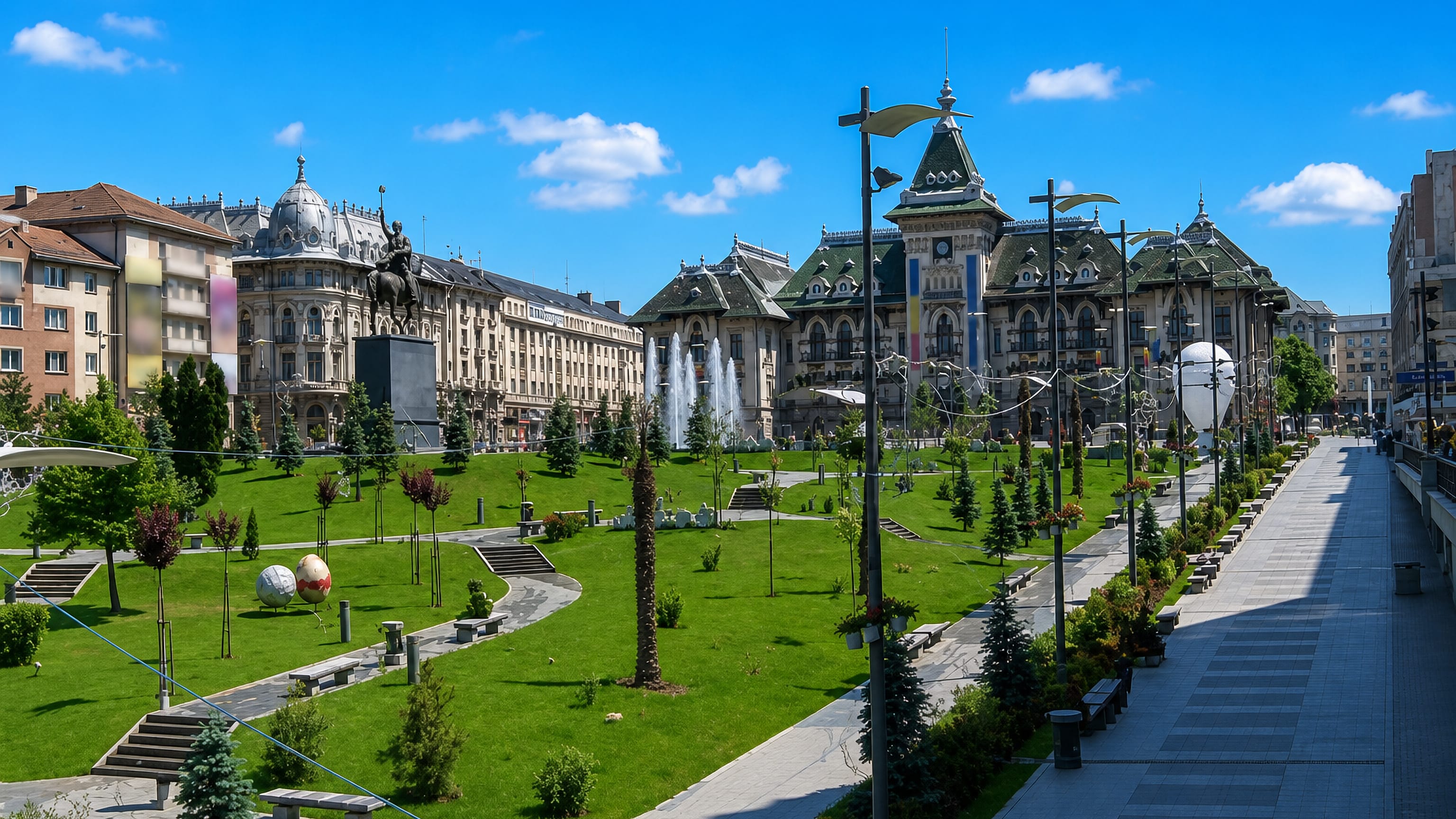
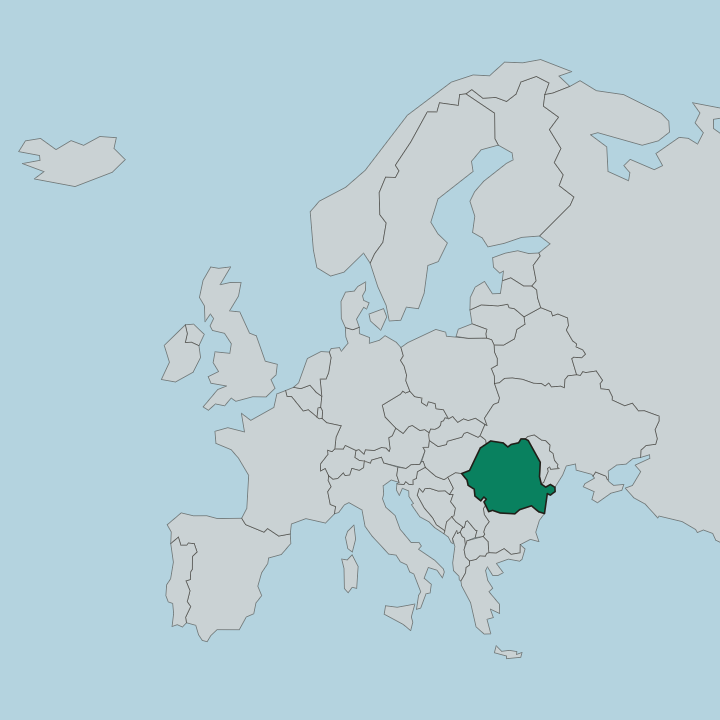
Romania · Dolj
Where to Stay in Craiova, Dolj
Museums do the talking. Craiova heads Dolj County, holding the Museum of Oltenia, an art museum, and the Cathedral of Saint Demetrius.
Hotel links are affiliate links: booking through them may earn us a commission, at no extra cost to you. It never affects how places are ranked. How this works


Where to stay in Craiova
Where visitors usually base themselves, and why.
Craiova spreads wider than its museum quarter, but the museum quarter is where a short stay belongs. Rooms within reach of the Cathedral of Saint Demetrius put the art museum of Craiova, the Museum of Oltenia, and the theatre museum named for Marin Sorescu inside one afternoon's walking. That is the compact version of the city.
Mântuleasa Church and the Holy Trinity church stand among the older streets, and the protected houses listed simply as Casă belong to the same heritage register. Walking is the point here. The city keeps its heritage in a small radius, which is unusual for somewhere this size and makes the centre worth the extra.
Beyond that core the city turns to housing and administration. Dolj County is run from Craiova, so a share of the beds serve working visits rather than sightseeing. A car changes the calculation. With one, the Brândușa church and the outer parishes come within reach, and parking is easier at a distance from the centre than beside the museums.
Hagi Enuș and the Toți Sfinții ensemble sit on that wider map as well. If you want the theatre museum and the cathedral in the same evening, the central streets are the only sensible base.
Find hotels in Craiova
Direct booking searches for these neighbourhoods.
Streets around the Cathedral of Saint Demetrius
The Cathedral of Saint Demetrius, the art museum of Craiova, and the Museum of Oltenia stand within one afternoon's walk of each other.Find hotels in Streets around the Cathedral of Saint DemetriusTravellers after Craiova's older churches and its protected Casă housesOld parish blocks by Mântuleasa Church
Mântuleasa Church, the Holy Trinity church, and several houses on the heritage register share these quieter streets.Find hotels in Old parish blocks by Mântuleasa ChurchDrivers who want parking and the county roads out of CraiovaOuter Craiova toward the Dolj County roads
Past the centre the blocks open up, parking is simpler, and the Brândușa church marks this outer ground.Find hotels in Outer Craiova toward the Dolj County roadsHotel links are affiliate links: booking through them may earn us a commission, at no extra cost to you. It never affects how places are ranked. How this works
Things to do in Craiova
Ranked by global recognition; descriptions from Wikidata (CC0).
Museums & Galleries
3- Art museum of Craiova
- Museum of Oltenia
- Muzeul Teatrului Național „Marin Sorescu”
Churches & Religious Sites
6- Cathedral of Saint Demetrius, Craiova Heritage
- Mântuleasa Church in Craiova Heritage
- Holy Trinity church in Craiova Heritage
- Ansamblul bisericii „Toți Sfinții” - Hagi Enuș Heritage
- Biserica „Sf. Gheorghe” - Nou Heritage
Show 1 more →
- Biserica „Sf. Nicolae”, „Sf. Paraschiva” - Brândușa Heritage
Landmarks & Notable Places
1- Casă Heritage
worth knowingacross 3 categories in Craiova
About Craiova
Collections carry the city.
What is Craiova known for?
The Museum of Oltenia holds the regional record, the art museum of Craiova keeps the paintings, and the theatre museum named for Marin Sorescu covers the stage. Churches fill the older ground. The Cathedral of Saint Demetrius stands at the head of a long list that runs through the Holy Trinity church, Mântuleasa Church, and the Toți Sfinții ensemble at Hagi Enuș.
What are the main landmarks in Craiova?
The Cathedral of Saint Demetrius leads. After it the church list runs long: the Holy Trinity church, Mântuleasa Church, the Toți Sfinții ensemble at Hagi Enuș, and the Brândușa foundation among them. Museums take the other half: the Museum of Oltenia, the art museum of Craiova, and the theatre museum named for Marin Sorescu.
Ordinary houses are listed too. Several appear on the heritage register as Casă, kept for their architecture rather than for any one story attached to them.
What is the history of Craiova?
The written record opens in 1475. Craiova grew from that point into the principal city of Dolj County, and the length of its church list is the clearest measure of how long the settlement has been substantial. Dolj County has been the frame ever since.
Foundations accumulated over the centuries. The Cathedral of Saint Demetrius, the Holy Trinity church, Mântuleasa Church, and the Toți Sfinții ensemble at Hagi Enuș represent successive phases of building rather than a single programme. The city's institutions carry more of that story than its streets do.
Private wealth left its own mark. The houses recorded on the heritage register as Casă are the domestic side of that history, protected for their architecture, and they outnumber the monuments by which the city is usually described. Institutions came with county status.
The Museum of Oltenia gathers the regional record, the art museum of Craiova the paintings, and the theatre museum named for Marin Sorescu the stage tradition that gave the city its national theatre. Brândușa belongs to the same fabric, one more parish foundation on a list that keeps the older history visible in ordinary streets.
Where is Craiova?
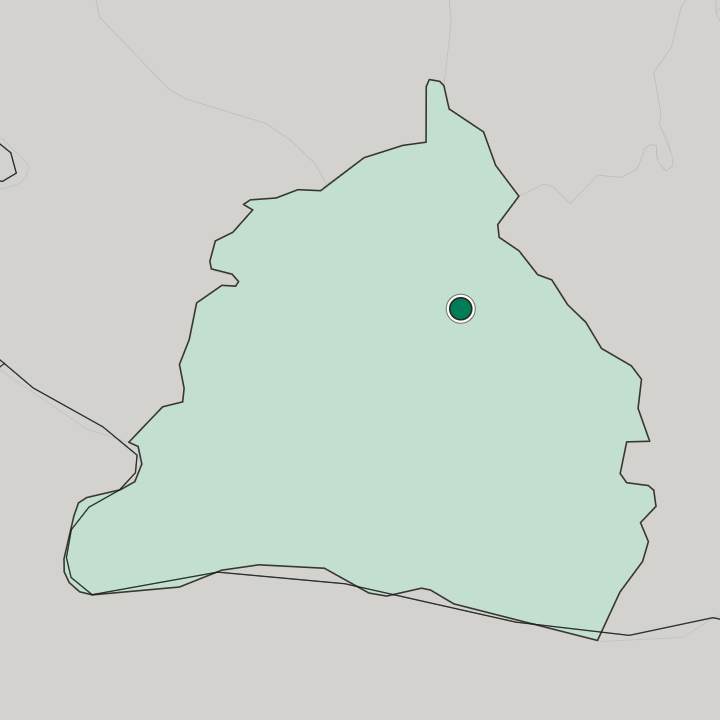
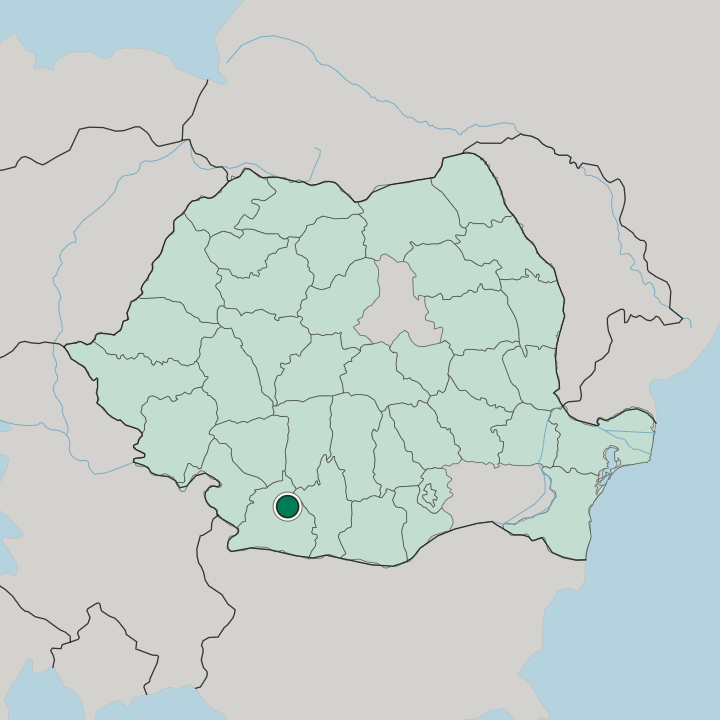
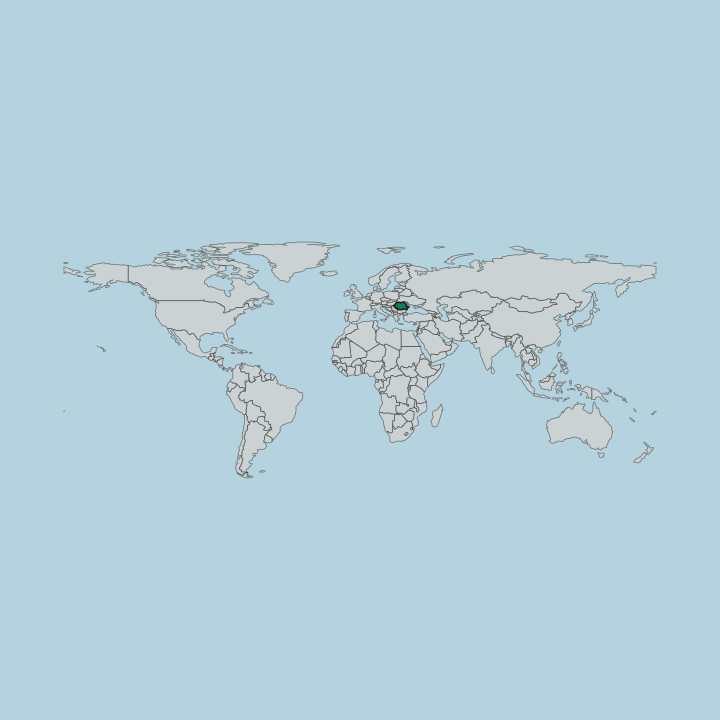
Craiova is compact for its standing. The municipal territory is small beside the city's weight in Dolj County, so the built-up area accounts for most of what the boundary holds, and the countryside starts quickly. Dolj County surrounds it, and Craiova serves as both the administrative centre and the largest settlement of that county.
What is the climate of Craiova?
Craiova sits inland, out of reach of any coast, so its summers run warm to hot and its winters cold, in the way that inland Dolj County does as a whole. There is no sea to soften it. Spring and autumn are the comfortable seasons for the walk between the Cathedral of Saint Demetrius and the Museum of Oltenia.
How do you get to Craiova?
The centre is compact enough to cross on foot, and the Cathedral of Saint Demetrius, the Museum of Oltenia, and the art museum of Craiova all sit inside that radius. Roads from across Dolj County converge on the city. Craiova is the county's largest settlement, which makes it the point most journeys through this part of Romania pass through.
A car is only needed for the edges.
Common questions
What is the best area to stay in Craiova?
Streets around the Cathedral of Saint Demetrius: Short stays built on Craiova's cathedral and its museums. Old parish blocks by Mântuleasa Church: Travellers after Craiova's older churches and its protected Casă houses. Outer Craiova toward the Dolj County roads: Drivers who want parking and the county roads out of Craiova.
Good for
Updated October 2026