Romania
Dolj, Romania — Towns & Travel Guide
Dolj is a plains county of south-western Romania, in Oltenia, where the Jiu meets the Danube and Craiova anchors the region.
Hotel links are affiliate links: booking through them may earn us a commission, at no extra cost to you. It never affects how places are ranked. How this works


Towns & cities in Dolj
One town here has its own guide — it links to where to stay.

 Romania
Craiova
Museums do the talking. Craiova heads Dolj County, holding the Museum of Oltenia, an art museum, and the Cathedral of Saint Demetrius.Where to stay →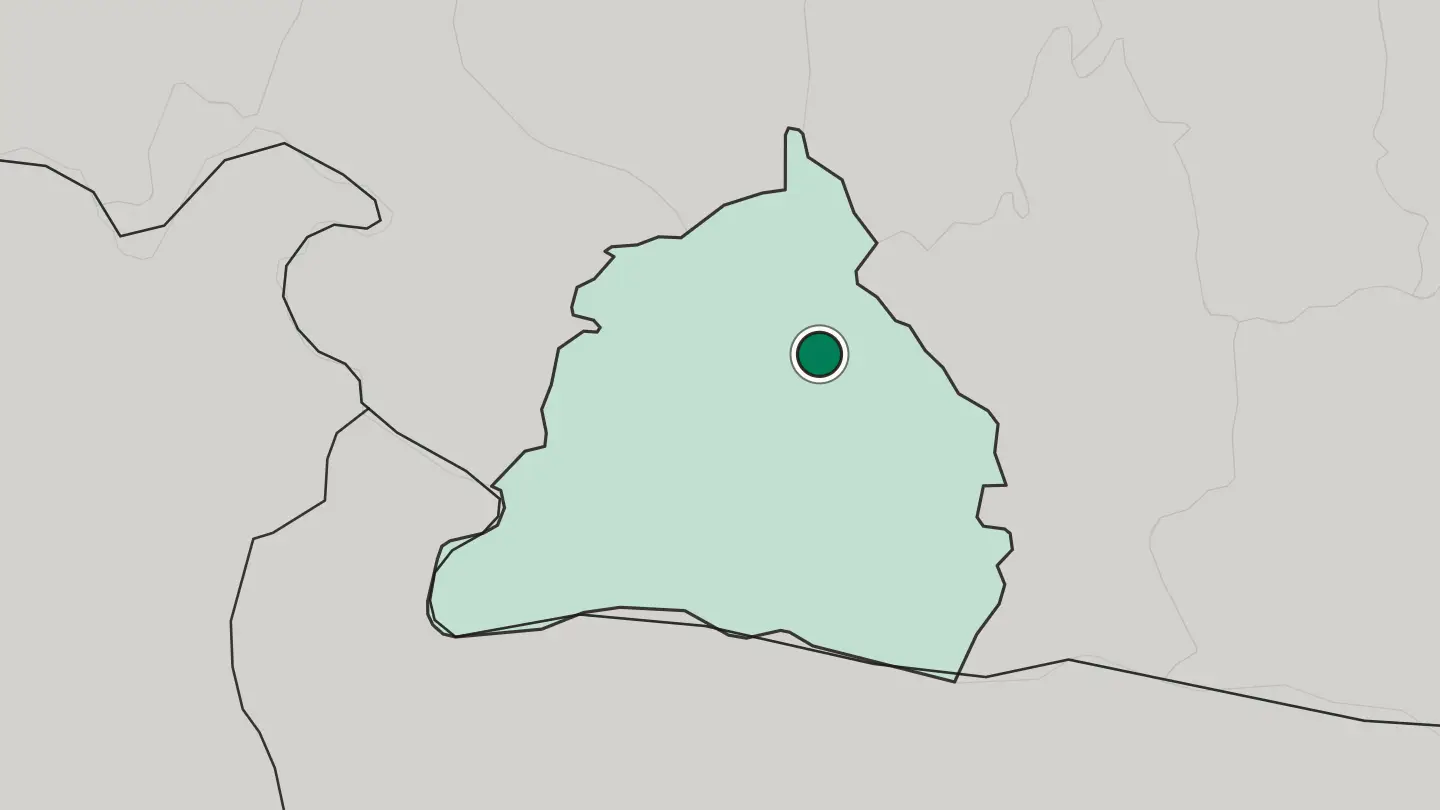
Hotel links are affiliate links: booking through them may earn us a commission, at no extra cost to you. It never affects how places are ranked. How this works
About Dolj
What is Dolj known for?
Dolj takes its name from the lower Jiu, the river whose valley splits the county down the middle. Craiova is the draw. The largest city of Oltenia holds the Art Museum in the Jean Mihail Palace, whose collection includes early works by the sculptor Constantin Brâncuși, who trained at the city's School of Arts and Crafts.
South of the towns the plain dries into sand near Dăbuleni, and the Danube runs the whole southern border with Bulgaria.
Where is Dolj?
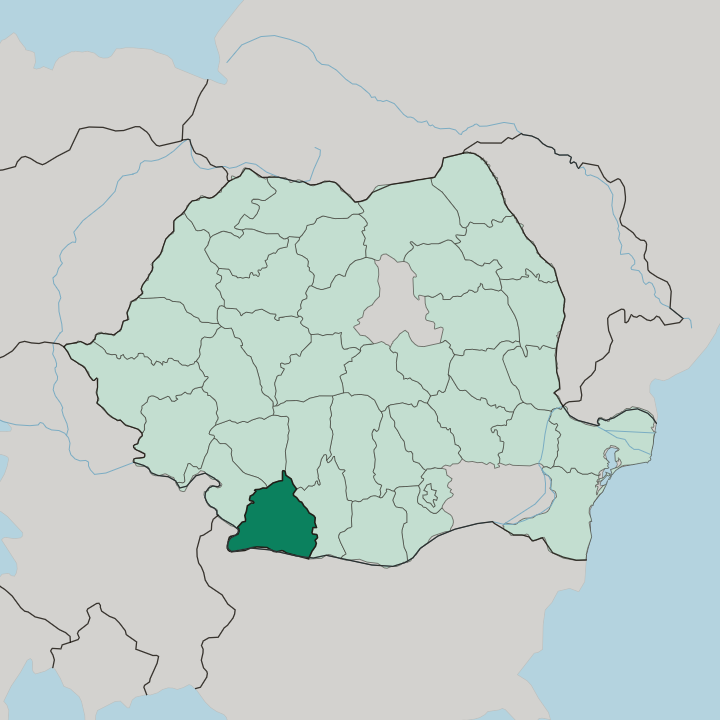
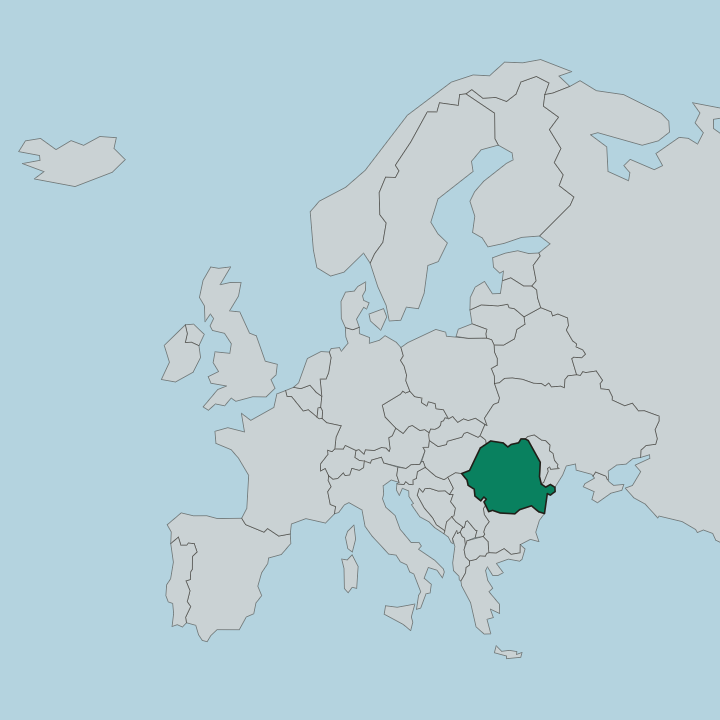
Dolj fills the south-western corner of Romania, a county of the Wallachian Plain set in the historic region of Oltenia. It is almost entirely flat. The Danube draws its whole southern edge, curving for roughly 150 river-kilometres to form the border with Bulgaria, and the Jiu comes down from the north to cross the county through the middle before joining the great river near Zăval.
That lower stretch of the Jiu is what gives the county its name. North of Craiova the ground lifts into low hills, the last rumples of land before the Southern Carpathians further off. To the south the plain does the opposite and thins into sand.
The strangest of Dolj's landscapes lies down by the river. Between Calafat in the west and Dăbuleni in the south-east, decades of cleared forest and drained water left a belt of dunes now called the Oltenian Sahara. It is a genuine desert of shifting sand, unusual in Europe, and its edge has crept slowly toward Craiova.
Olt County borders Dolj to the east, Mehedinți to the west, and Gorj and Vâlcea close it off to the north. Every other direction eventually reaches water, hills, or the sand.
What is Dolj like?
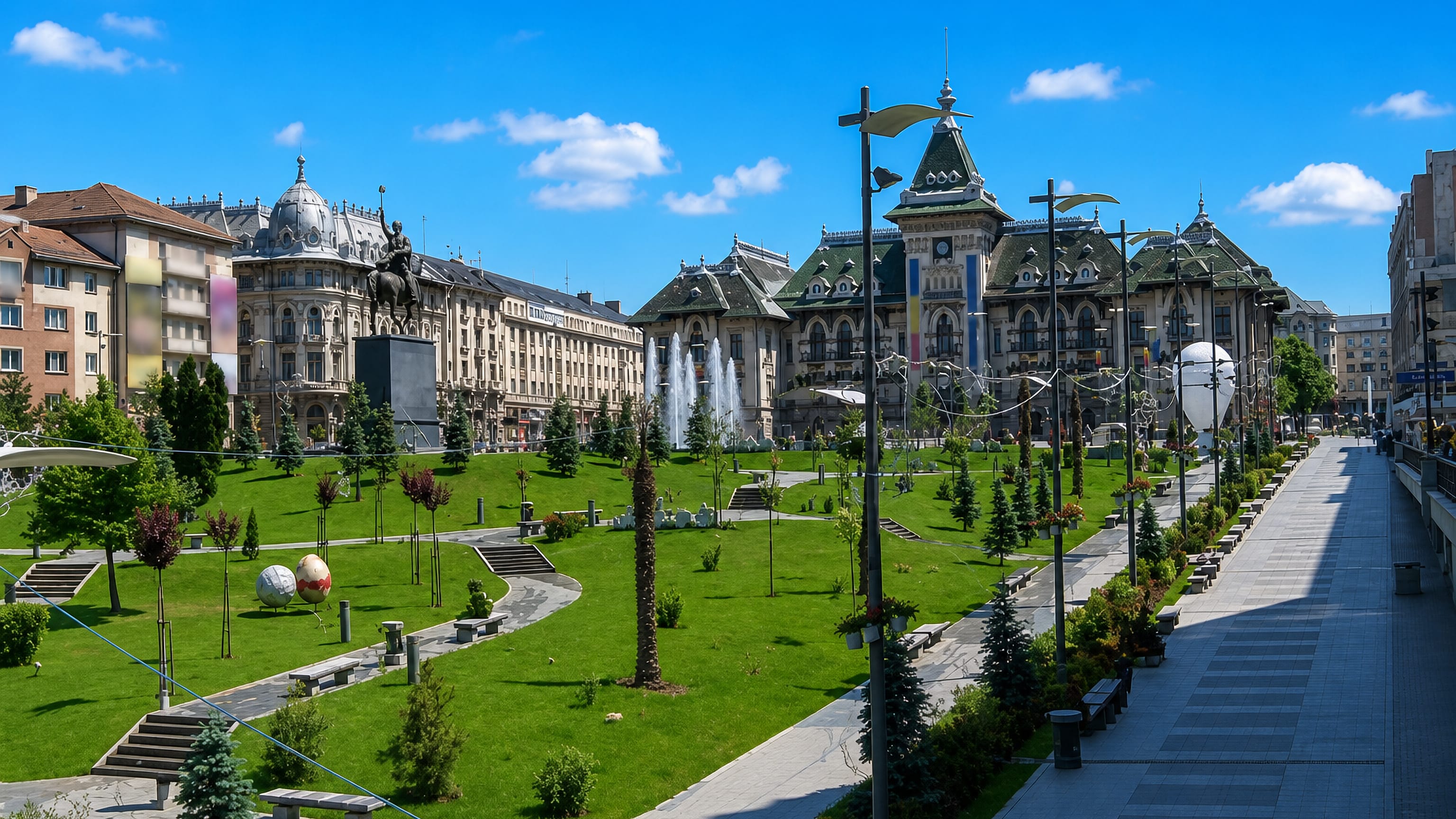
Dolj wears its culture in Craiova. The city is the acknowledged capital of Oltenia's arts, and its landmarks cluster in a walkable core. The Art Museum occupies the Jean Mihail Palace, a lavish turn-of-the-century mansion, and its rooms hold early sculpture by Constantin Brâncuși, who came to Craiova as a boy and learned his craft at the local School of Arts and Crafts before the world knew his name.
Around it stand the Marin Sorescu National Theatre and the Oltenia Philharmonic, both named for figures the region claims as its own. The green counterpart is the Nicolae Romanescu Park. Laid out to a French design that took a gold medal at the 1900 Paris exposition, it spreads over rolling ground with lakes, bridges and a ruined-castle folly, one of the largest landscaped parks in the country.
Faith leaves its mark too. The Madona Dudu church and the older Casa Băniei, dated to 1699 and the oldest surviving lay building in the city, anchor a centre that has been trading since the Middle Ages. Beyond Craiova the county turns rural fast.
Villages, vineyards around Segarcea and the melon fields of the sandy south carry a plainer Oltenian character.
What is the history of Dolj?
Craiova is old. The city stands on the site of Pelendava, a Dacian and then Roman settlement on the roads that once crossed Oltenia. Through the Middle Ages it grew into the chief market west of Bucharest and the seat of the Bani, the powerful governors of Oltenia whose old residence, the Casa Băniei of 1699, still stands.
Fire, plague and Ottoman raids struck the town more than once, yet the trade always came back. Dolj itself was drawn as a county of the lower Jiu, and Craiova has been its capital throughout.
What is the climate of Dolj?
Dolj has a temperate-continental climate, warmed by submediterranean influences that reach up the Danube valley. Across the Dolj plain the summers turn scorching. The open plain and the sands around Dăbuleni bake under long, dry spells that push the county among the warmest corners of Romania, while winters turn cold and can bring hard frosts off the flat land.
Rain is thin and unevenly spread, which is part of why the southern dunes keep advancing. Spring and autumn are the gentler seasons.
How do you get to Dolj?
Craiova is the way in. Craiova International Airport handles the county's flights, and the city sits on the main road and rail lines running west from Bucharest across Oltenia. From the south, the Danube bridge at Calafat carries traffic straight over from Vidin in Bulgaria.
Trains and roads then fan out from Craiova to the smaller towns. Most travellers make the city their first stop and go on from there.
Common questions
What is the best area to stay in Dolj?
Craiova: the cultural heart of Oltenia. Calafat: the Danube crossing into Bulgaria. Dăbuleni: the watermelon sands by the Danube.
More regions in Romania
Updated September 2026