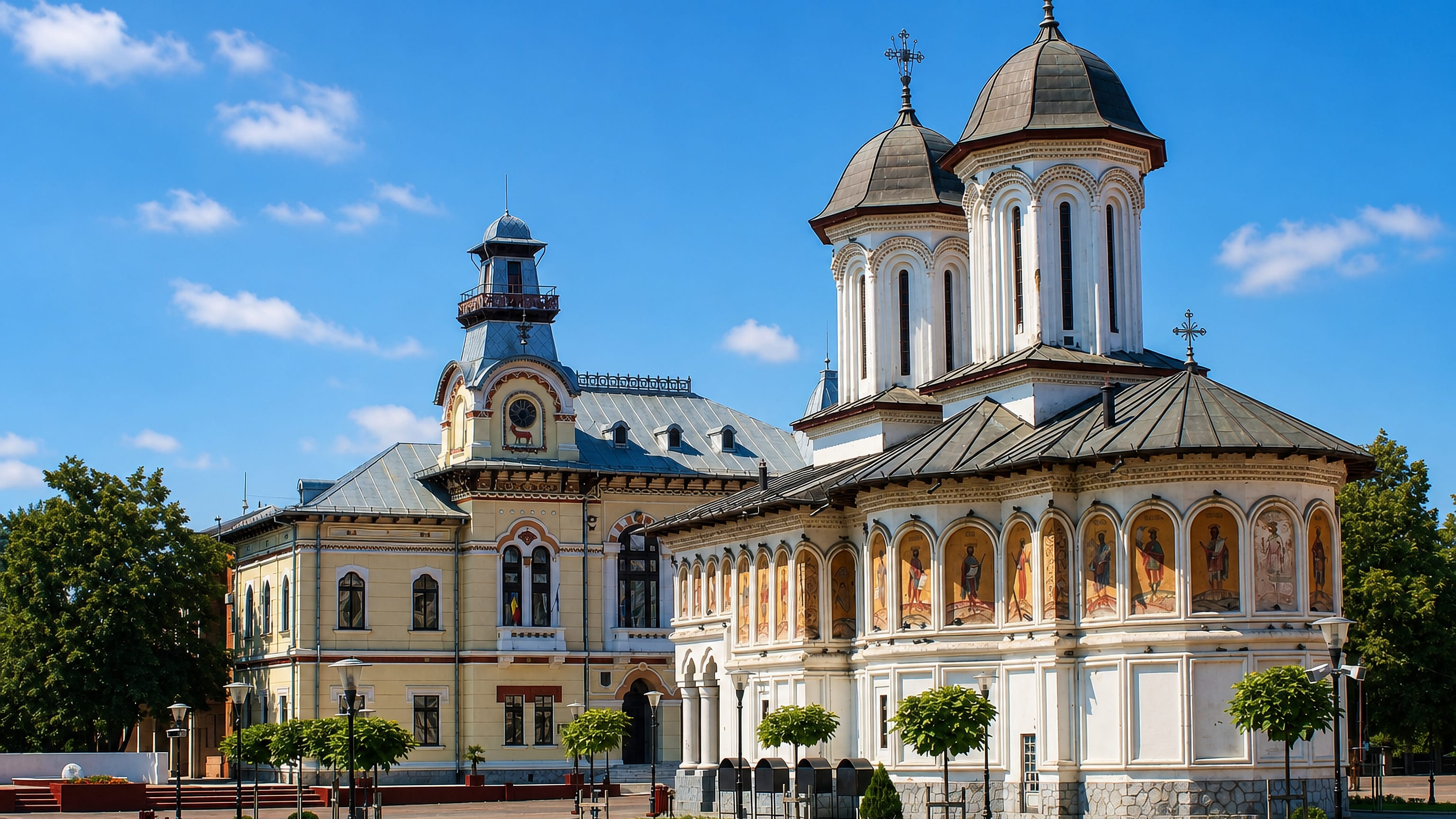
Romania · Gorj
Where to Stay in Târgu Jiu, Gorj
Constantin Brâncuși was born here. Târgu Jiu heads Gorj County on the banks of the Jiu, and its art museum holds early work by the sculptor.
Hotel links are affiliate links: booking through them may earn us a commission, at no extra cost to you. It never affects how places are ranked. How this works


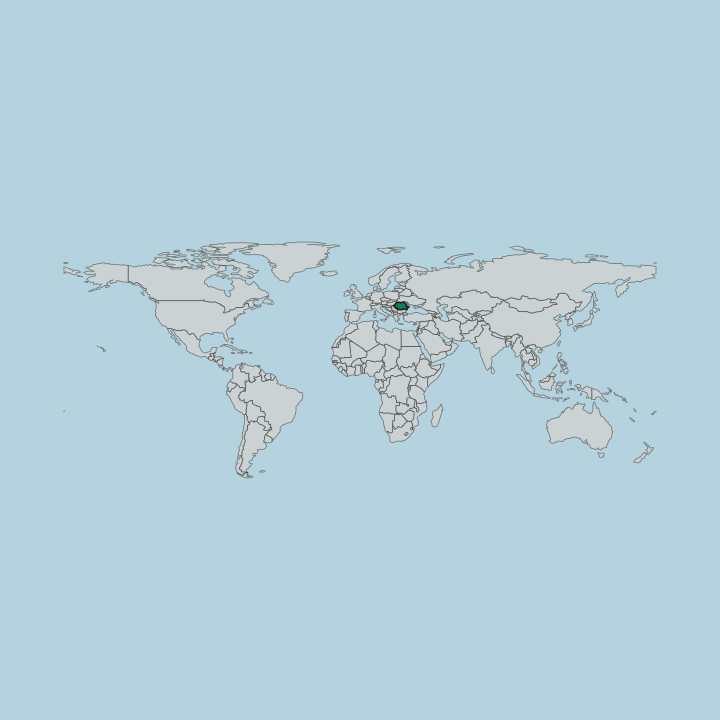
Where to stay in Târgu Jiu
Where the beds are, and what that means for the visit.
The Jiu runs through the city, and the central streets between the river and the Muzeul de Artă din Târgu Jiu hold the walkable part of any stay. Crișan Street is the practical marker, with the tourist information office at number three and the older centre spreading around it. Start there.
Saints Peter and Paul Church and the protected Casă houses are close enough to the same ground to make a church-and-sculpture day work on foot. Walking distances stay short in the older core, where the museum and the churches sit within a few minutes of one another. Outside the centre the city keeps eight administered villages.
Bârsești, Drăgoieni, Iezureni, Polata, Preajba Mare, Romanești, Slobozia, and Ursați sit within the municipal boundary, and a base among them means driving in for the Brâncuși work rather than walking to it. Târgu Jiu stands on the Southern Sub-Carpathians, so the outer edge of the municipality climbs away from the river into quieter ground. If you want the sculptor's city on foot, keep to the centre.
A car makes those outer addresses work. The river is the constant reference on any of these routes.
Find hotels in Târgu Jiu
Direct booking searches for these neighbourhoods.
Crișan Street and the old centre
Crișan Street carries the tourist information office at number three, and the older centre of Târgu Jiu opens straight off it.Find hotels in Crișan Street and the old centreArt-museum days that end beside the JiuRiver streets by the Muzeul de Artă din Târgu Jiu
The Jiu and the Muzeul de Artă din Târgu Jiu anchor this ground, which keeps the sculptor's city within a short walk.Find hotels in River streets by the Muzeul de Artă din Târgu JiuDrivers basing outside Târgu Jiu in the administered villagesVillage edge at Preajba Mare and Slobozia
Preajba Mare, Slobozia, and the other villages inside the boundary swap walking access for space on Sub-Carpathian ground.Find hotels in Village edge at Preajba Mare and SloboziaHotel links are affiliate links: booking through them may earn us a commission, at no extra cost to you. It never affects how places are ranked. How this works
About Târgu Jiu
Sculpture comes first.
What is Târgu Jiu known for?
Constantin Brâncuși was born in Târgu Jiu, and some of his earliest works can be seen in the city, with the Muzeul de Artă din Târgu Jiu holding the art collection. Mining ran as a strong tradition here until most mines closed in 1998. Then Târgu Jiu's churches take over.
Saints Peter and Paul Church stands among the older buildings of a city that also serves as the seat of Gorj County, alongside several protected houses listed simply as Casă.
What are the main landmarks in Târgu Jiu?
Early Brâncuși work is the reason most visitors stop. The Muzeul de Artă din Târgu Jiu holds the art side, while Saints Peter and Paul Church carries the older religious fabric of the city. Several protected houses complete the list.
They are recorded simply as Casă, ordinary townhouses kept for their architecture rather than for any one event, and they share the heritage register with the churches.
What is the history of Târgu Jiu?
The city is old by any reckoning. Târgu Jiu enters the written record in 1406, and the settlement grew on the banks of the Jiu, in the part of Oltenia that is organised as Gorj County. Mining came later.
A strong tradition of it ran here until 1998, when most of the mines closed, which ended the industry that had shaped working life across the county. Oltenia is the wider region, and the Southern Sub-Carpathians the ground the city stands on. One life changed the city's standing.
Constantin Brâncuși was born in Târgu Jiu, and because some of his earliest works stayed here, the city carries a name in sculpture that its size would not otherwise give it. Churches record the older centuries. Saints Peter and Paul Church survives from the centuries before the mines, and the Casă houses on the heritage register show what the ordinary streets looked like.
Gorj County has been administered from here. Eight villages were folded into the municipality: Bârsești, Drăgoieni, Iezureni, Polata, Preajba Mare, Romanești, Slobozia, and Ursați. The Muzeul de Artă din Târgu Jiu keeps the sculpture record.
Where is Târgu Jiu?
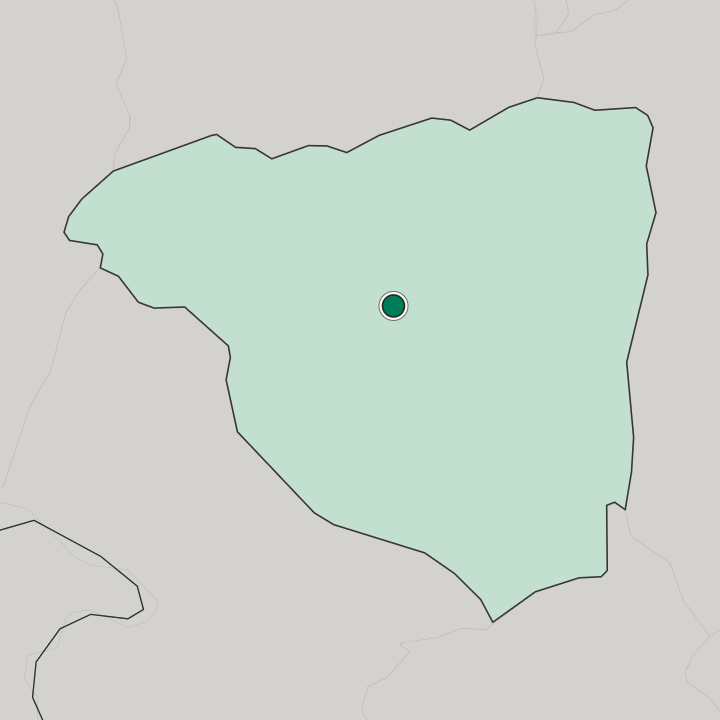
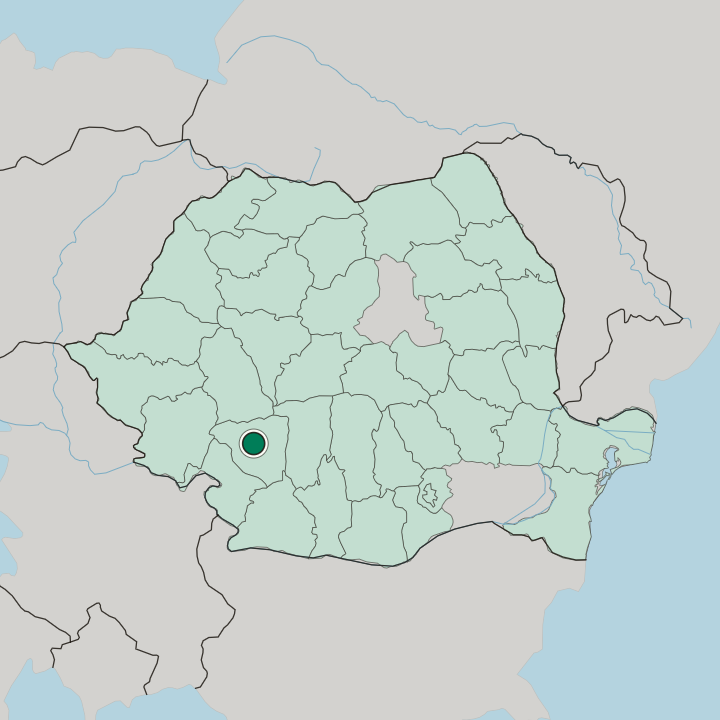
The Jiu sets the axis. Târgu Jiu stands on the Southern Sub-Carpathians and on the banks of that river, so the municipality holds rising ground rather than flat country, and its edges reach well past the built-up streets. Bârsești, Drăgoieni, Iezureni, Polata, Preajba Mare, Romanești, Slobozia, and Ursați all lie inside those edges, in Gorj County and the wider region of Oltenia.
What is the climate of Târgu Jiu?
The Southern Sub-Carpathians are the local influence, and ground that rises tends to hold the cold longer than the open country of Oltenia below it. Summers are the warm season. Winter arrives properly, and spring and autumn are the easier stretches for walking Târgu Jiu and the streets along the Jiu.
How do you get to Târgu Jiu?
Crișan Street holds the tourist information office at number three, which is the practical first stop after arriving. The Jiu runs past the centre, and the walk between the river, the Muzeul de Artă din Târgu Jiu, and Saints Peter and Paul Church takes minutes rather than a ride. Villages need wheels.
Bârsești, Polata, and Ursați lie out in the municipality, reached on county roads rather than on foot.
Common questions
What is the best area to stay in Târgu Jiu?
Crișan Street and the old centre: First stays that want the Brâncuși work and the tourist office on one street. River streets by the Muzeul de Artă din Târgu Jiu: Art-museum days that end beside the Jiu. Village edge at Preajba Mare and Slobozia: Drivers basing outside Târgu Jiu in the administered villages.
Good for
Updated October 2026