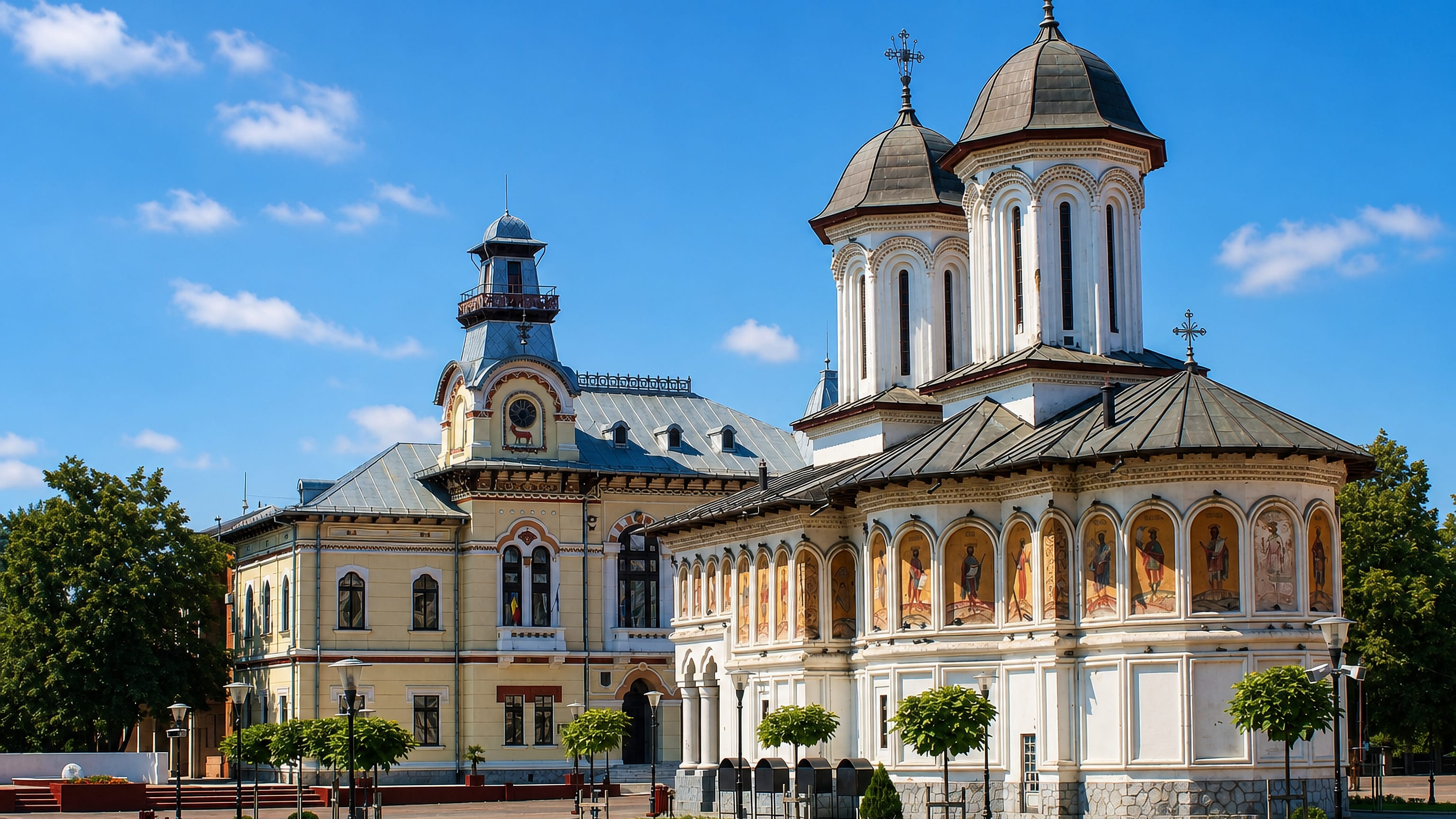
Romania
Gorj, Romania — Towns & Travel Guide
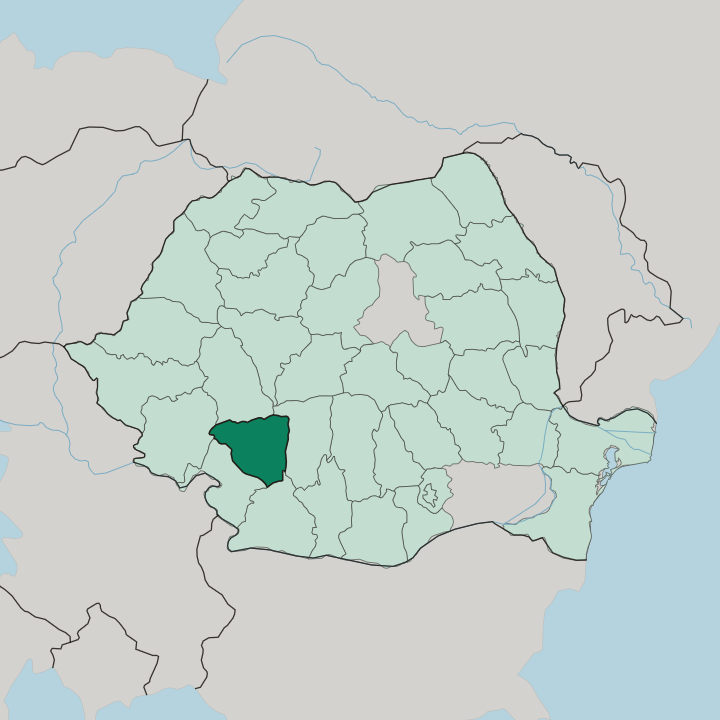
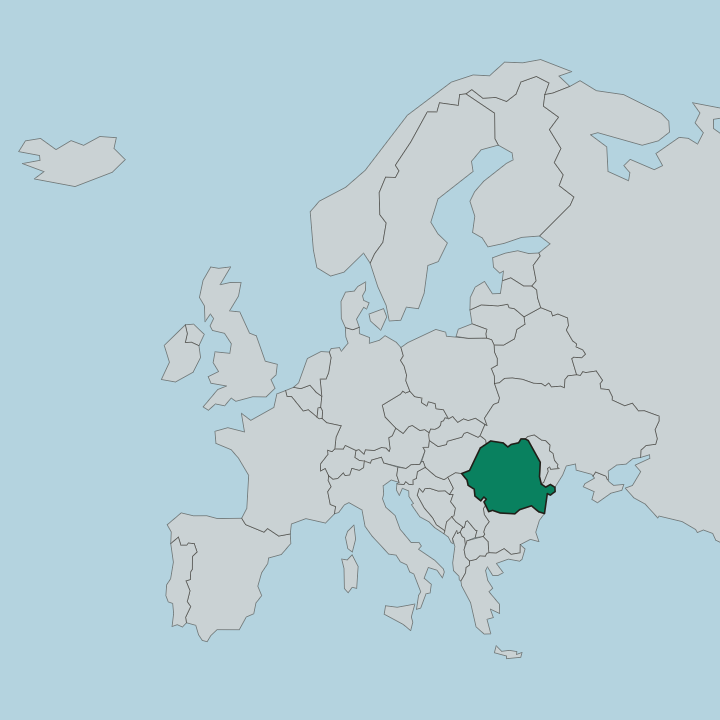
Gorj is a county in the Oltenia region of south-western Romania, where the Jiu River leaves the Carpathians for the plain.
Hotel links are affiliate links: booking through them may earn us a commission, at no extra cost to you. It never affects how places are ranked. How this works


Towns & cities in Gorj
One town here has its own guide — it links to where to stay.

 Romania
Târgu Jiu
Constantin Brâncuși was born here. Târgu Jiu heads Gorj County on the banks of the Jiu, and its art museum holds early work by the sculptor.Where to stay →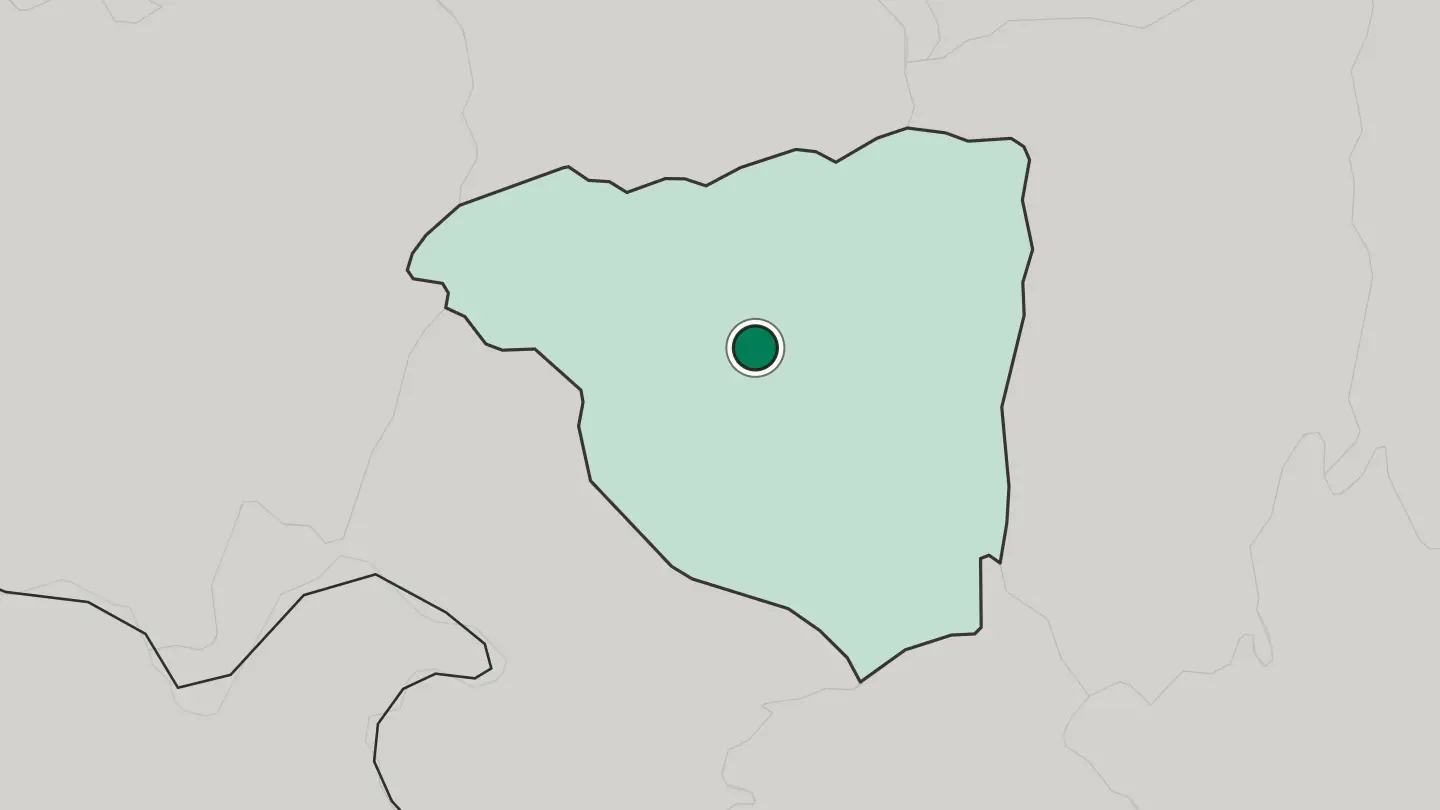
Hotel links are affiliate links: booking through them may earn us a commission, at no extra cost to you. It never affects how places are ranked. How this works
About Gorj
Gorj is Brâncuși country.
What is Gorj known for?
The sculptor grew up in these hills, and his Sculptural Ensemble at Târgu Jiu, running the Table of Silence, the Gate of the Kiss and the Endless Column along a single axis through the county capital, earned UNESCO World Heritage status in 2024. North of the town the land climbs fast into the Parâng Mountains, where the Transalpina road and the Rânca ski slopes draw travellers up out of the valley. The Jiu River threads the whole county together.
Where is Gorj?
Gorj lies in the Oltenia region of south-western Romania, one of the five counties that share that old province between the Danube and the mountains. The land rises as it goes north. Along the northern edge stand the Southern Carpathians, the Godeanu, Vâlcan and Parâng Mountains walling the county off from Transylvania beyond the ridge.
Below them come the Getic Sub-Carpathians, a belt of folded hills between the Motru and Gilort valleys, and then the softer southern hills of the Getic Plateau tilting down toward the plain. The Jiu River is the thread. It gathers nearly every stream in the county, taking in the Tismana, the Gilort and the Motru as it cuts south through Târgu Jiu on its way to join the Danube.
The county name records that geography exactly: Gorj comes from the Slavic Gornji Jiu, the upper Jiu, set against the lower reaches downstream in neighbouring Dolj. Târgu Jiu stands roughly at the county's centre, on the banks of the river, where the sub-Carpathian hills give way to open ground. South of the capital the ground flattens toward the plateau, and it is here, on the low southern edge of the county around Rovinari, that the great open-cast lignite pits break the surface.
The mountains guard the north; the coal lies to the south.
What is Gorj like?
Gorj carries two faces. One is Constantin Brâncuși, the sculptor born at Hobița in these hills, who came home from Paris in the 1930s to raise the Endless Column, the Gate of the Kiss and the Table of Silence at Târgu Jiu as a memorial to the local men who defended the town in the First World War. The commission came from the women of Gorj, and Brâncuși took no fee for it.
Those works pull modern art out of the museum and set it in the open air of the county capital. The other face is the mountain village. Up around Novaci and Polovragi the old Oltenian ways hold on: shepherding on the high pastures of the Parâng Mountains, hand-worked timber houses, folk costume kept for the festivals rather than the tourists.
Polovragi wraps its cave and its monastery in local legend. Wood-carving and weaving run deep here, the same instinct for shaped form that produced Brâncuși in the first place. Down in the lignite towns around Rovinari a harder, industrial culture grew up through the coal era, a world of shift work and power stations far removed from either the sculptor's gallery or the shepherd's fold.
Between the sculptures below and the shepherds above, the county holds both extremes at once.
What is the history of Gorj?
The county's name is its oldest record. Gorj comes from the Slavic Gornji Jiu, meaning the upper Jiu, the highland stretch of the river set against the lower Dolj downstream. Its modern story turns on two things.
In 1938 Brâncuși completed the Târgu Jiu ensemble, honouring the men who had held the town against the Central Powers in 1916. Later the county was reshaped by coal, as the lignite beds around Rovinari were torn open to feed Romania's power stations and pulled thousands off the land and into mining.
What is the climate of Gorj?
Gorj has a temperate-continental climate with sharply drawn seasons. Winters run cold and snowy, summers warm. The split shows up in altitude more than anywhere else: down in the Jiu valley around Târgu Jiu the summers are hot and the snow soon clears, while up on the Parâng Mountains the cold holds long enough that the Rânca slopes can keep a ski season running from late autumn into spring.
Rain and snow fall through the year rather than in one wet season.
How do you get to Gorj?
Getting to Gorj almost always means driving in. Târgu Jiu has no airport of its own, so the usual approach is to drive up from Craiova to the south, about a hundred kilometres away, or make the longer four-hour run west from Bucharest. Most arrive by car.
A rail line follows the Jiu River up the valley into the county capital. From Târgu Jiu the roads fan out toward the mountains, and the Transalpina climbs north from Novaci over the Parâng Mountains as one of the highest paved crossings in the country.
Good for
More regions in Romania
Updated September 2026