Romania · Maramureş
Where to Stay in Baia Mare, Maramureş
The Săsar runs through it. Baia Mare leads Maramureș County, a Transylvanian centre marked by Stephen's Tower and its two cathedrals.
Hotel links are affiliate links: booking through them may earn us a commission, at no extra cost to you. It never affects how places are ranked. How this works


Where to stay in Baia Mare
Where the beds are, and what that means for the visit.
Beds cluster inland. Most rooms sit within reach of the streets around Stephen's Tower, where the Assumption of Mary Cathedral, the Holy Trinity Roman Catholic Church, and the Baia Mare Ethnography and Folk Art Museum can be walked between in a single afternoon. First visits belong here.
A base near the Maramureș County Museum of History and Archaeology puts the county collections, the Holy Trinity Cathedral, and the park beside the old neighbourhood on one short circuit. The Grigore Cobălcescu Museum of Mineralogy and Petrography gives that circuit a third stop. The old neighbourhood carries most of the walking interest.
If you want every museum on foot, take a room inside that ring. Outside the core the pattern shifts. Streets running toward the Săsar and the county roads hold larger, quieter rooms with easier parking, and the trade is a bus ride back to the museums.
Lăpușel and its Ciurgău archaeological site sit on the same municipal ground, a reminder that Baia Mare administers far more territory than its built-up streets suggest. Rooms out there suit drivers. Quiet comes easier away from the centre, though the walk back from the Holy Trinity Cathedral grows long.
Find hotels in Baia Mare
Direct booking searches for these neighbourhoods.
Old neighbourhood around Stephen's Tower
The oldest streets of Baia Mare gather the tower, the cathedral, and the Ethnography and Folk Art Museum into one block.Find hotels in Old neighbourhood around Stephen's TowerTrips built around the county collections and the Holy Trinity CathedralStreets by the Maramureș County Museum of History and Archaeology
County archaeology, the mineral cases of the Grigore Cobălcescu museum, and the park all sit minutes apart on this ground.Find hotels in Streets by the Maramureș County Museum of History and ArchaeologyDrivers carrying on into Maramureș who need a place to parkSăsar-side outskirts
Streets running toward the Săsar and the county roads trade walking distance for larger rooms and easy parking.Find hotels in Săsar-side outskirtsHotel links are affiliate links: booking through them may earn us a commission, at no extra cost to you. It never affects how places are ranked. How this works
Things to do in Baia Mare
Ranked by global recognition; descriptions from Wikidata (CC0).
Museums & Galleries
2- Grigore Cobălcescu Museum of Mineralogy and Petrography
- Maramureș County Museum of History and Archaeology
Churches & Religious Sites
3- Assumption of Mary Cathedral, Baia Mare Heritage
- Holy Trinity Roman Catholic Church in Baia Mare Heritage
- Holy Trinity Cathedral
Castles & Historic Sites
1- Situl arheologic de la Lăpușel, punct „Ciurgău” Heritage
Landmarks & Notable Places
2- Stephen's Tower Heritage
- Schreiber House Heritage
worth knowingacross 4 categories in Baia Mare
About Baia Mare
Museums carry the reputation.
What is Baia Mare known for?
The Baia Mare Ethnography and Folk Art Museum, the Maramureș County Museum of History and Archaeology, and the Grigore Cobălcescu Museum of Mineralogy and Petrography cover folk craft, county archaeology, and mineral science. Stephen's Tower rises over the older streets. Walkers head for the old neighbourhood and the park.
What are the main landmarks in Baia Mare?
Stephen's Tower is the marker. Around it the Assumption of Mary Cathedral, the Holy Trinity Cathedral, and the Holy Trinity Roman Catholic Church make up the principal churches, each listed among the city's heritage buildings. Schreiber House keeps a domestic scale.
Mineral cases fill the Grigore Cobălcescu Museum of Mineralogy and Petrography, while the Maramureș County Museum of History and Archaeology handles the deeper record. Lăpușel adds the Ciurgău archaeological site.
What is the history of Baia Mare?
Settlement here predates the written record. Excavation at Lăpușel, at the point known as Ciurgău, gives the territory an archaeological layer older than any charter, and those finds belong to the county's museum collections rather than to the streets. The written city begins in 1329.
From that first mention the town grew into the seat of Maramureș, a role it keeps as the county's largest municipality. Transylvania frames the story. Maramureș counts as a subregion of Transylvania, so the record of Baia Mare runs alongside that of the wider province.
Medieval building survives in pieces. Stephen's Tower stands from that era, while the Assumption of Mary Cathedral, the Holy Trinity Cathedral, and the Holy Trinity Roman Catholic Church record later phases of church building in a city with more than one church tradition. Schreiber House is protected among them.
Mineral study earned an institution of its own in the Grigore Cobălcescu Museum of Mineralogy and Petrography. The Maramureș County Museum of History and Archaeology curates that sequence, while the Baia Mare Ethnography and Folk Art Museum keeps the craft tradition of the surrounding villages. Later expansion added districts that read very differently from the old neighbourhood.
Where is Baia Mare?
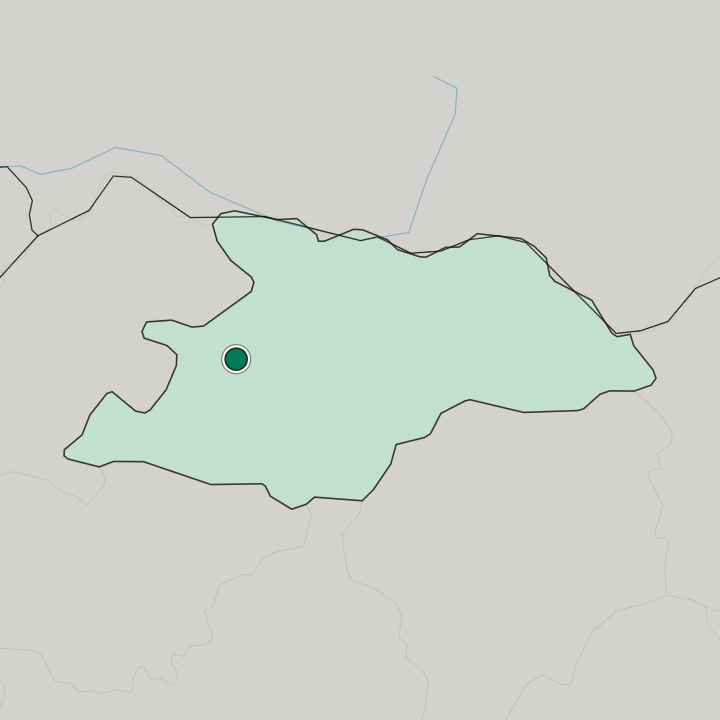
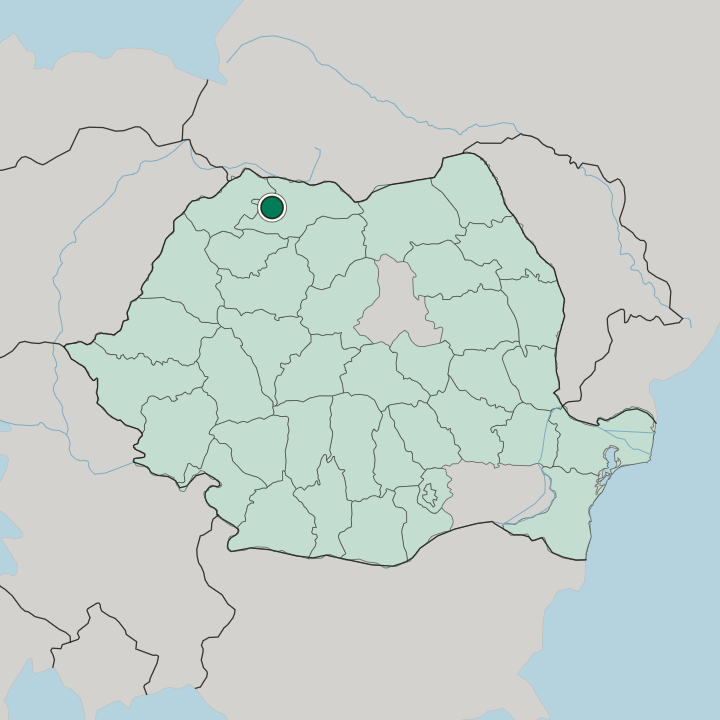
The Săsar sets the line. Baia Mare occupies a broad municipal territory on that river, wide enough to take in Lăpușel and other outlying ground beyond the built-up streets. Maramureș County surrounds the city, and the county counts as a subregion of Transylvania, the frame within which its economy, its schools, and its cultural institutions operate.
What is the climate of Baia Mare?
Four seasons run their course. The temperate band that covers Maramureș brings warm summers and cold winters, with the difference between them sharper here than in coastal towns, since the city sits inland on the Săsar. Cold settles over the Transylvanian interior in winter.
Spring and autumn are the transitional stretches, and they matter more for walking the old neighbourhood and its park than the peak of summer does.
How do you get to Baia Mare?
Most visitors arrive by road. As the seat of Maramureș County, Baia Mare gathers the routes that serve the county's towns and villages, which makes it the natural arrival point for anyone touring the region rather than a stop along the way. Lăpușel and the outlying villages sit inside the municipality itself, reachable on local services.
The old neighbourhood is walkable on arrival.
Common questions
What is the best area to stay in Baia Mare?
Old neighbourhood around Stephen's Tower: Walkers who want Stephen's Tower and the Assumption of Mary Cathedral outside the door. Streets by the Maramureș County Museum of History and Archaeology: Trips built around the county collections and the Holy Trinity Cathedral. Săsar-side outskirts: Drivers carrying on into Maramureș who need a place to park.
Good for
Updated October 2026