Romania
Maramureş, Romania — Towns & Travel Guide
Maramureş is a mountainous region of northern Romania, edged by Ukraine and famous for its wooden churches and Merry Cemetery.
Hotel links are affiliate links: booking through them may earn us a commission, at no extra cost to you. It never affects how places are ranked. How this works


Towns & cities in Maramureş
One town here has its own guide — it links to where to stay.
 Romania
Baia Mare
The Săsar runs through it. Baia Mare leads Maramureș County, a Transylvanian centre marked by Stephen's Tower and its two cathedrals.Where to stay →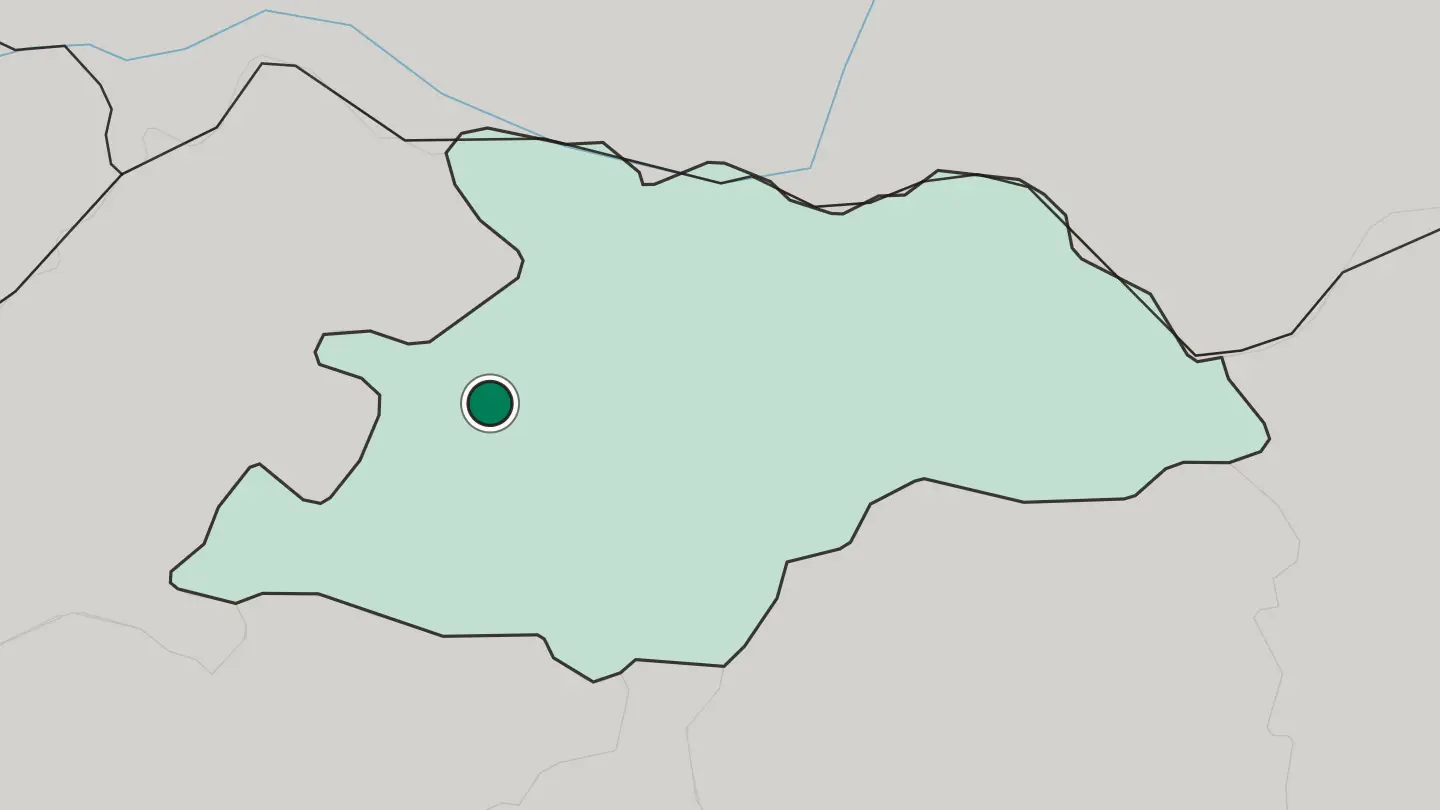
Hotel links are affiliate links: booking through them may earn us a commission, at no extra cost to you. It never affects how places are ranked. How this works
About Maramureş
What is Maramureş known for?
Maramureş is the region travellers come to for old wooden churches and living folk tradition. Eight are UNESCO-listed. Built by village carpenters between the 17th and 19th centuries, churches such as Ieud, Bârsana and Şurdeşti raise tall shingled spires above the valleys of the Iza and Mara.
The other draw is the Merry Cemetery at Săpânța, whose blue-painted crosses carry rhymed epitaphs and folk-art scenes from each buried life. Baia Mare, the county seat, sits at the western edge below the Gutâi range.
Where is Maramureş?
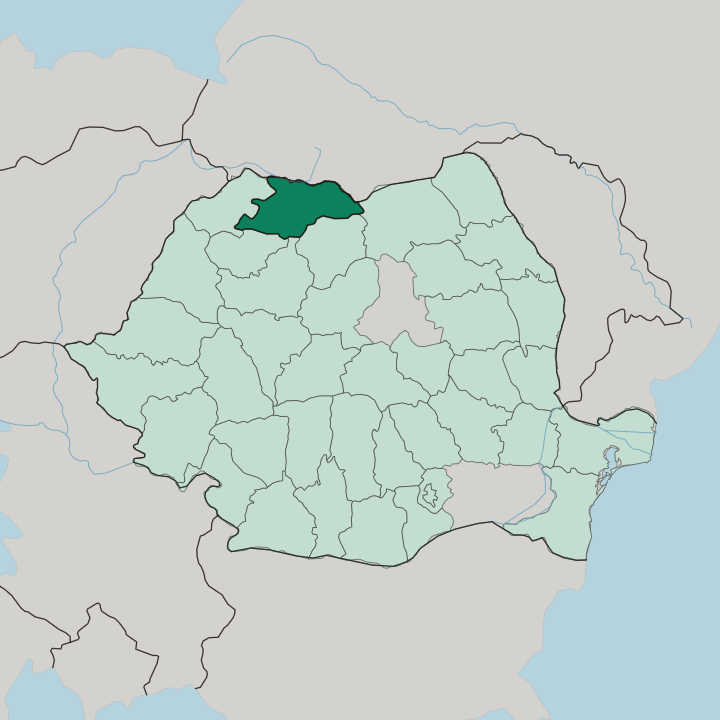
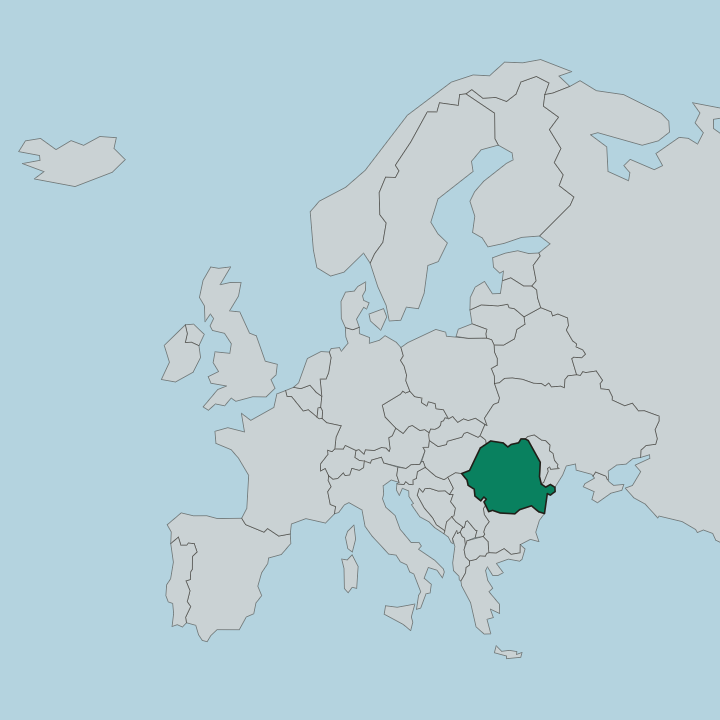
Maramureş fills the far north of Romania, tucked against the Ukrainian border in the Eastern Carpathians. The Tisa marks that frontier. Its water runs along the northern edge of the region, dividing Romania from Ukraine, and the Iza, the Vişeu and the Mara all feed into it from the south.
Mountains hem the region on almost every side. The Rodna range walls off the east and south-east, rising to Pietrosul Rodnei at 2,303 metres, the highest point of the Eastern Carpathians, while the volcanic Gutâi and the Ţibleş close it in to the west and south. Between the ranges lie the long river valleys where the villages sit.
The Iza valley reaches roughly 60 kilometres from Sighetu Marmației up to the foot of the Rodna Mountains, and it is here that most of the wooden churches stand. Baia Mare, the county seat, lies apart from the valleys at the western edge, in the lower basin below the Gutâi. Sighetu Marmației holds the north, where the Iza meets the Tisa on the border.
Neighbouring Romanian counties ring the south and west, from Satu Mare across to Suceava. The mountains kept the region turned inward for centuries. Getting anywhere meant following a river.
What is Maramureş like?
Maramureş guards its village life more stubbornly than almost anywhere in Romania. Old crafts still earn their keep here. Carpenters raise the carved oak gates that mark a Maramureş farmyard, weavers work at the loom, and shepherds still move flocks up to the Rodna pastures each summer.
The wooden church is the clearest expression of that skill. Forbidden by their Habsburg rulers from building Orthodox churches in stone, village carpenters answered in timber, and the tall shingled spires of Ieud, Bârsana and Şurdeşti are the result. The Merry Cemetery at Săpânța turns the same folk artistry toward death.
Stan Ioan Pătraş began carving its blue crosses in the 1930s, each one painted with a scene from the dead person's life and a plain-spoken, often teasing rhyme, and his workshop has kept the tradition going since. Death is met here with humour rather than only grief. The language is Romanian, though Ukrainian and Hungarian are spoken in border villages, a legacy of a region that has changed hands more than once.
Winter carols, masked processions and the horn-blown rituals of the farming year still run to their old calendar. Little of this was staged for visitors. It simply outlived the pressure to modernise.
What is the history of Maramureş?
Maramureş first appears as a self-governing land. The Voivodeship of Maramureş, led by local Romanian nobles, was set up in 1343 and it was from here that Bogdan of Cuhea crossed the mountains to found Moldova. Hungary and later the Habsburgs then held the region for centuries, and it was Habsburg law that pushed its Orthodox villagers to build in wood rather than stone.
The old county passed fully to Romania after the First World War. Its darkest modern chapter came at Sighetu Marmației, where a prison built in 1897 was turned after 1945 into a place of death for Romania's inter-war elite, and now houses the Memorial of the Victims of Communism.
What is the climate of Maramureş?
Maramureş has a temperate continental climate shaped by its mountains. The Maramureş winter is a severe one. Snow lies deep and long across the Rodna Mountains and the higher valleys, and the December cold sits well below freezing, which is why the region's winter carols and masked customs feel so tied to the season.
Summers are green and wetter than the lowlands, with afternoon rain building over the Carpathian ridges above the Iza and Vişeu valleys. Spring and autumn are short but clear, and the high Rodna pastures only open to walkers once the snow has gone.
How do you get to Maramureş?
Most travellers reach Maramureş overland through Cluj-Napoca. Its airport is the region's usual gateway. From there it is a scenic road or rail run of about 150 kilometres north over the Carpathian passes to Baia Mare, the county seat, which takes some three to four hours.
Baia Mare has its own small airport and a station on the national railway, with trains from Bucharest and Cluj-Napoca. Inside the region the valleys do the routing, so a car or local bus follows the Iza and the Vişeu from village to village.
Common questions
What is the best area to stay in Maramureş?
Baia Mare: arriving in Maramureş with city services. Sighetu Marmației: the Merry Cemetery and the Ukraine frontier. The Iza valley: the UNESCO wooden churches and guesthouses. Vişeu de Sus: the steam railway and Rodna hiking.
Good for
More regions in Romania
Updated September 2026