Romania · Neamţ
Where to Stay in Roman, Neamţ
Two rivers converge at Roman. Its place at the junction of the Siret and the Moldova has been on record in Neamț County since 1234.
Hotel links are affiliate links: booking through them may earn us a commission, at no extra cost to you. It never affects how places are ranked. How this works


Where to stay in Roman
Where visitors usually base themselves, and why.
The museum trio fixes the centre. Beds near the Muzeul de Istorie din Roman put the Muzeul de Artă din Roman and the Muzeul de Științe Naturale din Roman within the same short walk, along with Biserica Sfântul Gheorghe din Roman. Thirty square kilometres is not much.
Roman is small enough that a central room reaches almost everything on the landmark list, and it suits you if the visit is built around the churches and the collections rather than the country outside. The Armenian church in Roman belongs to the same short list. Biserica "Adormirea Maicii Domnului" falls into the count as well.
The river side offers something else. Rooms toward the junction of the Siret and the Moldova trade the museum streets for water and open ground, and they suit drivers, along with anyone treating the city as a stop between Piatra Neamț and the rest of Western Moldavia. Nothing here is a long walk.
Roman has been on this ground since 1234, and the compact shape that history left means both bases sit inside the same thirty square kilometres, with the choice coming down to preference rather than logistics. Pick the churches or the water.
Find hotels in Roman
Direct booking searches for these neighbourhoods.
Around the Muzeul de Istorie
The Muzeul de Artă din Roman and Biserica Sfântul Gheorghe din Roman fall in the same walkFind hotels in Around the Muzeul de IstorieDrivers breaking a run between Piatra Neamț and the Siret valleyToward the Siret junction
The junction of the Siret and the Moldova opens out past the museum streets of RomanFind hotels in Toward the Siret junctionHotel links are affiliate links: booking through them may earn us a commission, at no extra cost to you. It never affects how places are ranked. How this works
Things to do in Roman
Ranked by global recognition; descriptions from Wikidata (CC0).
Museums & Galleries
3- Muzeul de Artă din Roman Heritage
- Muzeul de Științe Naturale din Roman Heritage
- Muzeul de Istorie din Roman
Churches & Religious Sites
3- Armenian church in Roman Heritage
- Biserica Sfântul Gheorghe din Roman Heritage
- Biserica „Adormirea Maicii Domnului” Heritage
worth knowingacross 2 categories in Roman
About Roman
Six landmarks and two rivers.
What is Roman known for?
Roman keeps three museums, the Muzeul de Istorie din Roman, the Muzeul de Artă din Roman, and the Muzeul de Științe Naturale din Roman, against three churches, one of them the Armenian church in Roman, inside a city of barely thirty square kilometres. That is a dense inventory. The Siret and the Moldova come together at the same spot, which fixes the city inside the central part of Western Moldavia.
What are the main landmarks in Roman?
One church points outside Orthodoxy. The Armenian church in Roman is the single entry on the list that does so, and Biserica Sfântul Gheorghe din Roman and Biserica "Adormirea Maicii Domnului" complete the set of three churches recorded in the city. Museums match them in number.
The Muzeul de Istorie din Roman, the Muzeul de Artă din Roman, and the Muzeul de Științe Naturale din Roman split history, art, and natural science three ways.
What is the history of Roman?
The year is 1234. Roman appears in the record from then, which makes it one of the older documented places in the central part of Western Moldavia, and the site it occupies, the junction of the Siret and the Moldova, accounts for the early notice as well as anything can. Rivers decided the location.
Two of them come together at the city, and a settlement at such a point had reason to exist before anyone wrote its name down. Neamț County came later. An Armenian community left a church.
The Armenian church in Roman stands as the plainest evidence that the city drew people from beyond Western Moldavia, and Biserica Sfântul Gheorghe din Roman and Biserica "Adormirea Maicii Domnului" carry the Orthodox side of the same record. Three churches, three museums. The Muzeul de Istorie din Roman keeps the documentary account, the Muzeul de Artă din Roman the pictures, and the Muzeul de Științe Naturale din Roman the natural material, which is an even division for a city of thirty square kilometres.
Piatra Neamț took the county seat. Roman kept its rivers, its churches, and its museums, and the 46 kilometres between the two cities have not altered that arrangement.
Where is Roman?
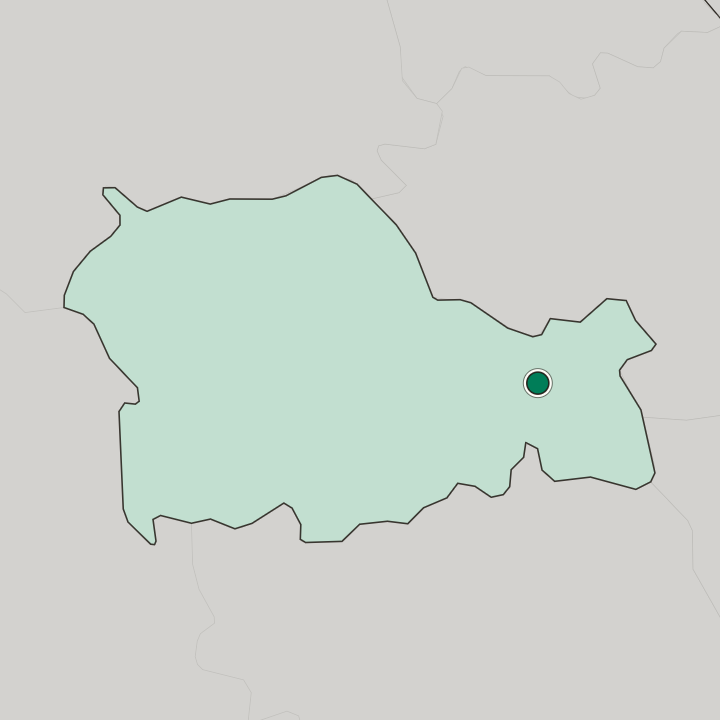
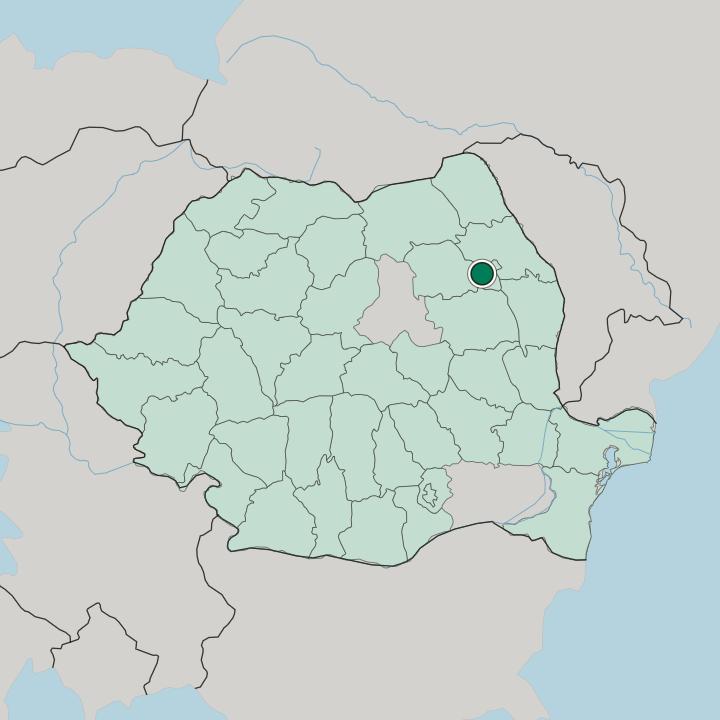
The Siret takes in the Moldova here. Roman occupies the ground at that junction, some thirty square kilometres of it, in the central part of Western Moldavia, a traditional region of Romania, and within Neamț County. Piatra Neamț lies 46 kilometres west.
That distance separates the two, and the setting of Roman is defined by the river junction rather than by the high ground that shapes the county capital.
What is the climate of Roman?
The valley of the Siret sets the pattern. Roman sits low at the junction with the Moldova, and the temperate year there runs to hot summers over open river ground and to winters that the valley does nothing to soften. Neamț County spans both extremes.
Its capital, Piatra Neamț, takes the mountain version of that year, while the city at the confluence takes the valley version. Only 46 kilometres separate them.
How do you get to Roman?
Piatra Neamț is the near reference. Roman lies 46 kilometres east of the county capital, so the approach from that side crosses Neamț County rather than entering it from outside. The rivers frame the other routes.
The Siret and the Moldova hold the city between them, and arrival from any direction means crossing the central part of Western Moldavia to reach the point where the two join.
Common questions
What is the best area to stay in Roman?
Around the Muzeul de Istorie: Visits centred on the three museums of Roman. Toward the Siret junction: Drivers breaking a run between Piatra Neamț and the Siret valley.
Good for
Another city in Neamţ
Updated October 2026