Romania
Neamţ, Romania — Towns & Travel Guide
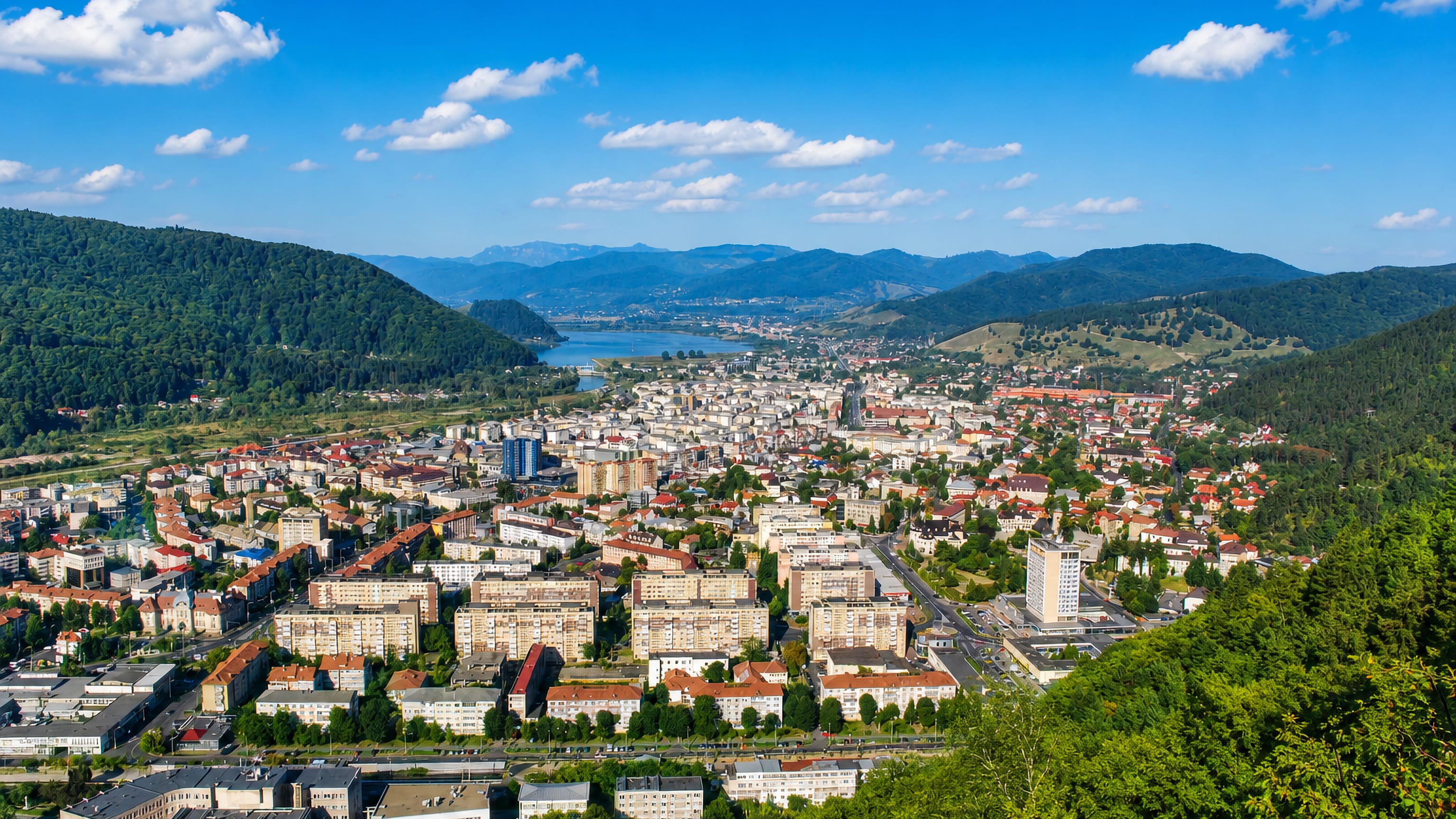
Neamț is a mountain county in northeastern Romania, where the Eastern Carpathians and the Bistrița river frame Piatra Neamț.
Hotel links are affiliate links: booking through them may earn us a commission, at no extra cost to you. It never affects how places are ranked. How this works


Towns & cities in Neamţ
Pick a town or city — each links to where to stay.

 Romania
Piatra Neamţ
The Eastern Carpathian Mountains close in around Piatra Neamț, capital of Neamț County in Western Moldavia. Bâtca Doamnei Hill rises above.Where to stay →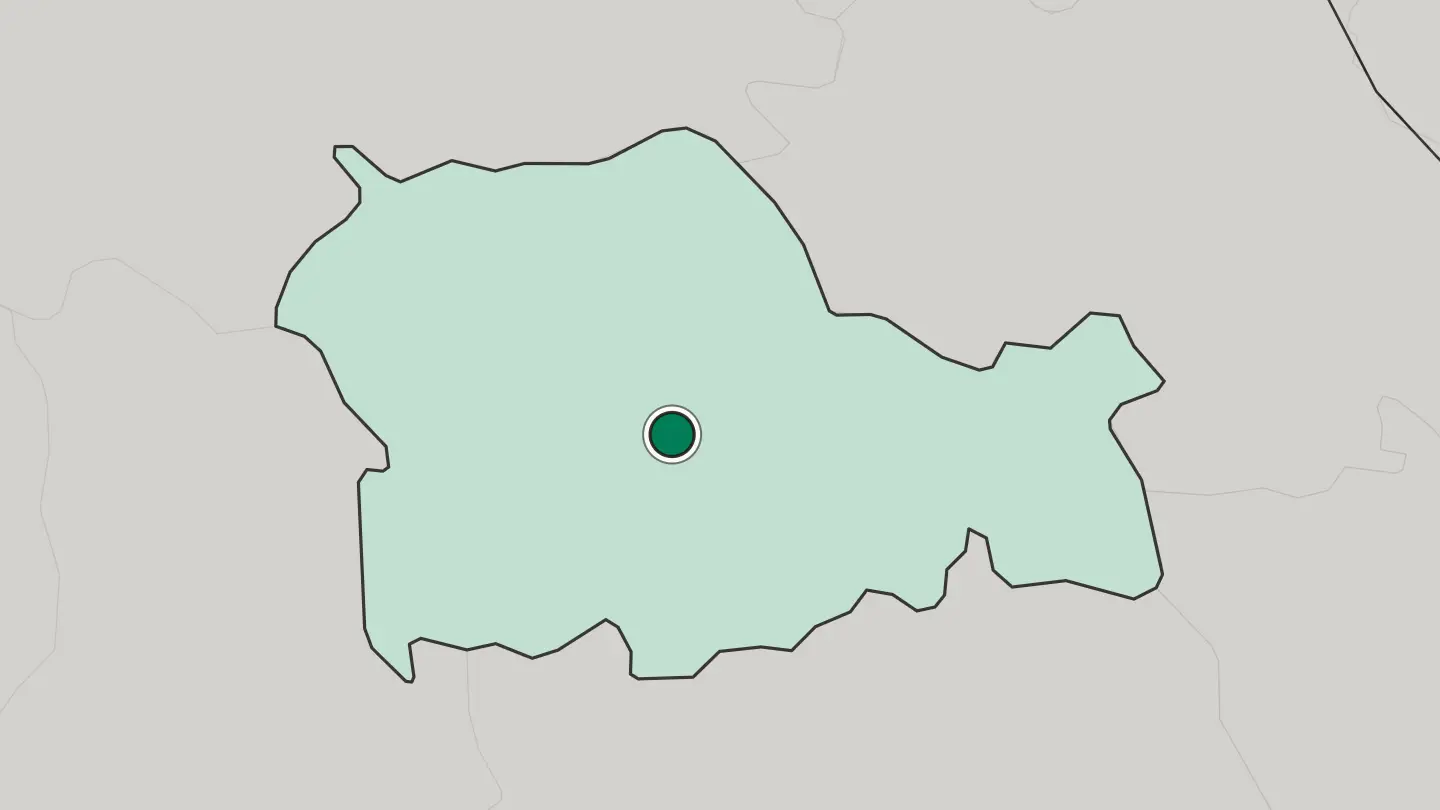 Romania
Roman
Two rivers converge at Roman. Its place at the junction of the Siret and the Moldova has been on record in Neamț County since 1234.Where to stay →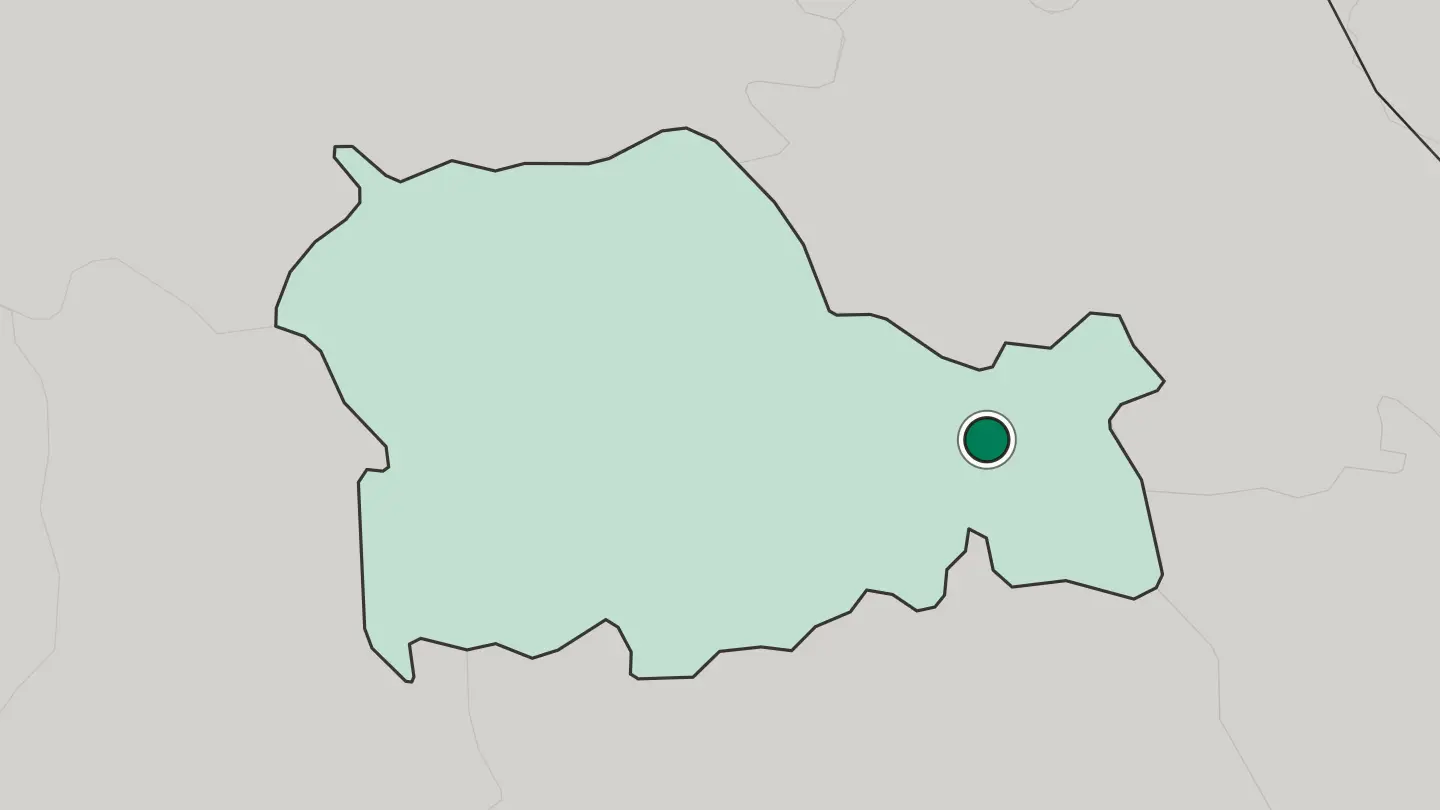
Hotel links are affiliate links: booking through them may earn us a commission, at no extra cost to you. It never affects how places are ranked. How this works
About Neamţ
Neamț is monastery country.
What is Neamţ known for?
It holds one of the densest clusters of Orthodox monasteries anywhere in Romania, from the medieval Neamț Monastery west of Târgu Neamț to the large nunneries of Agapia and Văratec. The other draw is the mountains, where the Ceahlău Massif rises above Lake Bicaz and the Bicaz river has cut the deep limestone canyon of Cheile Bicazului. Above it all sits the ruined Neamț Citadel, the fortress Stephen the Great once raised against invading armies.
Where is Neamţ?
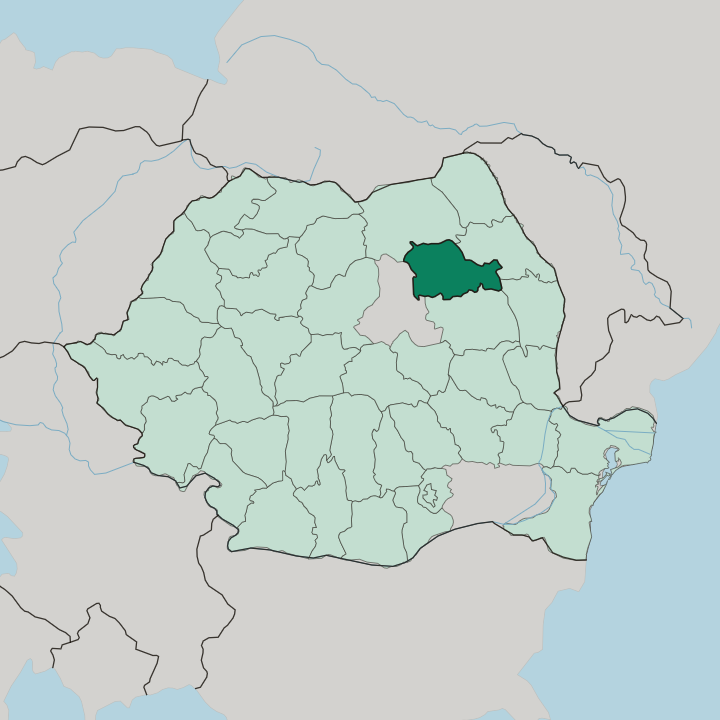
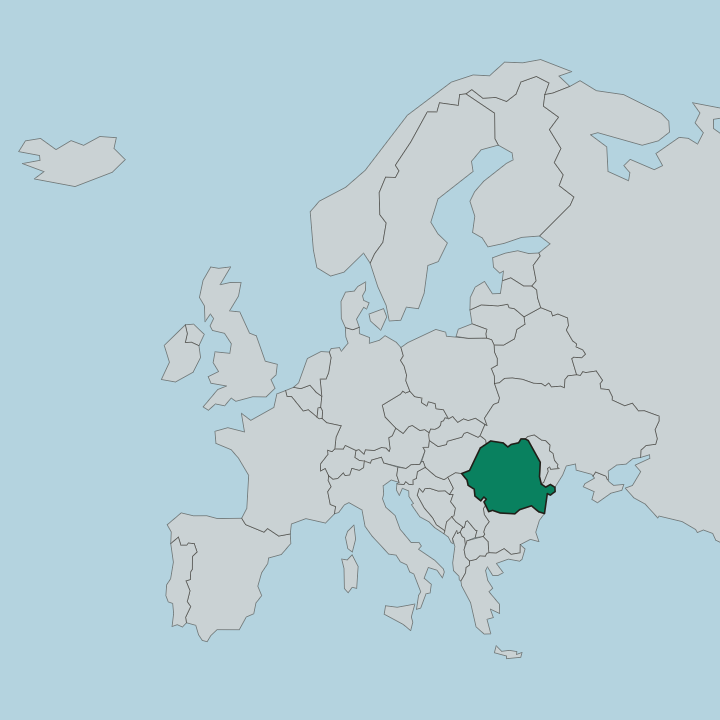
Neamț sits in northeastern Romania, in the historic region of Western Moldavia. It borders Suceava to the north, Iași and Vaslui to the east, Bacău to the south, and Harghita to the west across the mountain crest. The ground of Neamț slopes from west to east.
High in the west stand the Eastern Carpathians, where the Ceahlău Massif carries the twin summits of Toaca and Ocolașul Mare above 1,900 metres, and the ground falls away eastward into rolling hills and the open plain around Roman. Water orders the county. The Bistrița is its spine, running down from the mountains through Piatra Neamț before it turns toward the Siret in the south.
Along the Bicaz river the rock walls of Cheile Bicazului close in, one of the deepest canyons in the country. Behind the Bicaz dam the Bistrița pools into Lake Bicaz, the largest reservoir held entirely within Romania. Farther north the Ozana, the little river Ion Creangă made famous, threads past Târgu Neamț.
Roman marks the eastern limit. There the Moldova finally meets the Siret out on the flat lowland floor, far below the peaks.
What is Neamţ like?
Faith is stitched into daily life here. Neamț carries more monasteries per square kilometre than almost any place in Romania, and the great houses are working communities rather than museums. Neamț Monastery, finished under Stephen the Great, was for centuries a centre of Slavonic manuscript copying and Orthodox learning.
At Agapia and Văratec, among the largest nunneries in Europe, hundreds of nuns still weave carpets and tapestries and sell them alongside homemade cheese pies from the monastery gates. The county also claims Romanian letters. Ion Creangă, one of the language's best-loved storytellers, grew up at Humulești near Târgu Neamț, and the Ozana river that runs past his birthplace opens his childhood memoir.
Painting has roots here too. Nicolae Grigorescu decorated the church at Agapia as a young man, before he became the country's most celebrated painter. The language is Romanian.
Craft, pilgrimage and the mountains braid together into an unusually quiet, devotional character that sets Neamț apart from the busier corners of the land.
What is the history of Neamţ?
The county grew out of medieval Moldavia. Neamț Citadel, first recorded in 1395 when it withstood a Hungarian siege, was raised and strengthened by Stephen the Great into one of the strongholds guarding the principality. The same prince founded the church at Neamț Monastery in 1497.
Around those foundations grew the market town of Târgu Neamț and, out on the plain, the older episcopal seat of Roman. A frontier of faith and stone. For centuries this remained a country of monasteries and fortresses along the edge of the Carpathians.
What is the climate of Neamţ?
Neamț runs to a temperate-continental climate. Altitude decides the rest. Snow settles for months on the Ceahlău Massif and the western peaks, while the lowland around Roman thaws far earlier and stays milder through the cold season.
Summers turn warm and green along the Bistrița valley. That is when walkers climb into the Eastern Carpathians. Spring and autumn swing hardest, mild by day and frosty by night up in the mountain villages.
How do you get to Neamţ?
Most travellers reach Neamț by air through Bacău, the nearest airport, about an hour south of Piatra Neamț by road. Iași, farther east, is the larger gateway for international flights. From Bacău a rail line runs up the Bistrița to Piatra Neamț, connecting there onward to Bucharest.
Roads climb west from the towns into the Ceahlău Massif and the Bicaz canyon, where a car is the practical way to reach the monasteries and the mountain trails.
Common questions
What is the best area to stay in Neamţ?
Piatra Neamț: a first base in the Carpathian county. Târgu Neamț: the monastery belt and the fortress hill. Roman: the flat eastern edge of the county. The Ceahlău and Lake Bicaz mountains: hiking the Eastern Carpathians.
Good for
More regions in Romania
Updated September 2026