Romania · Olt
Where to Stay in Slatina, Olt
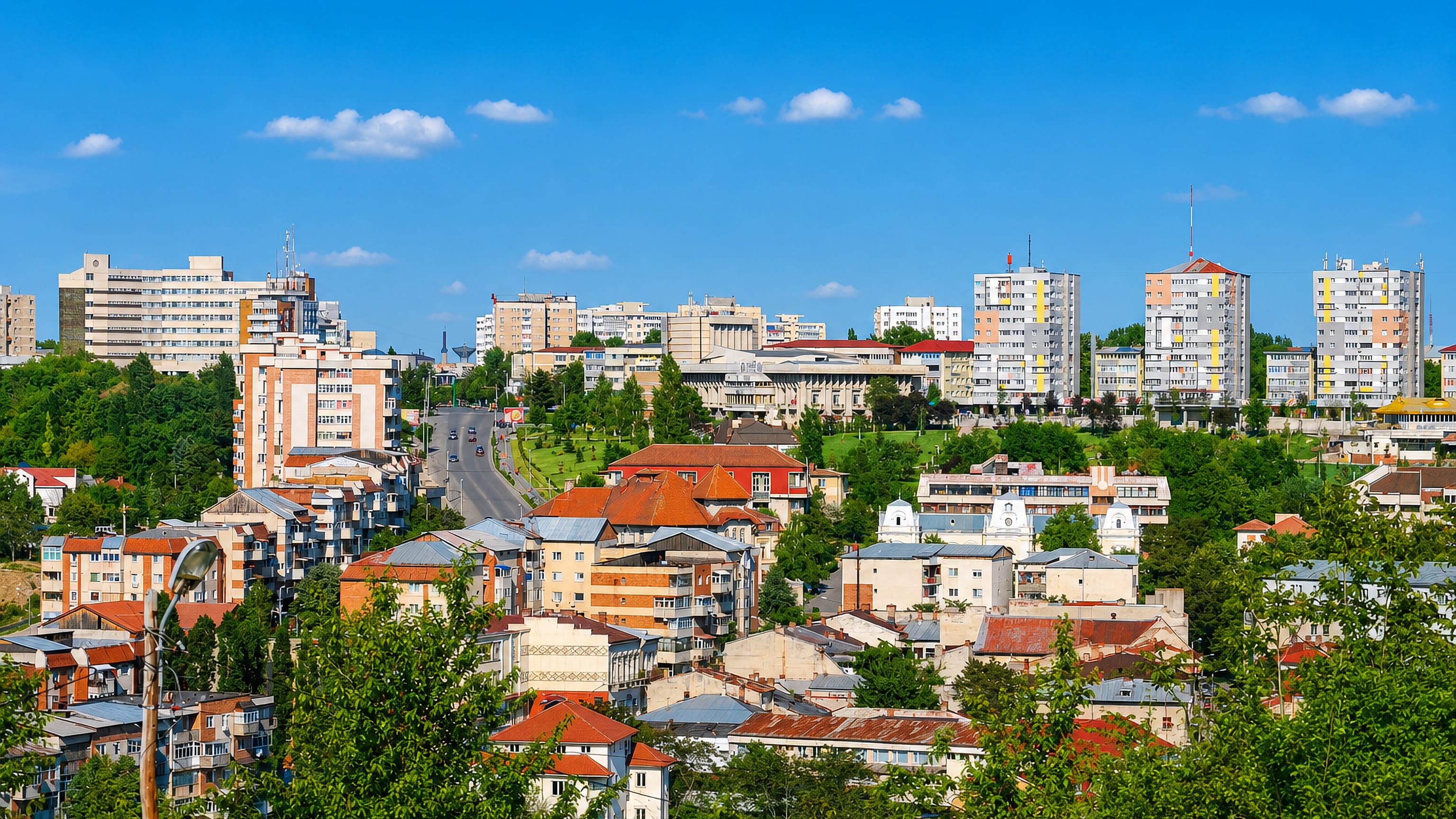
Slatina holds the left bank of the Olt River, an Olt County capital where the Getic Plateau gives out onto the Wallachian Plain. Industry followed.
Hotel links are affiliate links: booking through them may earn us a commission, at no extra cost to you. It never affects how places are ranked. How this works


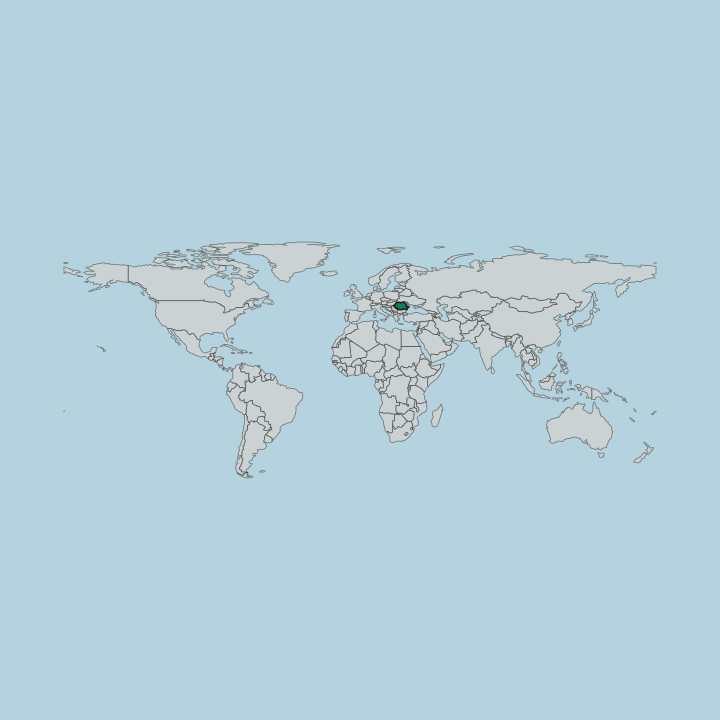
Where to stay in Slatina
Where the beds are, and what that means for the visit.
The preserved historic centre is the pick. Beds in it put the Muzeul Județean Olt, Biserica "Sfinții Împărați" din Slatina, and Saint John the Baptist Church, Slatina inside a short walk, which covers most of what a visitor to the capital of Olt County comes to see. The centre is not large.
Slatina measures a little over fifty square kilometres in total, and the protected part is a small fraction of that, so a room inside it leaves nothing much out of reach. Biserica "Sf. Nicolae (din coastă)" falls within the same circuit.
Stay there if the town itself is the point. The Olt River side reads differently. Rooms toward the left bank trade the historic streets for the water and the open ground of the Wallachian Plain, and they suit drivers, since parking gets easier the further out from the centre a bed sits.
Industry occupies the other edges. Slatina works as an industrial centre, and the quarters built around that role hold beds of their own, useful for anyone whose business is with the works rather than with the Muzeul Județean Olt. Choose by what brought you.
Find hotels in Slatina
Direct booking searches for these neighbourhoods.
The preserved historic centre
Biserica „Sfinții Împărați” din Slatina and the county museum fall inside one short walkFind hotels in The preserved historic centreDrivers who want the left bank and parking off the old streetsToward the Olt River
The left bank of the Olt River opens onto the Wallachian Plain past the protected quarterFind hotels in Toward the Olt RiverHotel links are affiliate links: booking through them may earn us a commission, at no extra cost to you. It never affects how places are ranked. How this works
Things to do in Slatina
Ranked by global recognition; descriptions from Wikidata (CC0).
Museums & Galleries
1- Muzeul Județean Olt Heritage
Churches & Religious Sites
3- Biserica „Sfinții Împărați” din Slatina Heritage
- Biserica „Sf. Nicolae (din coastă)” Heritage
- Saint John the Baptist Church, Slatina
Landmarks & Notable Places
1- Casă Heritage
worth knowingacross 3 categories in Slatina
About Slatina
This is an industrial town first.
What is Slatina known for?
Slatina counts as an important industrial centre for Olt County, and the historic centre it kept alongside the works gives the town a cultural role across the region that its size alone would not explain. The Muzeul Județean Olt holds the record. Three churches survive with it.
What are the main landmarks in Slatina?
Slatina's named list runs to four. The Muzeul Județean Olt is the only museum among them, and Biserica "Sfinții Împărați" din Slatina, Saint John the Baptist Church, Slatina, and Biserica "Sf. Nicolae (din coastă)" account for the three churches recorded in the town.
Two listed houses round it out. Both are entered simply as Casă, without a name of their own, which says something about how much of Slatina's protected fabric is ordinary building rather than monument.
What is the history of Slatina?
The town dates from 1368. That date gives Slatina a documented run of more than six centuries, long enough that the preserved historic centre carries real depth rather than a single period's worth of building. The Olt River explains the site.
Slatina took the left bank and stayed on it, and the county that formed around the town carries the river's name rather than the town's. Olt County has its capital here. Accounts differ on the region.
One places Slatina in Oltenia, another in the historical region of Muntenia, and both name the same town on the same bank of the Olt River. Churches mark the older layers. Biserica "Sfinții Împărați" din Slatina, Saint John the Baptist Church, Slatina, and Biserica "Sf.
Nicolae (din coastă)" make up the three that survive, each one a piece of the record no museum case can hold. The Muzeul Județean Olt holds the rest. Its collections cover the county rather than the town alone, which suits a place that has spent most of its documented life as the administrative head of the surrounding district.
Industry came last. Works built on the flat ground turned Slatina into an industrial centre of some weight, and that role sits alongside the cultural one the historic centre still carries for the region. Both hold.
Where is Slatina?
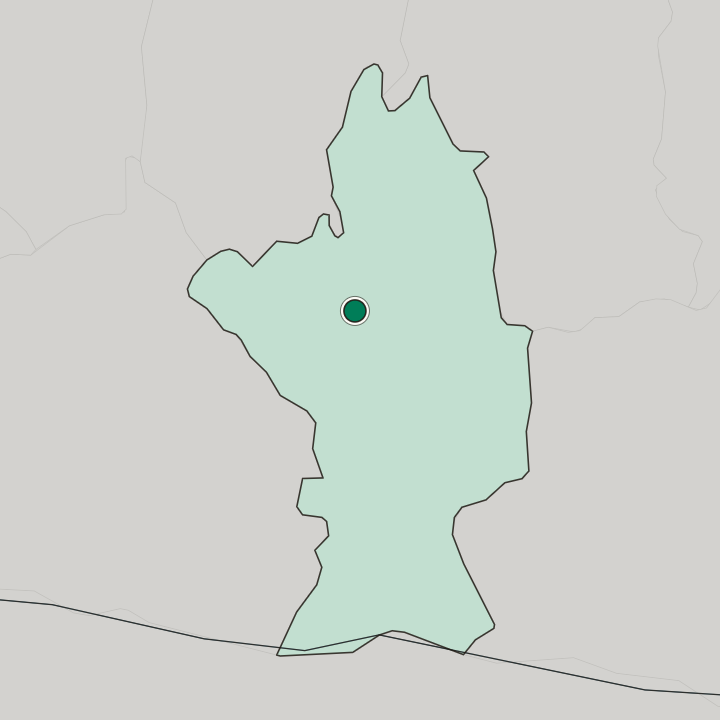
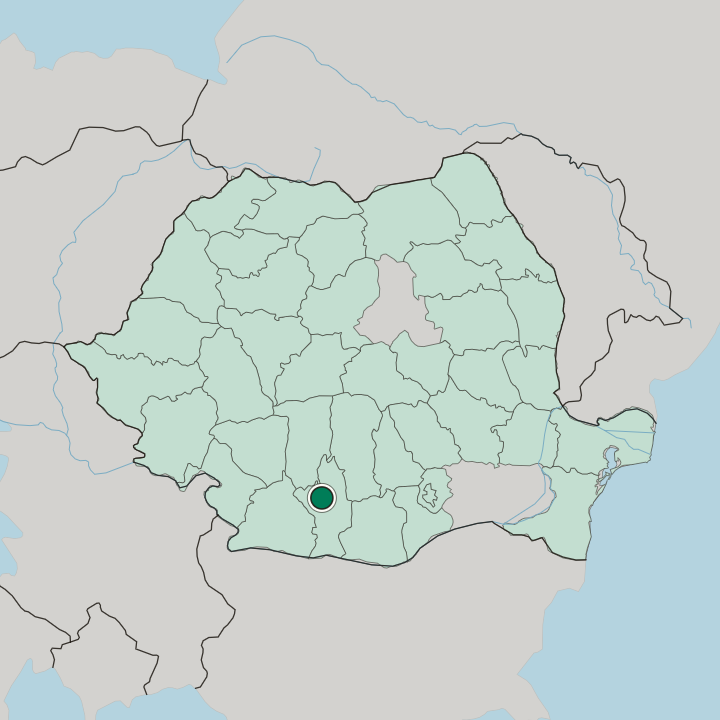
The Olt River sets the edge. Slatina holds the left bank, the eastern side, and the ground beneath it belongs to the contact zone where the Getic Plateau breaks down toward the Wallachian Plain. Fifty-odd square kilometres make up the town.
Olt County spreads out from it in every direction, and the river that names the county runs on toward the flat country beyond.
What is the climate of Slatina?
A temperate year runs over Slatina from the open side of the Wallachian Plain, so summer heat builds on flat ground and winter cold crosses it with little resistance. The Getic Plateau rises behind. Its edge changes the exposure only slightly, and the Olt River does no more than carry the season's water past the largest town in Olt County.
Both extremes show up.
How do you get to Slatina?
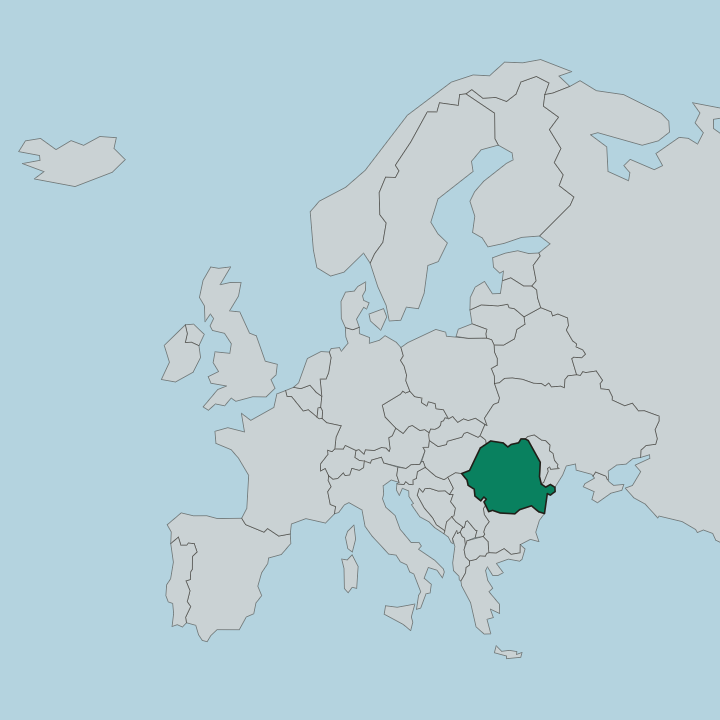
Slatina sits inland from any coast. Arrivals come overland across Olt County, and the town's standing as the county capital and its largest place means the routes that serve the district end up serving it too. The Olt River runs alongside.
Nothing between the Getic Plateau and the Wallachian Plain puts much of an obstacle in the way, and the rest of Romania lies out past the flat country.
Common questions
What is the best area to stay in Slatina?
The preserved historic centre: Short breaks spent on the Muzeul Județean Olt and the old churches. Toward the Olt River: Drivers who want the left bank and parking off the old streets.
Good for
Updated October 2026