Romania
Olt, Romania — Towns & Travel Guide
Olt is a county of the Romanian Plain, split down the middle by the Olt River between old Oltenia and Muntenia.
Hotel links are affiliate links: booking through them may earn us a commission, at no extra cost to you. It never affects how places are ranked. How this works


Towns & cities in Olt
One town here has its own guide — it links to where to stay.

 Romania
Slatina
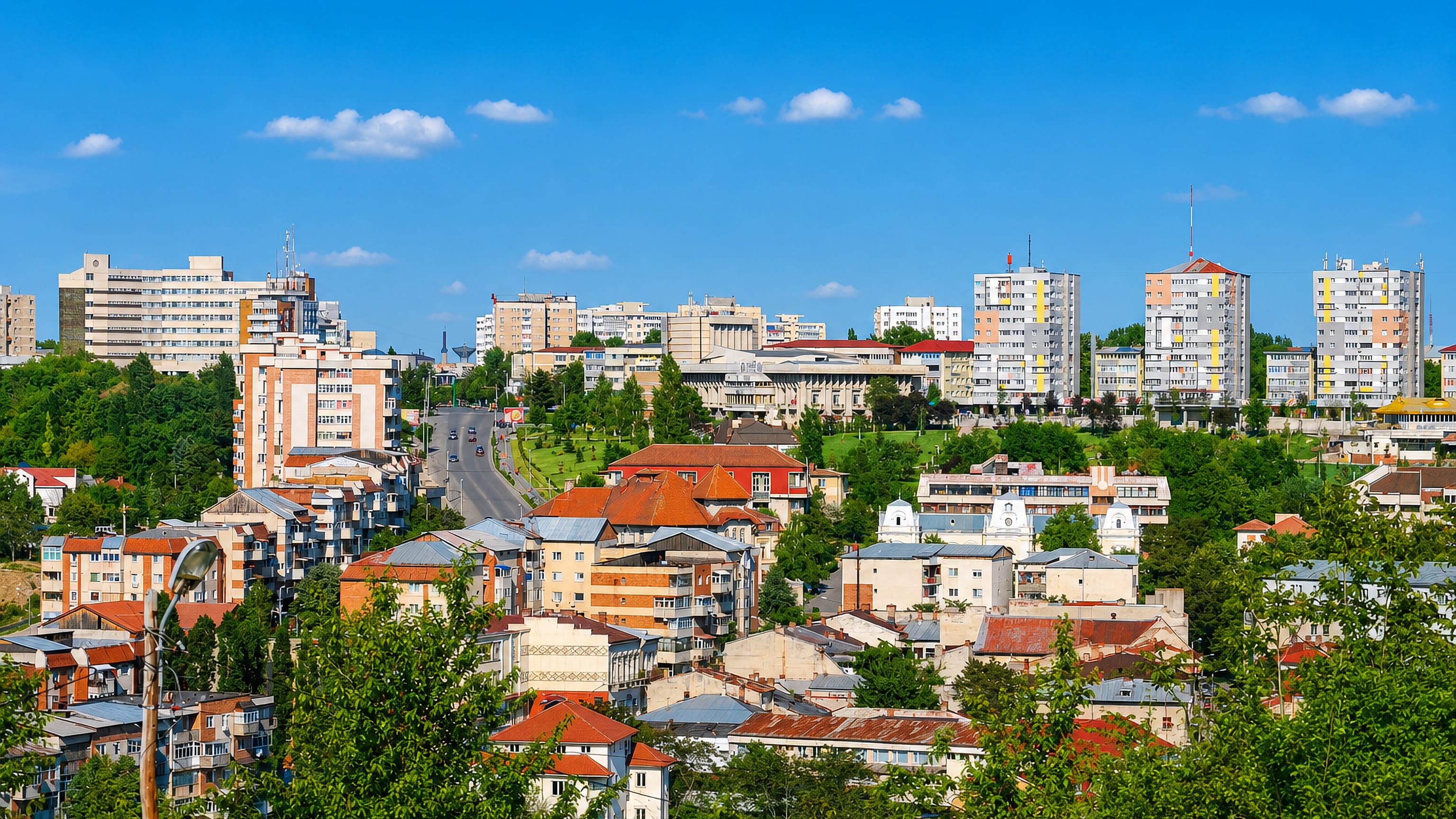
Slatina holds the left bank of the Olt River, an Olt County capital where the Getic Plateau gives out onto the Wallachian Plain. Industry followed.Where to stay →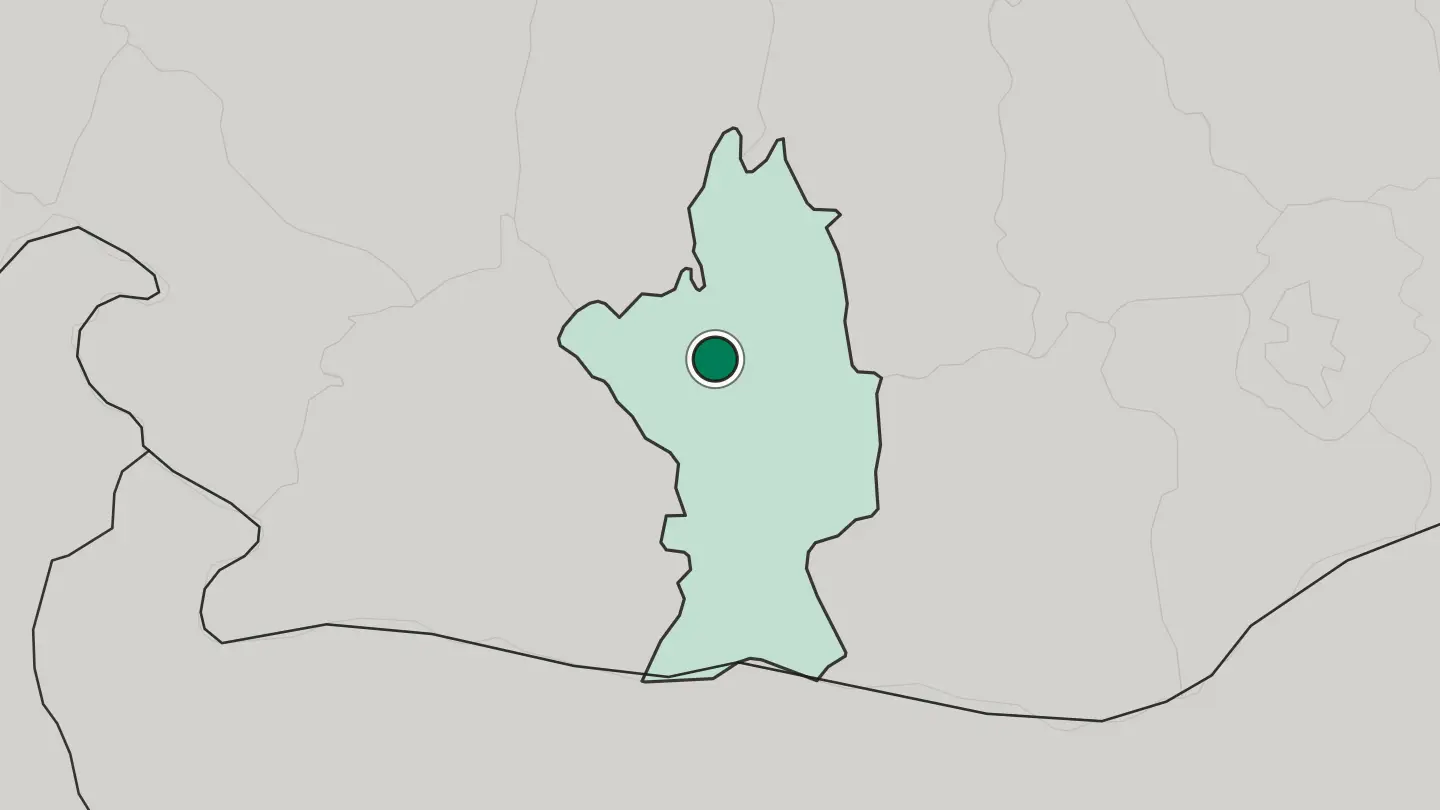
Hotel links are affiliate links: booking through them may earn us a commission, at no extra cost to you. It never affects how places are ranked. How this works
About Olt
The river gives the county its name.
What is Olt known for?
West of the water lies historic Oltenia; east of it, Muntenia, and the Olt draws the line between them. Slatina sits on the eastern bank, a working city whose Alro smelter has poured aluminium here since the 1960s. Down south the Danube forms the county's edge and the frontier with Bulgaria, with the old port town of Corabia looking across the water toward the far shore.
Grain and industry, not a tourist circuit.
Where is Olt?
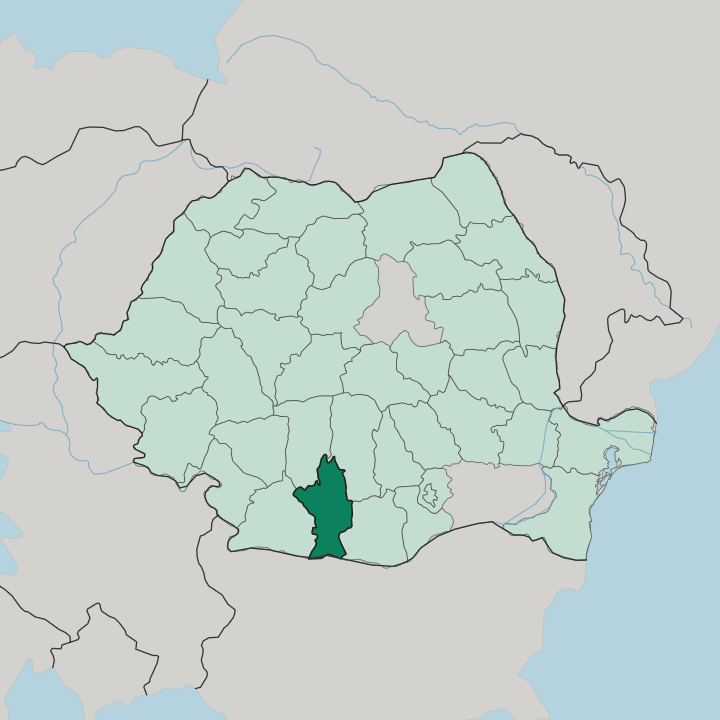
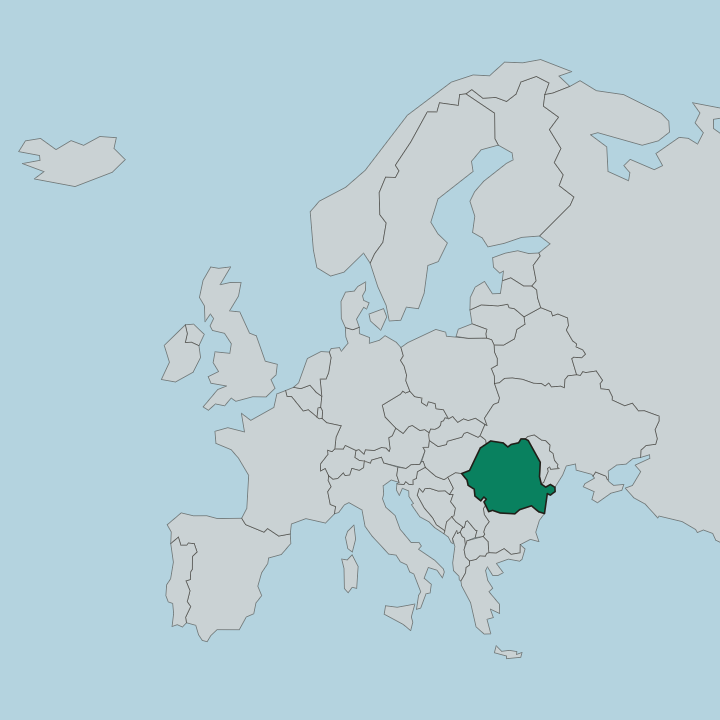
Olt lies in southern Romania, spread across the flat western reach of the Romanian Plain. Its name comes from the river. The Olt runs the length of the county from north to south and splits it into two historic halves, with Oltenia on the western bank and Muntenia on the eastern one.
Slatina, the county seat, stands on the eastern side of that river. In the far south the Danube draws the county's boundary, and along a stretch of roughly 47 kilometres that same water is the border between Romania and Bulgaria. The Olt itself is the longest river running entirely within Romania, rising far away in the Carpathian Mountains before it reaches this plain and empties into the Danube just downstream at Turnu Măgurele.
Most of the county is low and open, good farming land crossed by rivers flowing south toward the Danube. The ground rises gently only in the north, where the last low sub-Carpathian hills reach down into the county. It is a threshold county.
To the west is the rest of Oltenia; to the east, the wider Muntenia plain that runs on toward Bucharest.
What is Olt like?
The river is the dividing line, and the culture follows it. West of the Olt the county belongs to Oltenia, a region with its own way of speaking. The Oltenian dialect keeps the simple past alive in ordinary talk, where the rest of Romania saves that tense for books.
Everyday speech here carries a tense the rest of the country dropped. East of the water the county leans into Muntenia, the plain that runs toward Bucharest. Both banks speak Romanian.
Oltenia's older building tradition shows in its fortified houses. Called culă, these thick-walled stone dwellings went up during the Ottoman centuries, with a barred ground floor for storage and defence and living rooms stacked above. The grander religious buildings of the region were rebuilt in the Brâncovenesc style, the first distinctly Romanian architecture, named for the Wallachian ruler Constantin Brâncoveanu.
Life here still runs on farming and industry more than on tourism. Slatina's aluminium works anchors the modern side of that, a heavy-industry town on a river once known mainly for its grain.
What is the history of Olt?
This land was Dacian first. When Rome took it after the Dacian Wars, the ground west of the Olt became part of Dacia Inferior, one of the two divisions of Roman Dacia across the plain. The medieval principality of Wallachia later grew to span both banks, ruled on the Oltenian side through the Great Ban of Craiova.
Slatina enters the written record in 1368, named in a charter of the Wallachian prince Vladislav I. Ottoman pressure and a spell of Habsburg rule over Oltenia followed before the modern county took shape.
What is the climate of Olt?
Olt has a temperate continental climate, the kind the open Romanian Plain gives it. Heat builds through the summer. Sun bakes the grain fields of the plain from June through August, while the Danube edge in the south runs a shade warmer than the low hills up north.
Winters are cold, with spells below freezing and snow settling on the flat land between the rivers. Spring and autumn pass quickly between those two extremes.
How do you get to Olt?
Most travellers reach Olt overland from elsewhere in Romania rather than flying in, since the county has no airport of its own. Slatina is the arrival point. It sits on the rail and road lines that cross the Romanian Plain, roughly midway between Craiova to the west and the capital away to the east.
From the south, bridges over the Danube link the county to Bulgaria. Buses and trains thread the plain between Slatina, Caracal, and the smaller towns.
Common questions
What is the best area to stay in Olt?
Slatina: a base on the Olt River. Caracal: the southern Oltenia plain. Corabia: the Danube waterfront.
More regions in Romania
Updated September 2026