Romania · Prahova
Where to Stay in Ploieşti, Prahova
The National Museum of Oil sets the tone in Ploiești, a Prahova County seat out on the Wallachian Plain. Bucharest lies close.
Hotel links are affiliate links: booking through them may earn us a commission, at no extra cost to you. It never affects how places are ranked. How this works


Where to stay in Ploieşti
Where visitors usually base themselves, and why.
The mansion core decides most stays. Beds near the Palace of Culture in Ploiești put the nineteenth-century houses, the Clock Museum in Ploiești, and the History and Archeology County Museum in Ploiești inside one walk, which is the reason most visitors pick the centre at all. It is a compact quarter.
The Church of the Archangels and Saint Anthony in Ploiești falls into the same circuit. Anyone here for the museums should stay in it, and you lose little by doing so, since the city measures under ninety square kilometres in total. Olimpia Sports Hall marks the other option.
Rooms out that way suit drivers and anyone whose reason for coming is an event rather than the mansions, and they leave the run to Bucharest simpler than a bed in the middle of the centre would. Rail access changes the calculation. Ploiești is used as a base for the rest of Romania more than it is used as a stop, so a room within reach of the rail links can matter more than one within reach of the National Museum of Oil.
Weigh the trains against the museums.
Find hotels in Ploieşti
Direct booking searches for these neighbourhoods.
The mansion core
The Clock Museum in Ploiești and the nineteenth-century houses fall inside one walkFind hotels in The mansion coreDrivers and event trips that want the run to Bucharest kept shortAround Olimpia Sports Hall
Olimpia Sports Hall stands away from the mansion streets of the centreFind hotels in Around Olimpia Sports HallHotel links are affiliate links: booking through them may earn us a commission, at no extra cost to you. It never affects how places are ranked. How this works
Things to do in Ploieşti
Ranked by global recognition; descriptions from Wikidata (CC0).
Museums & Galleries
5- C.C. Dobrescu house in Ploiești Heritage
- History and Archeology County Museum in Ploiești Heritage
- Ghiță Ionescu house in Ploiești Heritage
- Muzeul Județean de Științele Naturii Prahova Heritage
- Muzeul Memorial „Paul Constantinescu” Heritage
Churches & Religious Sites
4- Holy Friday church in Ploiești Heritage
- Biserica Maica Precistă din Ploiești Heritage
- Church of the Archangels and Saint Anthony in Ploiești Heritage
- Biserica „Sf. Nicolae”-Vechi Heritage
Castles & Historic Sites
3- Monument to the Romanian War of Independence, Ploiești Heritage
- Situl arheologic de la Ploiești, punct „Bloc 122” Heritage
- Situl arheologic de la Ploiești, punct „Str. Bădești” Heritage
Stadiums & Sports
1- Olimpia Sports Hall
Landmarks & Notable Places
4- Ghiță Stoenescu house in Ploiești Heritage
- Casa Matache Ștefănescu, azi sediu bancă Heritage
- Casa dr. Constantin Vasiliu Heritage
- Casa dr. Ion Popescu Heritage
worth knowingacross 5 categories in Ploieşti
About Ploieşti
The core keeps its mansions.
What is Ploieşti known for?
Nineteenth-century houses such as the Ghiță Ionescu house in Ploiești and the Ghiță Stoenescu house in Ploiești line an attractive centre that also carries the National Museum of Oil and the Clock Museum in Ploiești, both unusual holdings for a county seat. Rail service is the other draw. Lines out of Ploiești reach the rest of Romania well enough that the city works as a base for travel rather than only as a stop.
What are the main landmarks in Ploieşti?
Museums outnumber the monuments. The National Museum of Oil, the Clock Museum in Ploiești, and the Muzeul Omului din Ploiești sit among five collections in the city, and the Muzeul Județean de Științele Naturii Prahova adds the natural sciences to that list. Parish churches take up much of what remains.
Biserica Sfântul Pantelimon din Ploiești and the Holy Friday church in Ploiești head the religious side, the Situl arheologic de la Ploiești, punct "Bloc 122" records one of two excavations inside the city, and Olimpia Sports Hall covers the modern end.
What is the history of Ploieşti?
The record opens in 1503. Ploiești enters the written account in that year, though the Situl arheologic de la Ploiești, punct "Bloc 122" and a second recorded excavation inside the city show that people worked this ground long before any document named it. The spelling shifted too.
Ploești was the older form, and the name settled into Ploiești as the town grew into the county seat of Prahova County. War left its monument. The Monument to the Romanian War of Independence stands for that conflict, while the Church of the Archangels and Saint Anthony in Ploiești, the Holy Friday church in Ploiești, and Biserica Maica Precistă din Ploiești carry the older religious record.
Oil arrived and changed the scale. The National Museum of Oil holds the industrial record, while the nineteenth-century mansions of the core, among them the Ghiță Ionescu house in Ploiești, show what the same century built for private owners. Culture kept pace.
The Palace of Culture in Ploiești, the History and Archeology County Museum in Ploiești, and the Muzeul Județean de Științele Naturii Prahova gather the public collections, while the Nichita Stănescu memorial house and the Muzeul Memorial "Paul Constantinescu" hold two individual reputations. The houses still stand.
Where is Ploieşti?
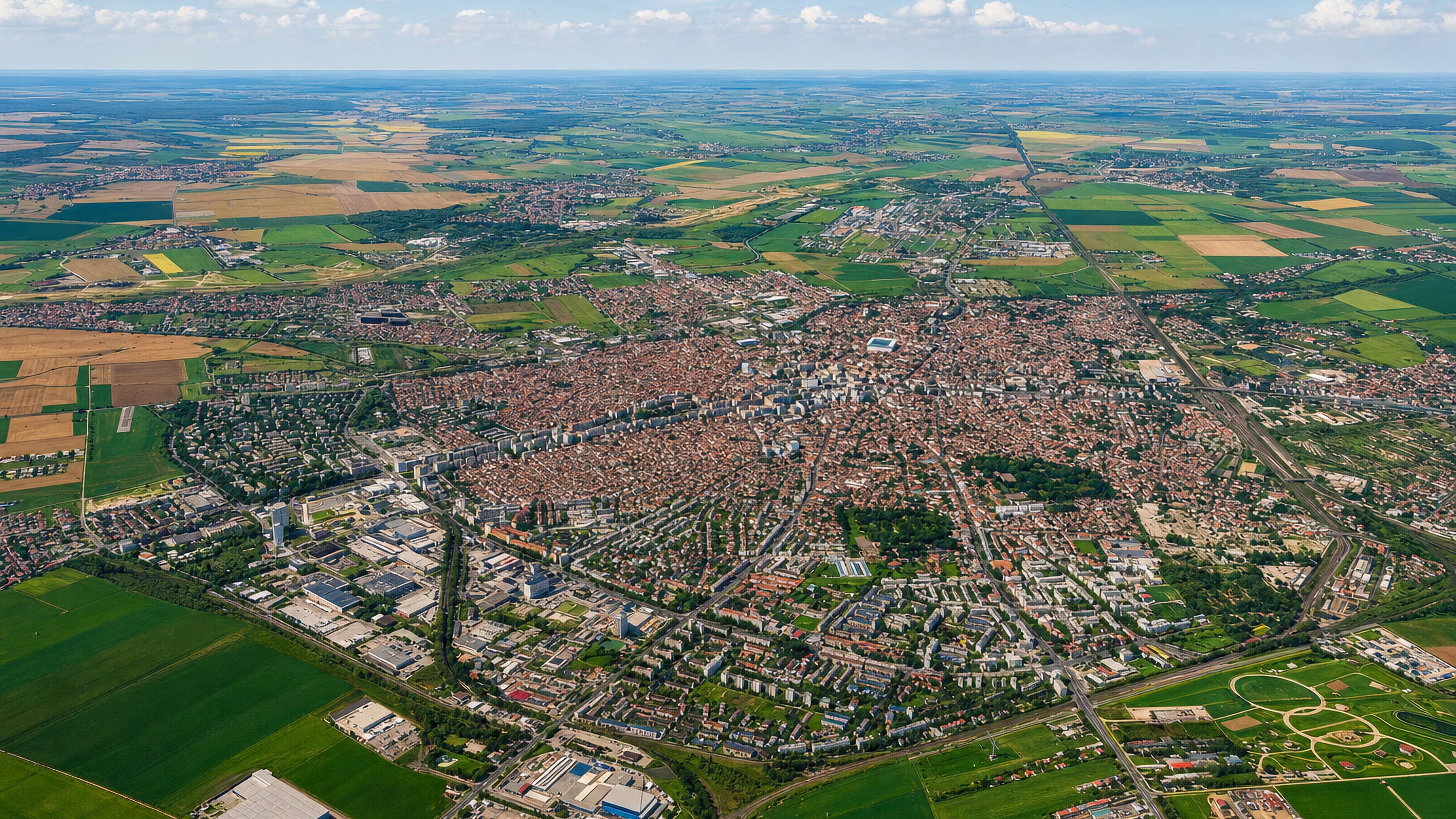
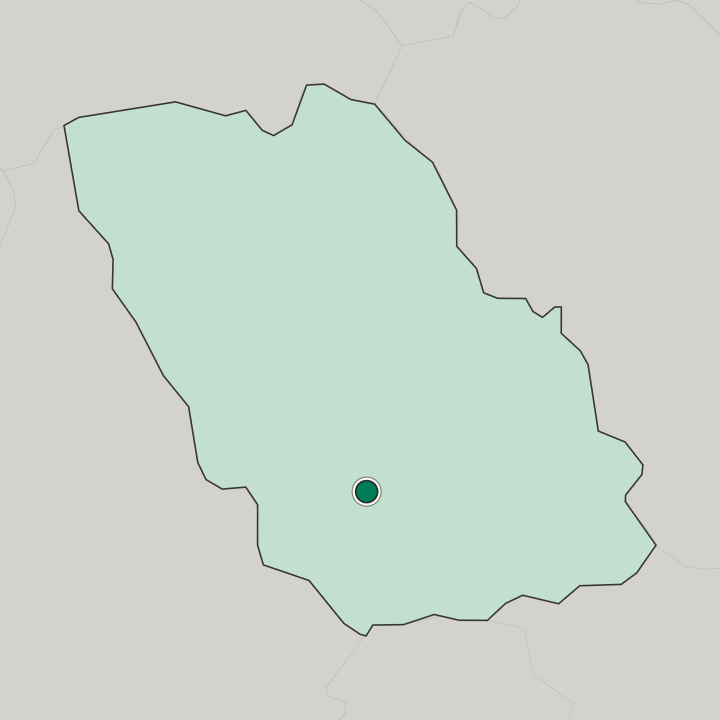
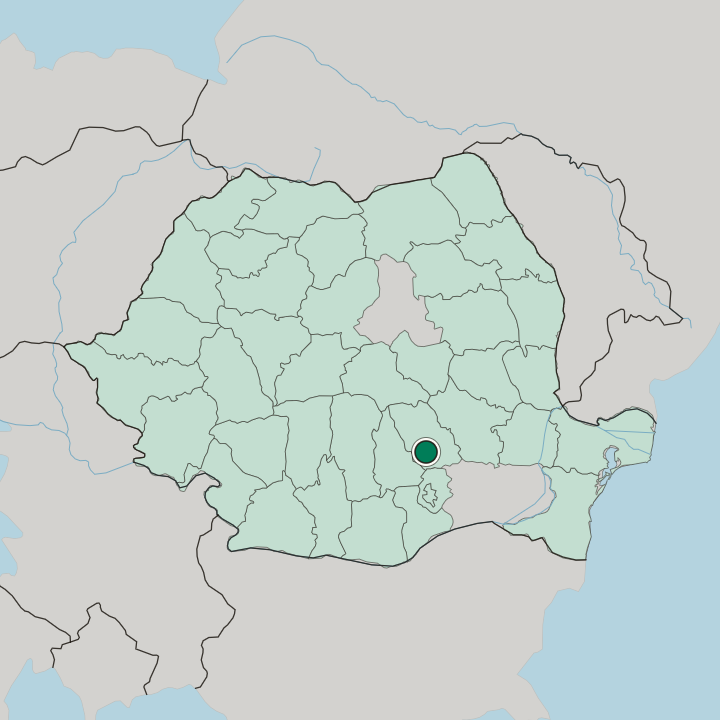
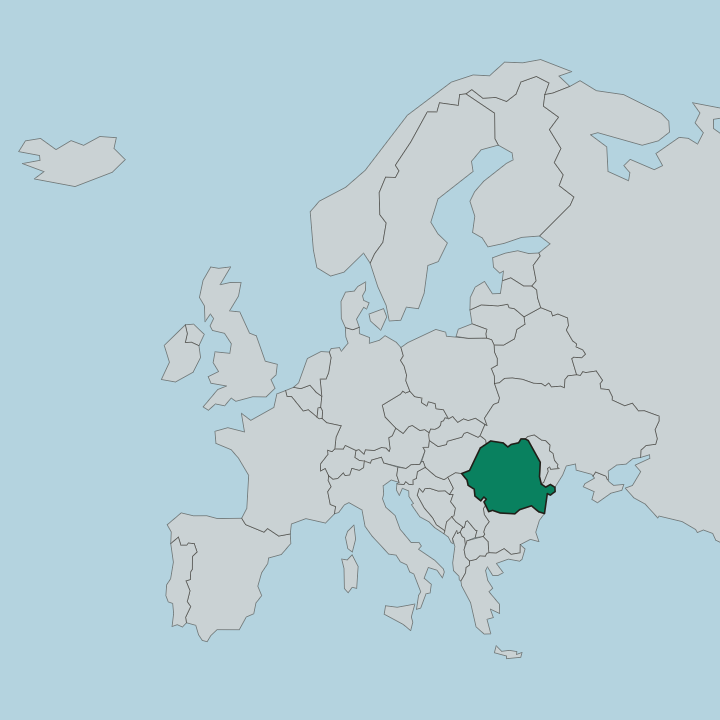
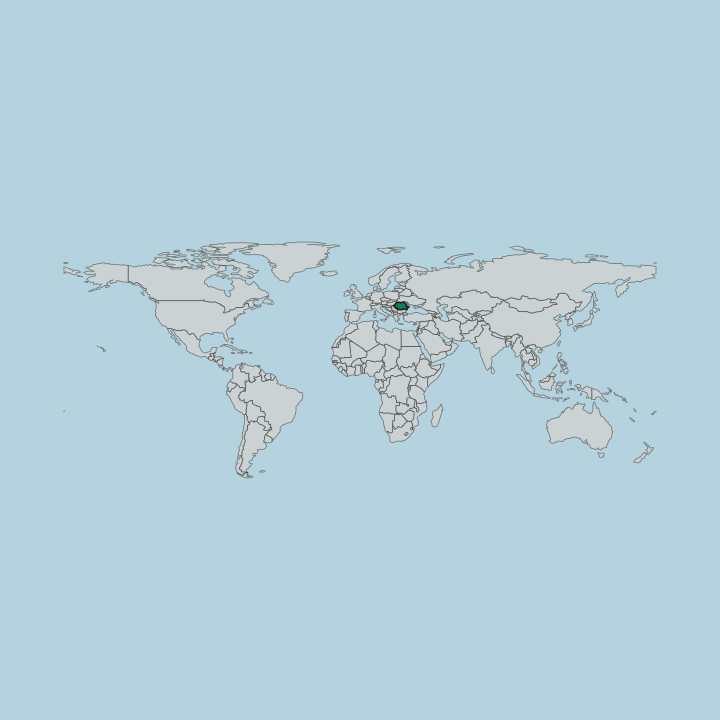
Flat ground surrounds Ploiești. The Wallachian Plain runs out in every direction from the city, which occupies close to ninety square kilometres of it and answers to Prahova County within the historical region of Muntenia. Bucharest is 56 kilometres away.
No Romanian city stands closer to the capital, which puts the whole of Prahova County within easy reach of it.
What is the climate of Ploieşti?
The plain offers no shelter. Ploiești lies open on the Wallachian Plain, where the temperate year swings hard between the heat that settles over flat ground in summer and the cold that crosses it unhindered in winter. Muntenia knows both extremes.
The Prahova County seat gets the same weather as the plain around it, with nothing in the terrain to soften either end of the year.
How do you get to Ploieşti?
The railway carries most visitors in. Rail connections out of Ploiești reach the rest of Romania, and the 56 kilometres separating the city from Bucharest make the capital an easy start or finish for any trip through Prahova County. No Romanian city sits nearer Bucharest.
That closeness, together with the rail links, is why the place works as a jumping-off point for the country rather than a destination reached at the end of a long haul.
Common questions
What is the best area to stay in Ploieşti?
The mansion core: Museum days built on the Palace of Culture in Ploiești. Around Olimpia Sports Hall: Drivers and event trips that want the run to Bucharest kept short.
Good for
Updated October 2026