Romania
Prahova, Romania — Towns & Travel Guide
Prahova rises from the oil city of Ploiești to the Carpathian ski resorts of the Prahova Valley, north of Bucharest.
Hotel links are affiliate links: booking through them may earn us a commission, at no extra cost to you. It never affects how places are ranked. How this works


Towns & cities in Prahova
One town here has its own guide — it links to where to stay.

 Romania
Ploieşti
The National Museum of Oil sets the tone in Ploiești, a Prahova County seat out on the Wallachian Plain. Bucharest lies close.Where to stay →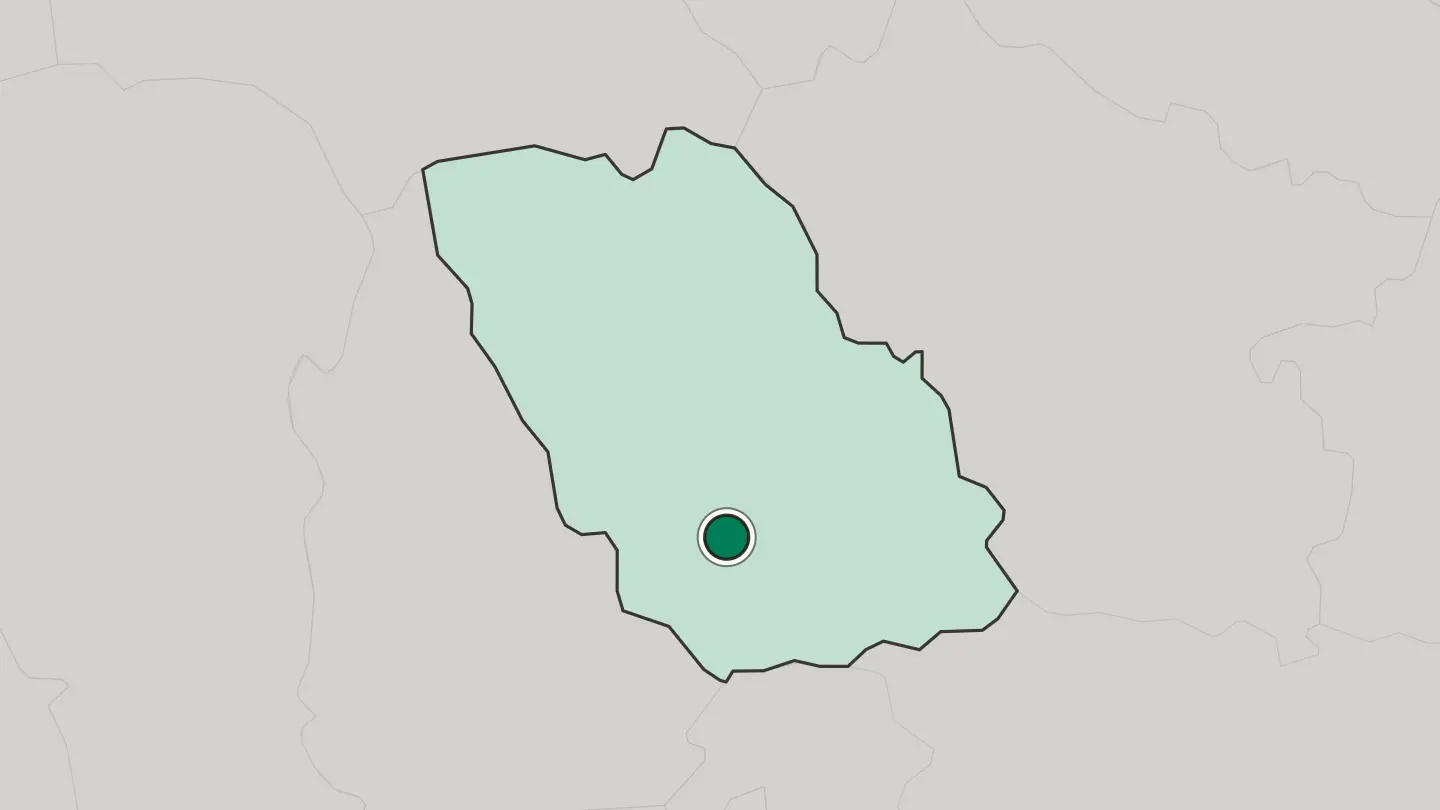
Hotel links are affiliate links: booking through them may earn us a commission, at no extra cost to you. It never affects how places are ranked. How this works
About Prahova
Prahova County is known for two things above all.
What is Prahova known for?
The first is oil. Ploiești, the county seat, grew rich refining Romanian crude, and one of the world's earliest refineries opened beside it in the 1850s. The second is the mountains, where the Prahova Valley climbs from the plain toward the Bucegi range and gathers the country's best-known winter resorts.
Sinaia guards Peleș Castle at the foot of the peaks, and Bușteni sends hikers up to the Caraiman Cross above it.
Where is Prahova?
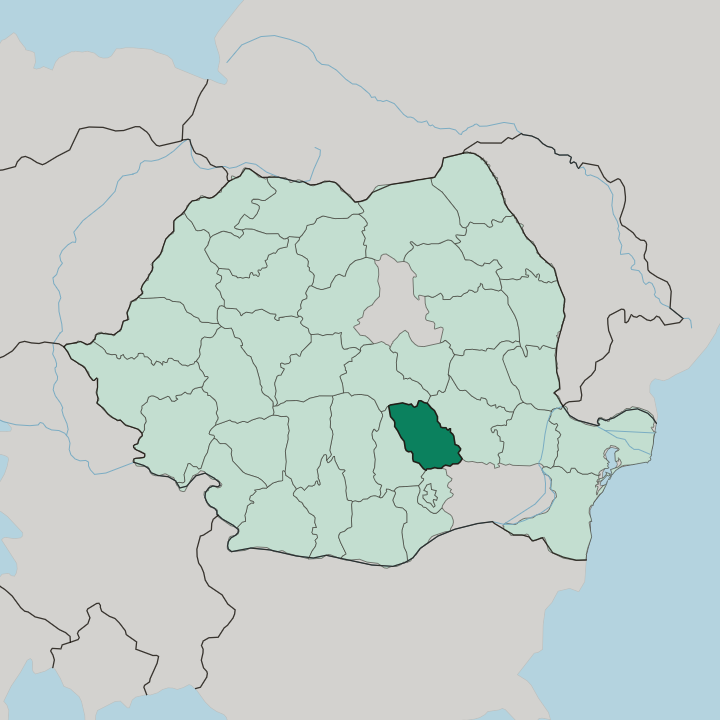
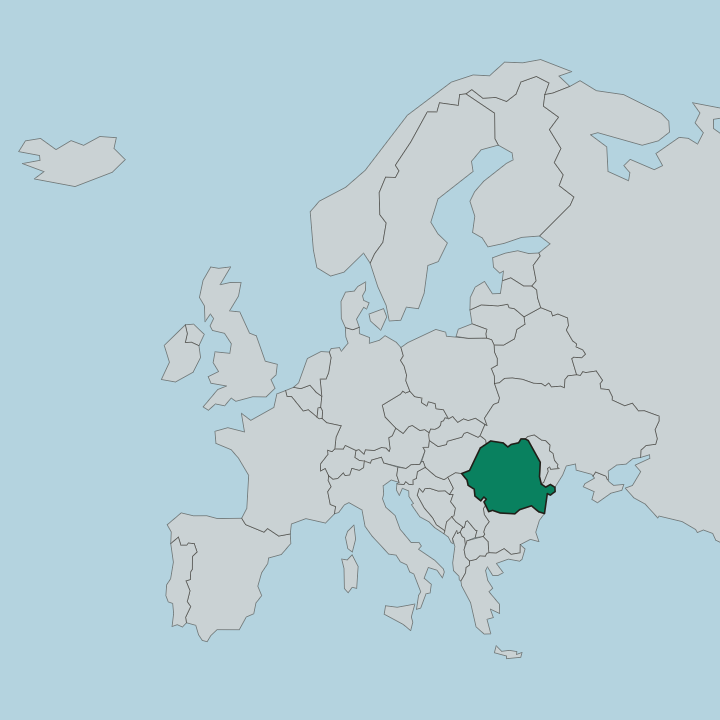
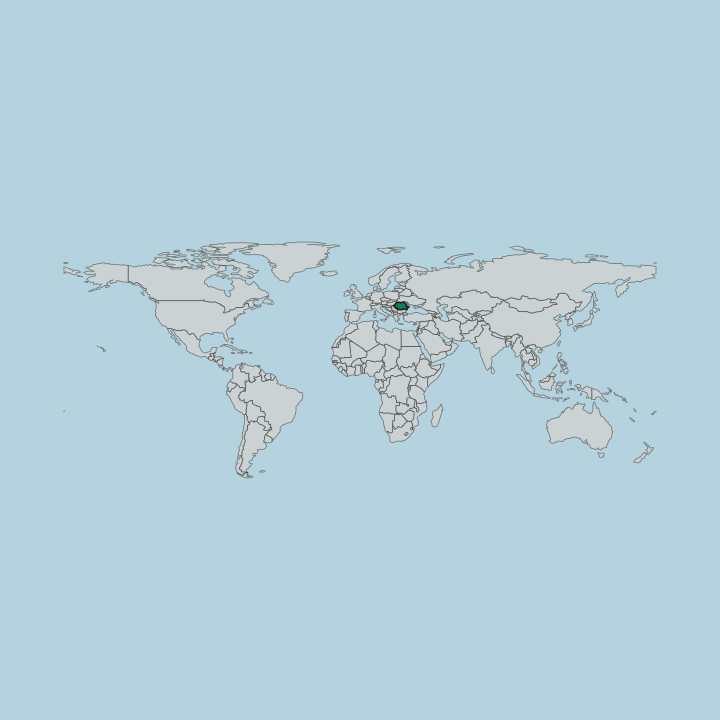
Prahova sits in southern Romania, in the historical region of Muntenia that forms the eastern half of Wallachia. Its shape is often likened to an amphitheatre. The county steps down from mountains in the north through a belt of sub-Carpathian hills to the flat Wallachian Plain in the south, and those three bands split its area almost evenly.
High ground belongs to the Bucegi and Ciucaș ranges, the last southern wall of the Carpathian Mountains before the land drops toward Bucharest. The Prahova River gives the county both its name and its main artery. It rises in the Bucegi near the northern border, carves the Prahova Valley that the resorts cling to, and runs the length of the county before joining the Ialomița further south.
The Teleajen and the Doftana feed it along the way. Four counties hem Prahova in. Brașov lies over the mountains to the north, Buzău to the east, Dâmbovița to the west, and Ialomița across the plain to the south.
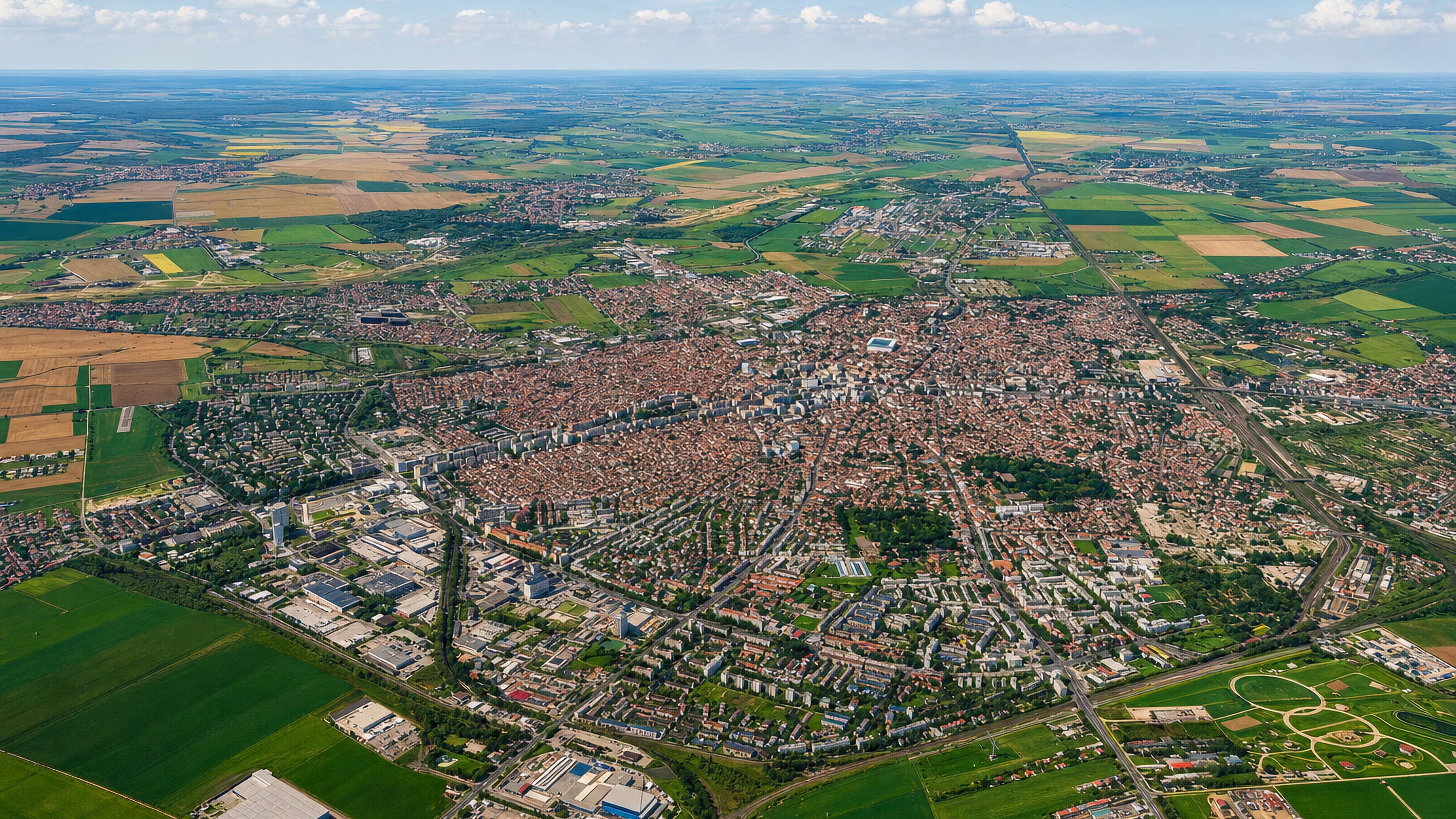
Ploiești anchors the middle of it all, set on the plain roughly an hour's drive north of the capital. From the refineries around that city you can see the peaks that draw the crowds, and the two halves of Prahova, industrial lowland and alpine valley, sit that close together.
What is Prahova like?
Prahova wears two faces, and its culture grew out of the split. On the plain, Ploiești is an industrial town shaped by more than a century of oil. The refineries drew workers and money, gave the city its nickname as Romania's capital of black gold, and left it a museum devoted entirely to petroleum.
That heritage sits oddly beside the other Prahova. Up the valley, Sinaia became the summer address of the Romanian court once King Carol I built Peleș Castle in the hills above it. The crown turned a monastery village into a resort, and the fashion for the mountain air followed.
Hotels, villas and casinos went up, and the Prahova Valley became the place city people escaped to for the weekend. That habit never faded. Romanians still treat the valley as their winter playground, filling Sinaia and Bușteni for skiing, hiking and the ritual drive up from Bucharest.
The mountains themselves carry their own lore. The wind-carved Sphinx rock and the Caraiman Cross on the Bucegi plateau are national symbols, photographed as much as any castle. Between the oil city and the royal resort, Prahova holds together industry and leisure in a way few Romanian counties do.
What is the history of Prahova?
Oil made modern Prahova. One of the world's first refineries opened near Ploiești in 1856, and the county became the heart of Romania's petroleum industry. That wealth drew war.
In the summer of 1943 American bombers flew the low-level Operation Tidal Wave against the Ploiești refineries, a raid so costly to the attackers it was remembered as Black Sunday. The mountains told a gentler story. King Carol I laid the foundation of Peleș Castle above Sinaia in 1873 and made the valley the royal family's summer seat, a role it kept until the monarchy ended in 1947.
The present county was drawn up in 1968.
What is the climate of Prahova?
Altitude splits Prahova's weather in two. Down on the Wallachian Plain around Ploiești the climate runs continental, with hot summers that push past thirty degrees and cold, snowy winters. Climb the Prahova Valley into the Bucegi and everything cools.
The high resorts around Sinaia and Bușteni hold snow from October into spring, which is exactly why skiers come. Rain and cloud gather against the mountain wall more than they do over the plain below. Pack for the height, not the lowland.
How do you get to Prahova?
Bucharest is the gateway. The capital's airport lies about an hour south of Ploiești, and it is where nearly every foreign visitor begins. From there the railway does the real work.
Trains from Bucharest climb the Prahova Valley through Ploiești, Câmpina and Sinaia up to Bușteni, so the resorts sit on a single mountain line and need no car. The parallel road carries the weekend traffic up the same valley. Inside the county, that river corridor links the plain to the peaks.
Common questions
What is the best area to stay in Prahova?
Sinaia: castles and Carpathian grandeur. Bușteni: hiking into the Bucegi Mountains. Azuga: skiing away from the crowds. Ploiești: business and the oil-town core.
Good for
More regions in Romania
Updated September 2026