Romania · Vâlcea
Where to Stay in Râmnicu Vâlcea, Vâlcea
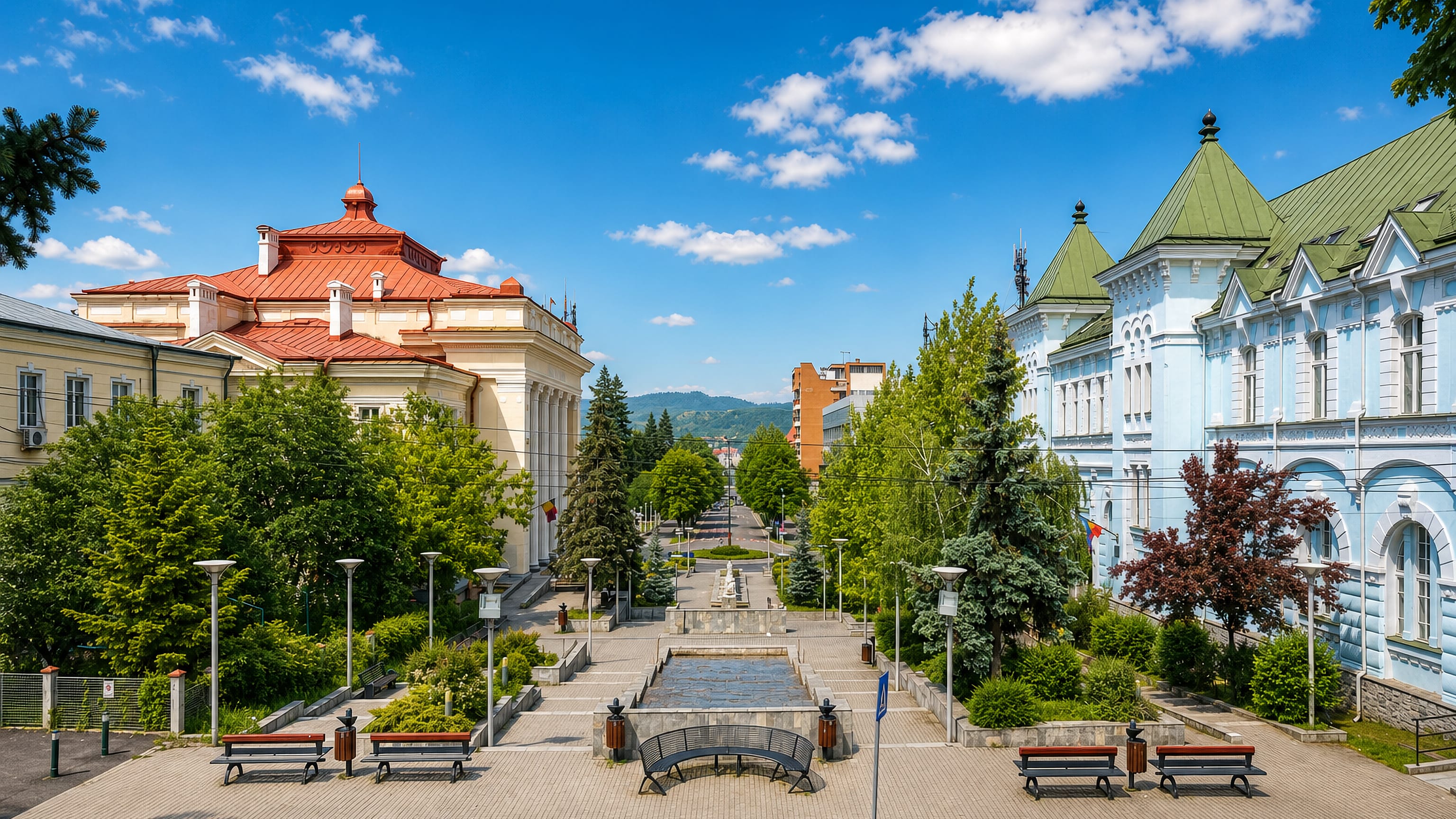
Râmnicu Vâlcea is the seat of Vâlcea County, a town under Dealul Cetățuia holding the Anton Pann Memorial House and the county museum.
Hotel links are affiliate links: booking through them may earn us a commission, at no extra cost to you. It never affects how places are ranked. How this works



Where to stay in Râmnicu Vâlcea
Not every neighbourhood fits every trip — here's what each one is good for.

 Râmnicu VâlceaRomania
Poenari
Poenari belongs to Râmnicu Vâlcea, a district the record enters by name alone, with no landmark, no charter year and no second spelling.Where to stay →Râmnicu VâlceaRomaniaTroian
Râmnicu Vâlcea counts Troian among its districts, a residential name on the map of Vâlcea County rather than a visitor quarter.Where to stay →Râmnicu VâlceaRomaniaPriba
A district of Râmnicu Vâlcea with no sights recorded to its name, Priba answers to the city and to Vâlcea County.Where to stay →Râmnicu VâlceaRomaniaDealu Malului
Among the districts Râmnicu Vâlcea administers, Dealu Malului is one of the quiet ones, without a monument list of its own in Vâlcea County.Where to stay →Râmnicu VâlceaRomaniaAranghel
Aranghel is a district of Râmnicu Vâlcea, the city in Vâlcea County that holds the area's museums and parish churches.Where to stay →Hotel links are affiliate links: booking through them may earn us a commission, at no extra cost to you. It never affects how places are ranked. How this works
Find hotels in Râmnicu Vâlcea
Direct booking searches for these neighbourhoods.
The blocks by the Independence Monument
The Muzeul Județean Aurelian Sacerdoteanu Vâlcea, Saint Paraskeva's church and Biserica Toți Sfinții all stand within a few blocks of the Independence MonumentFind hotels in The blocks by the Independence MonumentSleeping under Dealul Cetățuia rather than in the civic coreThe Cetățuia slope
The Sfinții Voievozi church of the former Cetățuia hermitage and the hill's archaeological ground sit above the grid, where keys are few and the walk back is uphill. Lodging is scarce in this area; reserve in advance.Find hotels in The Cetățuia slopeHotel links are affiliate links: booking through them may earn us a commission, at no extra cost to you. It never affects how places are ranked. How this works
Things to do in Râmnicu Vâlcea
Ranked by global recognition; descriptions from Wikidata (CC0).
Museums & Galleries
2- Anton Pann Memorial House in Râmnicu Vâlcea Heritage
- Muzeul Județean „Aurelian Sacerdoteanu” Vâlcea
Churches & Religious Sites
3- Saint Paraskeva's church in Râmnicu Vâlcea Heritage
- Biserica „Sf. Voievozi” a fostului Schit Cetățuia Heritage
- Biserica „Toți Sfinții” Heritage
Castles & Historic Sites
2- Independence Monument in Râmnicu Vâlcea Heritage
- Situl arheologic de la Râmnicu Vâlcea, punct „Dealul Cetățuia” Heritage
worth knowingacross 3 categories in Râmnicu Vâlcea
About Râmnicu Vâlcea
Museums and monuments carry the name here.
What is Râmnicu Vâlcea known for?
The Muzeul Județean Aurelian Sacerdoteanu Vâlcea holds the county collection, the Anton Pann Memorial House keeps the rooms of the man it commemorates, and the Independence Monument stands on the public ground of Râmnicu Vâlcea. Saint Paraskeva's church anchors the parishes. Above all of it, the archaeological ground on Dealul Cetățuia records people on this site long before any of the buildings below.
What are the main landmarks in Râmnicu Vâlcea?
Four names cover most visits. The Muzeul Județean Aurelian Sacerdoteanu Vâlcea carries the county's collection, the Anton Pann Memorial House stands for the figure it is named after, Saint Paraskeva's church and Biserica Toți Sfinții hold the older parish ground, and the Independence Monument fixes the civic centre of Râmnicu Vâlcea. Higher up sits the Sfinții Voievozi church of the former Cetățuia hermitage.
Dealul Cetățuia keeps the archaeological site.
What is the history of Râmnicu Vâlcea?
Occupation here predates the register. The archaeological site on Dealul Cetățuia is the oldest thing on the town's list of protected ground, and it sits above the streets rather than under them, which is the usual order in hill country where the defensible spur is settled first and the market ground fills in later. The hill came before the grid.
What followed is recorded in foundations rather than charters, and the Cetățuia hermitage, whose Sfinții Voievozi church still stands, marks the monastic stage of that sequence. Parish building carried the town through its middle centuries. Saint Paraskeva's church and Biserica Toți Sfinții survive from that work, each holding a quarter of Râmnicu Vâlcea together in the way a parish did before any municipal office existed to do it.
Anton Pann is the name the town attaches itself to most firmly, and the Anton Pann Memorial House preserves the setting associated with him as a museum rather than as a private address. The civic layer is the last to arrive. An Independence Monument was raised on the public ground of the county seat, and the Muzeul Județean Aurelian Sacerdoteanu Vâlcea gathered into one building the material that Vâlcea County had accumulated across its villages and towns.
Both belong to the era when counties began collecting their own past. Together with the hill site above, they give Râmnicu Vâlcea a record that runs from unwritten settlement to a catalogued county museum without much in between that the register preserves.
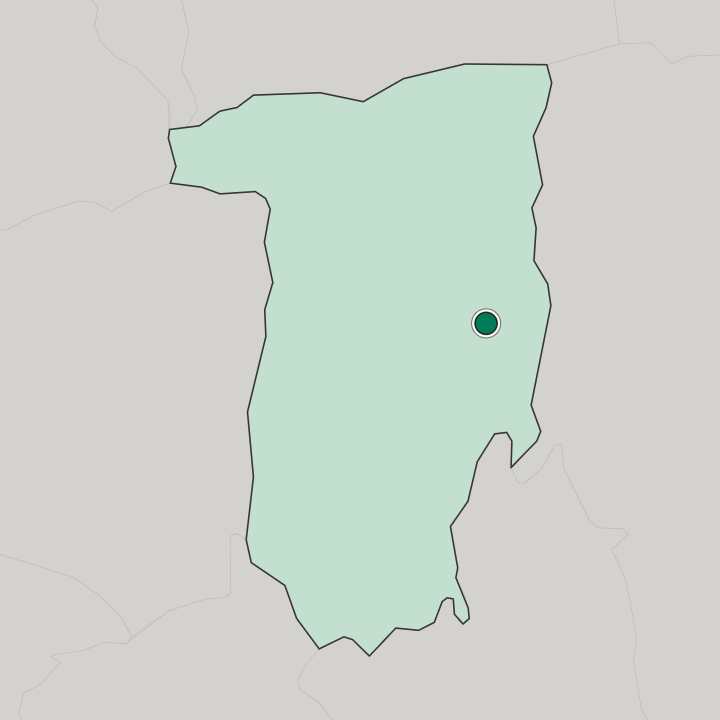
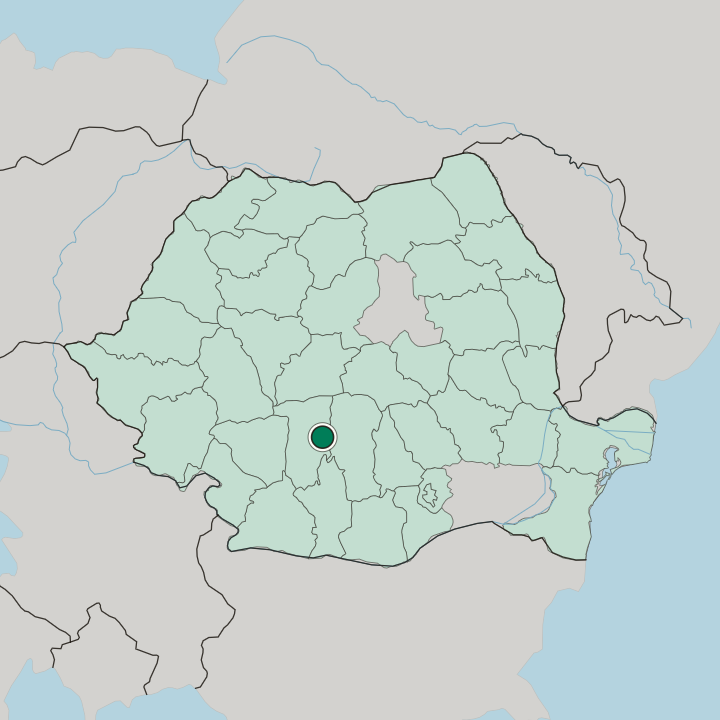
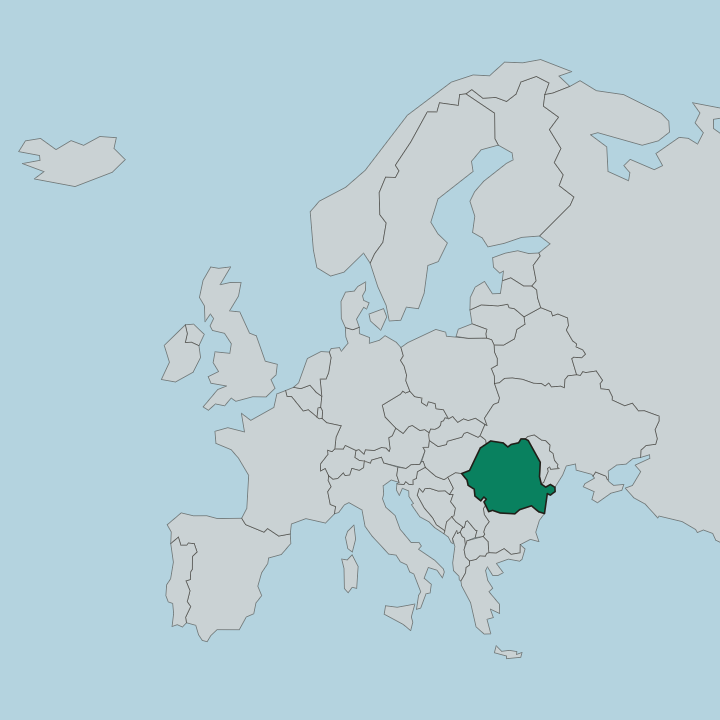
Where is Râmnicu Vâlcea?
Râmnicu Vâlcea sits under a hill. Dealul Cetățuia rises directly above the built-up streets, so the town reads in two registers: a level core around the Independence Monument, and slopes where the Sfinții Voievozi church of the former Cetățuia hermitage looks down on it. The break between them is short.
Around the town, Vâlcea County spreads through its villages, and the roads that serve them come down off that broken ground into Râmnicu Vâlcea rather than bypassing it.
What is the climate of Râmnicu Vâlcea?
Hill country sets the pattern. Dealul Cetățuia and the broken ground of Vâlcea County stand between Râmnicu Vâlcea and any open horizon, and in a temperate interior of this kind that means a proper four-season year rather than a mild one. Winters bite inland.
Summer heat settles on the level streets around the Independence Monument while the slope by the Cetățuia hermitage keeps a degree or two of relief, which is the small mercy hill towns tend to have.
How do you get to Râmnicu Vâlcea?
Vâlcea County business brings most arrivals in, and the roads serving its villages converge on Râmnicu Vâlcea rather than running past the town. The walk from the Independence Monument to the Muzeul Județean Aurelian Sacerdoteanu Vâlcea takes minutes. Dealul Cetățuia is the only real climb.
Anything past the hill wants wheels, because Vâlcea County spreads its settlements widely enough that the county seat works better as a base than as a stop.
Common questions
What is the best area to stay in Râmnicu Vâlcea?
The blocks by the Independence Monument: Arrivals here for the Vâlcea county collection and Anton Pann Memorial House. The Cetățuia slope: Sleeping under Dealul Cetățuia rather than in the civic core.
Good for
Updated October 2026