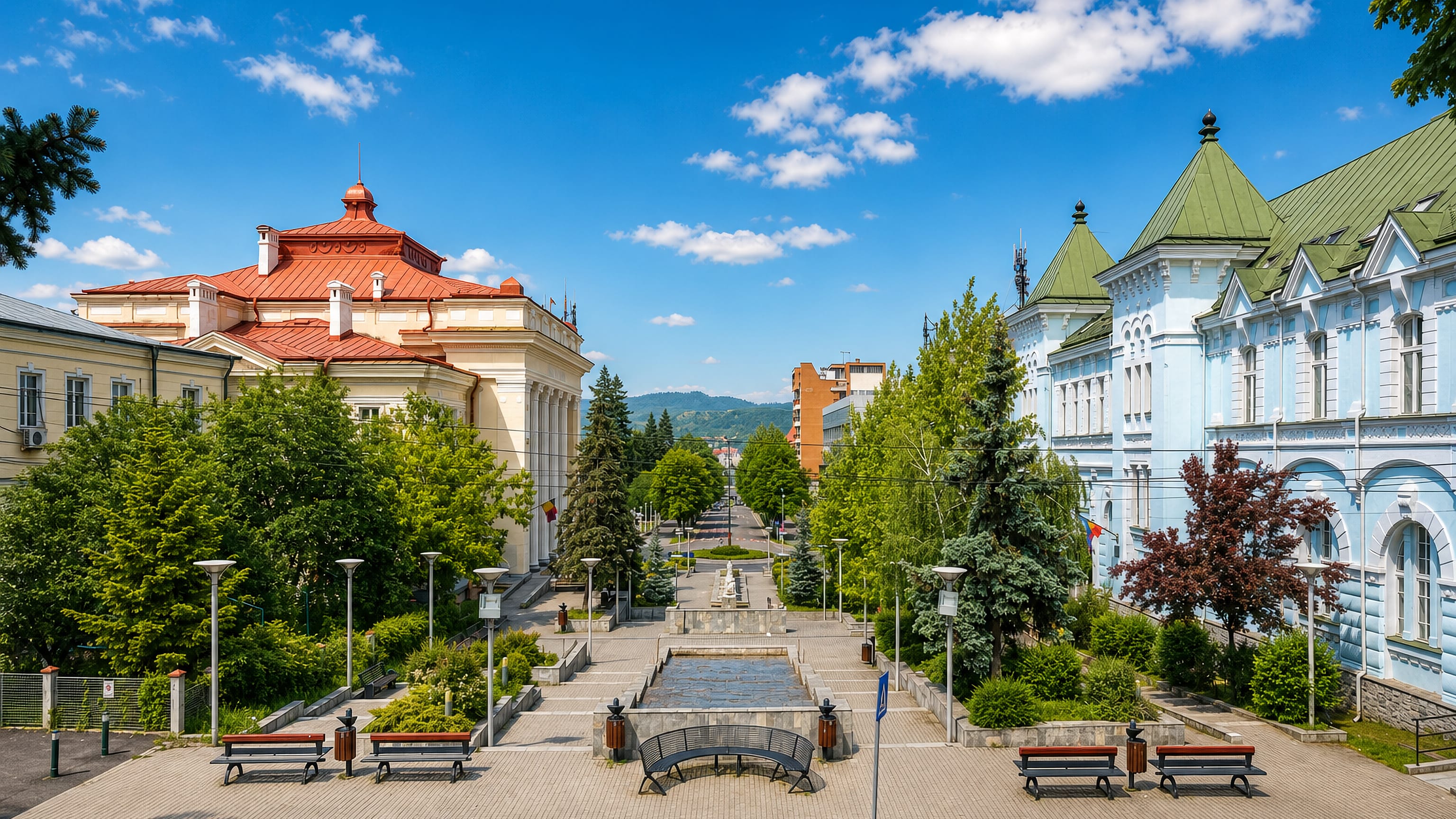
Romania
Vâlcea, Romania — Towns & Travel Guide
Vâlcea is a Romanian county where the Olt River cuts through the Southern Carpathians past Cozia and the painted Horezu Monastery.
Hotel links are affiliate links: booking through them may earn us a commission, at no extra cost to you. It never affects how places are ranked. How this works


Towns & cities in Vâlcea
One town here has its own guide — it links to where to stay.

 Romania
Râmnicu Vâlcea
Râmnicu Vâlcea is the seat of Vâlcea County, a town under Dealul Cetățuia holding the Anton Pann Memorial House and the county museum.Where to stay →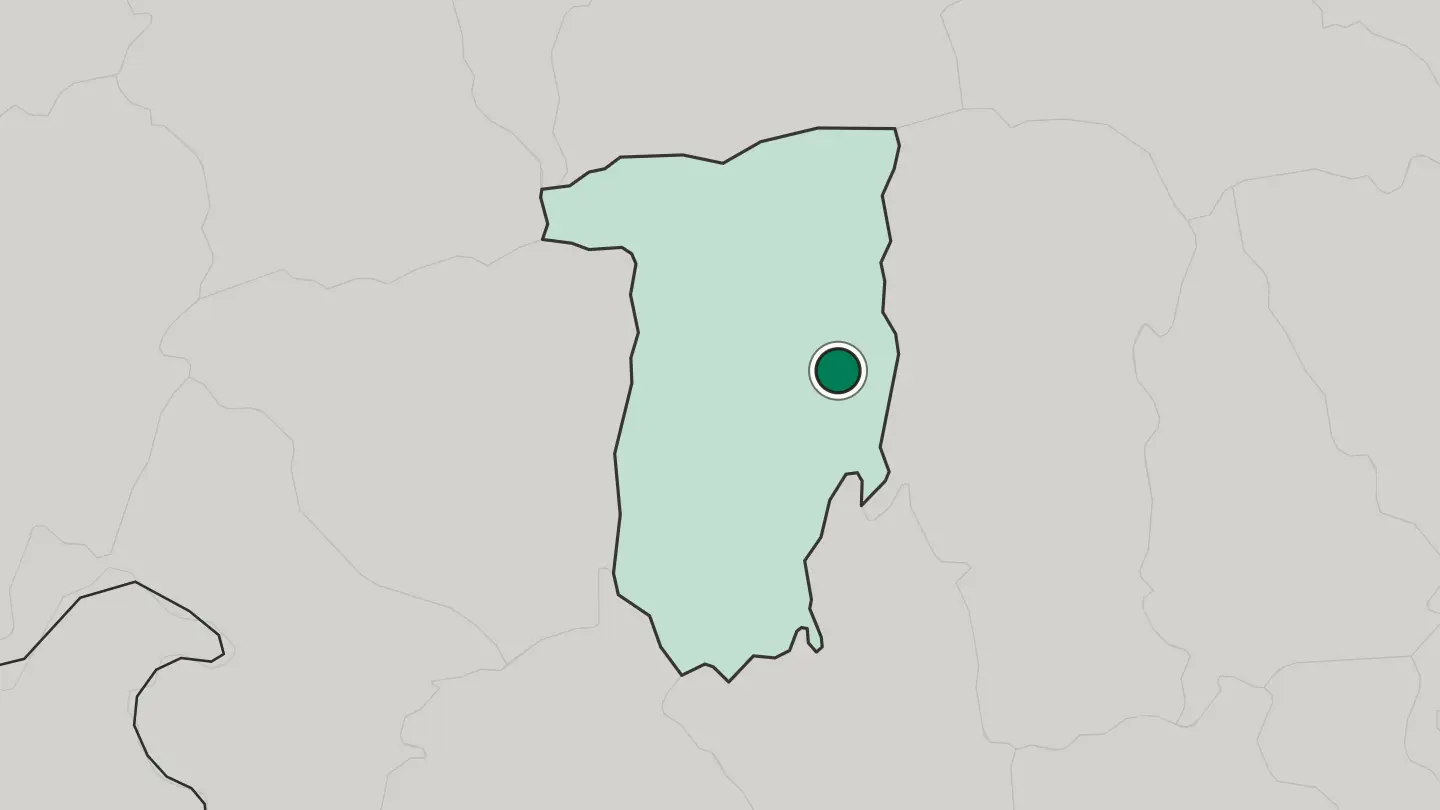
Hotel links are affiliate links: booking through them may earn us a commission, at no extra cost to you. It never affects how places are ranked. How this works
About Vâlcea
Monasteries and mineral water.
What is Vâlcea known for?
Vâlcea holds two of Wallachia's founding shrines, the fortress-like Cozia raised by Mircea the Elder on the Olt and the Brâncovenesc masterpiece at Horezu that carries a UNESCO listing. Its spa towns are the other magnet, drawing people to Călimănești-Căciulata and Băile Olănești for waters used against rheumatic and respiratory complaints. The Olt River threads all of it together, running down from the mountains through Râmnicu Vâlcea, the county seat.
Where is Vâlcea?
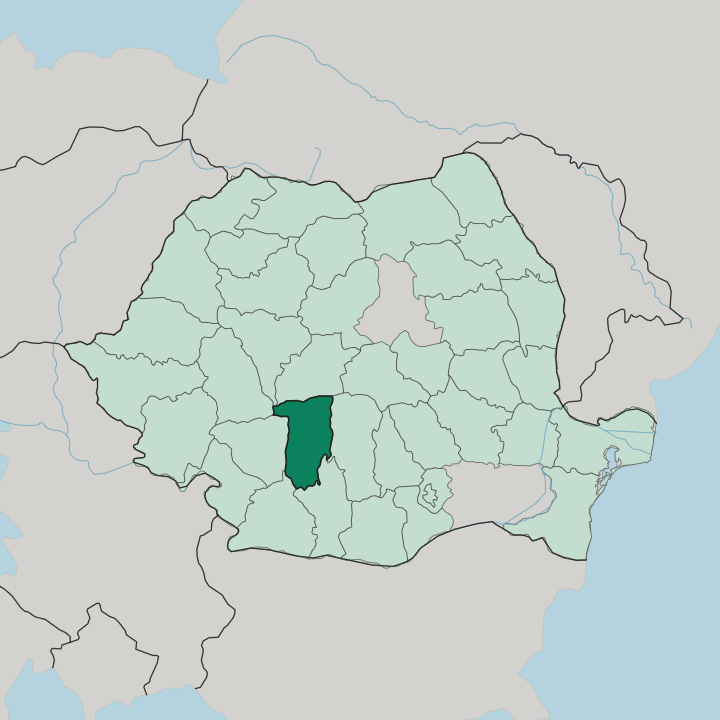
Vâlcea sits in south-central Romania, inside the historical region of Oltenia. The Olt River is the frame for everything. It runs the length of the county from north to south, cutting a deep valley that has long been the most usable passage between Transylvania and the plains of Wallachia.
The northern third of the county rises into the Southern Carpathians, with the Făgăraș Mountains lifting above 2,200 metres in the east and the Lotru Mountains climbing over 2,000 metres in the west. Between those two massifs the Olt has carved the gorge at Cozia. South of the mountains the land drops through wooded hills and vine-covered slopes toward the Wallachian plain and, further off, the Danube.
The Lotru is the largest tributary the Olt gathers here, joining it from the western highlands. Râmnicu Vâlcea stands on the river in the eastern part of the county. It is the water that shapes Vâlcea.
Mineral and thermal springs surface all along the valley, and it is that geology, as much as the mountains, that made Vâlcea a county of spas.
What is Vâlcea like?
Vâlcea keeps its identity in stone and paint. The Brâncovenesc style, the elaborate blend of carved stone, arcaded porches and frescoed walls that flowered under Constantin Brâncoveanu, reaches its high point at Horezu Monastery, founded in 1690 and inscribed by UNESCO three centuries later. That heritage is not a museum piece here.
In the town of Horezu, potters still turn and hand-paint the rooster-marked ceramics that carry the place's name, a craft the same UNESCO body recognised in its own right. The county's saints and rulers are buried in its churches. Mircea the Elder lies at Cozia, the fortress-monastery he raised on the Olt in the 1380s, and Matei Basarab founded Arnota in the hills above Bistrița.
Râmnicu Vâlcea holds the memory of Anton Pann, the writer and composer who set the words that became Romania's national anthem, and its open-air village museum gathers wooden houses, a church and workshops that show how the county's farmers, weavers and priests once lived. The Romanian spoken here is the common tongue of the country. Faith, craft and river bind it.
What is the history of Vâlcea?
The valley was a Roman frontier long before it was a county. Legions guarded the Olt gorge, and their forts along the river anchored the empire's edge in this corner of Wallachia. Its later story belongs to the princes of Wallachia.
Mircea the Elder built Cozia on the Olt in the 1380s and was buried there, Matei Basarab endowed Arnota in the 1630s, and Constantin Brâncoveanu crowned the age with Horezu in 1690. Râmnicu Vâlcea grew up around a princely court. Those churches still mark the towns.
What is the climate of Vâlcea?
Vâlcea has a temperate-continental climate that shifts sharply with the land. Down in the Olt valley around Râmnicu Vâlcea summers are warm and the coldest weeks of winter hover near freezing, while the Făgăraș and Lotru heights hold deep snow well into spring. Rain gathers most in early summer, when storms build against the Southern Carpathians.
Winters are cold and snowy in the north. The gorge at Cozia funnels the valley air between the two mountain walls.
How do you get to Vâlcea?
Most travellers reach Vâlcea by road along the Olt. The valley carries the main route north from the Wallachian plain toward Sibiu and Transylvania, so the county is a natural stop between the two. Trains follow the same river line to Râmnicu Vâlcea.
The nearest large airports lie outside the county, at Sibiu over the mountains to the north and at Craiova to the south-west in Oltenia. From either, the drive in tracks the water.
Common questions
What is the best area to stay in Vâlcea?
Râmnicu Vâlcea: a base with churches and museums. Călimănești-Căciulata: thermal water cures. Horezu: monasteries and pottery. Voineasa: high-mountain hiking and skiing.
Good for
More regions in Romania
Updated September 2026