Romania · Vrancea
Where to Stay in Focșani, Vrancea
Focșani is the seat of Vrancea County, a Moldavian town on the river Milcov with more than twenty parish churches in its streets.
Hotel links are affiliate links: booking through them may earn us a commission, at no extra cost to you. It never affects how places are ranked. How this works


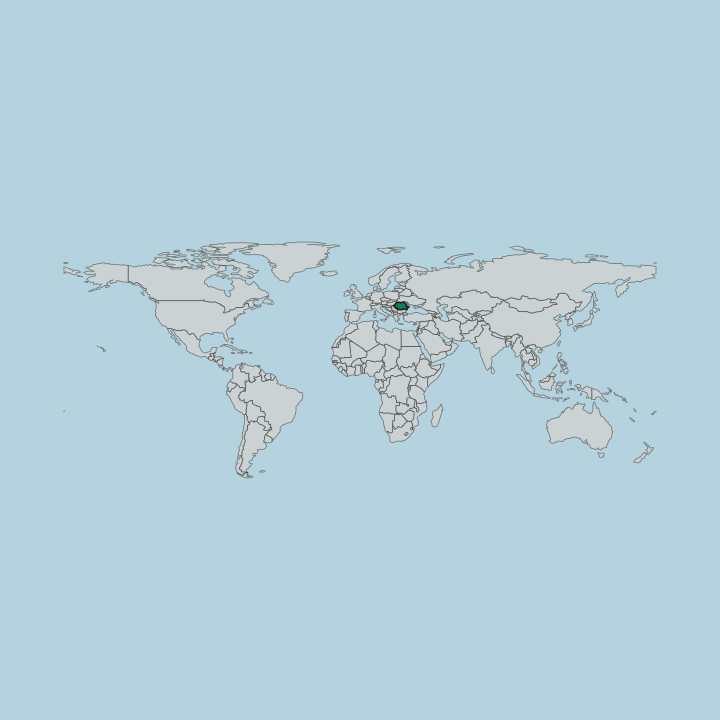
Where to stay in Focșani
How the choice of base plays out on the ground.
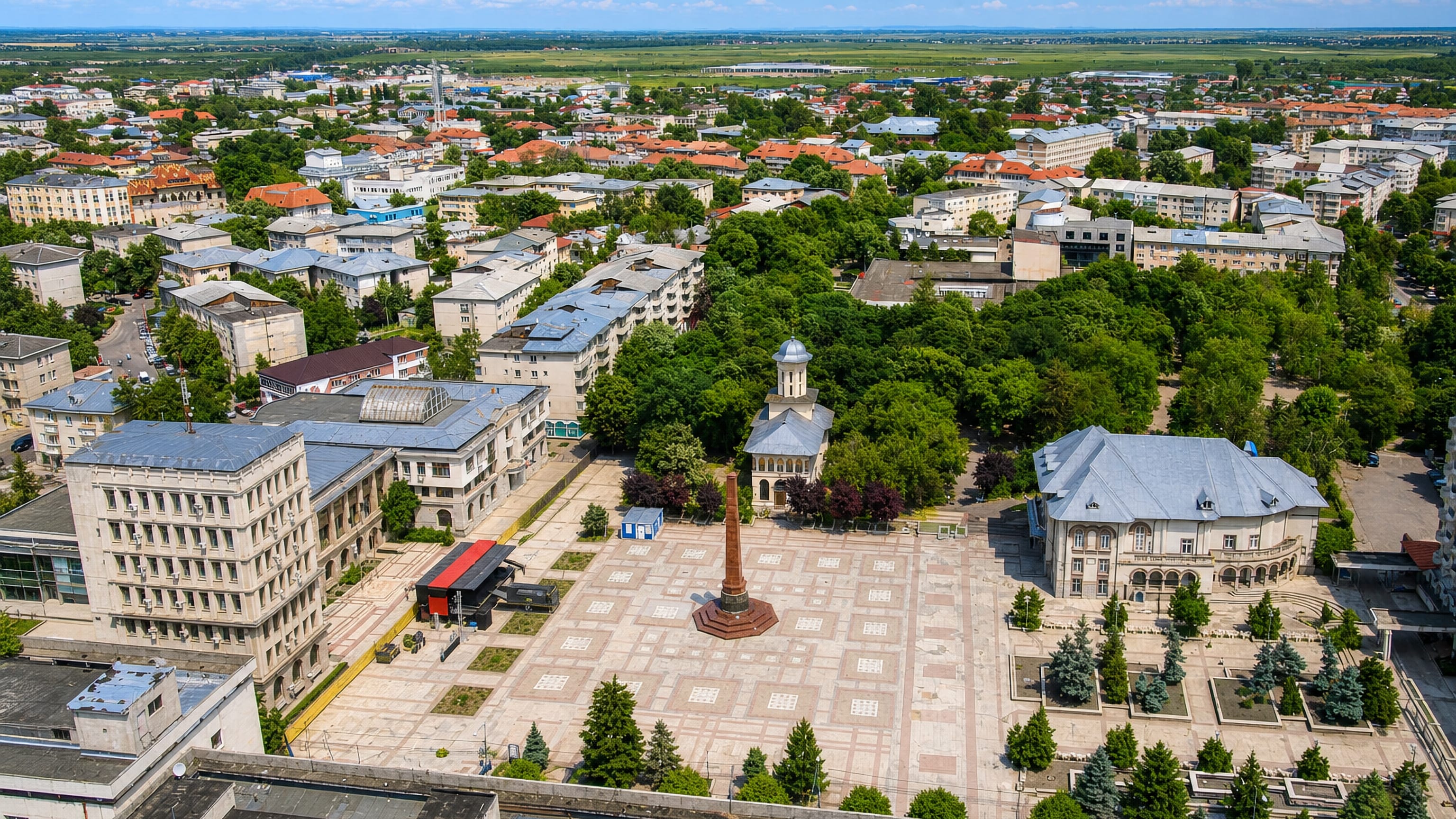
Lodging here concentrates in the middle of town. The blocks around the Church of the Assumption of Virgin Mary - Precista and the Old Saint Nicholas Church put the densest run of Focșani's parishes, shops and county offices inside a single walk, which is what most arrivals in a county seat are after. Precista anchors that walk.
If you have come to work through the town's churches on foot, from Saint Spyridon Church to the Church of the Nativity of John the Baptist, this is the side to book. Farther out, the older trade quarters still carry their names through their parishes: Tăbăcari Church, Săpunaru Church, Ocol Church and Saint Nicholas church - Stroe each mark ground that grew on its own before the town closed the gaps between them. Rooms out there thin quickly.
The Armenian Church and Ovidenia Armeni Church record an Armenian community that settled and built in Focșani, and a bed near them trades the civic centre for quieter streets with the Milcov's low country starting at the edge of the built-up part. Focșani Military Chapel marks the army's ground. Stamatinești Church and the Archangels church sit on the same outer ring, close enough to the middle that nothing in Vrancea County's seat is far from anything else.
Find hotels in Focșani
Direct booking searches for these neighbourhoods.
Around Precista
The Old Saint Nicholas Church, the county offices and the shops all sit within one walk of the Precista churchFind hotels in Around PrecistaQuiet streets by the Armenian Church and Ovidenia Armeni ChurchThe Armeni and Tăbăcari quarters
Old trade ground named for its parishes - Tăbăcari, Săpunaru and Ocol - where beds are thinner but the centre stays a short walk off. Rooms are few around here — worth securing early.Find hotels in The Armeni and Tăbăcari quartersHotel links are affiliate links: booking through them may earn us a commission, at no extra cost to you. It never affects how places are ranked. How this works
Things to do in Focșani
Ranked by global recognition; descriptions from Wikidata (CC0).
Museums & Galleries
1- Ștefănescu House in Focșani Heritage
Churches & Religious Sites
8- Church of the Nativity of John the Baptist in Focșani Heritage
- Stamatinești Church Heritage
- Săpunaru Church Heritage
- New St. Nicholas Church, Focșani Heritage
- Church of the Prophet Samuel, Focșani Heritage
Show 3 more →
- Ovidenia Armeni Church Heritage
- Armenian Church, Focșani Heritage
- Focșani Military Chapel Heritage
worth knowingacross 2 categories in Focșani
About Focșani
Churches set the tone.
What is Focșani known for?
Focșani carries a remarkable number of them inside a small street grid, from the Armenian Church and Săpunaru Church to Tăbăcari Church, Ocol Church and the Church of the Prophet Samuel. The Ștefănescu House stands among them as the town's best-known secular building. Vrancea County business runs through here.
The town's record begins in 1482.
What are the main landmarks in Focșani?
Focșani counts its landmarks in parishes. The Church of the Assumption of Virgin Mary - Precista, the Church of the Presentation of Virgin Mary, the Archangels church and the Church of Saint George - South carry the older dedications, while New St. Nicholas Church and Old Saint Nicholas Church record two ages of the same patron on separate ground. Ștefănescu House is the civic counterpart. Saint Demetrius of Thessaloniki Church, Dormition of the Theotokos Church, North St. George Church and the Focșani Military Chapel fill out the rest.
What is the history of Focșani?
The record opens in 1482. Focșani appears then as a settlement of Moldavia standing on the Milcov, in the country that much later took the name of Vrancea County, and its early centuries are written less in charters than in the parishes its quarters raised one after another. Each quarter answered with its own foundation.
Old Saint Nicholas Church and, in its turn, New St. Nicholas Church show the pattern without much need for commentary: a quarter builds, the building is outgrown or lost, and the same patron is taken up again on new ground. Armenians settled here as well, and the Armenian Church and Ovidenia Armeni Church remain from that community. Other foundations carry the names of the families and trades behind them, among them Stamatinești Church, Săpunaru Church and Tăbăcari Church, so that the list of churches doubles as a list of the groups who made the town. Ștefănescu House survives from the merchant Focșani of the same period, the one piece of secular building on the register to match the parishes for age.
The army left its own mark. Focșani Military Chapel, the Church of the Prophet Samuel and the Ocol Church belong to a townscape that accumulated parish by parish rather than spreading out from one fortress or palace, which is why the older streets of the county seat still read as a set of joined quarters. Precista and Saint Spyridon Church anchor the middle of that pattern.
Where is Focșani?
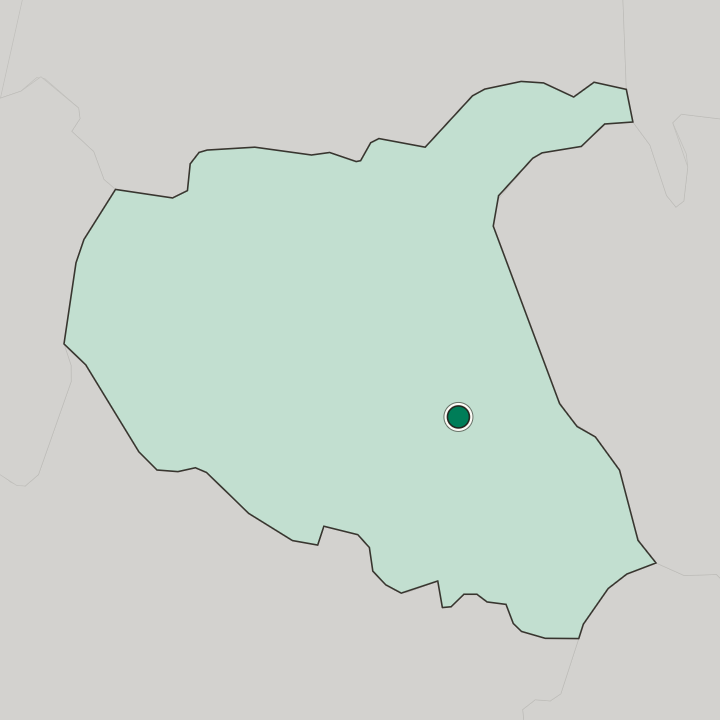
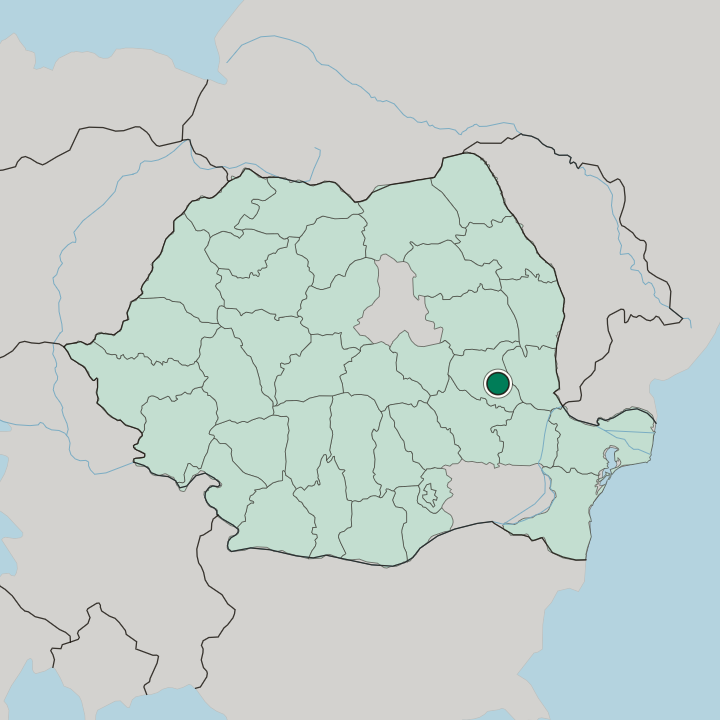
The Milcov gives the address. Focșani stands on the banks of that river in the historical region of Moldavia, and the ground around it belongs to Vrancea County, whose villages and field roads run in toward the seat from every side. Vrancea County surrounds it.
The town's own footprint is wide rather than tall, with the quarters named for the Ocol Church, Tăbăcari Church and Saint Nicholas church - Stroe laid out across level streets.
What is the climate of Focșani?
Four seasons, plainly marked. Focșani lies inland in Moldavia, in the temperate band of the northern hemisphere, so the year swings from a hot high summer to a cold winter with no coast near enough to blunt either end. Spring and autumn are short hinges.
The Milcov and the open country of Vrancea County around it take that continental rhythm through the growing season, and outdoor life in the town keeps to the warm half of the year.
How do you get to Focșani?
Everything routes through the county seat. Because Focșani administers Vrancea County, the roads of the Milcov's country meet inside the town rather than skirting it, and arrivals off the wider Moldavian plain come in on those same roads. The grid does the rest.
Distances between the Precista church, Saint Spyridon Church and the Ștefănescu House are short enough to walk after arrival, which keeps local transport out of most visits.
Common questions
What is the best area to stay in Focșani?
Around Precista: Walking the parishes from Precista to Saint Spyridon Church. The Armeni and Tăbăcari quarters: Quiet streets by the Armenian Church and Ovidenia Armeni Church.
Good for
Updated October 2026