Romania
Vrancea, Romania — Towns & Travel Guide
Vrancea is Romania's biggest wine county, where the Curvature Carpathians drop to the Siret plain around Focșani.
Hotel links are affiliate links: booking through them may earn us a commission, at no extra cost to you. It never affects how places are ranked. How this works


Towns & cities in Vrancea
One town here has its own guide — it links to where to stay.

 Romania
Focșani
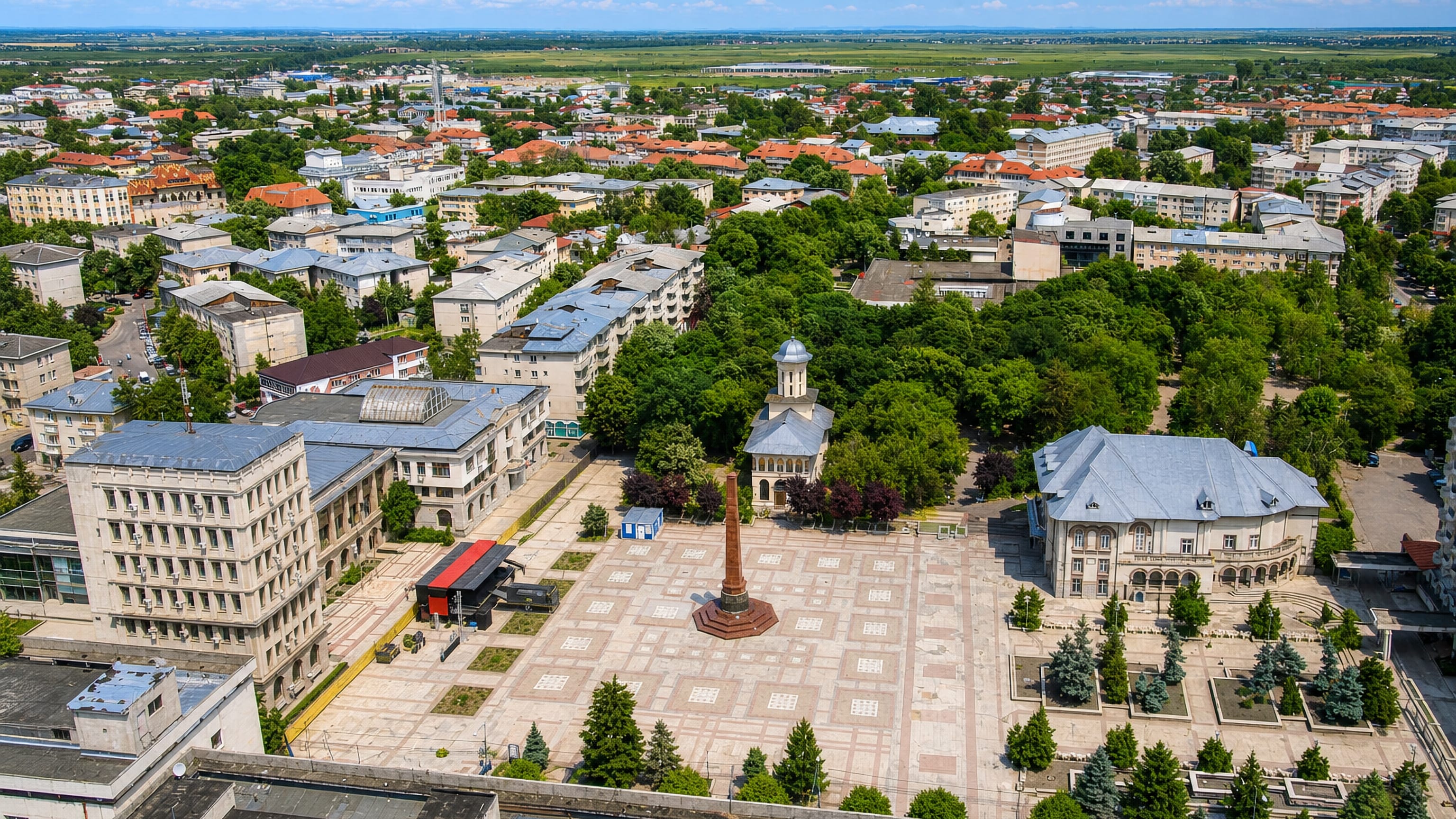
Focșani is the seat of Vrancea County, a Moldavian town on the river Milcov with more than twenty parish churches in its streets.Where to stay →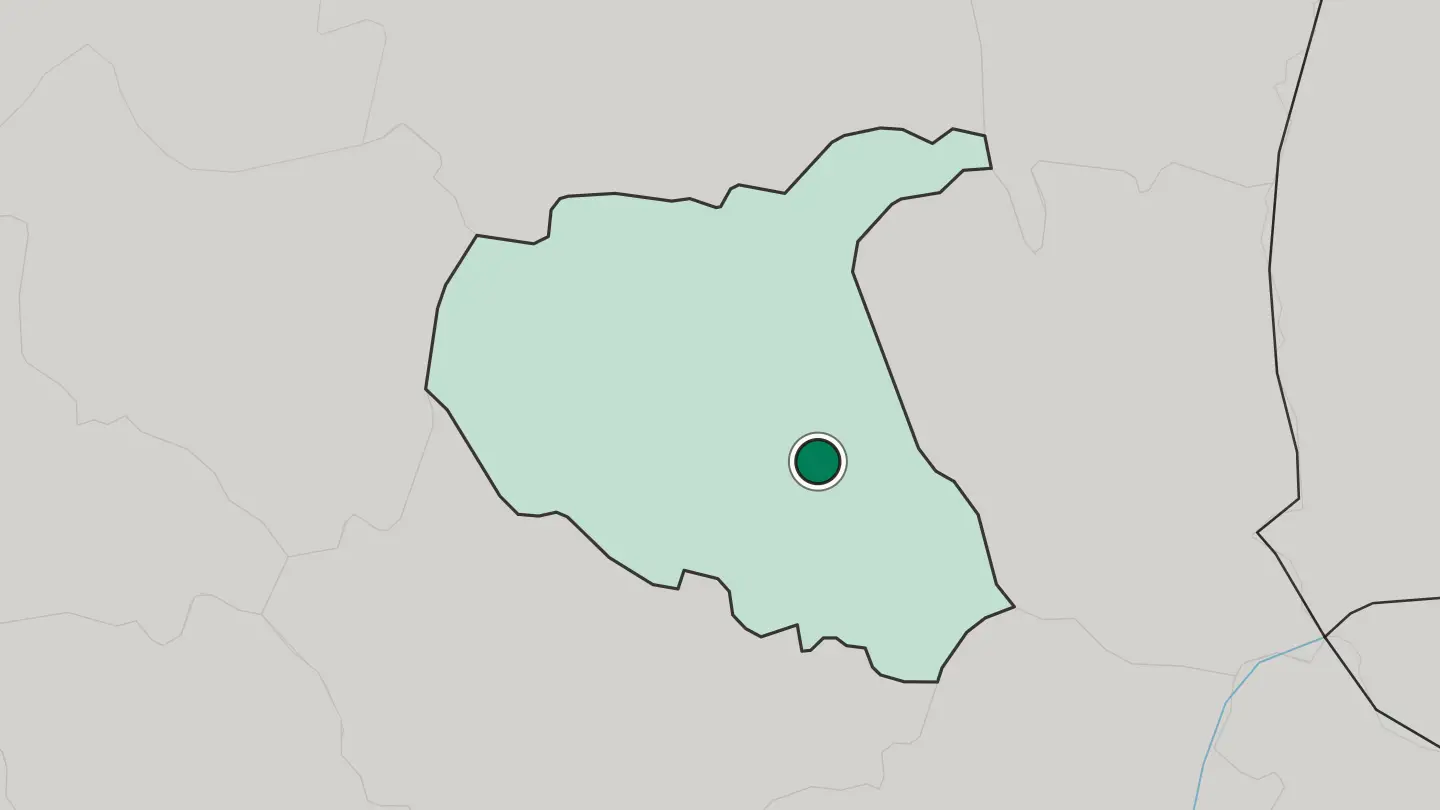
Hotel links are affiliate links: booking through them may earn us a commission, at no extra cost to you. It never affects how places are ranked. How this works
About Vrancea
Wine defines Vrancea.
What is Vrancea known for?
It is the largest wine producer in Romania, with more than a tenth of its ground under vines across the Panciu, Odobești and Cotești vineyards. The county seat, Focșani, sits on the Milcov river where the hills flatten into the Siret plain. Two things beyond the cellars carry its name across the country: the trench battles of Mărășești, fought here against the German army in 1917, and the deep earthquakes that begin under its mountains and shake the whole of Romania.
Where is Vrancea?
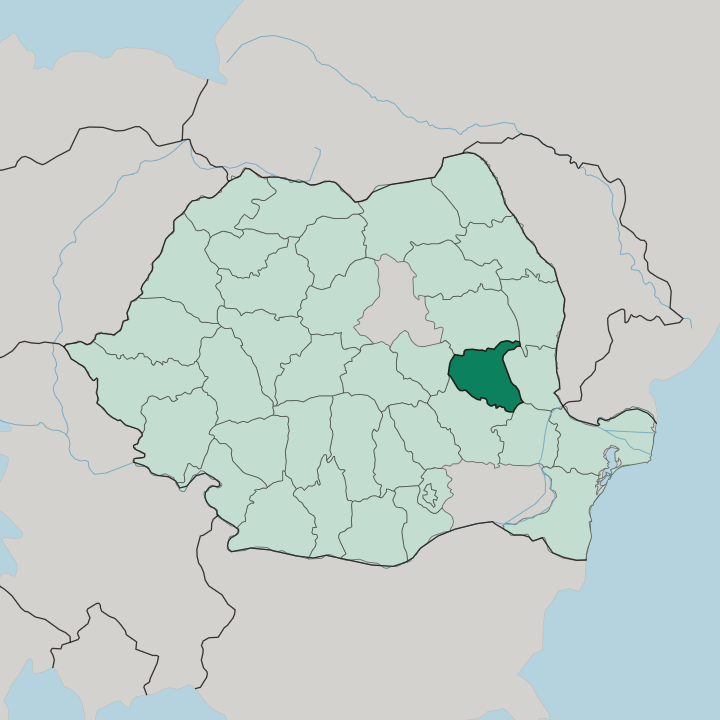
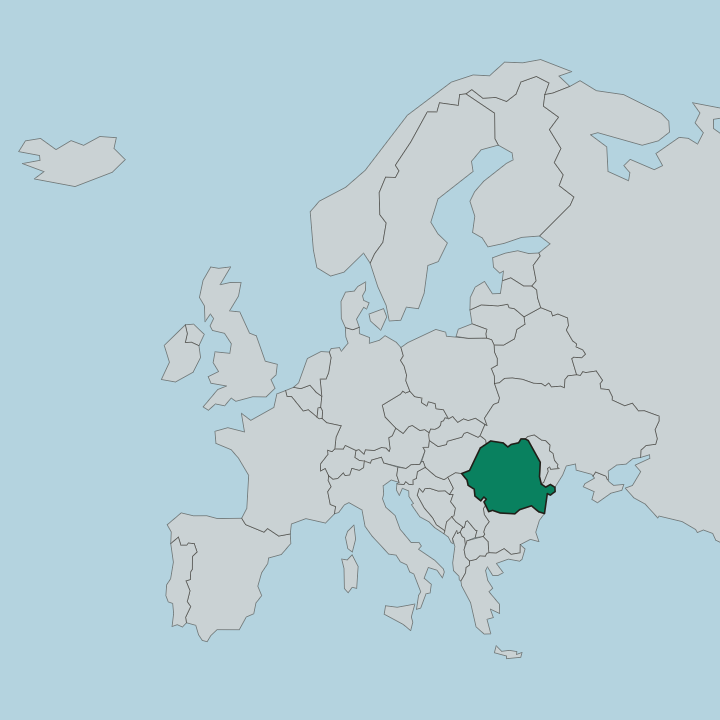
Vrancea lies in eastern Romania, on the bend of the Carpathians. The land tilts from west to east. Along its western edge stand the Curvature Carpathians, the sharp elbow where the Eastern Carpathians swing south toward the Muntenia plains, with ridges climbing past 1,400 metres.
Wooded and thinly settled, this is the highland third of the county, cut by fast rivers running down to the lowland. From those mountains the ground steps down through a belt of vine-covered sub-Carpathian hills to the flat, fertile plain of the Siret in the east, and the county's eastern boundary follows that river. History splits the county in two.
Most of Vrancea belongs to the old region of Moldavia, but the strip south of the Milcov river falls into Muntenia, and that small river once marked the frontier between the Moldavian and Wallachian principalities. Focșani grew up on the Milcov at the join. The Putna, the main tributary of the Siret to cross the county, drains the western mountains and gathers the smaller streams before reaching the plain.
Water, hills and vines run in the same west-to-east grain.
What is Vrancea like?
Vrancea's culture grew out of the mountains, and above all out of the sheep. For centuries shepherds drove their flocks up and down these valleys between summer pasture and winter shelter, and that pastoral life left its deepest mark in a ballad. Miorița is the name.
The most famous of all Romanian folk poems, it tells of a shepherd warned by his ewe of a plot to kill him, and its opening places the tale squarely on a Vrancea hillside near the village of Soveja. Generations of Romanian schoolchildren learn its verses. The county still keeps the old crafts that went with herding, the wool textiles, the wooden gates and the shepherd's songs played on pipe and horn.
Down on the hills the culture turns to the vine. The wine towns of Odobești, Panciu and Cotești have pressed grapes for hundreds of years, and Panciu is known across Romania for its sparkling wine. Autumn brings the harvest and its cellars.
The two worlds, the herding uplands and the vineyard slopes, meet in the market at Focșani, and between them they give the county a character that is farming and mountain rather than urban.
What is the history of Vrancea?
For centuries the little Milcov river running through Vrancea was a border, dividing Moldavia to the north from Wallachia to the south. Then came 1917. On the plain around Mărășești, Romanian and allied troops halted a major German offensive in weeks of trench fighting, and the great mausoleum raised there afterward holds the bones of thousands of the fallen.
The names Mărășești and Mărăști became watchwords of Romanian resolve. Vrancea itself was drawn as a modern county in the twentieth century, with Focșani, the old town on the Milcov, as its seat.
What is the climate of Vrancea?
Vrancea has a continental climate, and it changes sharply with the land. Down on the Siret plain around Focșani the summers turn hot and dry and the winters run cold, with wind sweeping the open lowland. Up in the Curvature Carpathians it is cooler and far wetter, snow lying long on the ridges above the Putna valley.
That difference is why the vines ripen on the eastern hills while the western slopes stay forest. The seasons are pronounced here.
How do you get to Vrancea?
Vrancea keeps no airfield within its own bounds. Most visitors come overland, up the Siret corridor that carries the main road and railway between Bucharest and Moldavia, with Focșani a stop of a few hours from the capital by train or bus. The nearest air link is Bacău, north of the county, where the George Enescu airport takes flights from across Europe.
From either direction you reach Focșani on the plain first, then climb west by road into the Putna valley and the mountain villages. Wheels help once you leave the towns.
Common questions
What is the best area to stay in Vrancea?
Focșani: the Vrancea vineyards and the Mărășești memorials. Lepșa: walks up the Putna and the Tișița gorge. Soveja: clean forest air and the Miorița country.
Good for
More regions in Romania
Updated September 2026