Russia · Altayskiy Kray
Where to Stay in Barnaul, Altayskiy Kray
Silver money built Barnaul, an old industrial city and seat of Altai Krai, known for the State Art Museum of Altai Krai and the Old City Duma Building.
Find your area →


Where to stay in Barnaul
How the choice of base plays out on the ground.
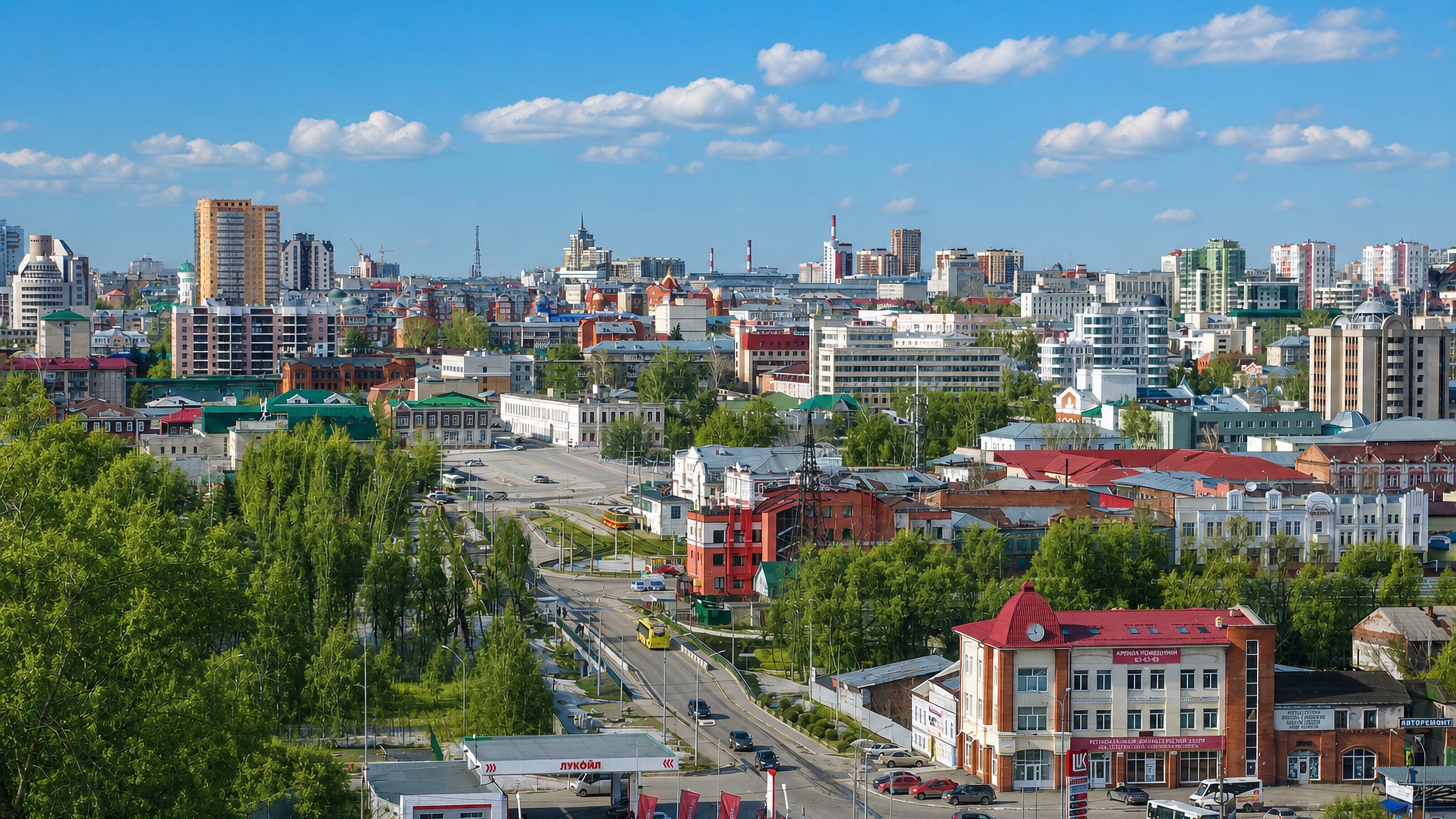
Most visitors base themselves in the old centre of Barnaul, the grid of merchant streets above the river. The historic core gathers the sights. Around the Old City Duma Building and the State Art Museum of Altai Krai run the avenues of Altai Krai, and this ground suits travellers who want the museums, the trade houses, and the churches of the silver town within a short walk.
The Polyakov Trade House marks its shopping street. Near the water the older quarter holds the mining heritage of the region. Rooms here stand close to the Znamensky Monastery and the Church of Saint Dimitry of Rostov, a quieter base for anyone drawn to the old religious streets rather than the modern avenues.
Beyond the centre the newer districts spread toward the station and the industrial edge. Rooms out there stand near the Barnaul railway station old building, convenient for arrivals, and each part of town keeps its own churches and old facades, so where you sleep decides whether the morning opens onto the merchant squares or onto the platforms and the outer roads.
Things to do in Barnaul
Ranked by global recognition; descriptions from Wikidata (CC0).
Museums & Galleries
3- Altay state loval museum Heritage
- State Art Museum of Altai Krai
- Archaeological and Ethnographic Museum of Altai
Churches & Religious Sites
3- Church of Saint Dimitry of Rostov Heritage
- Знаменский монастырь (Барнаул)
- Saint John the Baptist church
Castles & Historic Sites
2- Polyakov Trade House Heritage
- Old City Duma Building, Barnaul Heritage
Landmarks & Notable Places
8- Barnaul railway station old building Heritage
- Administration of Altay Okrug Heritage
- Altai Hotel Heritage
- Anatoly Street 100, Barnaul Heritage
- Anatoly Street 104, Anatoly Street 104, Barnaul Heritage
Show 3 more →
- Anatoly Street 111, Barnaul Heritage
- Anatoly Street 112, Barnaul Heritage
- Averin House, Barnaul Heritage
worth knowingacross 4 categories in Barnaul
About Barnaul
What is Barnaul known for?
Barnaul is known for the wealth its silver smelters once made. The mining industry of the Altai Mountains poured through the town, and the merchants and mine officials of Altai Krai raised the grand buildings that still line its old streets. Culture followed the money.
The State Art Museum of Altai Krai and the Altai State Local Museum hold the region's collections, the Archaeological and Ethnographic Museum of Altai keeps its finds, and the Old City Duma Building stands as the civic heart of the mining town. A city grown rich on metal.
What are the main landmarks in Barnaul?
Merchant buildings and museums mark the centre of Barnaul. The Old City Duma Building holds the civic heart, and the Polyakov Trade House keeps the show front of the old shopping street. Museums account for much of what remains.
The State Art Museum of Altai Krai, the Altai State Local Museum, and the Archaeological and Ethnographic Museum of Altai gather the region's art and its ancient finds, while the Znamensky Monastery, the Church of Saint Dimitry of Rostov, and the Church of Saint John the Baptist raise the spires of the silver town over the river streets.
What is the history of Barnaul?
Barnaul grew from 1730 around a silver-smelting works in the country that became Altai Krai. Ore made it rich. The smelters of the Altai Mountains ran on the town's furnaces, and mine officials and merchants raised the classical buildings whose facades still line the old streets, among them the Old City Duma Building and the trade houses of the main avenue.
Faith and learning came with the wealth. Churches such as the Znamensky Monastery and the Church of Saint Dimitry of Rostov rose over the smelting town, and its museums, from the Altai State Local Museum to the State Art Museum of Altai Krai, gathered the region's finds and paintings. A great fire once swept the wooden streets.
The town rebuilt in brick and stone, and behind those grand facades still runs the long story of the silver that first drew people to the river.
Where is Barnaul?
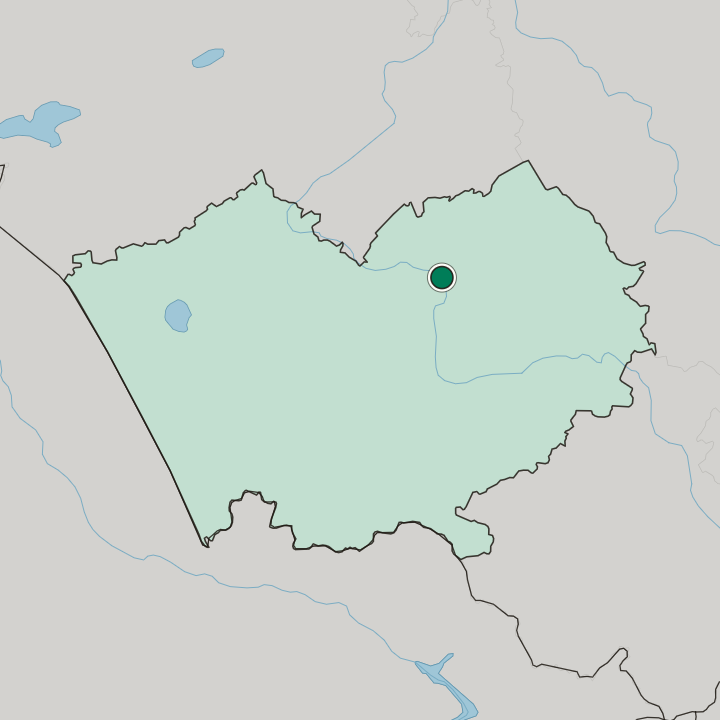
Barnaul sits on the bank of a great river where a smaller stream joins it, in the plains of Altai Krai. The old town climbs the higher ground above the water, its merchant streets laid out on the bluffs, while the newer districts spread out across the flatter land toward the station and the works. South and east the ground rises toward the Altai Mountains, whose ore first built the town.
Around the city stretch wide fields. The river was the road that carried the silver out of this country.
What is the climate of Barnaul?
Barnaul has a sharply continental climate on the West Siberian plain. Winter bites deep here and runs long. Snow and hard frost lie over the river and the fields of Altai Krai for months, driven by winds off the open steppe.
Summers turn short, warm, and often hot, green and thundery over the plain below the Altai Mountains. The seasons swing widely apart, from deep winter cold to summer heat, in the harsh continental rhythm of the southern Siberian lands.
How do you get to Barnaul?
Barnaul lies on a branch of the Trans-Siberian network in Altai Krai. Trains reach the city through the Barnaul railway station old building and its modern platforms, and the highway runs in across the plain from the larger centres of Siberia. The city keeps its own airport for arrivals by air.
Buses climb from here toward the resort valleys of the Altai Mountains, and the river once carried the first traffic to the smelting town.
Good for
More cities in Altayskiy Kray
Updated September 2026