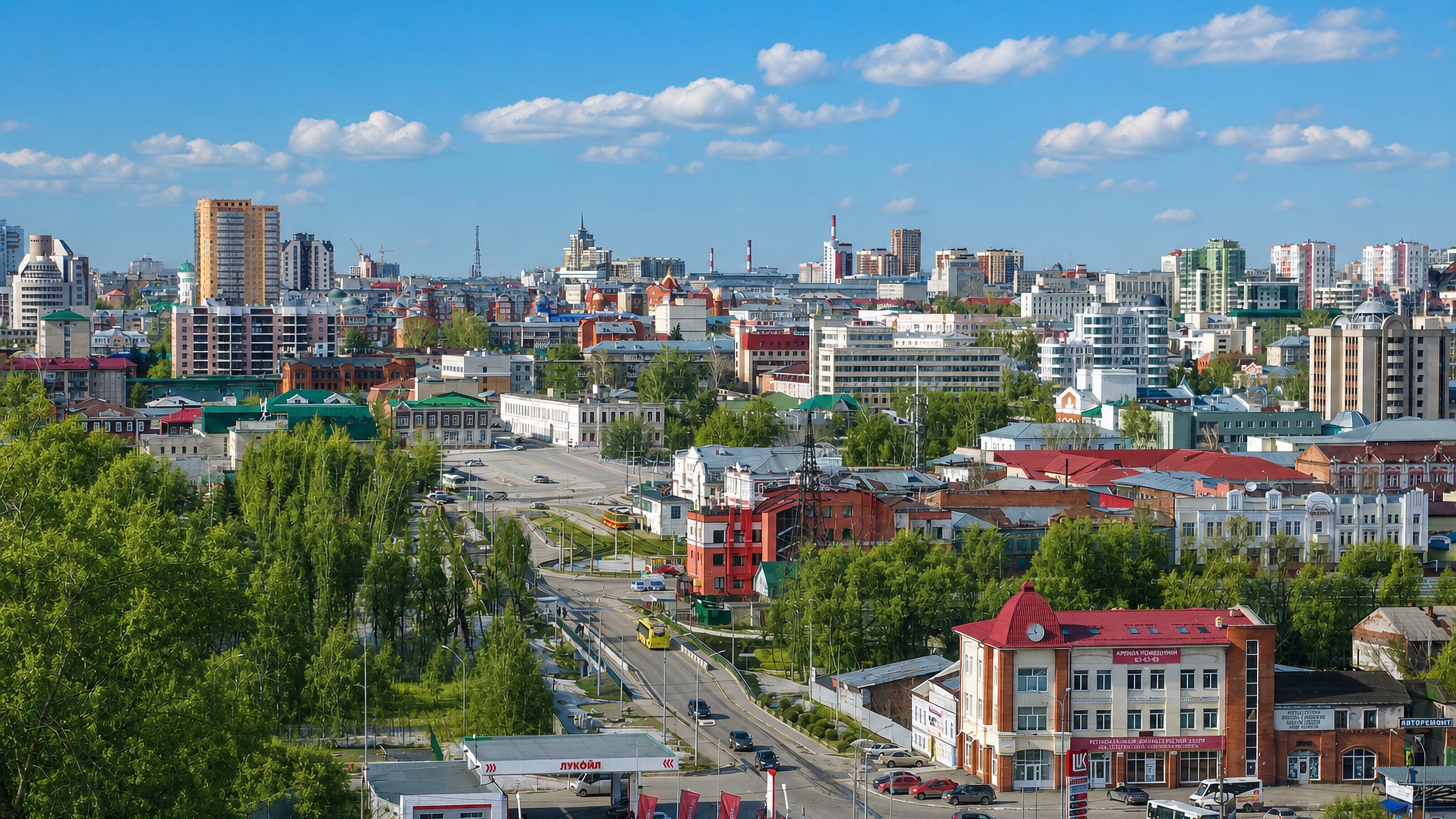
Russia
Altayskiy Kray, Russia — Towns & Travel Guide
Altai Krai is the grain-and-steppe region of south-western Siberia, spread below the Altai Mountains around its capital, Barnaul.
Find your area →


Towns & cities in Altayskiy Kray
Pick a town or city — each links to where to stay.
 Russia
Barnaul
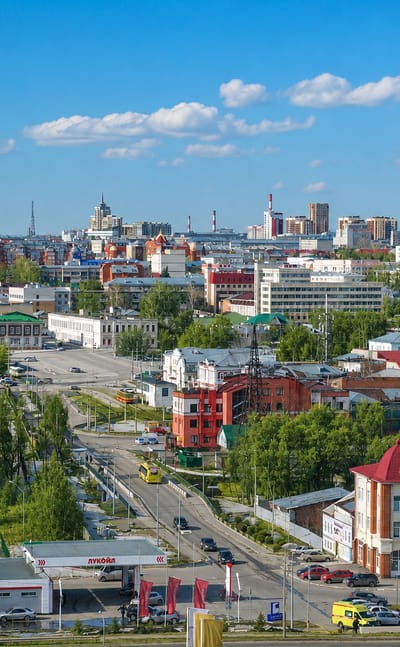
Silver money built Barnaul, an old industrial city and seat of Altai Krai, known for the State Art Museum of Altai Krai and the Old City Duma Building.Where to stay →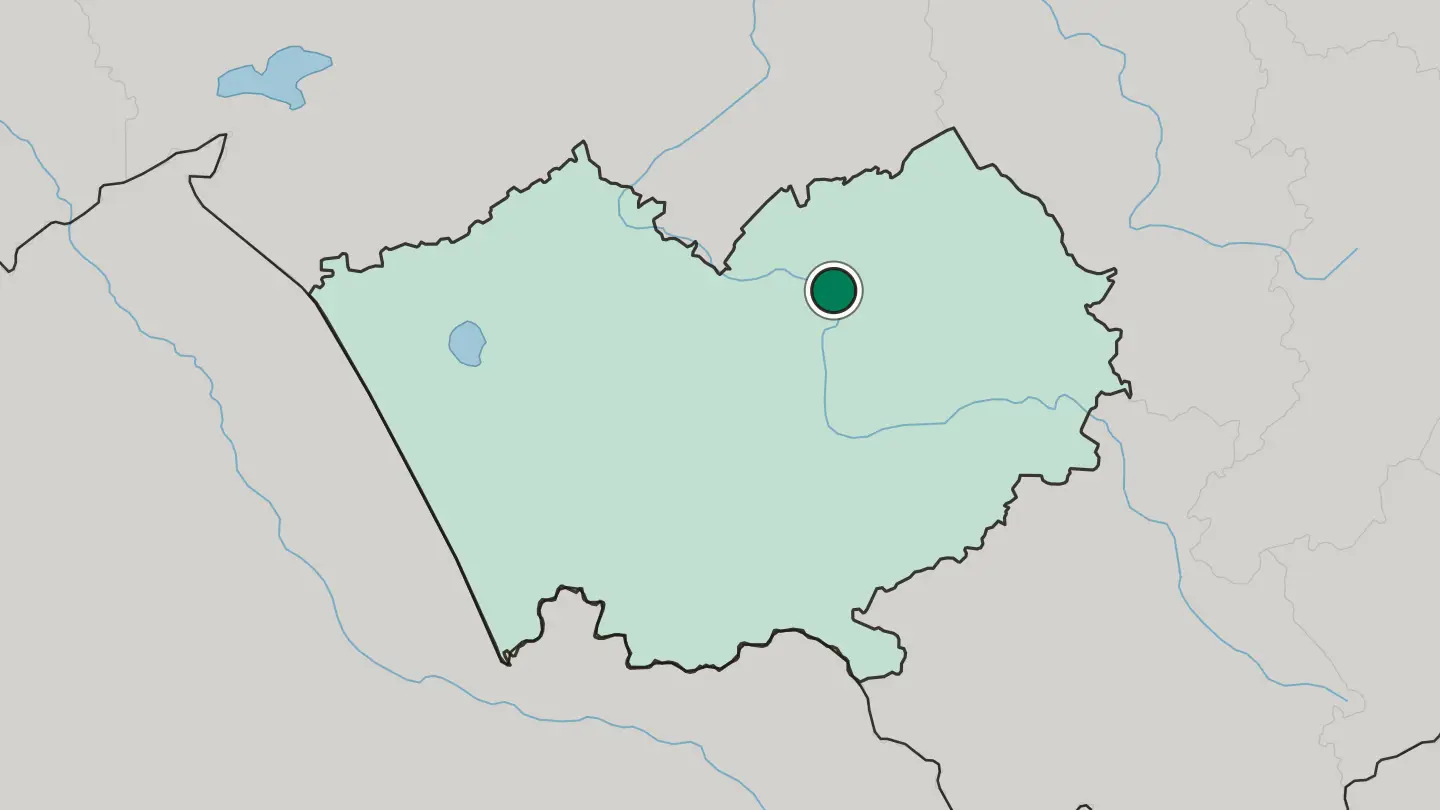
 Russia
Biysk
Biysk stands on the Biya River in Altai Krai, not far from its confluence with the Katun River. The city carries naukograd status.Where to stay →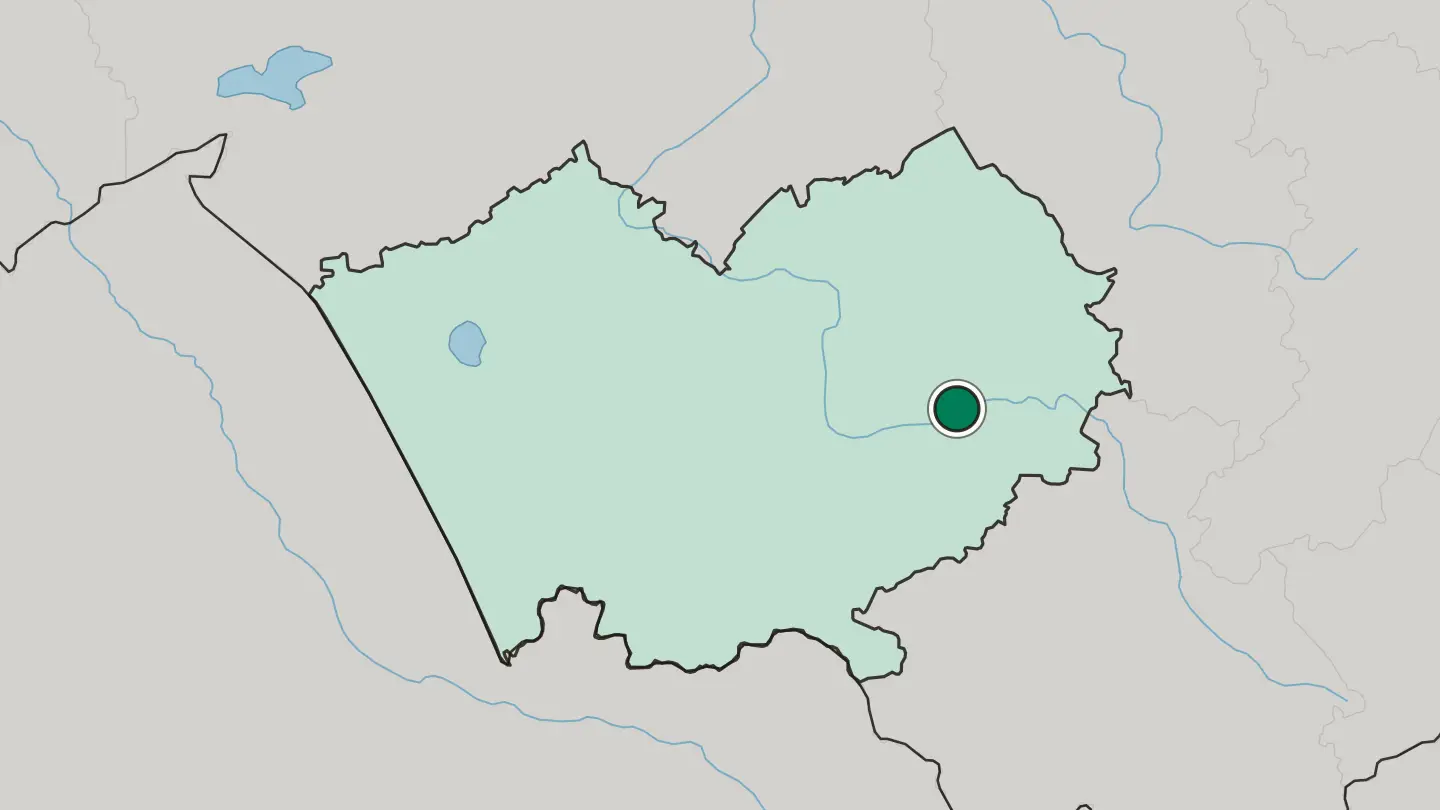
 Russia
Rubtsovsk
Rubtsovsk is a city of Altai Krai on the Aley River, founded in 1892 and lying southwest of Barnaul.Where to stay →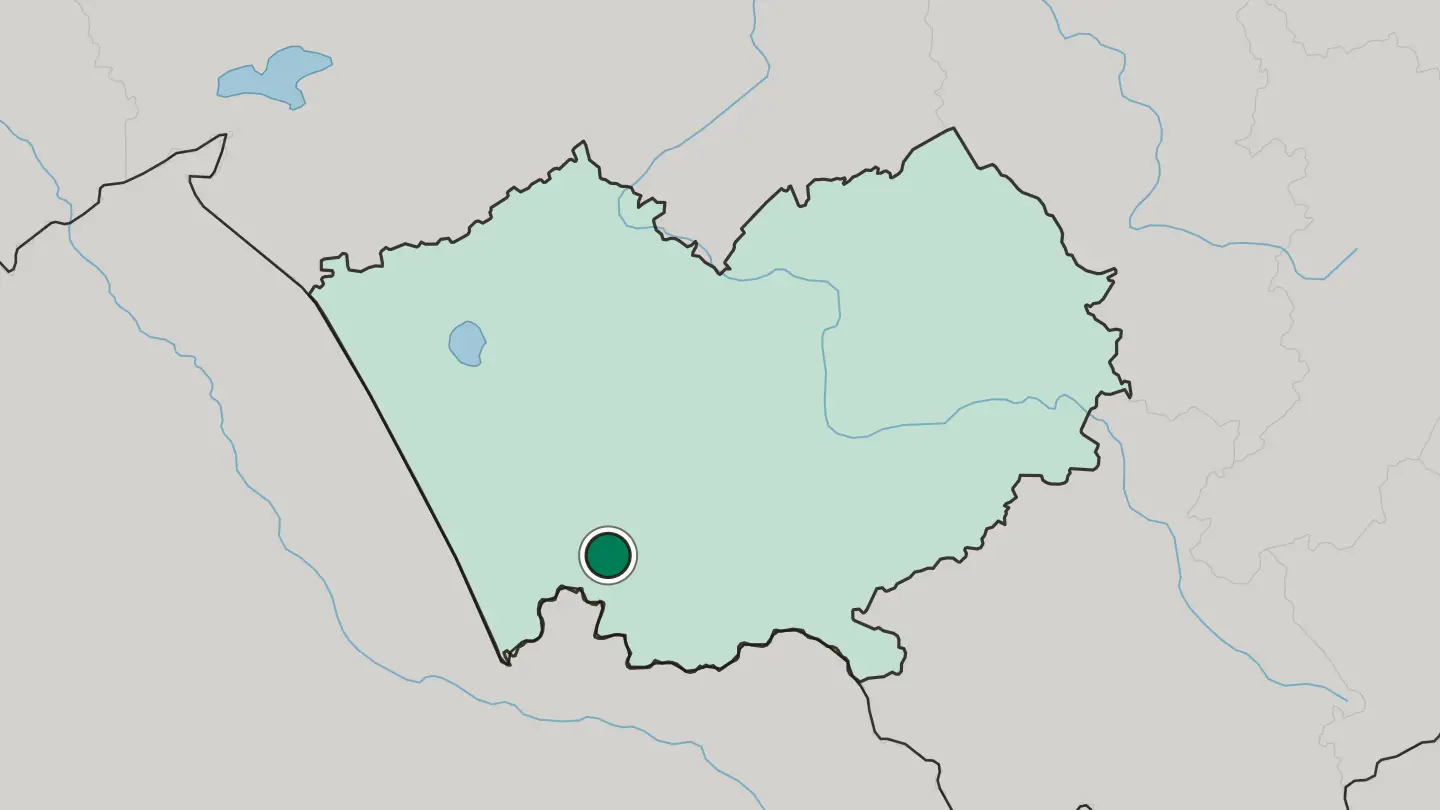
About Altayskiy Kray
Altai Krai is grain country.
What is Altayskiy Kray known for?
It works the flattest, most fertile stretch of steppe in Siberia, and it feeds much of Russia from those fields. The Ob River forms inside the region, where the Biya and the Katun meet near Biysk, then swings north past Barnaul. Travellers know it for the road south.
Barnaul and Biysk are the last big cities before the Altai Mountains rise, and most trips into that high country are staged from here.
Where is Altayskiy Kray?
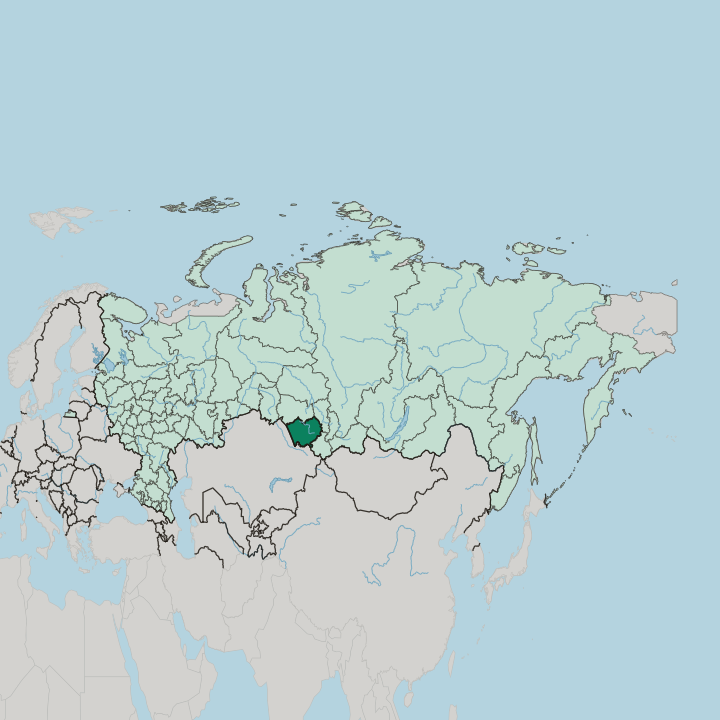
Altai Krai lies in south-western Siberia, on the southern edge of the great West Siberian Plain. Kazakhstan runs along its south and west. Higher and far more mountainous, the Altai Republic adjoins it to the south-east, while Novosibirsk Oblast sits to the north. Most of the land is flat.
Dry Kulunda Steppe fills the west of the region, the low Salair Ridge marks the eastern side, and only in the far south-east does the ground climb into the foreland of the Altai Mountains. Water gives the region its shape. The Ob River is born inside Altai Krai, at the point near Biysk where the Biya out of Lake Teletskoye joins the Katun off the flanks of Belukha, and from that meeting it turns north across the plain toward Barnaul.
Barnaul itself stands on the Ob's high left bank, where the Barnaulka comes in. This is not high country. It is the doorstep of it, and the mountains that give the region its name begin just beyond its southern rim, so that the whole of Altai Krai tilts gently down from them toward the Siberian lowland.
What is Altayskiy Kray like?
Altai Krai is farming country first, and it wears that plainly. The steppe was ploughed for grain, and wheat, sunflower and buckwheat still run to the horizon across the Kulunda Steppe. The rhythm of the region is set by that harvest more than by any city.
Barnaul carries the culture of the plain. It grew as a metallurgical town, a place of smelters and silver assay, and its old brick works and merchant streets still hold that industrial past. Russian is the common language across the region, the same as in the rest of the country.
There is a spa tradition too, older than most of the industry. Belokurikha built itself around warm radon springs in the hills, and generations of Soviet workers came to its sanatoria to take the waters. The region also claims the sky.
Barnaul's airport is named for Gherman Titov, an Altai Krai man who became the second human being to fly in space. Between the grain, the smelters and that one cosmonaut, the region keeps a very Siberian mix of the earthbound and the ambitious.
What is the history of Altayskiy Kray?
Russians pushed up the upper Ob from the late seventeenth century, and the fortress at Biysk was set down in 1709 by decree of Peter the Great to guard the frontier. What made the region rich was ore. The Demidov family built silver and copper smelters here in the 1730s, and Barnaul grew up around one of those plants.
The territory was drawn up as a krai in 1937. In 1991 its mountainous south-east broke away to form the Altai Republic, leaving the grain plains and the old smelter towns as the Altai Krai that travellers arrive in.
What is the climate of Altayskiy Kray?
Altai Krai has a sharply continental climate, set by its place deep inside Siberia far from any moderating sea. The winters are the test. They are long, cold and dry, and the Ob freezes at Barnaul from November until late April.
Summers swing hard the other way, short and hot, when the Kulunda Steppe bakes under a high sun. Between those extremes, spring and autumn pass in a matter of weeks across Altai Krai. Even within the region the weather divides, the dry steppe of the west running hotter and thirstier than the wetter foreland where the ground begins to lift toward the Altai Mountains.
How do you get to Altayskiy Kray?
Most visitors fly into Barnaul, whose airport carries several daily flights from Moscow and other Russian cities. The alternative is the long-distance train, which crosses the region on its way through southern Siberia. From Barnaul the roads reach out to the rest of the plain.
The one that matters is the Chuysky Trakt, the highway that runs from Biysk south toward the Mongolian border and carries almost every traveller heading up into the Altai Mountains.
Common questions
What is the best area to stay in Altayskiy Kray?
Barnaul: a first base in Altai Krai. Biysk: the drive toward the mountains.
Good for
More regions in Russia
Updated September 2026