Russia · Amur Oblast
Where to Stay in Belogorsk, Amur Oblast
Belogorsk is a town of Amur Oblast on the river Tom, founded in 1860 and standing north of Blagoveshchensk on the Trans-Siberian Railway.
Find your area →


Where to stay in Belogorsk
How the choice of base plays out on the ground.
Belogorsk splits into a river side and a railway side. The Trans-Siberian Railway is what the town works for, and the blocks nearest the line carry the shops, the transport and most of what passes for a choice of rooms. The river Tom is the other pull.
It runs toward the Zeya past the edge of the built area, giving the quieter streets a direction to face that has nothing to do with timetables, and the difference is noticeable at night. Rooms are few in either half. A town of 135 square kilometres founded in 1860 and grown around a railway does not keep a spare stock of beds, and the ones it has fill when the line does.
Blagoveshchensk is the alternative. Belogorsk stands north of Blagoveshchensk, and a traveller with time often continues there instead, which leaves the rooms here to rail passengers, visiting business and anyone working the surrounding district. That keeps the market plain.
Expect the practical rather than the picked-over: a bed near the station, a bed near the centre, and beyond those two the choice thins quickly. Curiosity argues for the monument side; a tight connection argues for the station.
About Belogorsk
Monuments outnumber most other attractions here.
What is Belogorsk known for?
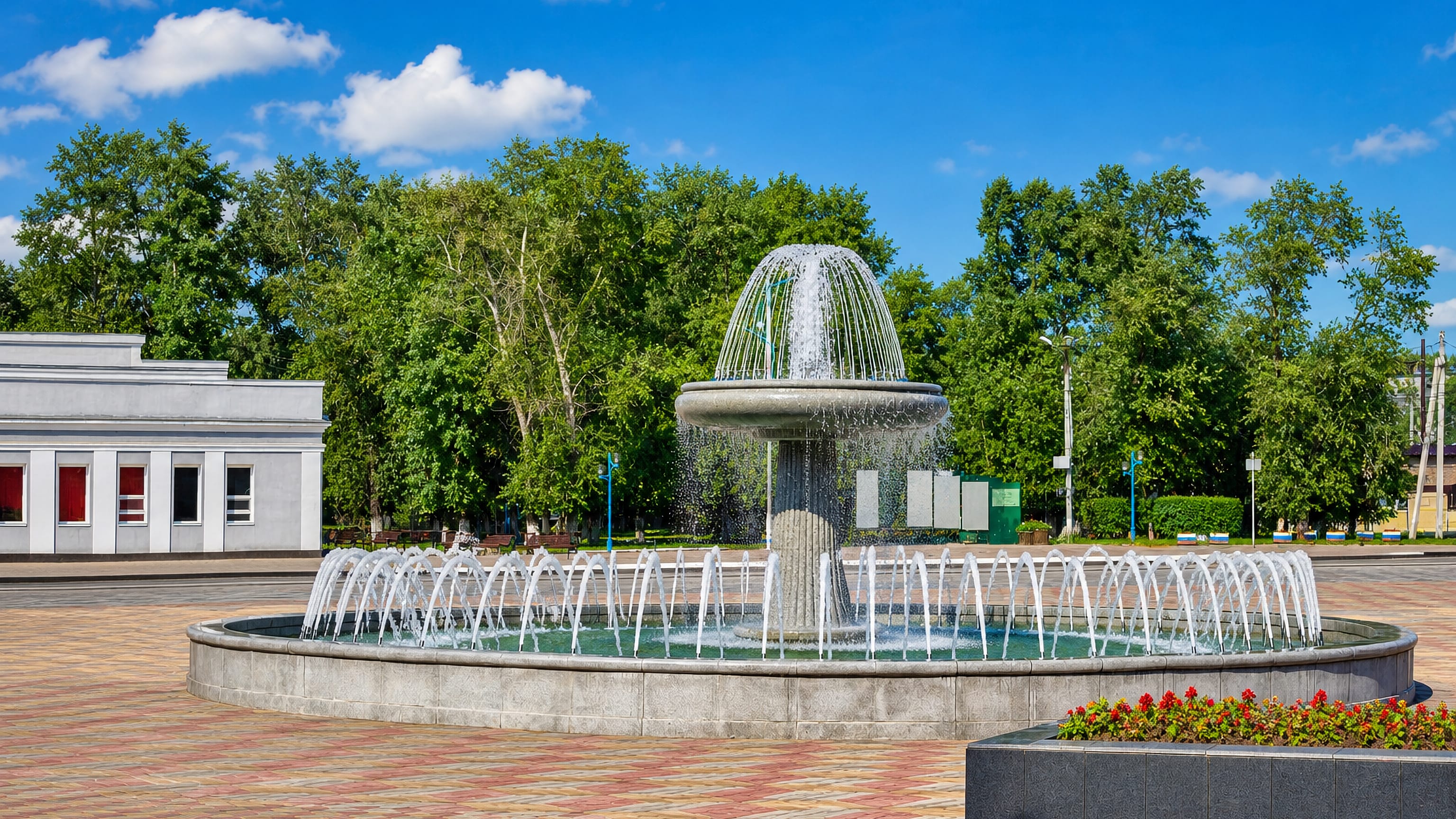
Belogorsk carries a dense set of Soviet-period memorials, from Монумент воину-освободителю to Братская могила 312 борцов за Советскую власть на Амуре, and a walk through the town is largely a walk between them. Industry left its own marker. Завод «Амурсельмаш» stands as a monument of labour, which places a working plant among the town's listed sites rather than apart from them.
What are the main landmarks in Belogorsk?
The register here is unusually long. Belogorsk holds six listed monuments, among them Монумент воину-освободителю, Завод «Амурсельмаш» as a monument of labour, and Братская могила 312 борцов за Советскую власть на Амуре, which commemorates fighters killed in the Civil War of 1920 to 1922. Two obelisks complete the set.
One marks the centenary of Lenin's birth and the other the Komsomol members killed in the Great Patriotic War, both standard subjects for a Soviet-era town and both still standing.
What is the history of Belogorsk?
The founding date is 1860. Belogorsk also answers to the name Александровское, and the settlement that took root on the river Tom grew into a town on the Trans-Siberian Railway north of Blagoveshchensk. War reached it early in the last century. Братская могила 312 борцов за Советскую власть на Амуре records fighters killed in the Civil War of 1920 to 1922, and it is the oldest event the town's monuments commemorate.
The river Tom feeds the Zeya. That position on a tributary rather than on the main river kept Belogorsk a land town, and the rail line, not the water, is what eventually tied it to everywhere else. The Soviet decades did the building.
Counts from 1939 and 1969 show a town growing by half again inside three decades, and Завод «Амурсельмаш» belongs to that stretch, an industrial works significant enough to end up on the monument register itself. The peak came in 1989. Counts of 2002 and 2010 sit below it, though not far below, which makes the decline here shallower than the arc many towns of Amur Oblast have followed.
Both names survive in the record. Александровское is set down alongside the current one, a doubling that shows up in documents more often than in anything a visitor to the river Tom would notice.
Where is Belogorsk?
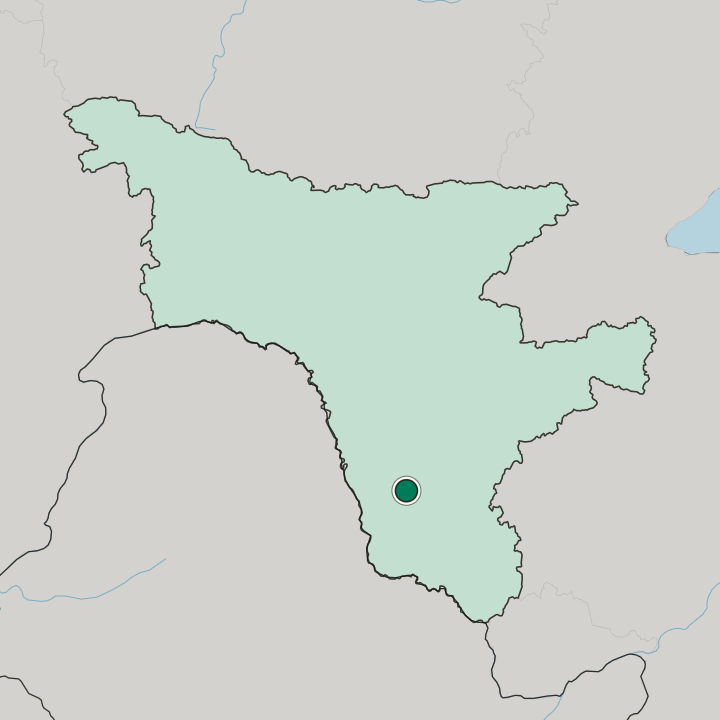
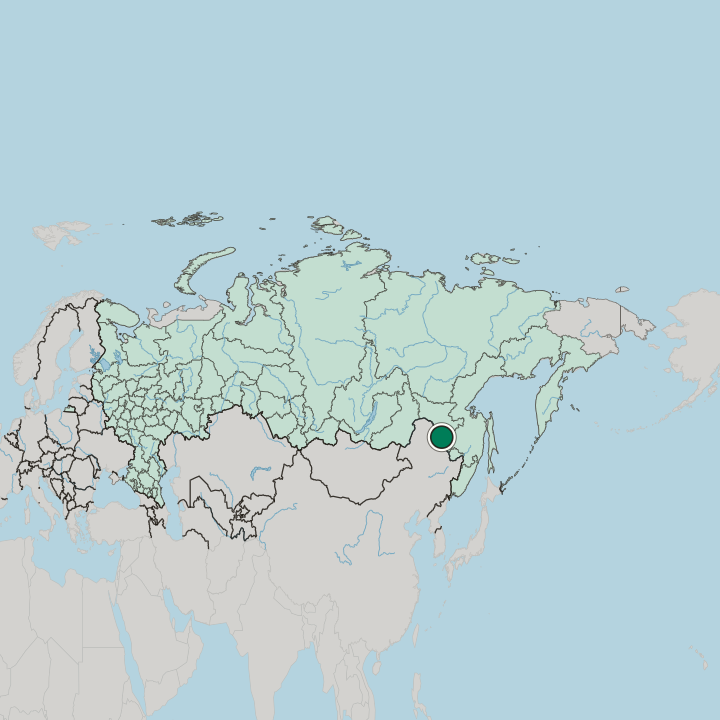
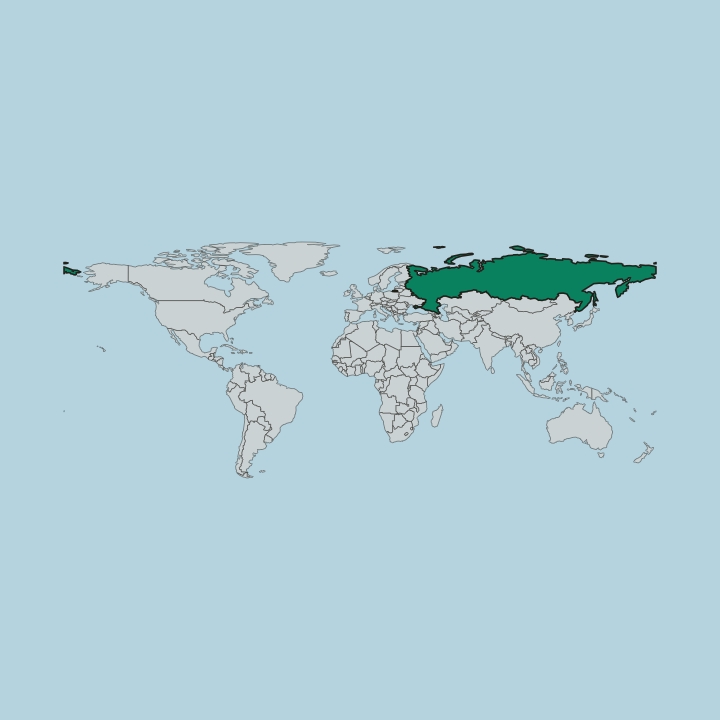
The river Tom is a tributary of the Zeya. Belogorsk sits on it across 135 square kilometres of Amur Oblast, north of Blagoveshchensk, on ground the Trans-Siberian Railway crosses on its way through the region. Belogorsk's seasons run temperate.
The town occupies river ground on a tributary, with the Zeya taking the drainage onward and the rail line providing the only other feature that organises the map at this scale.
What is the climate of Belogorsk?
The river Tom freezes hard. That freeze, and the long thaw that ends it, are the two events that organise a year in Belogorsk, because the temperate band this far into the continent produces extremes rather than gradients. Trains run regardless.
The Trans-Siberian Railway works through both halves of the year, which is why a winter arrival here is a matter of dressing for it rather than of finding another way in.
How do you get to Belogorsk?
The Trans-Siberian Railway stops here. That is the reason most arrivals happen at all, and it puts Belogorsk within an ordinary journey of Blagoveshchensk and of the rest of Amur Oblast along the line. Roads cover the same ground.
Belogorsk stands north of Blagoveshchensk on a route that carries traffic between the two, and inside the town the 135 square kilometres are handled by local transport rather than on foot.
More cities in Amur Oblast
Updated September 2026