Russia
Amur Oblast, Russia — Towns & Travel Guide
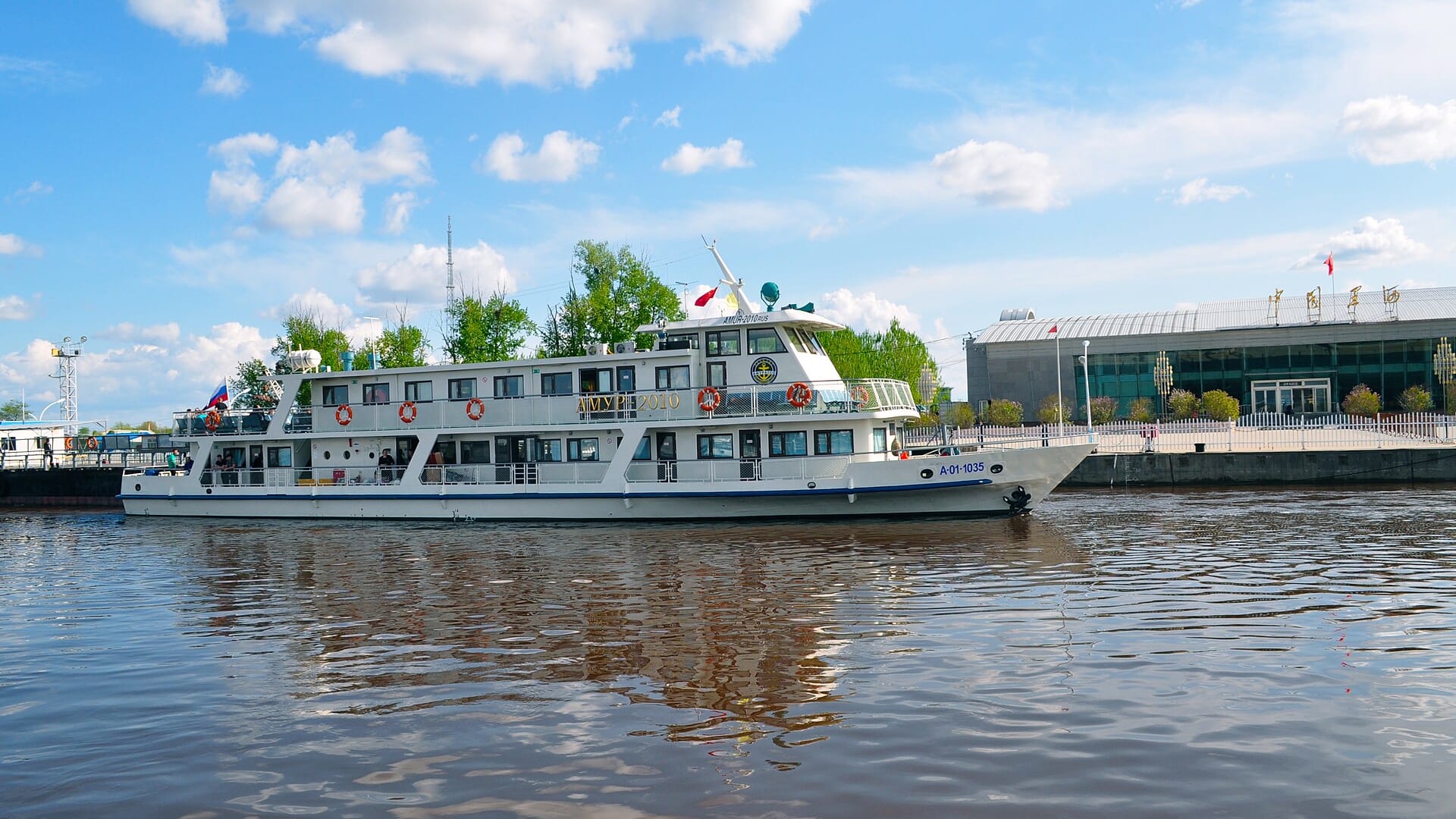
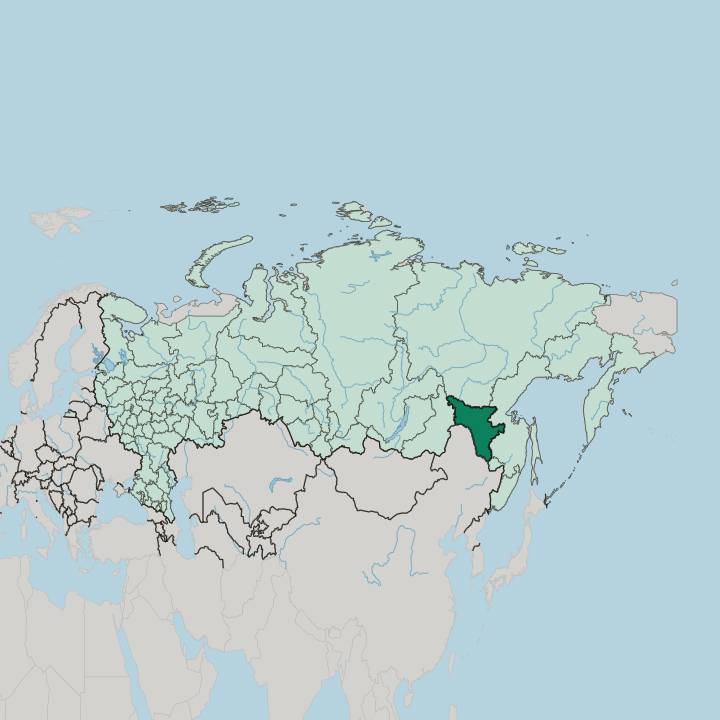
Amur Oblast is a Russian region on the Amur River, facing China across the water at Blagoveshchensk.
Find your area →


Towns & cities in Amur Oblast
Pick a town or city — each links to where to stay.
 Russia
Blagoveshchensk
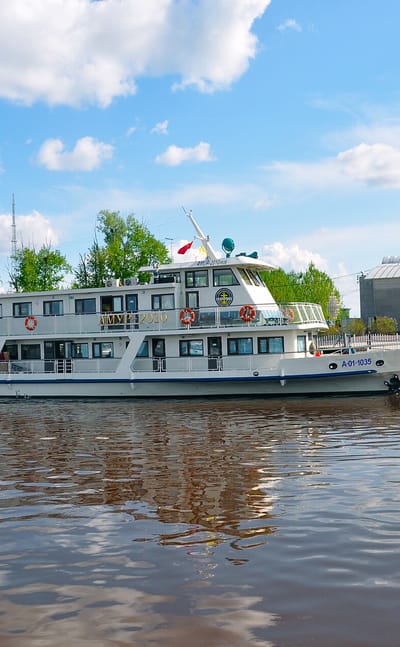
The Amur runs past Blagoveshchensk, a border city and seat of Amur Oblast, known for its riverfront facing Chinese Heihe and the Muravev-Amursky monument.Where to stay →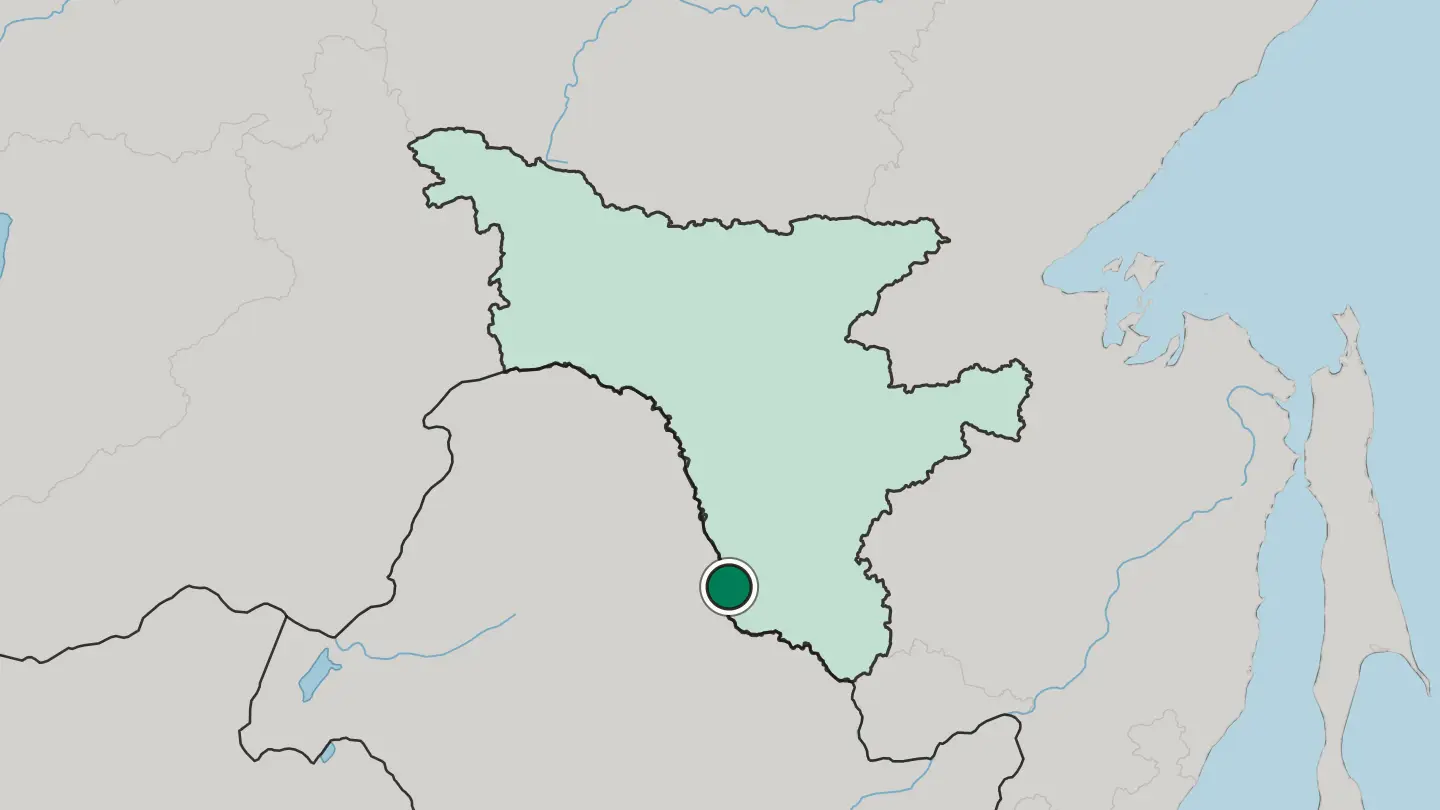
 Russia
Belogorsk
Belogorsk is a town of Amur Oblast on the river Tom, founded in 1860 and standing north of Blagoveshchensk on the Trans-Siberian Railway.Where to stay →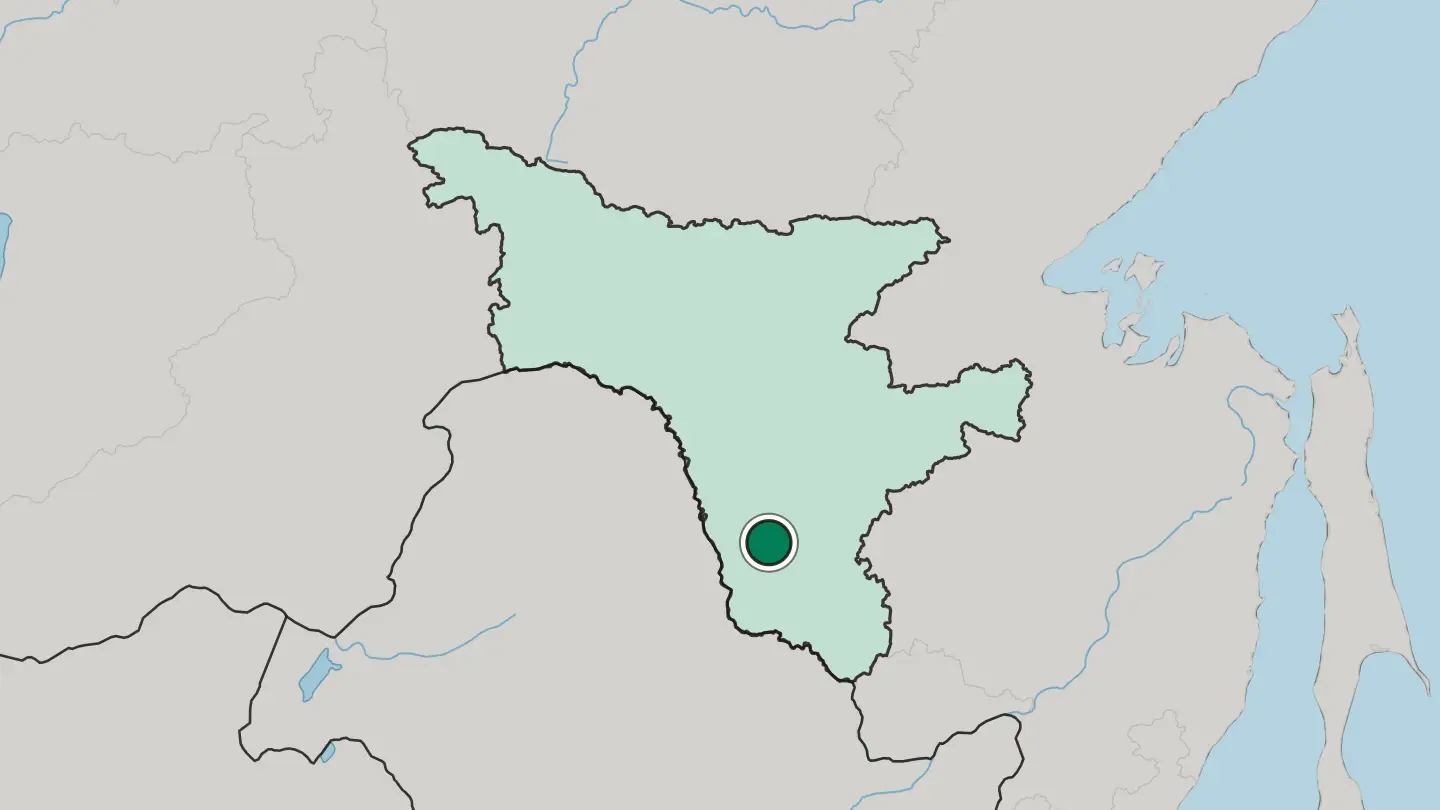
 Russia
Svobodnyy
Svobodnyy stands on the right bank of the Zeya River in Amur Oblast, a town founded in 1912 and also recorded as Алексеевск.Where to stay →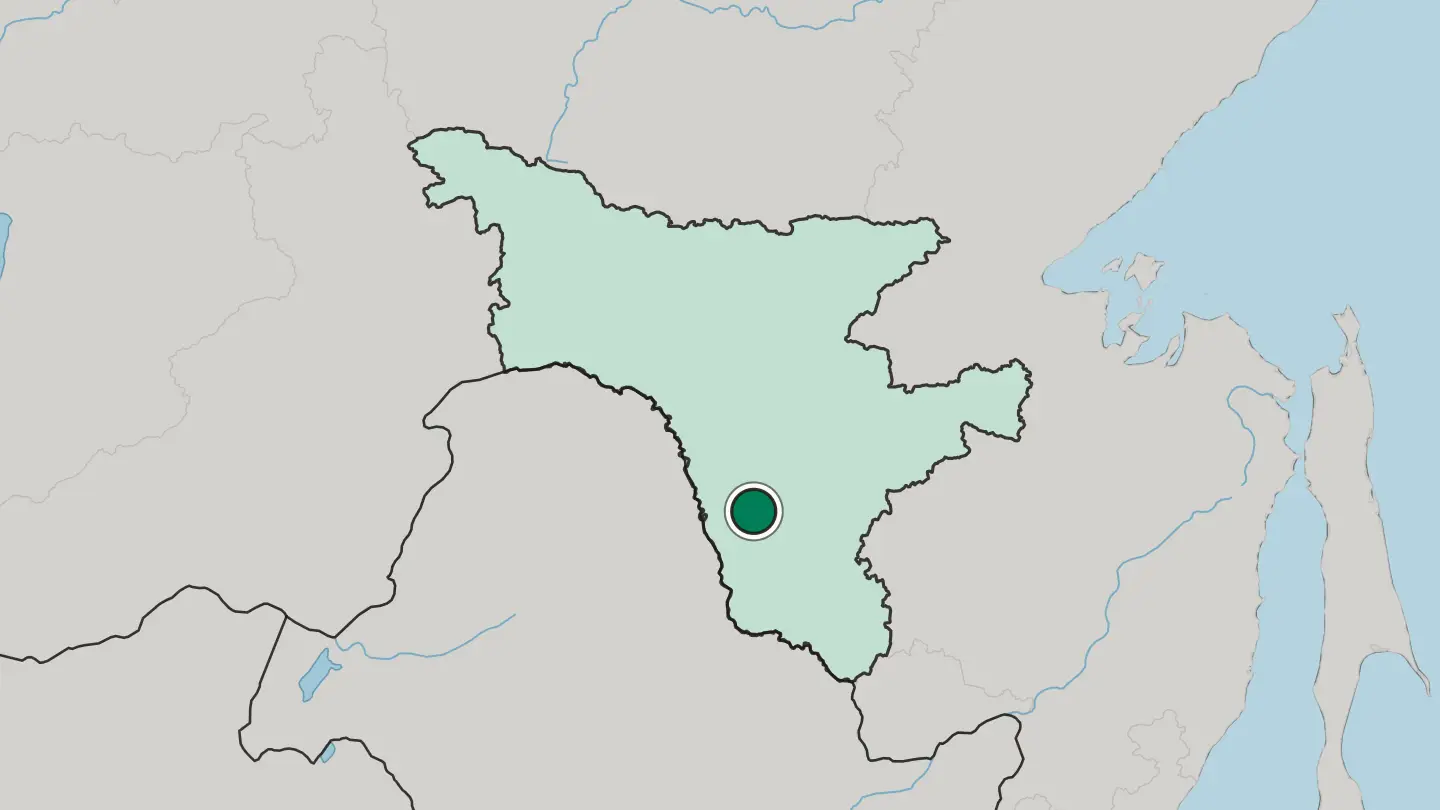
About Amur Oblast
Amur Oblast is a border region of the Russian Far East.
What is Amur Oblast known for?
Its southern edge is the Amur River, which separates it from China. Blagoveshchensk sits right on that river, staring across the water at the Chinese city of Heihe. Two things define the rest.
The Zeya and Bureya rivers drain the plains that make this Russia's great soybean belt, and near Tsiolkovsky the Vostochny Cosmodrome launches rockets from land that was empty taiga a decade before.
Where is Amur Oblast?
Amur Oblast fills a stretch of the Russian Far East between two very different edges. The Amur River runs along its whole southern boundary, and on the far bank lies China. To the north the land climbs to the crest of the Stanovoy Range, the wall of mountains that cuts the oblast off from Yakutia beyond.
Between river and range, the country changes. About two-fifths of the territory is flat. The Amur-Zeya and Zeya-Bureya plains spread across the south, low black-earth lowland that is the reason farmers came.
The rest is hills and taiga rising toward the Stanovoy Range. Three rivers organise it all. The Zeya drops out of the northern mountains and is held back in the vast Zeya Reservoir before it reaches the Amur at Blagoveshchensk; the Bureya drains the east toward the same river.
Water runs south to the Amur from almost everywhere in the oblast, and that southward pull toward the Chinese border is the single fact that shapes the whole region.
What is Amur Oblast like?
This is settler country. Russian Cossacks and peasant farmers moved onto the Amur in the nineteenth century, and the culture that grew up here is theirs. Blagoveshchensk was laid out in 1856 as a garrison and trading post, and its old merchant houses and brick warehouses still line the streets back from the river.
Gold and trade with China built the place. The frontier still defines daily life. Heihe stands in plain view across the Amur, close enough that the two cities trade, cross and watch each other by the season.
In winter the river freezes solid and people walk and drive over the ice between the two countries. Russian is the language spoken throughout, and the region reads as thoroughly Russian in its churches, its cooking and its street signs, yet the pull of the Chinese bank is never far away. Blagoveshchensk lives with one foot on each side.
What is the history of Amur Oblast?
The border came first. Russia took this land from the Qing dynasty by the Treaty of Aigun in 1858, and that treaty fixed the Amur River itself as the boundary with China, a line the two countries have kept ever since. Blagoveshchensk had been founded two years earlier as a Cossack outpost, and the Trans-Siberian Railway later brought the last great wave of settlers.
The oblast was formally established in 1932. Its newest chapter is a space one: near Tsiolkovsky, the Vostochny Cosmodrome sent up its first rocket in 2016.
What is the climate of Amur Oblast?
The climate is sharply continental and split between two seasons. Winters are long and bitterly cold, ruled by dry Siberian air, and the Amur freezes hard enough to carry traffic. Summers flip the pattern entirely.
The Asian monsoon reaches this far, pulling humid air off the seas near China and Japan so that most of the year's rain falls in warm, wet Julys over the Zeya-Bureya plains. Little snow, much summer rain.
How do you get to Amur Oblast?
Two railways carry most traffic in. The Trans-Siberian Railway runs east-west across the south of the oblast, with a branch dropping down to Blagoveshchensk, while the Baikal-Amur Mainline crosses the harder country to the north. Blagoveshchensk has an airport for the long haul from Moscow, and the border crossing to Heihe links the region straight into China.
Inside the oblast, roads and rail follow the rivers south toward the Amur.
Common questions
What is the best area to stay in Amur Oblast?
Blagoveshchensk: the border river and the Chinese frontier. Belogorsk: a stop on the Trans-Siberian.
Good for
More regions in Russia
Updated September 2026