Russia · Amur Oblast
Where to Stay in Blagoveshchensk, Amur Oblast
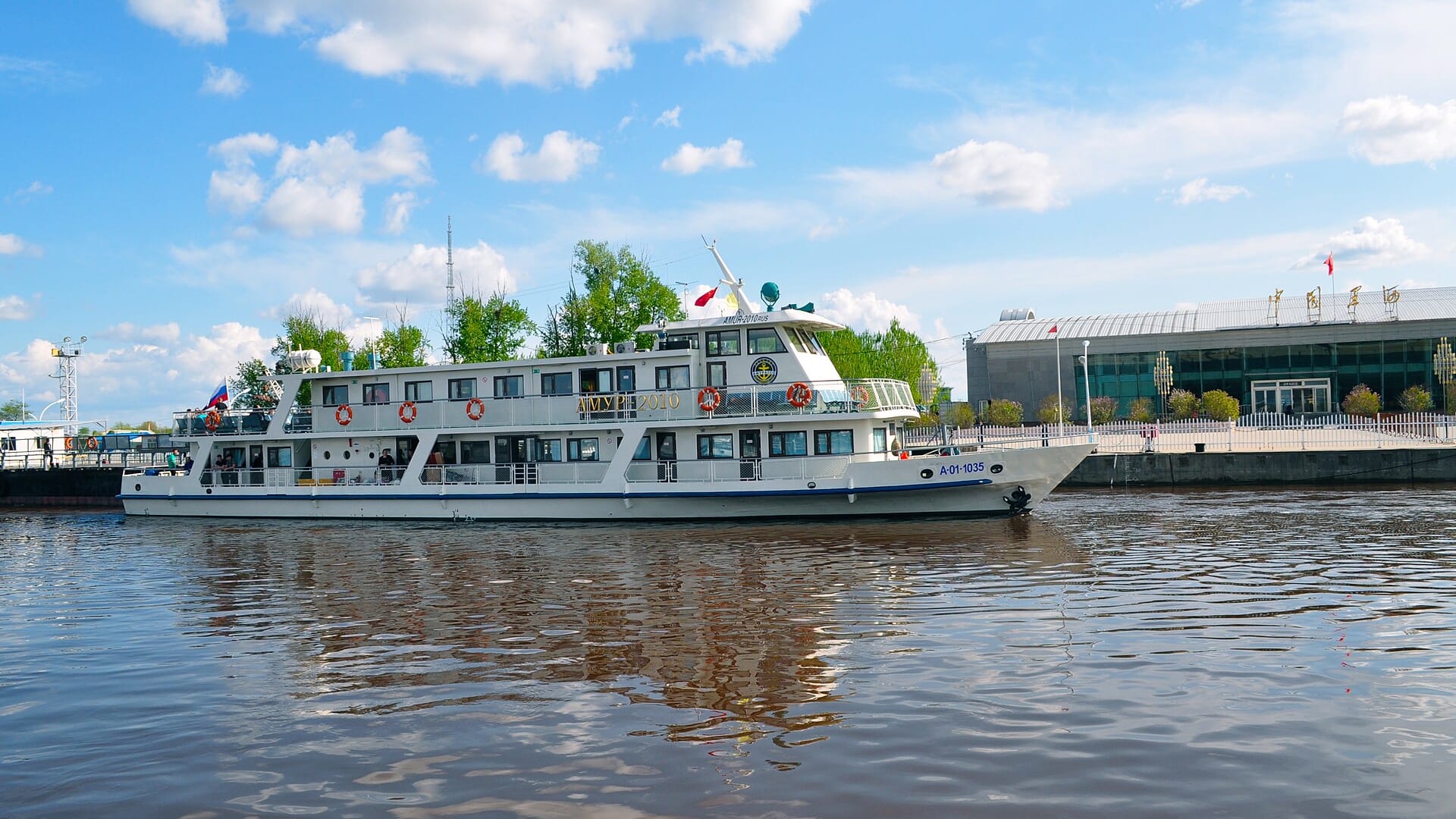
The Amur runs past Blagoveshchensk, a border city and seat of Amur Oblast, known for its riverfront facing Chinese Heihe and the Muravev-Amursky monument.
Find your area →


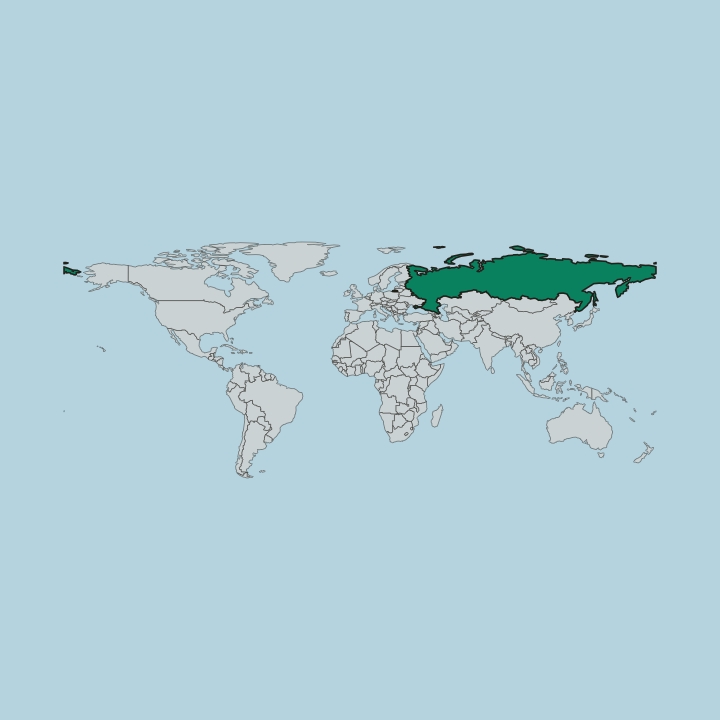
Where to stay in Blagoveshchensk
The practical side of choosing where to sleep.
Most visitors base themselves along the embankment of Blagoveshchensk, the promenade above the Amur facing Heihe. The riverfront holds the centre. Around the Muravev-Amursky monument and the Amur Oblast Local Museum run the old trading streets of Amur Oblast, and this ground suits travellers who want the border views, the merchant houses, and the river walks within easy reach.
The Church of Saint Nicholas stands near the water. Behind the promenade the old quarter keeps the nineteenth-century town. Rooms here stand close to the House of Culture and the Gavriilo-Arkhangelsky Monastery, a base for anyone drawn to the historic streets rather than the busy embankment.
Toward the Zeya the newer districts spread out to the north and east. Rooms out there sit near the Blagoveshchensk train station building, handy for arrivals, and each part of town keeps its own churches and old facades, so where you sleep decides whether the morning opens onto the border river or onto the quieter streets set back from it.
Things to do in Blagoveshchensk
Ranked by global recognition; descriptions from Wikidata (CC0).
Museums & Galleries
1- Amur Oblast Local Museum Heritage
Churches & Religious Sites
3- Церковь иконы Божией Матери «Всех скорбящих Радость» Heritage
- Gavriilo-Arkhangelsky Monastery Heritage
- церковь Николая Чудотворца (Благовещенск)
Castles & Historic Sites
1- Muravev-Amursky monument
Landmarks & Notable Places
8- Khmelnitsky Street 2, Blagoveshchensk (Amur Oblast) Heritage
- Blagoveshchensk city House of culture Heritage
- Lenin Street 167, Blagoveshchensk Heritage
- Amurskaya street 201A Heritage
- Blagoveshensk train station building Heritage
Show 3 more →
- Lenina Street 104, Blagoveshchensk Heritage
- Гостиница А.Е. Лукьянова («Россия», «Центральная») (Благовещенск) Heritage
- Дом В.А. Левашова (Благовещенск) Heritage
worth knowingacross 4 categories in Blagoveshchensk
About Blagoveshchensk
What is Blagoveshchensk known for?
Blagoveshchensk is known as a river city on the Chinese frontier. It stands where the Amur and the Zeya meet, and across the wide water lies the Chinese city of Heihe, so the town of Amur Oblast has long lived by trade and traffic over the border. Its river gave it grandeur.
Nineteenth-century trading houses line the embankment, the Muravev-Amursky monument recalls the man who won this land for Russia, and the Amur Oblast Local Museum keeps the story of the frontier. A town shaped by the great river.
What are the main landmarks in Blagoveshchensk?
Monuments of the frontier mark Blagoveshchensk. The Muravev-Amursky monument stands over the embankment, honouring the man who secured the Amur for Russia. Churches and museums gather nearby.
The Church of Saint Nicholas, the Church of the Icon of the Mother of God, and the Gavriilo-Arkhangelsky Monastery raise their crosses over the border town, the Amur Oblast Local Museum keeps its history, and the House of Culture and the Blagoveshchensk train station building carry the civic face of a city that grew rich on the river trade with Heihe.
What is the history of Blagoveshchensk?
Blagoveshchensk was founded in 1856 as a military post on the Amur, the seat of what became Amur Oblast. It rose to hold the river. When Russia secured the left bank of the Amur, a fort and a town went up at the mouth of the Zeya, and the Muravev-Amursky monument still recalls the governor who led that expansion.
Trade made it grow. Goods moved across the water to and from Heihe on the Chinese side, and merchants raised the classical houses and churches, among them the Church of Saint Nicholas and the Gavriilo-Arkhangelsky Monastery, that line the old streets. The river also brought conflict.
The border town saw the violence of the frontier wars, a hard chapter kept in the Amur Oblast Local Museum. Behind its quiet embankment runs the long story of a city built to face another country across a great river.
Where is Blagoveshchensk?
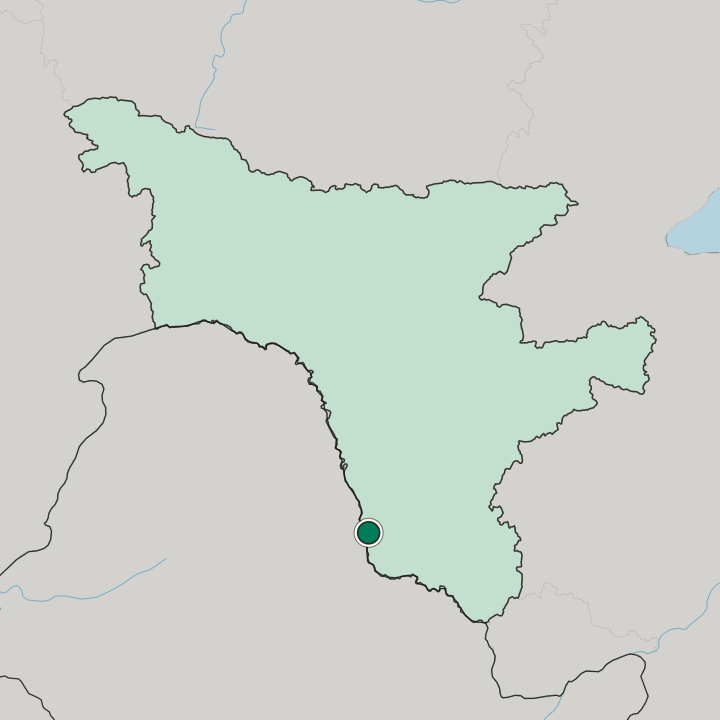
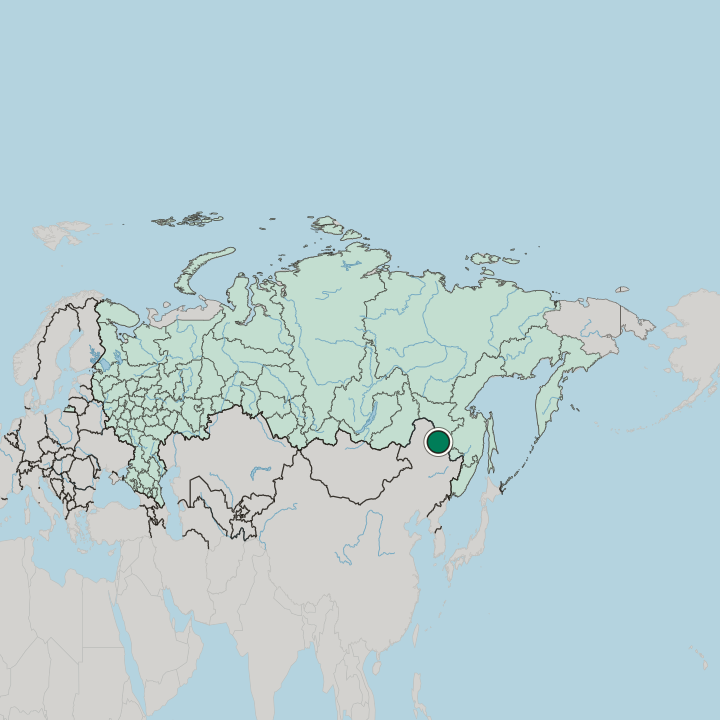
Blagoveshchensk stands at the confluence of the Amur and the Zeya in Amur Oblast, on the flat land where the two rivers meet. The city faces the wide Amur, its embankment looking straight across to the Chinese city of Heihe on the far bank. Behind the waterfront the streets run back onto the plain, spreading north and east along the lower Zeya toward the newer districts and the station.
The rivers frame the whole town. They set its border, its trade, and the long line of its promenade.
What is the climate of Blagoveshchensk?
Blagoveshchensk has a monsoon-influenced continental climate on the Amur. Winters are long, cold, and dry. Hard frost grips the frozen river and the plains of Amur Oblast for months under clear skies, with little snow.
Summers turn warm and wet, when the monsoon rains sweep up the Amur and the Zeya and swell them over their banks. The seasons swing far apart, from a dry frozen winter to a humid rainy summer, in the sharp continental rhythm of the far eastern rivers.
How do you get to Blagoveshchensk?
Blagoveshchensk lies on a branch of the Trans-Siberian network in Amur Oblast. Trains reach the city through the Blagoveshchensk train station building, and a spur runs down from the main line to the north to bring them to the river. Flights land at Blagoveshchensk's own airport.
A crossing over the Amur links the town to Heihe, and buses reach the neighbouring settlements scattered along the Zeya and the border country.
Good for
More cities in Amur Oblast
Updated October 2026