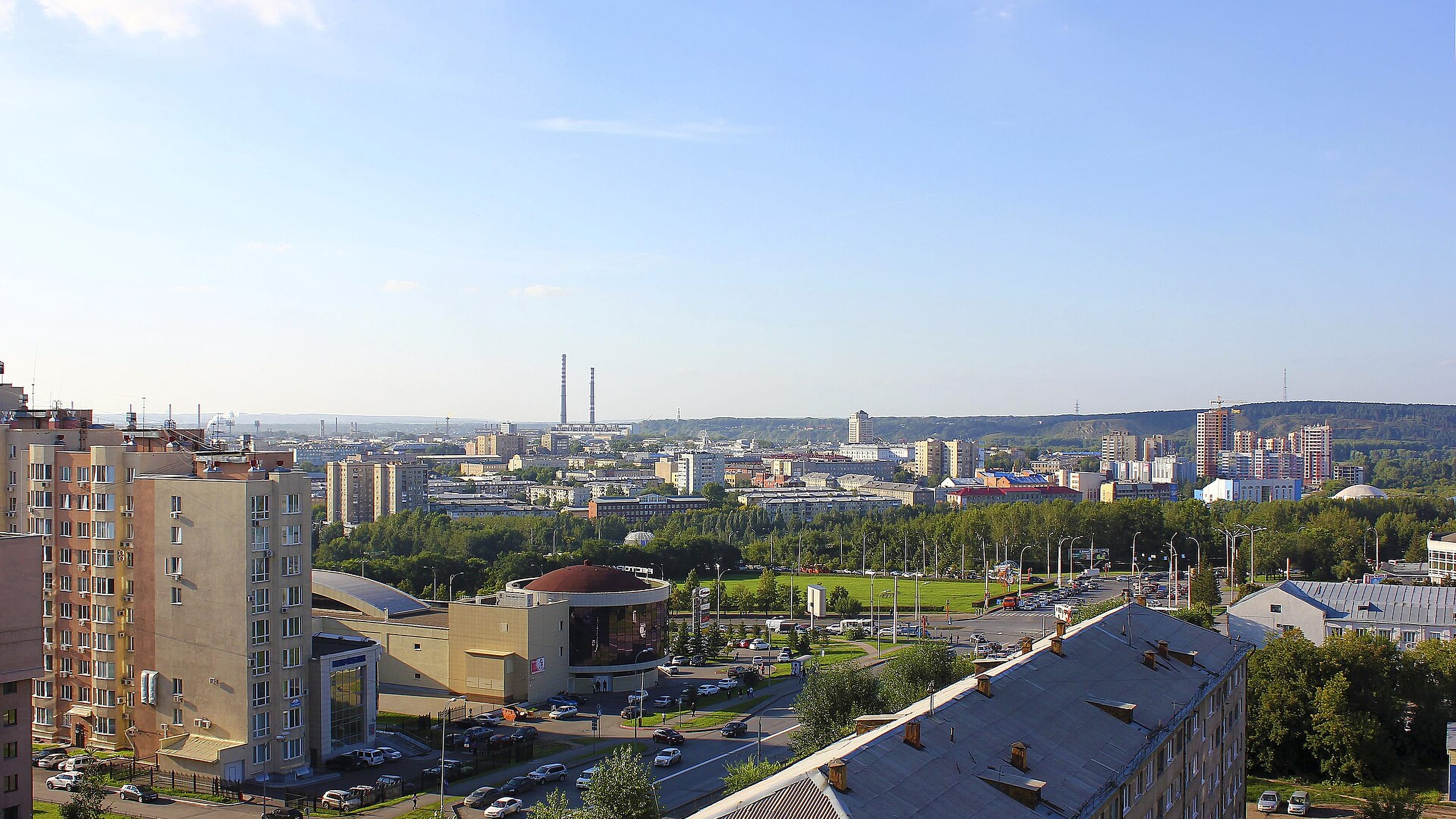
Russia · Kemerovo Oblast
Where to Stay in Kemerovo, Kemerovo Oblast
Coal country frames Kemerovo, a river city and the seat of Kemerovo Oblast, known for the Kuzbass State Museum of Local Lore and its riverside squares.
Find your area →


Where to stay in Kemerovo
Where visitors usually base themselves, and why.
Most visitors base themselves in the central district of Kemerovo, the grid of squares and avenues above the river. The centre gathers the sights. Around the Kemerovo Oblast Museum of Fine Arts and the Kuzbass State Museum of Local Lore run the main streets, and this ground suits travellers who want the museums, the theatres, and the riverside walks within easy reach.
The Immaculate Heart of Mary Church marks one edge of it. Near the water the older streets hold the memorials and the parks of Kemerovo Oblast. Rooms here stand close to the embankment and the monument to Lenin, a quieter base for anyone who prefers the river to the traffic of the avenues.
Beyond the bridges the left-bank districts and the mining suburbs spread out toward the works. These outer quarters keep the plainer face of the coal town, and where you sleep decides whether the morning opens onto the museum squares or onto the industrial edge that built the city.
Things to do in Kemerovo
Ranked by global recognition; descriptions from Wikidata (CC0).
Museums & Galleries
2- Kuzbass State Museum of Local Lore Heritage
- Kemerovo Oblast Museum of Fine Arts
Churches & Religious Sites
3- Immaculate Heart of Mary Church, Kemerovo
- Chapel of Our Lady of the Consolation in Sorrow, Kemerovo
- Часовня иконы Божией Матери «Всех Скорбящих Радость»
Castles & Historic Sites
1- памятник В. И. Ленину Heritage
worth knowingacross 3 categories in Kemerovo
About Kemerovo
Kemerovo is known as the heart of the Kuzbass coalfield.
What is Kemerovo known for?
The city grew around the mines and the works that dug and burned the coal of Kemerovo Oblast, and that industrial life still sets its plain, functional streets. Culture came with the workers. The Kuzbass State Museum of Local Lore keeps the record of the basin, while the Kemerovo Oblast Museum of Fine Arts hangs the region's paintings and the Immaculate Heart of Mary Church raises its spire over the centre.
A working town, not an old merchant one.
What are the main landmarks in Kemerovo?
Museums and churches mark the centre of Kemerovo. The Kuzbass State Museum of Local Lore holds the story of the coalfield, and the Kemerovo Oblast Museum of Fine Arts gathers the region's art nearby. Religion built its own landmarks here.
The Immaculate Heart of Mary Church raises its brick spire over the avenues, the Chapel of Our Lady of the Consolation in Sorrow and the Chapel of the Icon of the Mother of God keep smaller shrines, and the monument to Lenin still stands on its square, a plain reminder of the industrial century that made the town.
What is the history of Kemerovo?
Kemerovo began in 1701 as a small settlement on the river, in the country that became Kemerovo Oblast. For two centuries it stayed a village. Then coal changed everything, for the seams of the Kuznetsk basin ran directly beneath the ground, and the mines and coking works drew workers by the thousand to the riverbanks.
Industry built the town. A chemical and mining centre rose where the old settlement had stood, and the Kuzbass State Museum of Local Lore now keeps the long record of that basin and its pits. The city carries harder memories too.
It bears the scars of mining disaster, and its churches, among them the Immaculate Heart of Mary Church, stand as newer additions to a place shaped first by labour. Behind the plain facades of Kemerovo runs the story of the coalfield that named the whole surrounding region.
Where is Kemerovo?
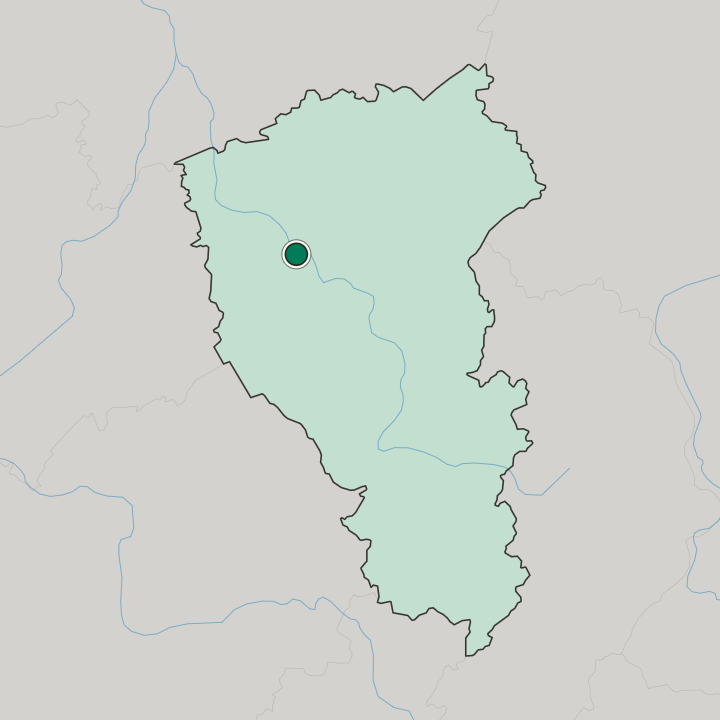
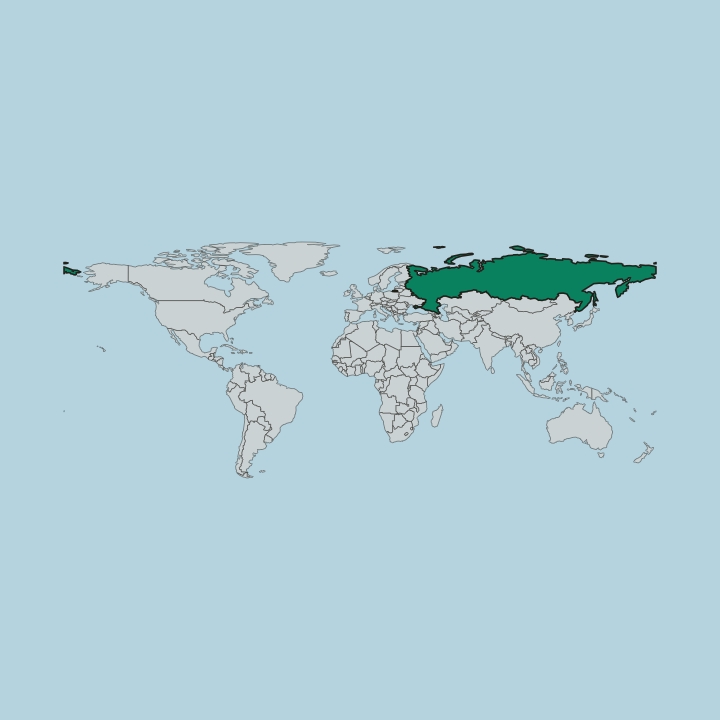
Kemerovo sits on both banks of a river in the coal country of Kemerovo Oblast. The centre spreads across the higher right bank, its squares and avenues laid out above the water, while the left-bank districts and the mining suburbs run out toward the works and the open pits. Around the city the land is the Kuznetsk basin, a broad hollow of coal-bearing ground ringed by low wooded ranges.
The river divides the town. Its bridges tie the museum quarter to the industrial quarters that grew up around the seams.
What is the climate of Kemerovo?
Kemerovo has a sharply continental climate. Winters are long and hard. Deep snow lies over the river and the coalfields of Kemerovo Oblast for months while severe frost grips the pits and the plain streets of the centre.
Summers turn short and warm, sometimes hot, with sudden thunderstorms rolling over the Kuznetsk basin. The seasons swing far apart, from bitter winter cold to summer heat, in one of the wide annual ranges of the Siberian interior.
How do you get to Kemerovo?
Kemerovo lies on the rail and road network that serves the Kuznetsk basin. Trains reach the city on a branch off the Trans-Siberian main line, and the highway runs in from the larger centres of Kemerovo Oblast across the coal country. Kemerovo keeps an airport of its own for arrivals by air.
Buses link the mining towns scattered through the basin, and the river once carried the first traffic into the settlement before the tracks arrived.
Good for
More cities in Kemerovo Oblast
Updated September 2026