Russia · Khanty-Mansiyskiy Avtonomnyy Okrug-Yugra
Where to Stay in Surgut, Khanty-Mansiyskiy Avtonomnyy Okrug-Yugra
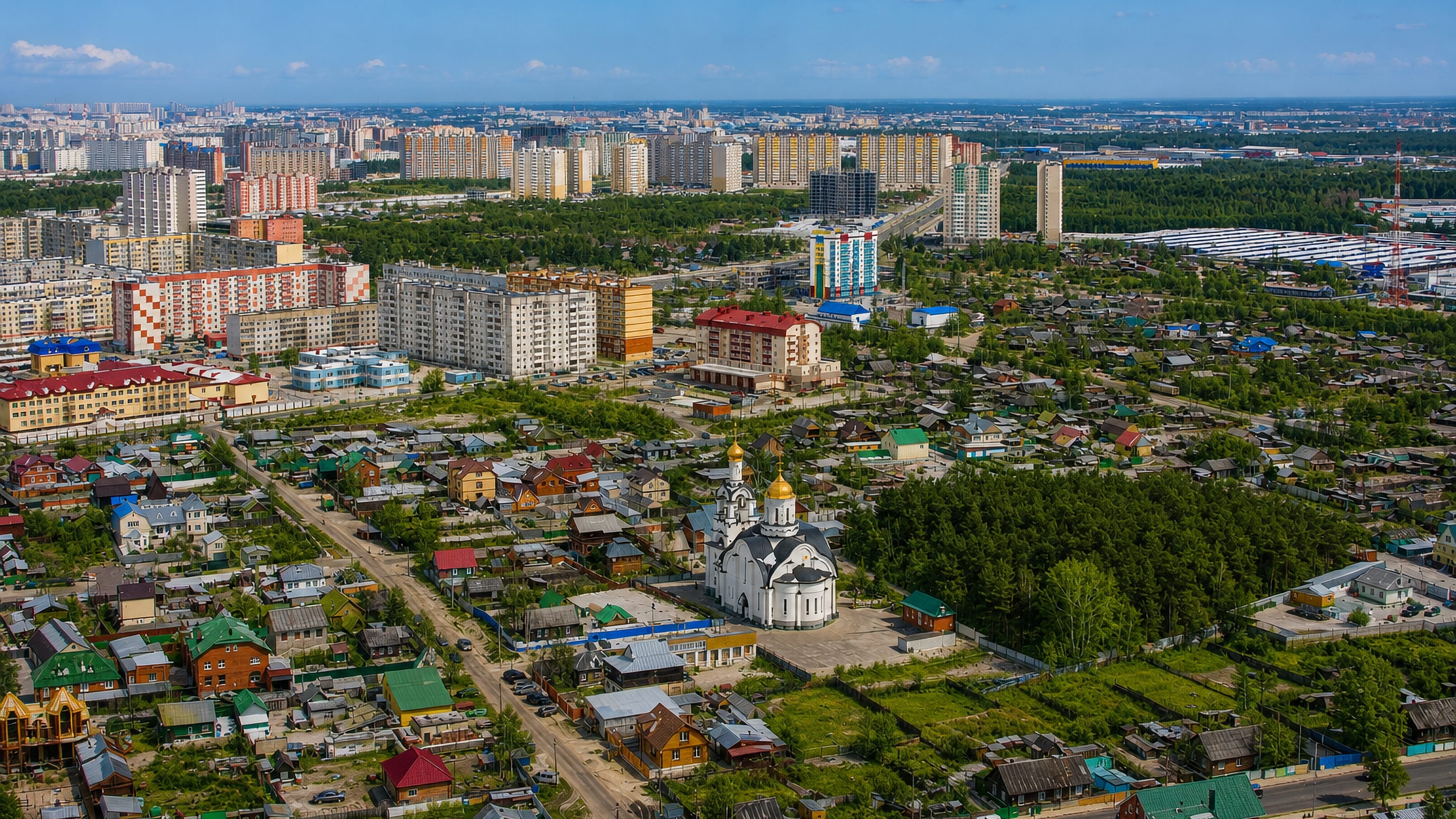
Oil built Surgut, a Siberian city in Khanty-Mansi Autonomous Okrug, Yugra, known for its local-lore museum and the Surgut Madonna mosaic.
Find your area →


Where to stay in Surgut
Where visitors usually base themselves, and why.
Most visitors base themselves in the centre of Surgut, the older core where the town's memory is gathered. The centre holds the sights. Around the Surgut Museum of Local Lore and the mosaic panel of the Surgut Madonna run the main streets of the city, and this ground suits travellers who want the museum, the memorial to the twenty-three killed in the revolt of 1921, and the cafes of Yugra within a short walk.
The House of G.S. Klepikov keeps an old timber face among the newer blocks here. Toward the working edge the oil quarters spread out.
Rooms in these outer parts of Khanty-Mansi Autonomous Okrug sit close to the industry that built the town, handy for anyone in Surgut for the oil trade rather than the museums, and the district around the house of the geologist Farman Salmanov ties the two sides of the city together. Beyond the built-up ground the taiga of Siberia closes in. The forest and the cold frame the whole town, so where you sleep in Surgut decides whether the morning opens onto the museum streets of the centre or onto the plain roads that run out toward the oil fields and the trees.
About Surgut
Surgut is known as an oil city of Siberia.
What is Surgut known for?
It grew from a small outpost into a working town of Khanty-Mansi Autonomous Okrug after geologists proved the ground beneath Yugra held oil, and the house where Farman Salmanov lived still stands as a marker of that discovery. Oil made the modern city. Alongside the industry the town keeps its older memory in the Surgut Museum of Local Lore and the mosaic panel called the Surgut Madonna, works that set the Siberian craft and faith of the place against the derricks that pay for it.
What are the main landmarks in Surgut?
Museums, houses, and memorials mark Surgut. The Surgut Museum of Local Lore is the chief sight, keeping the Siberian history of the town and of Khanty-Mansi Autonomous Okrug. Older buildings stand among the blocks.
The House of G.S. Klepikov shows a surviving timber home of the early town, the house where the geologist Farman Salmanov once lived recalls the man who traced oil beneath Yugra, and the mosaic panel of the Surgut Madonna carries the craft of the place, while a memorial to the twenty-three killed in the revolt of 1921 marks a hard chapter of the city's past.
What is the history of Surgut?
Surgut was founded in 1594 as a Russian fort on the edge of Siberia, one of the outposts raised as the country pushed east into the land that is now Khanty-Mansi Autonomous Okrug. For centuries it stayed small. It was a river town of traders and exiles at the far reach of Yugra, a place better known as a point of banishment than of wealth, and its early timber buildings gave way slowly, though a few such as the House of G.S.
Klepikov survived into the modern age. Then oil changed everything about it. When the geologist Farman Salmanov proved that the ground of the region held oil, in the years he lived in the house that now bears a plaque, the old fort was rebuilt as an industrial city and its population swelled.
The revolt of 1921 left its own mark. A memorial in the town remembers the twenty-three killed in that rising, one hard episode among the Soviet years that filled the streets of the old settlement with new blocks and the derricks that ring it. Behind the oil the older Surgut endures.
The Surgut Museum of Local Lore keeps the long story of a Siberian outpost that oil turned into a city.
Where is Surgut?
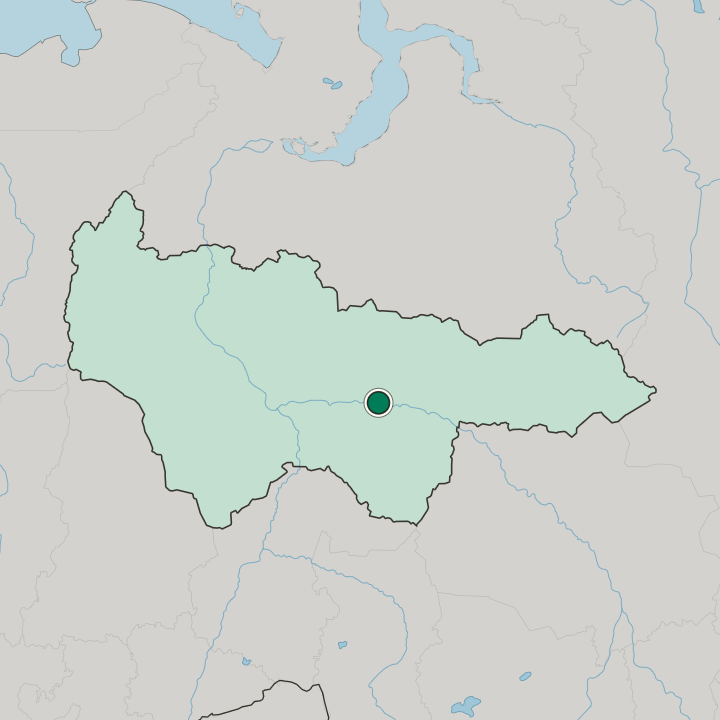
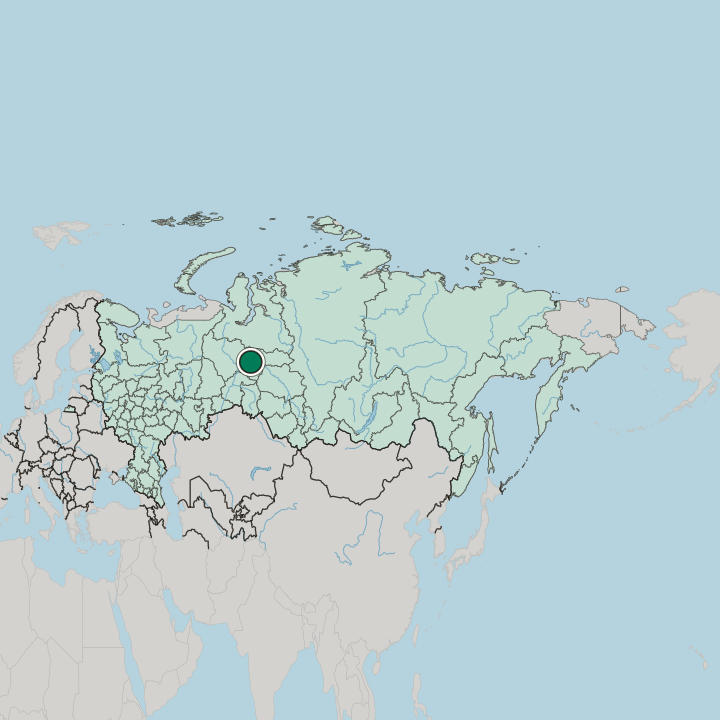
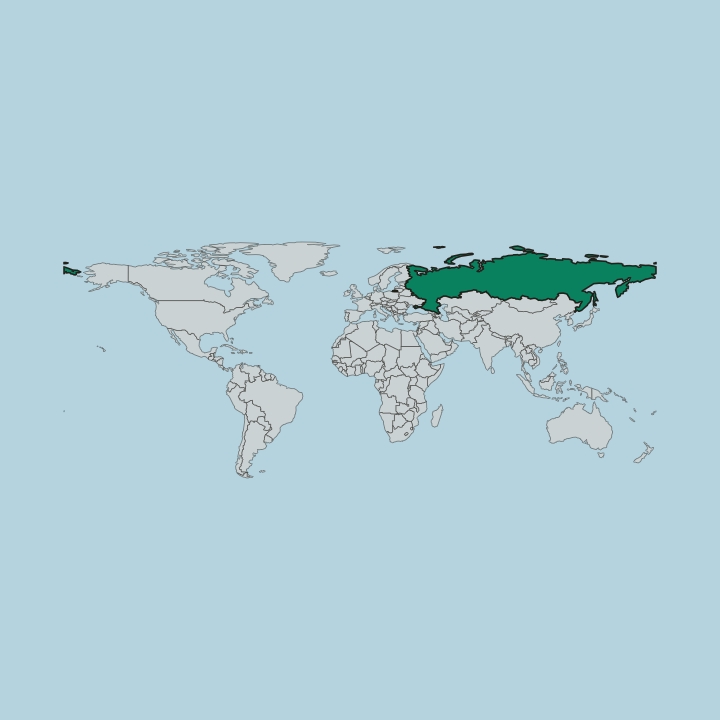
Surgut lies deep in Siberia, in Khanty-Mansi Autonomous Okrug, on the low forested plain of Yugra. The town sits far to the north, where the taiga and the marshes spread flat in every direction and the winters bite hard. Forest rings the city.
Around it the oil fields break the trees, and the wooded lowland of the region carries the derricks and the roads that link the settlements of the plain. The land is cold, level, and far from any coast, and the reach of the taiga and the northern light shape the whole setting of the town.
What is the climate of Surgut?
Surgut has a hard subarctic climate set by its place deep in northern Siberia. Winters are long and bitterly cold. Snow buries the taiga and the town of Khanty-Mansi Autonomous Okrug for much of the year, and the short days of the northern winter keep the plain of Yugra frozen for months on end.
Summers are brief and warm. They bring long daylight and a quick thaw before the cold returns, and the wide swing between the frozen dark and the bright short summer gives the far northern town a climate few milder places know.
How do you get to Surgut?
Surgut is reached mainly by air and rail across the plain of Siberia. Flights land at its airport, the busiest way in to this part of Khanty-Mansi Autonomous Okrug and a link to the cities of Russia beyond the taiga. A railway also serves the town.
It carries trains across Yugra to the other settlements of the northern plain, and roads run out from the city toward the oil fields that ring it.
More cities in Khanty-Mansiyskiy Avtonomnyy Okrug-Yugra
Updated September 2026