Russia · Komi
Where to Stay in Syktyvkar, Komi
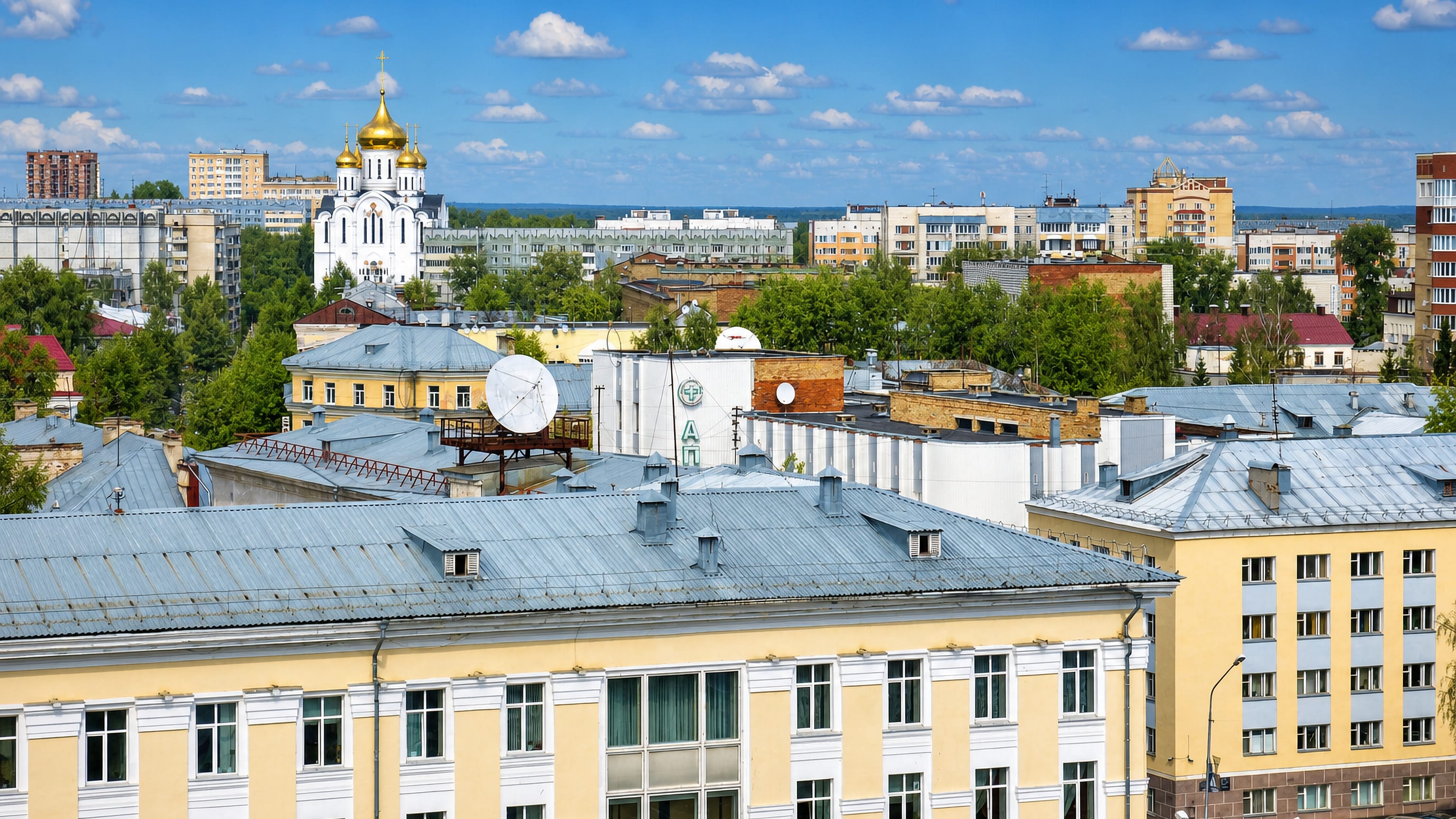
Taiga surrounds Syktyvkar, the northern capital of the Komi Republic and its centre of Komi language and culture.
Find your area →


Where to stay in Syktyvkar
Where visitors usually base themselves, and why.
Syktyvkar keeps its lodging in the compact centre, where the older streets carry the city's landmarks. The core gathers around the Komi National Gallery and the Vechnaya Slava memorial, within reach of the Former Zemstvo hospital and the merchant Union's House that survive from the town's earlier life. For a first trip to Syktyvkar, this central cluster makes the easiest base.
From here the monument to the letter Ӧ and the Syktyvkar Theological College sit a short walk apart. The quieter residential quarters, spreading back from the centre toward the forest edge, favour a calmer base. Timber and taiga ring the whole city.
Travellers who want the gallery and memorials on the doorstep pick the core; those after quiet choose the outer streets and ride in for the sights. Either base keeps the Metochion of Trinity-Stefanovsky monastery and the Komi National Gallery within an easy reach across the compact northern capital.
Things to do in Syktyvkar
Ranked by global recognition; descriptions from Wikidata (CC0).
Museums & Galleries
1- Komi National Gallery
Churches & Religious Sites
1- Metochion of Trinity-Stefanovsky monastery, Syktyvkar Heritage
Castles & Historic Sites
3- Vechnaya Slava Heritage
- Памятник букве ӧ
- Памятник электромонтёру (Сыктывкар)
Landmarks & Notable Places
8- Syktyvkar Fire station Heritage
- Syktyvkar Theological College Heritage
- Former Zemstvo hospital, Syktyvkar Heritage
- Union's House Heritage
- Дом жилой (Сыктывкар) Heritage
Show 3 more →
- Свято-Вознесенский храм (Сыктывкар) Heritage
- Торговый дом Дербеневых (Сыктывкар) Heritage
- Торговый дом наследников Д.К. Кузьбожева (Сыктывкар) Heritage
worth knowingacross 4 categories in Syktyvkar
About Syktyvkar
Syktyvkar is known as the seat of Komi culture.
What is Syktyvkar known for?
It stands among the northern forests as the capital of the Komi Republic, the heart of the Komi language and its written word. A monument to the letter Ӧ salutes that alphabet in the open air. The Komi National Gallery holds the region's art, and timber and the taiga have shaped the city's life.
A forest capital with its own tongue.
What are the main landmarks in Syktyvkar?
Syktyvkar's landmarks mix monuments, museums, and old town houses. The most singular is the monument to the letter Ӧ, an open-air tribute to the Komi alphabet that no other Russian city can claim. The Komi National Gallery holds the region's art, and the Vechnaya Slava memorial honours the war dead.
Older buildings survive too, among them the Former Zemstvo hospital, the merchant Union's House, the Metochion of Trinity-Stefanovsky monastery, and the Syktyvkar Theological College. A letter marks the city.
What is the history of Syktyvkar?
Syktyvkar was founded in 1780, when a Komi trading settlement was chartered as a town. It grew as the market and administrative centre for the Komi land, a river port among the northern forests where timber, fur, and grain changed hands. Growth came slowly at first.
Through the imperial century the town filled with merchant houses and civic buildings, among them the Former Zemstvo hospital and the Union's House that still stand in the centre. The twentieth century made Syktyvkar the capital of the Komi Republic. The Vechnaya Slava memorial marks the losses of the war years, and the Komi National Gallery grew as a home for the region's art.
Care for the Komi language turned civic, celebrated in the open-air monument to the letter Ӧ. The Metochion of Trinity-Stefanovsky monastery kept the older faith through those changes. Trade, forest, and Komi identity run through its whole story.
Where is Syktyvkar?
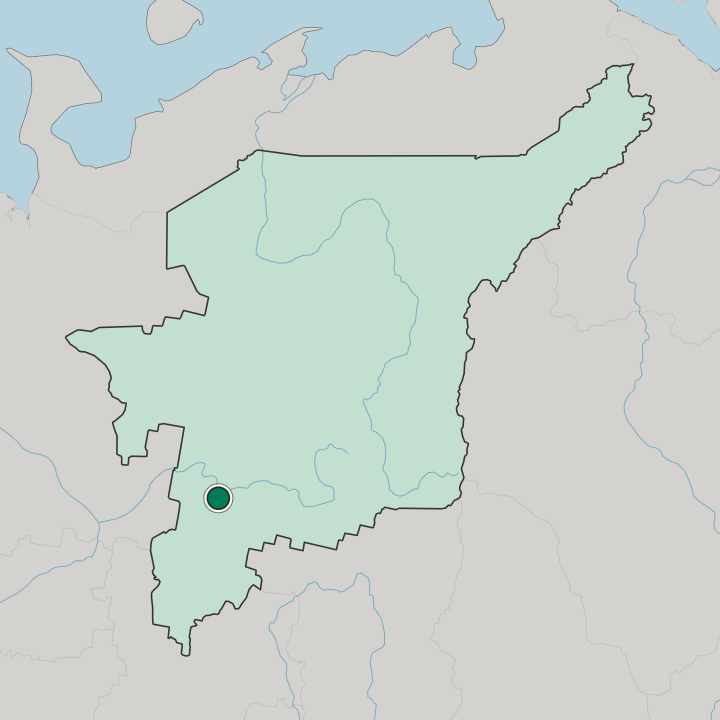
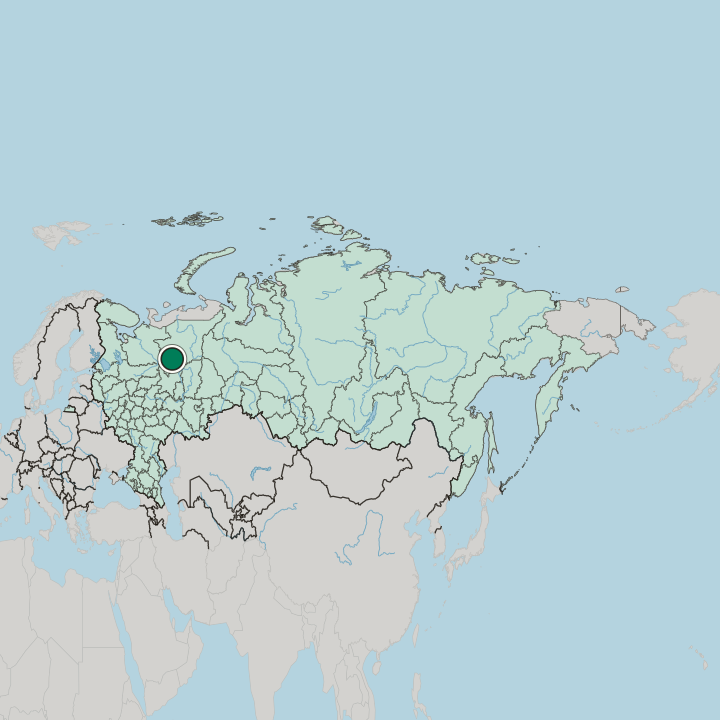
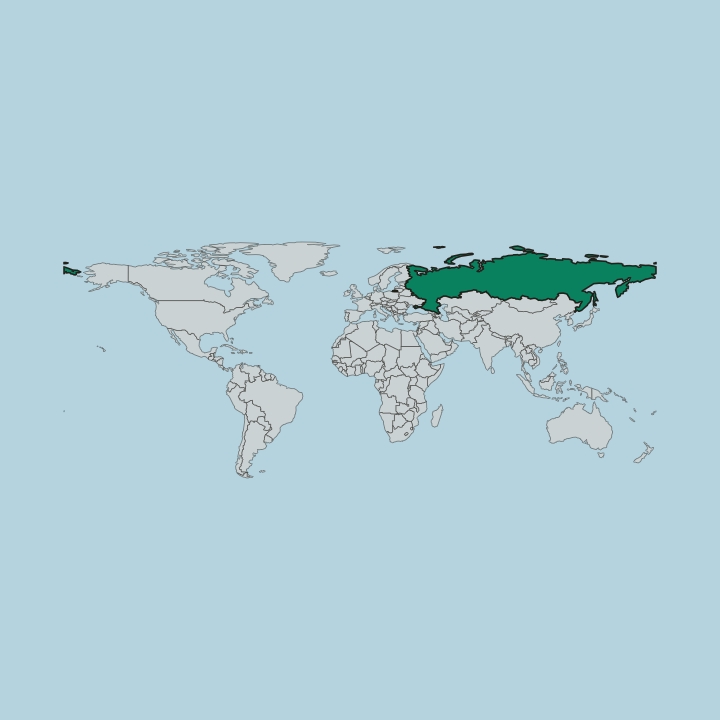
Syktyvkar lies deep in the north of European Russia. Dense coniferous forest surrounds the city, which stands on a low river plain far from any coast in the taiga of the Komi Republic. It is the capital of that republic, the largest settlement of a vast, thinly peopled forest land where towns lie far apart.
Forests run to every horizon. Forest, river plain, and the long northern distances are the setting's defining features.
What is the climate of Syktyvkar?
Syktyvkar has a subarctic climate. Winters are long, dark, and severe across the Komi taiga, with deep snow lying for much of the year and hard frosts gripping the forests. Summer over the Komi taiga is brief but genuinely warm.
Long daylight returns in the brief warm season, when the northern forest greens quickly before the cold comes back. Snow defines most of the year.
How do you get to Syktyvkar?
Syktyvkar is reached mainly by air and rail. An airport connects the Komi capital to Moscow and other cities, and a rail branch reaches the town through the northern forests. Roads thin out beyond the region.
Most travellers arrive by plane or train. From the station and airport, the compact centre around the Komi National Gallery lies a short ride away.
Good for
More cities in Komi
Updated October 2026