Russia · Kursk Oblast
Where to Stay in Kursk, Kursk Oblast
Kursk rises above the meeting of the Kur, Tuskar, and Seym rivers, a thousand-year city and the administrative center of Kursk Oblast.
Find your area →


Where to stay in Kursk
Where visitors usually base themselves, and why.
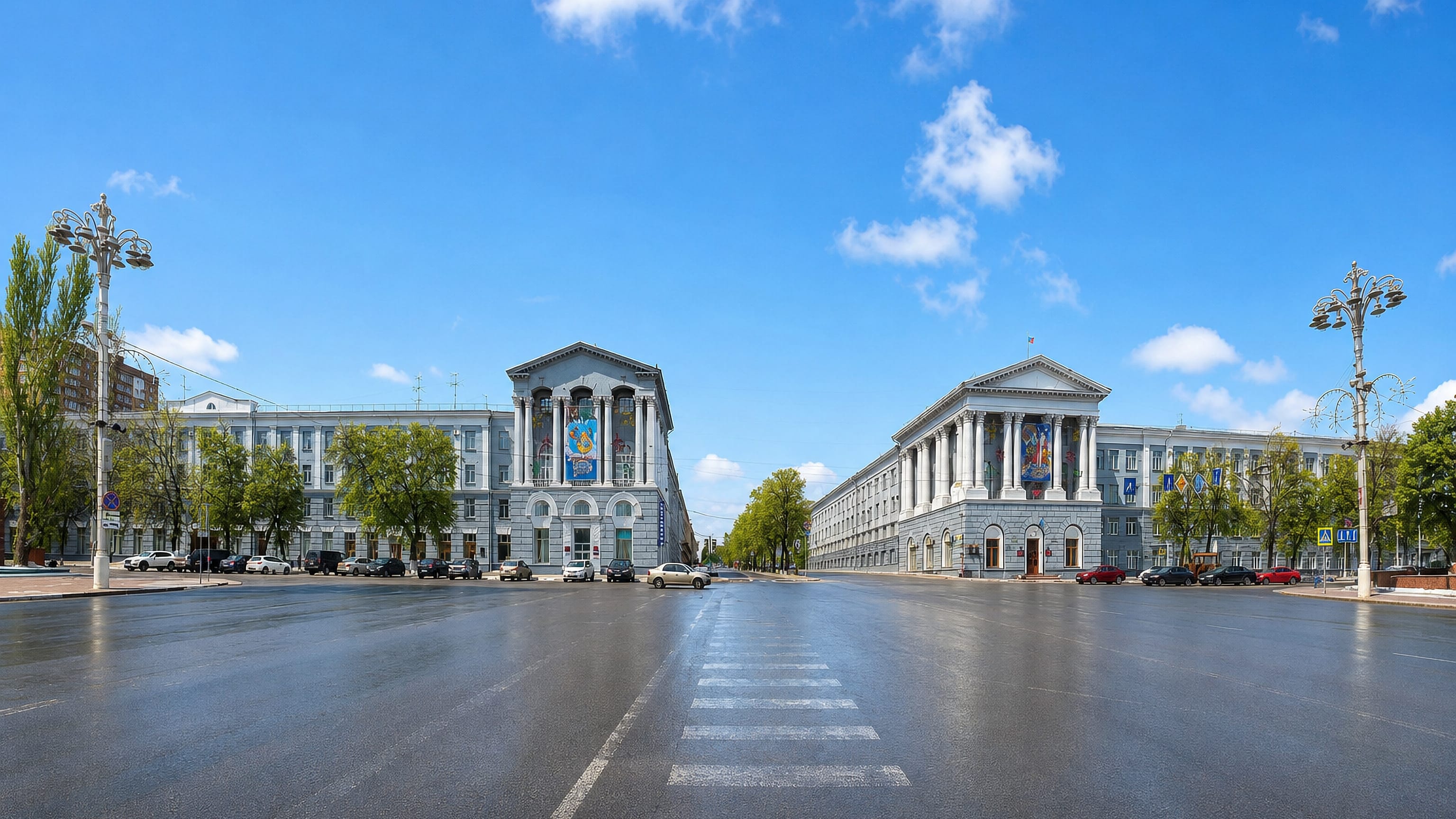
Kursk gathers its lodging on the ridge above the rivers, where the old core runs along Lenina and Sovetskaya. The Cathedral of Our Lady of "The Omen", the Building of the Noble Assembly, and the Kursk State Art Gallery stand within a few blocks, so the central hotels put you among the landmarks. From here the Church of the Resurrection and the Kursk State Medical University are an easy walk.
The ridge core makes a natural base for a first visit to Kursk. Lower down, near the Tuskar and the confluence with the Kur, quieter streets favour a slower pace. Rivers frame the city on three sides.
Travellers who want cathedrals and galleries on the doorstep pick the ridge core; those after river calm drop toward the water and cross back for the sights. Either way the Cathedral of Our Lady of "The Omen" stays a short climb away, and the Kursk State University quarter adds a student energy to the evening streets around it.
Things to do in Kursk
Ranked by global recognition; descriptions from Wikidata (CC0).
Museums & Galleries
3- Kursk State Art Gallery
- Kurskiĭ gosudarstvennyĭ oblastnoĭ muzeĭ arkheologii
- Курский соловей
Churches & Religious Sites
3- Church of Our Lady of the Assumption, Kursk Heritage
- Cathedral of the Theotokos of Kazan and Saint Sergius of Radonezh (Kursk) Heritage
- Church of the Resurrection of Christ and Prophet Elijan in Kursk Heritage
Castles & Historic Sites
4- Holy Trinity Church Heritage
- Church of Archangel Michael Heritage
- Kursk State Regional Museum of Archaeology Heritage
- Памятник Владимиру Ильичу Ленину (Курск, Красная площадь) Heritage
Landmarks & Notable Places
8- Kursk State Medical University Heritage
- Kursk State University Heritage
- Cathedral of Our Lady of "The Omen" Heritage
- Building of the Noble Assembly Heritage
- Kursk State Agricultural Academy named after Professor I.I. Ivanov Heritage
Show 3 more →
- Church of the Resurrection Heritage
- Дом казначея (Курск) Heritage
- Lenin Street 11, Kursk Heritage
worth knowingacross 4 categories in Kursk
About Kursk
Kursk is known for nightingale song and black-earth farming.
What is Kursk known for?
Song is the older fame: the Kursk nightingale gave the city a byword across Russia, and a monument to the Kursk antonovka apple honours the orchards of the surrounding Chernozemye. Its churches stand out too. The Cathedral of Our Lady of "The Omen" and the Church of the Resurrection crown the hills above the Tuskar.
A river city and a farming capital together.
What are the main landmarks in Kursk?
Churches lead the way. The Cathedral of Our Lady of "The Omen" is the best known, and around it stand the Church of the Resurrection, the Church of Our Lady of the Assumption, and the Church of Archangel Michael. The Building of the Noble Assembly and the Kursk State Art Gallery hold the city's cultural life, while the Kursk State Regional Museum of Archaeology digs into its deep past.
A monument to the Kursk antonovka apple sums up the region's orchards.
What is the history of Kursk?
Kursk was founded in 1032, one of the oldest cities of the Russian south. It grew on the high bank above the Tuskar as a fortress guarding the frontier of Kievan Rus, and the trade roads that crossed the Seym valley made it a market for the black earth around it. The Mongols burned it.
Kursk was rebuilt as a Muscovite border stronghold, and by the imperial era it had become a merchant and church town, its skyline led by the Cathedral of Our Lady of "The Omen". The Building of the Noble Assembly recalls that prosperous age. Learning followed, with the university and medical school that carry the city's name.
Kursk gave its name to one of the largest battles of the twentieth century, fought across the surrounding Chernozemye. The Church of the Resurrection and the Church of Our Lady of the Assumption survived those centuries of siege and rebuilding. Fortress, market, and monastery run through the whole story.
Where is Kursk?
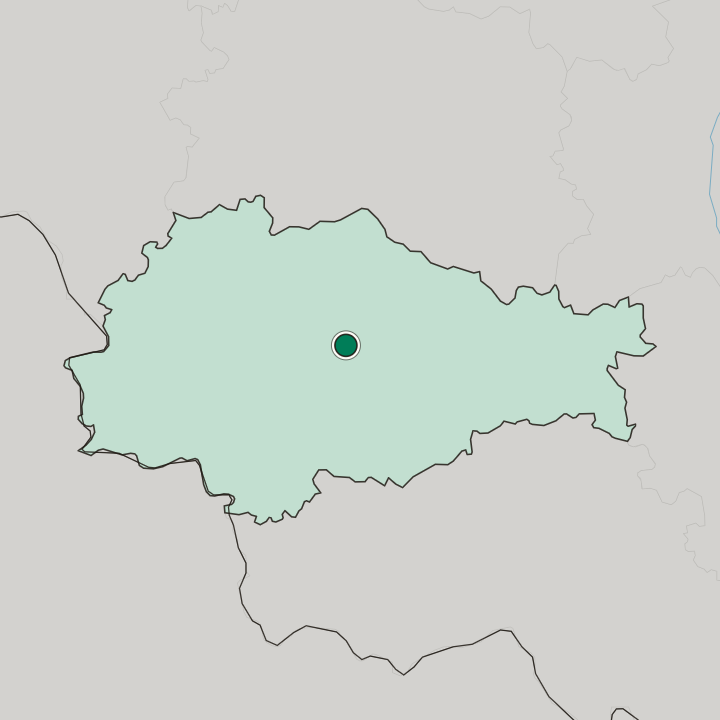
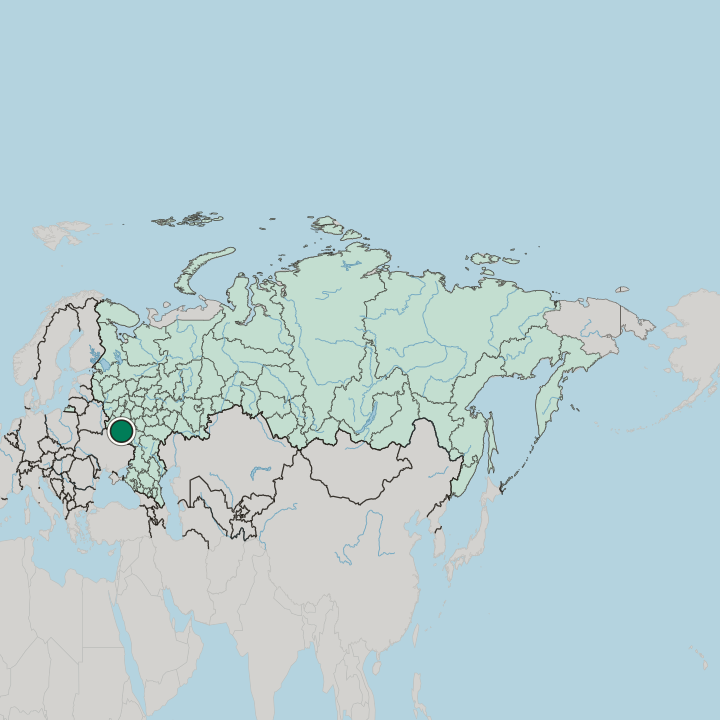
Kursk stands at the confluence of the Kur, Tuskar, and Seym rivers. The old town crowns a ridge between the valleys. Streets rise and fall with the terrain, and the city looks out over the Chernozemye, the black-earth belt of western Russia where it serves as the seat of Kursk Oblast.
Fertile plains surround it. The Seym gathers the smaller Kur and Tuskar and carries their water westward toward the Dnieper system.
What is the climate of Kursk?
A continental climate governs Kursk and the black-earth plains around it. Winters are cold and snowy, and the Tuskar and Seym freeze through the long frozen months that grip the black-earth plains. Summers turn warm.
Thunderstorms cross the Chernozemye in the hottest weeks, and the growing season is long enough to ripen the orchards the region is named for. Neither spring nor autumn lasts long in Kursk.
How do you get to Kursk?
Kursk is reached by rail and road. The main line between Moscow and the south runs through the city, an airport serves it, and highways cross the Chernozemye toward neighbouring regions. The Seym carries no through traffic.
Rail and road bring in nearly everyone who reaches Kursk. From the station, the ridge core around the Cathedral of Our Lady of "The Omen" climbs up within a short ride.
Good for
Another city in Kursk Oblast
Updated October 2026