Russia · Kursk Oblast
Where to Stay in Zheleznogorsk, Kursk Oblast
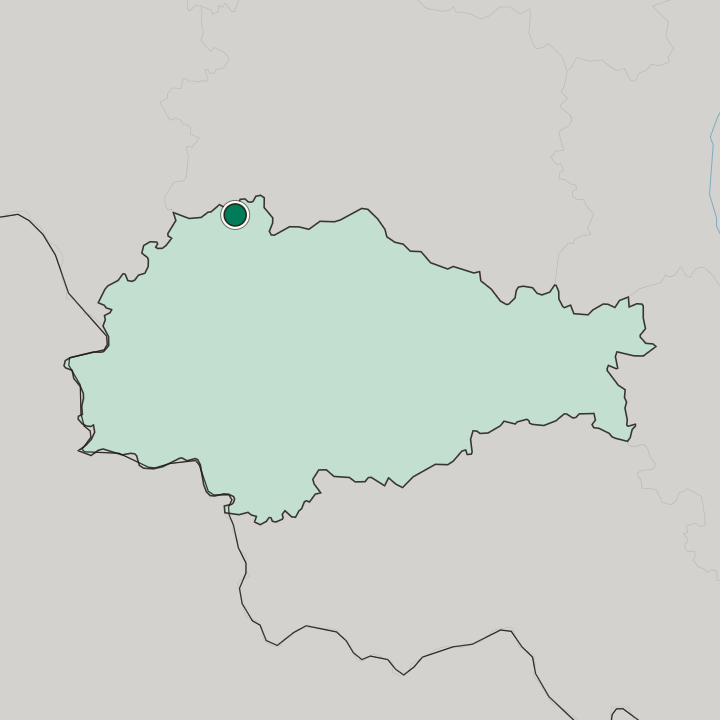
Zheleznogorsk stands north-west of Kursk in Kursk Oblast, a town founded in 1957 whose name reads in Russian as iron mountain.
Find your area →


Where to stay in Zheleznogorsk
The practical side of choosing where to sleep.
Beds here are a practical matter. Zheleznogorsk was laid out in the years after 1957 as a place to live and work rather than to visit, so accommodation clusters in the middle of the town and the choice is a short list. That is not a drawback.
The centre puts the shops, the bus links and the road south-east toward Kursk within easy reach of one another, which is what most people staying here need. Nothing in the town centre is far from anything else, and that compactness is the one real advantage of basing here rather than driving in from Kursk each morning. Kursk is the alternative base.
Anyone who wants a real range of hotels, or who is combining Zheleznogorsk with the older part of Kursk Oblast, does better in the oblast capital and drives out for the day. The countryside offers almost nothing. Долбёнкино and Большой Дуб are both rural, with the Храм Воскресения Словущего standing in a village where a bed is a matter of luck rather than booking. Plan on the town.
Staying in Zheleznogorsk and treating Большой Дуб and Долбёнкино as half-day drives is the arrangement that costs the least effort.
Few places to stay in Zheleznogorsk — most visitors book in Kursk nearby.
About Zheleznogorsk
What is Zheleznogorsk known for?
Iron is in the name. Железногорск reads as iron mountain, and the town was founded in 1957, which places everything here inside the industrial period rather than before it. Heritage sits outside the streets. The two catalogued sites in the area, Большой Дуб and the Храм Воскресения Словущего at Долбёнкино, both lie out in the countryside of Kursk Oblast.
What are the main landmarks in Zheleznogorsk?
Two names make the whole list. Большой Дуб, the great oak, is the name that appears first, and it sits out in the country rather than on any street inside Zheleznogorsk. Долбёнкино holds the second. The Храм Воскресения Словущего, the Church of the Resurrection, is the one piece of older architecture recorded anywhere near the town, and reaching it means a drive out through Kursk Oblast. Everything else is the working town itself.
What is the history of Zheleznogorsk?
Zheleznogorsk dates from 1957. That single year explains most of the town, because nothing standing in it was built for a settlement that existed before the middle of the twentieth century. The name carries the reason. Железногорск is built from the Russian words for iron and mountain, and towns given that kind of name in that decade were made around what the ground beneath them held.
The older layer belongs to the countryside. Долбёнкино keeps the Храм Воскресения Словущего, the Church of the Resurrection, and that church stands in a village rather than anywhere inside the new street plan of Zheleznogorsk. Большой Дуб is the other name on the register. Bolshoy Dub means the great oak, and the place is recorded under that name alone. Kursk holds the region's older story.
The oblast capital lies south-east of here, and the long history of Kursk Oblast is written into that city rather than into a town raised in the industrial decades after the war. That division still holds. Anyone coming for the built past goes to Kursk, and anyone coming to Zheleznogorsk comes for the working town it was built to be.
Where is Zheleznogorsk?
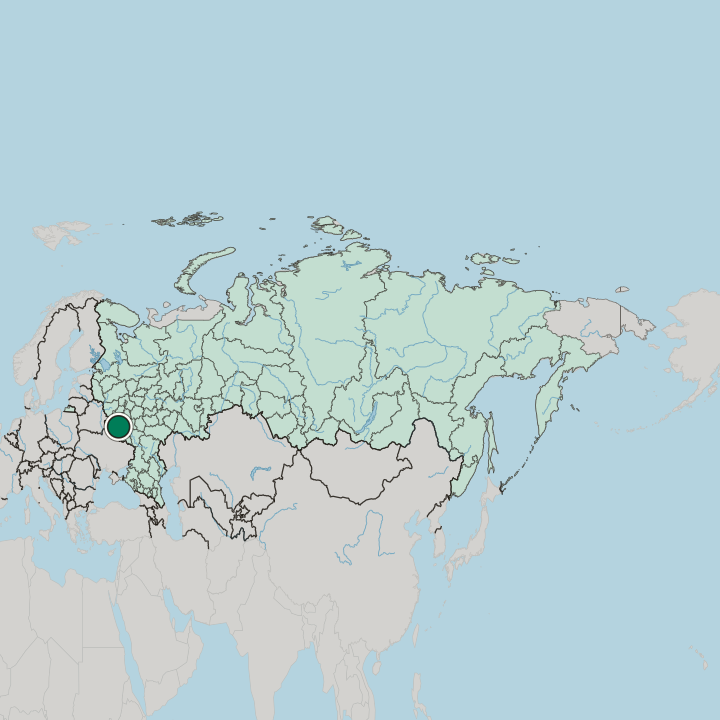
Kursk Oblast is open country. Zheleznogorsk sits north-west of Kursk, well inland, and the ground around it carries neither a sea coast nor high relief to shape how the town was laid out. Долбёнкино lies out in the surrounding countryside. Kursk is the reference point the town is measured from, and that distance does more than anything else to explain how Zheleznogorsk feels set apart.
What is the climate of Zheleznogorsk?
No sea reaches Kursk Oblast. That distance from open water gives Zheleznogorsk the full swing of a continental year, with hard frozen winters, a short muddy thaw, and summers that turn hot over the open ground. Snow arrives with the cold.
Spring comes late and fast, and the warm half of the year is the practical window for anything outdoors around Kursk.
How do you get to Zheleznogorsk?
Kursk is the way in. Most arrivals route through the oblast capital and then continue north-west by road, since Zheleznogorsk sits well away from the main corridors that cross Kursk Oblast. Driving is the simplest option.
A car also makes the two heritage sites reachable, since Долбёнкино and Большой Дуб both lie outside the town and neither is a walk from anywhere in it.
Common questions
What is the best area to stay in Zheleznogorsk?
Kursk: a wider hotel range and the older side of Kursk Oblast.
Good for
Another city in Kursk Oblast
Updated September 2026