Russia
Kursk Oblast, Russia — Towns & Travel Guide
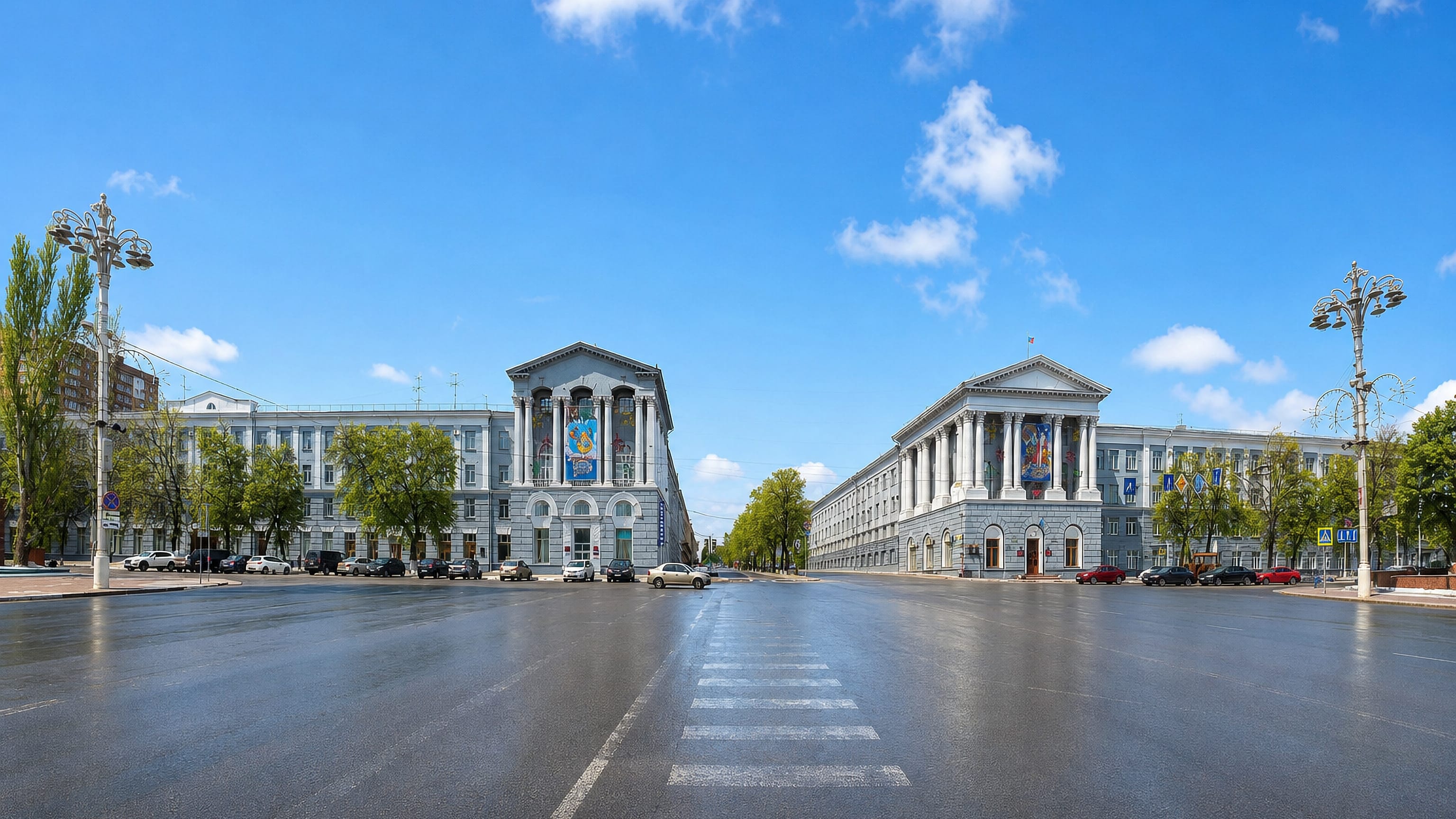
Kursk Oblast is a black-earth farming region of southwestern Russia, centred on the old city of Kursk above the Seym river.
Find your area →


Towns & cities in Kursk Oblast
Pick a town or city — each links to where to stay.
 Russia
Kursk
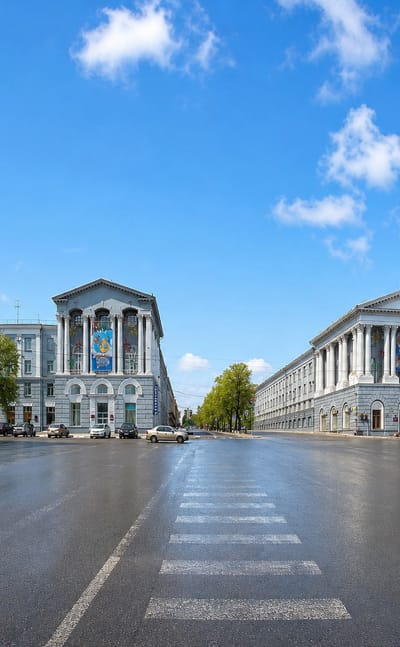
Kursk rises above the meeting of the Kur, Tuskar, and Seym rivers, a thousand-year city and the administrative center of Kursk Oblast.Where to stay →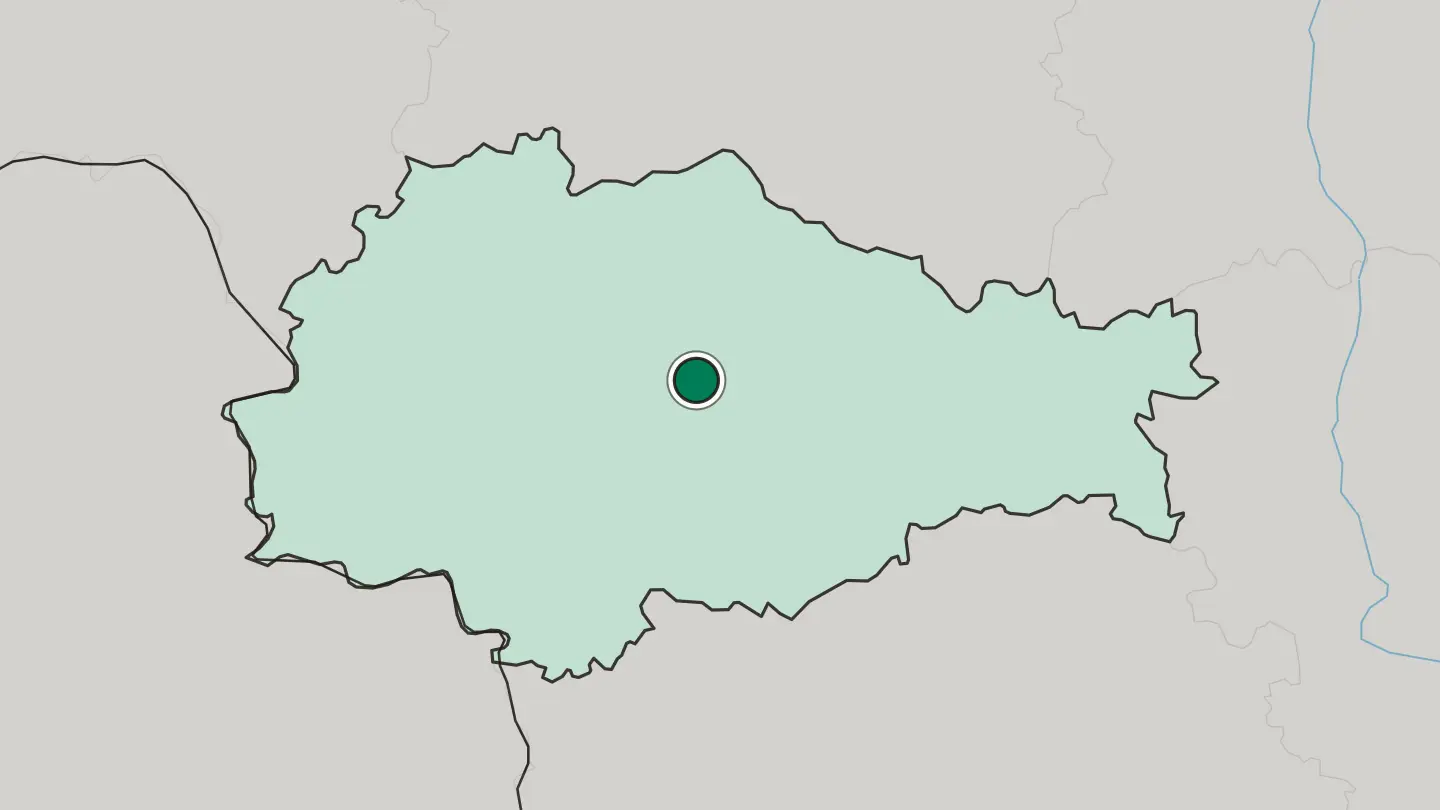 Russia
Zheleznogorsk
Zheleznogorsk stands north-west of Kursk in Kursk Oblast, a town founded in 1957 whose name reads in Russian as iron mountain.Where to stay →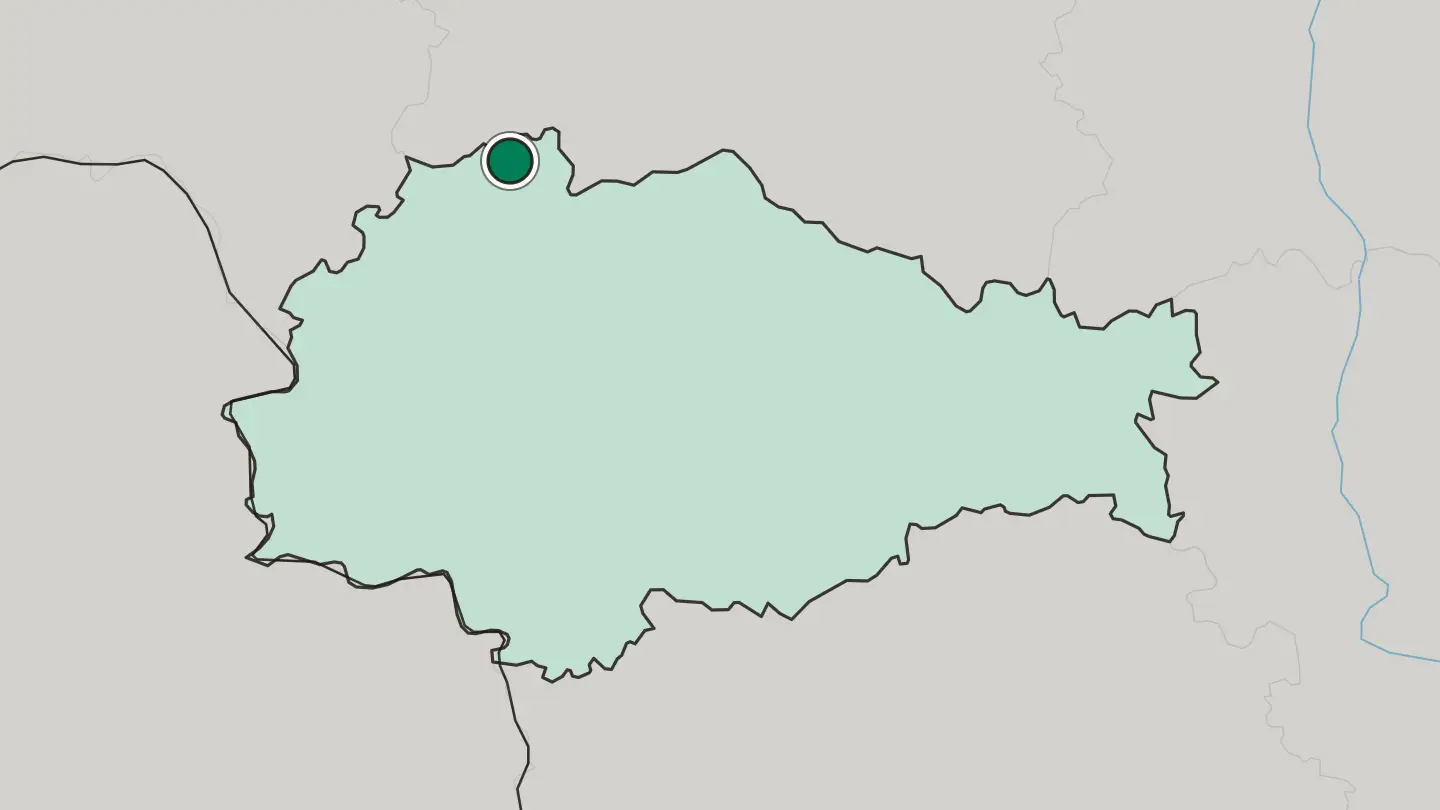
About Kursk Oblast
Kursk Oblast owes its fame to two things.
What is Kursk Oblast known for?
Deep beneath its wheat and sugar-beet fields lies the Kursk Magnetic Anomaly, the strongest magnetic anomaly on Earth and one of the world's richest bodies of iron ore. The mines around Zheleznogorsk still cut into it. The region is also fixed in memory for the Battle of Kursk of 1943, the largest tank battle ever fought, waged across this very steppe.
Kursk, the capital on the Seym, ties the two stories together.
Where is Kursk Oblast?
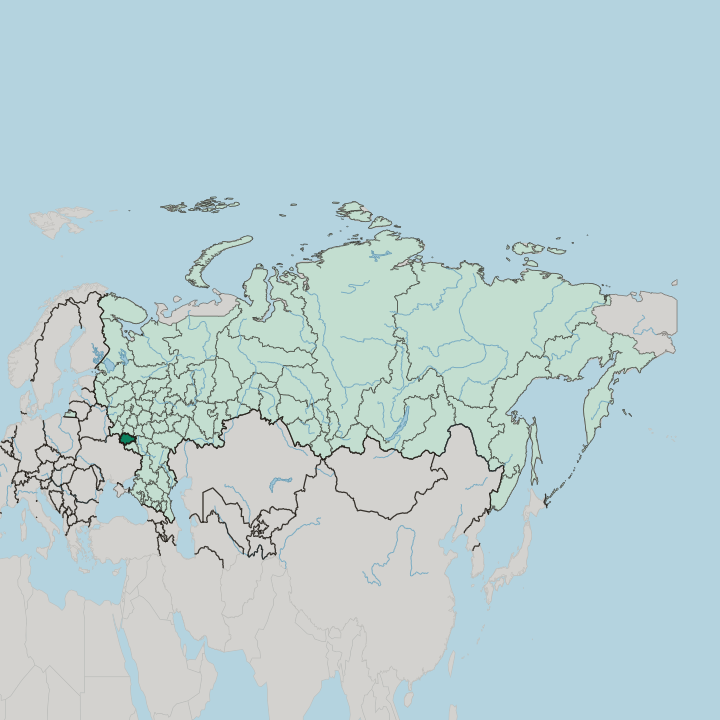
Kursk Oblast lies in the forest-steppe of southwestern European Russia, along the southwestern slopes of the Central Russian Upland. It is a land of low, rolling hills cut by ravines and river valleys, rather than mountains or flat plain. The surface averages roughly 180 to 225 metres above sea level, rising to the Timsko-Shchigrinsky ridge, whose crest at 288 metres is the highest ground in the region.
Rivers order the whole of it. The Seym, the largest tributary of the Desna, runs westward through Kursk and Kurchatov toward Ukraine, and most of the oblast drains through it into the Dnieper basin. The eastern corner tilts instead toward the Don.
Water lies everywhere in the detail. Nearly nine hundred rivers and streams thread the hills, and the black chernozem soil between them, among the most fertile on the continent, blankets close to seventy percent of the surface. Ukraine's Sumy region borders the oblast to the west, and Belgorod, Voronezh, Lipetsk, Oryol and Bryansk oblasts ring the rest.
Kursk itself stands near the centre, where the small Kur and Tuskar streams join the Seym.
What is Kursk Oblast like?
The region wears its faith openly. Its best-known treasure is the Kursk Root Icon of the Mother of God, an image tied to the Korennaya Hermitage at Svoboda, some thirty kilometres north of Kursk. Each summer a religious procession has carried the icon between that hermitage and the Znamensky cathedral in Kursk, a tradition renewed in 1618 and revived after the Soviet decades, drawing pilgrims from across Russia.
Sound belongs to the region as much as stone. The Kursk nightingale is a local emblem, prized as the finest songbird in the country, and its name attaches to singers and to the folk music of the black-earth villages. The composer Georgy Sviridov, born in the small town of Fatezh in 1915, drew directly on that heritage.
His cantata Kursk Songs sets the folk texts of these fields to music. Craft fairs, choral singing and Orthodox feast days still shape the rhythm of the year here, from the capital out to the smallest rural district.
What is the history of Kursk Oblast?
Kursk itself is old, first named in the chronicles in 1032 as a town of Kievan Rus', with Rylsk following in 1152. Mongol armies overran the land in the thirteenth century, and for centuries afterward it guarded the southern frontier of the Russian state. The oblast in its present form is young by contrast, carved out on 13 June 1934.
Its darkest and most famous hour came in the summer of 1943, when the Battle of Kursk turned the tide of the war on the Eastern Front. The steppe held.
What is the climate of Kursk Oblast?
Kursk Oblast has a moderately continental climate, warm in summer and cold in winter. July days average around plus nineteen degrees, while January runs to roughly minus nine, with snow lying deeper across the northern hills than in the south. Rain is modest and falls mainly in June and July, feeding the wheat and sugar beet.
A long frost-free spell of some five months gives the chernozem its growing season. The forest-steppe keeps it green through summer.
How do you get to Kursk Oblast?
Most travellers reach Kursk Oblast overland from Moscow, several hundred kilometres to the north. The main railway south from the capital runs through Kursk, which has long been a junction on the route toward the Ukrainian frontier, and trains remain the usual way in. Kursk sits on the road and rail lines that thread the Seym valley, linking the capital with Kurchatov, Rylsk and the smaller towns.
The oblast borders Ukraine on the west. Inside it, local roads follow the rivers between the farming districts.
More regions in Russia
Updated September 2026