Russia · North Ossetia-Alania
Where to Stay in Vladikavkaz, North Ossetia-Alania
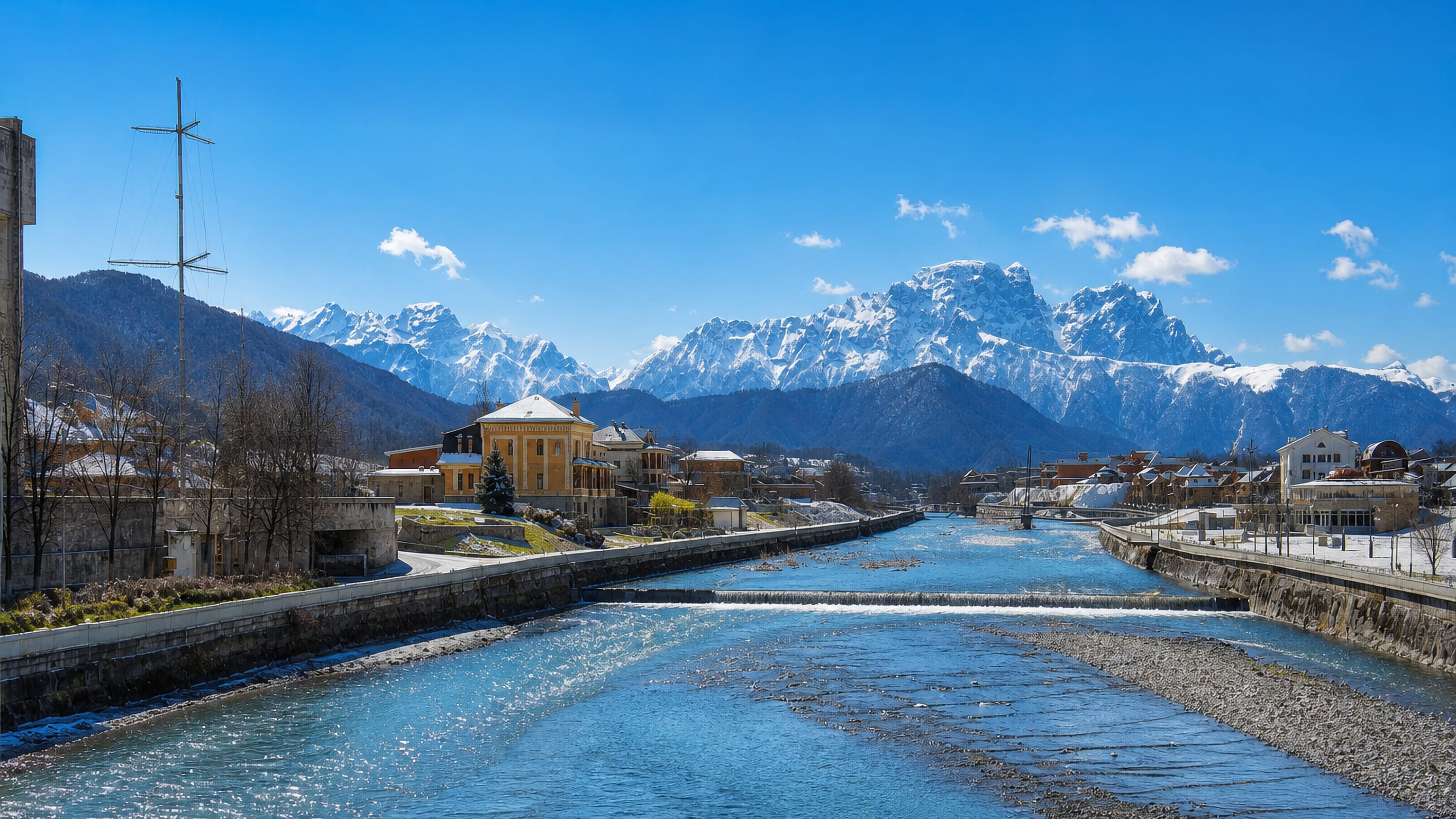
The Terek River runs from the Caucasus through Vladikavkaz, capital of North Ossetia-Alania, with the Mukhtarov Mosque and the Opera and Ballet Theater.
Find your area →


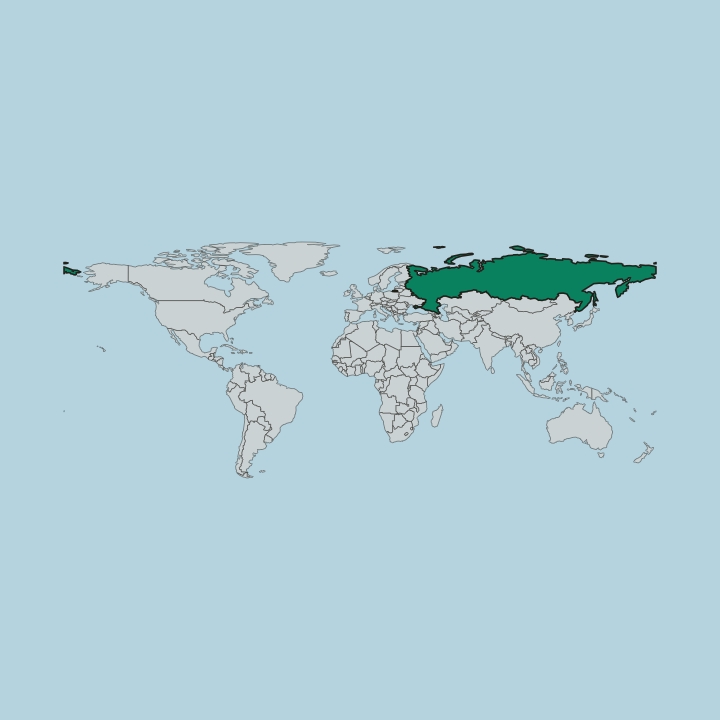
Where to stay in Vladikavkaz
Where visitors usually base themselves, and why.
Vladikavkaz lays its lodging along the Terek River and the avenues that run back from the water toward the mountains, so where you stay depends on how close you want to be to the riverside centre. The core holds the Mukhtarov Mosque and the theatres within an easy walk. This riverside core makes an easy base for a first visit.
Travellers who want the historic heart settle near the North Ossetian Opera and Ballet Theater and the Oganov Trading House, where the old merchant buildings line the streets by the river. Across the water, quieter avenues run past the churches and mansions. If you have come for the mix of faiths and the mountain views, base yourself near the Saint George Church or the Lutheran Church, both part of the old multi-faith fabric of the city.
The Caucasus rises close beyond the last streets. Each quarter reads at its own pace.
Things to do in Vladikavkaz
Ranked by global recognition; descriptions from Wikidata (CC0).
Museums & Galleries
2- North Ossetian State Art Museum named after M. S. Tuganov
- Национальный музей Республики Северная Осетия-Алания
Churches & Religious Sites
6- Mukhtarov Mosque Heritage
- Church of the Nativity of the Virgin Mary Heritage
- Saint Gregory the Illuminator church in Vladikavkaz Heritage
- Lutheran Church, Vladikavkaz Heritage
- Ильинская церковь (Владикавказ) Heritage
Show 1 more →
- Vladikavkaz Persian Mosque (Shia) Heritage
Castles & Historic Sites
3- Памятник Коста Хетагурову (Владикавказ) Heritage
- Могила Бориса Александровича Цуциева Heritage
- Memorial of Glory
Landmarks & Notable Places
8- North Ossetian Opera and Ballet Theater Heritage
- Дом архитектора Шмидта Heritage
- Казарма Владикавказского гарнизона и участок примыкающей крепостной стены Heritage
- Oganov Trading House Heritage
- Особняк барона Штейнгеля Heritage
Show 3 more →
- Здание Общества взаимного кредита (Владикавказ) Heritage
- Особняк Замкового Heritage
- Gatuev House Heritage
worth knowingacross 4 categories in Vladikavkaz
About Vladikavkaz
What is Vladikavkaz known for?
Vladikavkaz is known for its setting below the Caucasus and its mix of faiths along the Terek River. Many traditions meet in its streets. The Mukhtarov Mosque stands near Orthodox and Armenian churches such as the Saint George Church and the Saint Gregory the Illuminator church, and the North Ossetian Opera and Ballet Theater anchors the cultural life of the capital of North Ossetia-Alania, a city gathered where the mountains rise from the plain.
What are the main landmarks in Vladikavkaz?
Vladikavkaz holds landmarks that run from its mosques and churches to its theatres and mansions. Its faiths stand side by side. The Mukhtarov Mosque and the Vladikavkaz Persian Mosque rise near the Saint George Church and the Church of the Nativity of the Virgin Mary, while the North Ossetian State Art Museum named after M. S. Tuganov and the Memorial of Glory keep the city's art and memory close to the Terek River.
What is the history of Vladikavkaz?
Vladikavkaz was founded in 1784 as a fortress on the Terek River, guarding the northern foot of the Caucasus in what is now North Ossetia-Alania. It began as a mountain garrison. Raised where the river leaves the gorges for the plain, the fortress commanded the Georgian Military Highway, the old road that climbed south through the mountains, and the town that grew around it drew traders and settlers of many faiths.
Over the following century the garrison town broadened into a diverse regional centre. Merchants built houses such as the Oganov Trading House, and communities raised the Mukhtarov Mosque, the Lutheran Church, and Orthodox and Armenian churches side by side. The fortress gave way to the city.
From the garrison founded in 1784 at the mouth of the mountains, Vladikavkaz grew into the capital of North Ossetia-Alania, still set on the Terek River below the peaks of the Caucasus.
Where is Vladikavkaz?
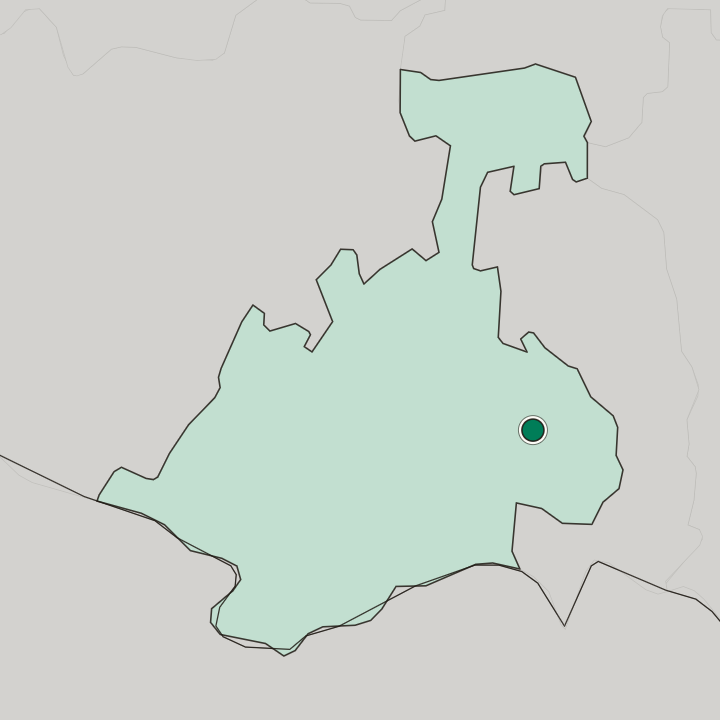
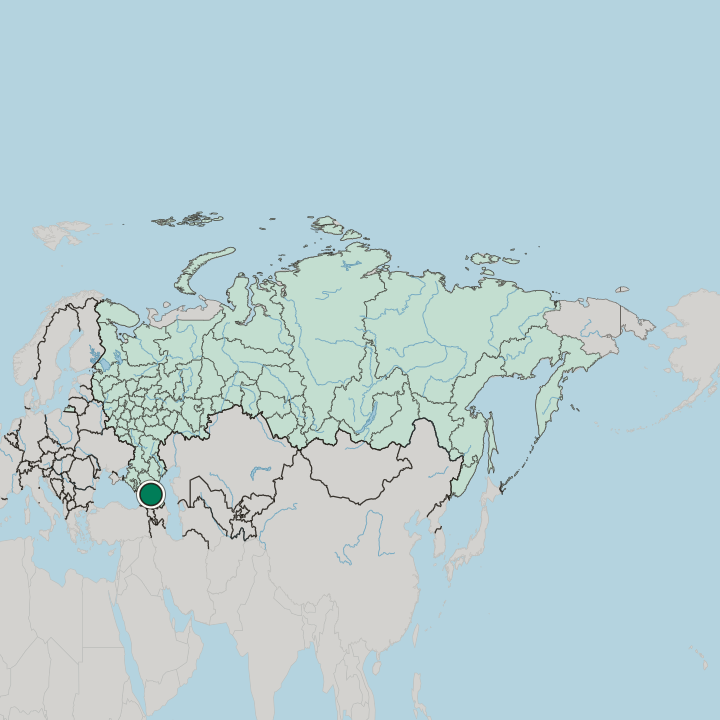
Vladikavkaz lies on the Terek River at the foothills of the Caucasus, the capital of North Ossetia-Alania. The mountains define its setting. The river runs down from the gorges to the south, the peaks of the Caucasus rise close beyond the last avenues, and the city spreads along both banks across the plain where the Georgian Military Highway begins its climb into the range.
What is the climate of Vladikavkaz?
Vladikavkaz has a humid continental climate shaped by the nearby Caucasus. The mountains cool the air. Cold snowy winters settle over the Terek River and the foothills, while the warm summers bring frequent mountain rain to the streets of North Ossetia-Alania, the weather turning quickly as the peaks draw cloud down onto the plain.
How do you get to Vladikavkaz?
Vladikavkaz is reached by rail and road as the main transit hub of North Ossetia-Alania. Visitors reach Vladikavkaz by rail and road rather than by air. Railways and highways link the city across the wider country, and the Georgian Military Highway climbs south from the Terek River into the Caucasus, carrying traffic through the mountain passes beyond the city.
Good for
Updated October 2026