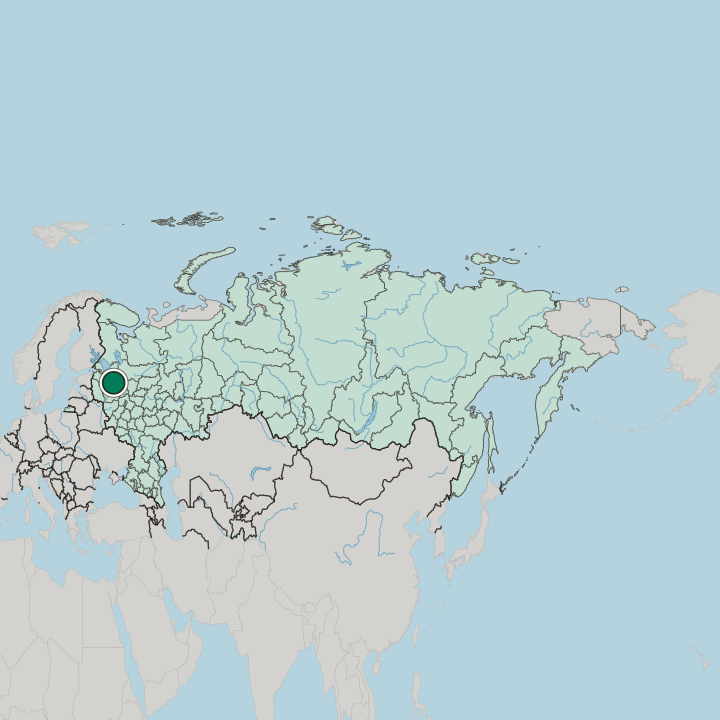
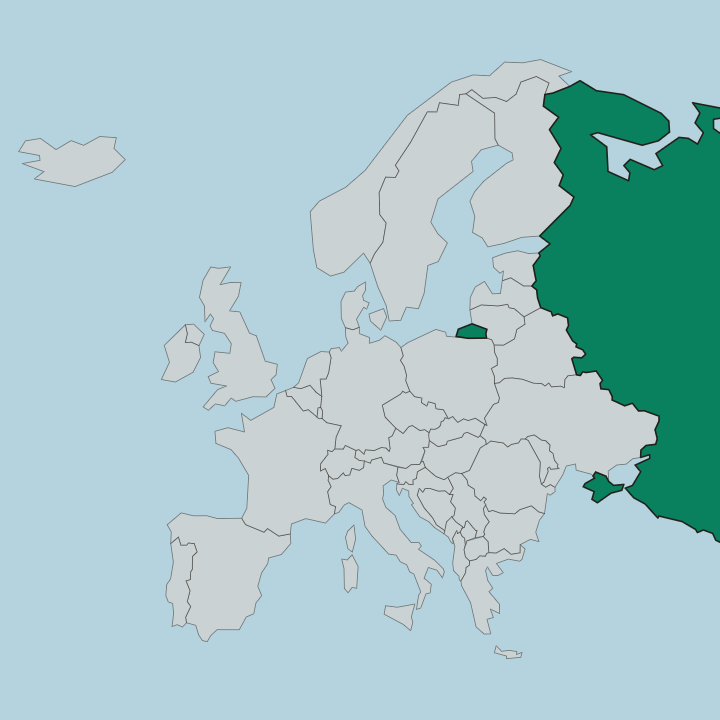
Russia · Novgorod Oblast
Where to Stay in Borovichi, Novgorod Oblast
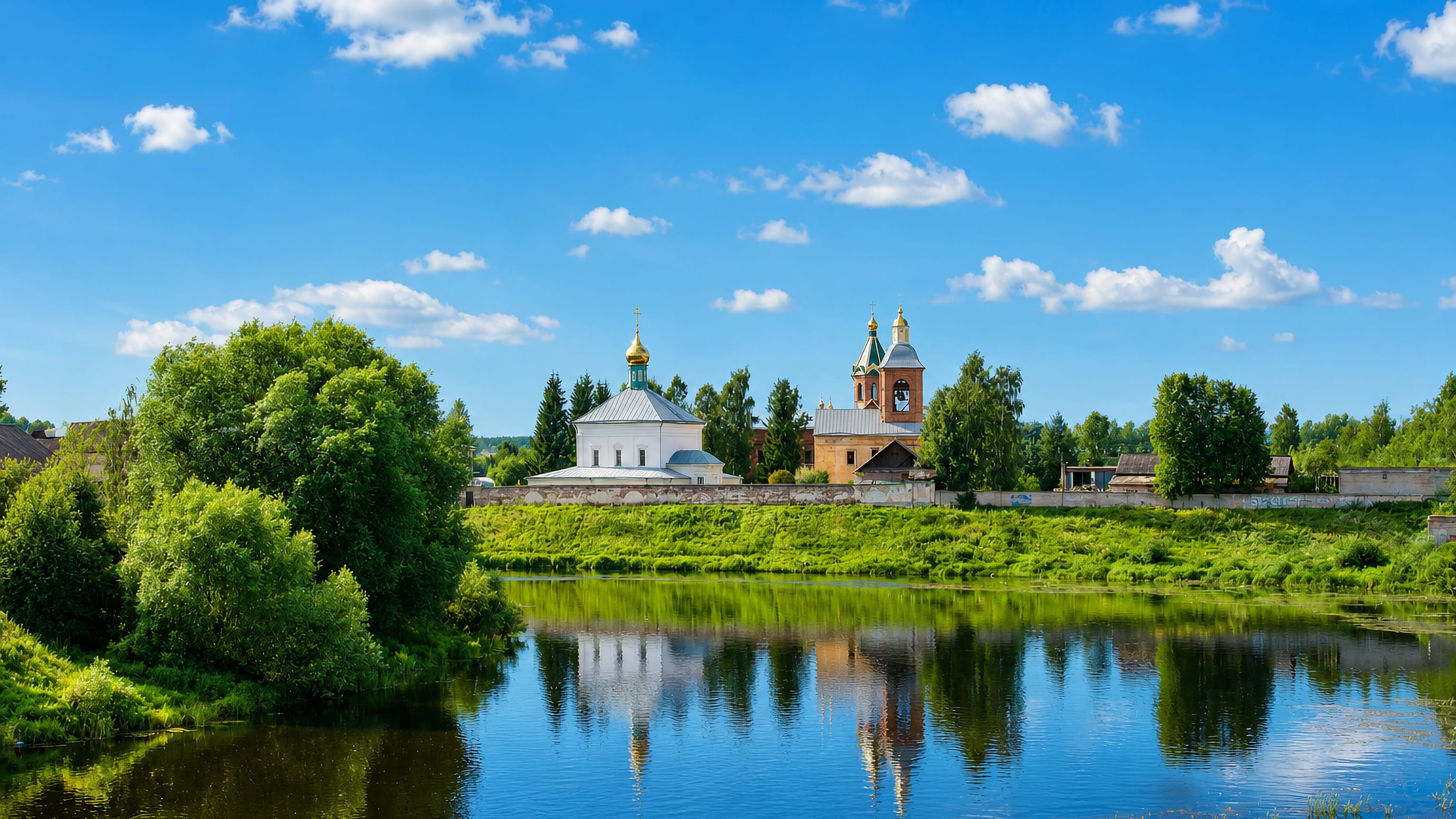
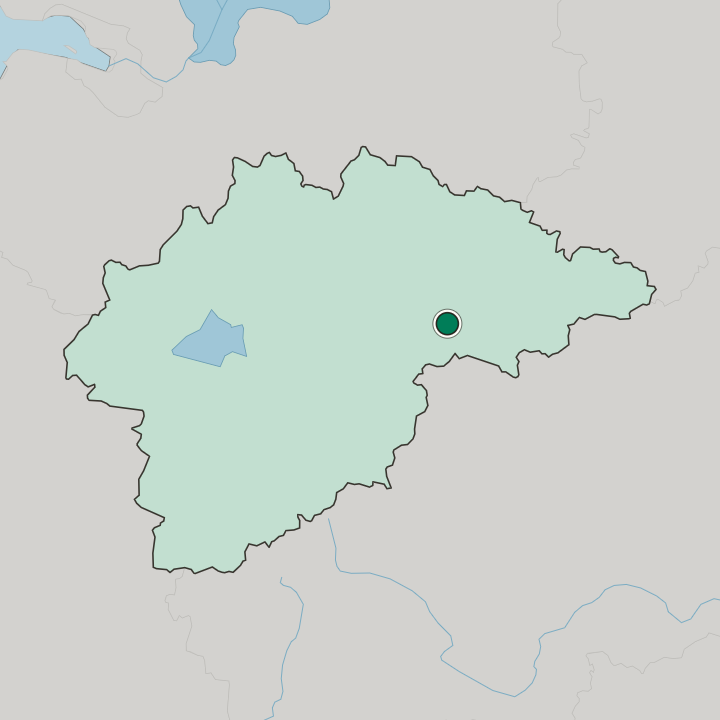
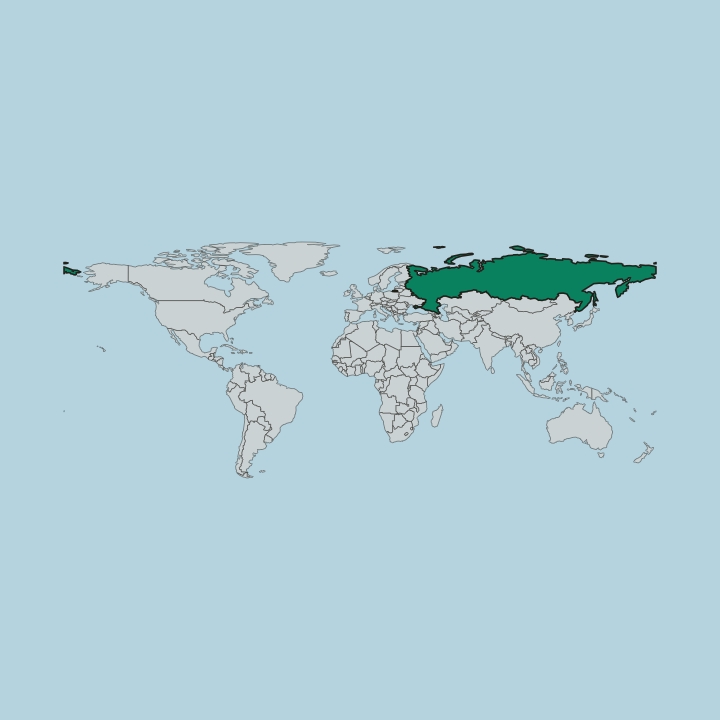
Borovichi stands on the Msta River in the northern spurs of the Valdai Hills, the second largest town of Novgorod Oblast, east of Veliky Novgorod.
Find your area →


Where to stay in Borovichi
Where the beds are, and what that means for the visit.
The Belelyubsky Bridge fixes the centre. Rooms within reach of it put the Msta River, the Holy Spirit cathedral and the Museum of the history of Borovichi city and Borovichi land inside one short walk of each other. Riverside rooms are the sensible choice.
The Shulgin tea house, the Shulgin warehouses and the Mitrofanov merchant estate fill in the streets around, so an evening walk covers most of the protected list without a plan. Quiet gathers near the Holy Spirit Monastery. The Holy Spirit Monastery and the Holy Spirit cathedral share a name and a patch of the town, and the theological school building and its boarding house stand in the same religious quarter.
Borovichi has few rooms to offer. Anyone after the church fabric rather than the river will find the girls gymnasium building and the parish school building on the same short circuit. Hill ground lies further out.
The northern spurs of the Valdai Hills run past the edges of Borovichi, and a room out that way trades the Belelyubsky Bridge for distance. The Kirov monument, the Lenin monument and the common grave of Soviet soldiers stand on the same protected register, along with four numbered blocks that carry no other name. Veliky Novgorod, the administrative centre of Novgorod Oblast, lies roughly 194 kilometres west of the town.
Most visitors stay by the bridge.
Things to do in Borovichi
Ranked by global recognition; descriptions from Wikidata (CC0).
Museums & Galleries
1- Museum of the history of Borovichi city and Borovichi land Heritage
Castles & Historic Sites
2- Памятник В.И. Ленину (Боровичи) Heritage
- Памятник С.М. Кирову (Боровичи) Heritage
Landmarks & Notable Places
8- Belelyubsky Bridge Heritage
- Усадьба купцов Митрофановых Heritage
- Holy Spirit Monastery, Borovichi Heritage
- Holy Spirit Orthodox cathedral in Borovichi Heritage
- Жилой дом (Боровичи) Heritage
Show 3 more →
- Жилой дом (Фотография Н.С. Дубровина) (Боровичи) Heritage
- Жилой дом с булочной и мелочной лавкой (Боровичи) Heritage
- Здание духовного училища (Боровичи) Heritage
worth knowingacross 3 categories in Borovichi
About Borovichi
The Belelyubsky Bridge comes first.
What is Borovichi known for?
It carries the town across the Msta River, and the protected register runs on from there to the Holy Spirit Monastery, the Holy Spirit cathedral and the Mitrofanov merchant estate. Trade left its own buildings. The Shulgin tea house and the Shulgin warehouses, a house that combined lodging with a bakery and a small-goods shop, and the Dubrovin photography house all survive on the list.
The Museum of the history of Borovichi city and Borovichi land keeps the record.
What are the main landmarks in Borovichi?
The Belelyubsky Bridge heads the list. Faith supplies the Holy Spirit Monastery and the Holy Spirit cathedral, learning supplies the theological school building, the girls gymnasium building and the parish school building, and trade supplies the Shulgin tea house, the Shulgin warehouses and the Mitrofanov merchant estate. Memory takes the rest.
The Kirov monument, the Lenin monument and the common grave of Soviet soldiers stand among the houses, and the Museum of the history of Borovichi city and Borovichi land holds the written record.
What is the history of Borovichi?
The record gives Borovichi no date of foundation. What the register shows instead is a river town of the Msta that grew on trade, with the Shulgin tea house, the Shulgin warehouses and the Mitrofanov merchant estate left behind by the families who ran it. One protected house combined lodging with a bakery and a small-goods shop.
The Dubrovin photography house belongs to the same commercial layer, and so does a run of ordinary dwelling houses that the register keeps under no name but their own. Churches built the schools. The theological school building and its boarding house stand on the protected list beside the girls gymnasium building and the parish school building, four separate addresses given over to teaching.
Worship kept its own ground. The Holy Spirit Monastery and the Holy Spirit cathedral carry one dedication between them, and both survive in a town whose religious buildings were listed alongside its shops and its bridge. One crossing matters most.
The Belelyubsky Bridge crosses the Msta River, and it stands on the protected register beside the monastery, the schools and the merchant houses. The twentieth century added its own markers. A Kirov monument and a Lenin monument were raised in Borovichi, four numbered blocks were listed under nothing but their numbers, and a common grave holds Soviet soldiers.
The Museum of the history of Borovichi city and Borovichi land keeps all of it in one place.
Where is Borovichi?
The Msta River runs through it. Borovichi sits in the northern spurs of the Valdai Hills, roughly 194 kilometres east of Veliky Novgorod, and its built ground covers something near 45 square kilometres of Novgorod Oblast. Hills give the relief.
The Belelyubsky Bridge takes the streets over the Msta, and Borovichi ranks second in size among the towns of Novgorod Oblast.
What is the climate of Borovichi?
The Valdai Hills set the terms. Borovichi lies in their northern spurs, far enough inland that no sea reaches it, and the Msta River is the only water of any size to work against the swing between the seasons. Little softens it.
The temperate band it shares with the rest of Novgorod Oblast still means a hard divide between the two halves of the year, and the Msta carries whatever softening the town gets.
How do you get to Borovichi?
Veliky Novgorod is the road in. Roughly 194 kilometres separate the administrative centre of Novgorod Oblast from Borovichi, which lies east of it in the northern spurs of the Valdai Hills. The Belelyubsky Bridge handles the rest.
Once across the Msta River the Holy Spirit cathedral, the Shulgin tea house and the museum all sit close enough together that the town works on foot.
Good for
Another city in Novgorod Oblast
Updated October 2026