Russia · Omsk Oblast
Where to Stay in Omsk, Omsk Oblast
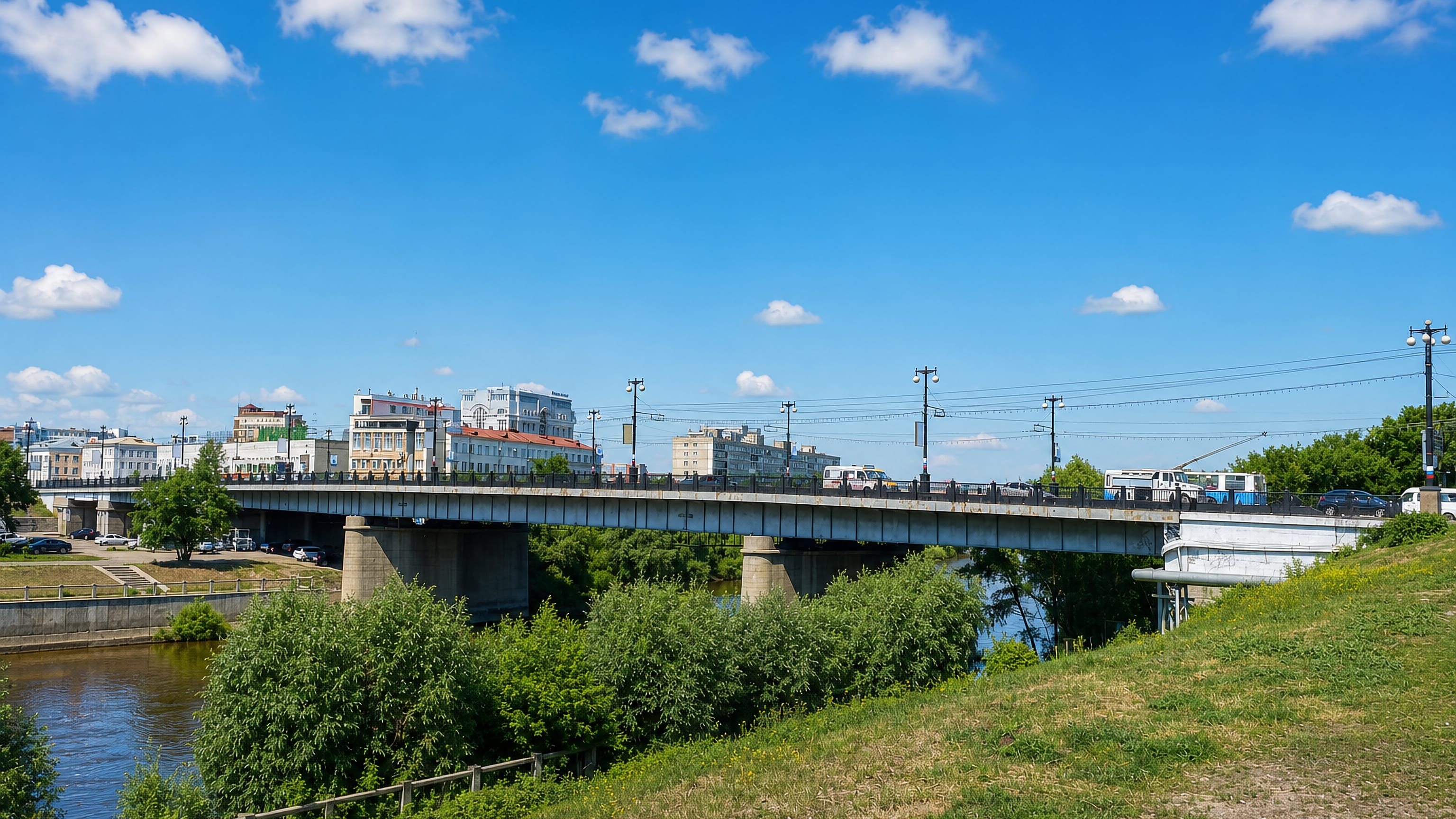
The Irtysh River runs through Omsk, a city in southwest Siberia and capital of Omsk Oblast, known for the Omsk Fortress and its Trans-Siberian crossing.
Find your area →


Where to stay in Omsk
Where the beds are, and what that means for the visit.
Omsk centres on the high right bank of the Irtysh River, so the old town around the Omsk Fortress is where most travellers stay, close to the river embankment and the main squares. Walking covers Omsk's old town. Streets near the Omsk Fortress and the St. Nicholas Cossack Cathedral hold the garrison-era stone of the city, and the embankment of the Irtysh River ties the quarter together within reach of the museums and the merchant frontages.
If you want the museums and civic buildings at hand, the central district keeps the Omsk State Museum of History and Local Lore and the Omsk Duma building a short walk apart. The Fire Tower and the Ensemble of Merchant Houses stand among the surviving pre-Soviet buildings here. For visitors arriving by train, the ground near the Omsk railway station links to the centre along the Trans-Siberian corridor, keeping the Irtysh River and the wider plain of Western Siberia within easy reach across Omsk Oblast.
Things to do in Omsk
Ranked by global recognition; descriptions from Wikidata (CC0).
Museums & Galleries
3- Omsk Fortress Commandant House Heritage
- Omsk District Museum of Visual Arts
- Omsk State Museum of History and Local Lore
Churches & Religious Sites
3- St. Nicholas Cossack Cathedral Heritage
- The Lutheran Church of the Holy Catherine Heritage
- Church of the Exaltation of the Cross (Omsk) Heritage
Castles & Historic Sites
1- Omsk Fortress Heritage
Stadiums & Sports
1- Blinov Sports and Concerts Complex
Landmarks & Notable Places
8- Omsk railway station Heritage
- Генерал-губернаторский дворец (Омск) Heritage
- Omsk Duma building Heritage
- Ciocana Valikhanova Street 10, Omsk Heritage
- Dekabristov Street 35, Omsk Heritage
Show 3 more →
- Elvorti Building, Omsk Heritage
- Ensemble of Merchant Houses, Omsk Heritage
- Fire Tower, Omsk Heritage
worth knowingacross 5 categories in Omsk
About Omsk
What is Omsk known for?
Omsk is known as a river and rail hub on the Irtysh River in southwestern Siberia. It grew from a fort. The Omsk Fortress marks the garrison origin of the city, and the St. Nicholas Cossack Cathedral recalls the Cossack lines that held this reach of Western Siberia.
Landmarks such as the Omsk railway station on the Trans-Siberian line and the Omsk State Museum of History and Local Lore anchor the centre of Omsk Oblast, one of the largest cities of Siberia.
What are the main landmarks in Omsk?
The main landmarks of Omsk trace its garrison and merchant past along the Irtysh River. The Omsk Fortress is the founding stronghold, and the St. Nicholas Cossack Cathedral stands from the Cossack era. Faith left its mark too.
The Lutheran Church of the Holy Catherine and the Church of the Exaltation of the Cross show the city's mixed congregations, while the Omsk State Museum of History and Local Lore, the Fire Tower and the Ensemble of Merchant Houses fill out the old centre near the Omsk railway station on the Trans-Siberian line.
What is the history of Omsk?
Omsk was founded in 1716 as a fortress on the Irtysh River, guarding the southern edge of Russian Siberia. It began as a garrison. The Omsk Fortress held the Cossack lines along the river, and a settlement grew around it as the frontier pushed south across the steppe of Western Siberia toward the lands that reach northern Kazakhstan.
Over the centuries that followed the fort became a full city. The St. Nicholas Cossack Cathedral rose for the Cossack host, merchant families raised the buildings now grouped as the Ensemble of Merchant Houses, and civic life gathered around the Omsk Duma building and the museums that became the Omsk State Museum of History and Local Lore. When the Trans-Siberian line reached the Irtysh River, the Omsk railway station tied the old fortress town into the great eastward route through Omsk Oblast.
Where is Omsk?
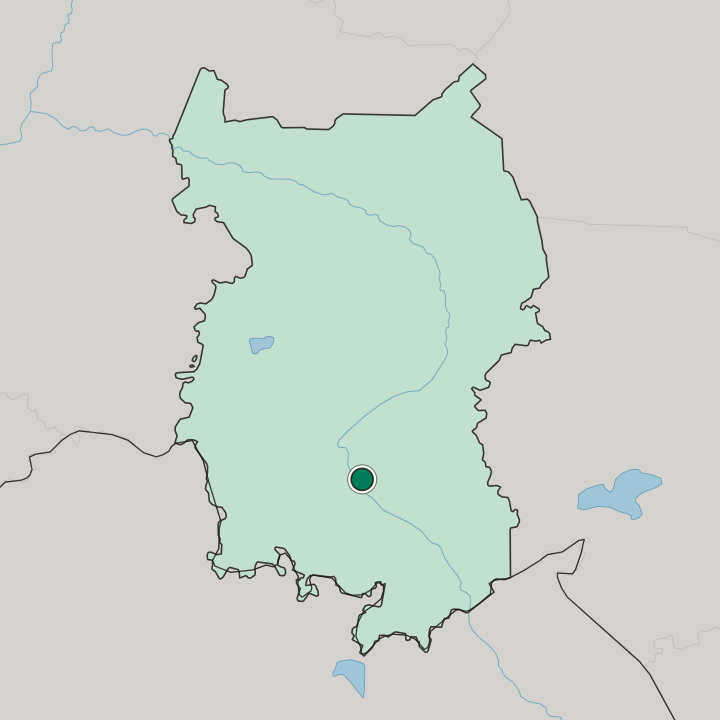
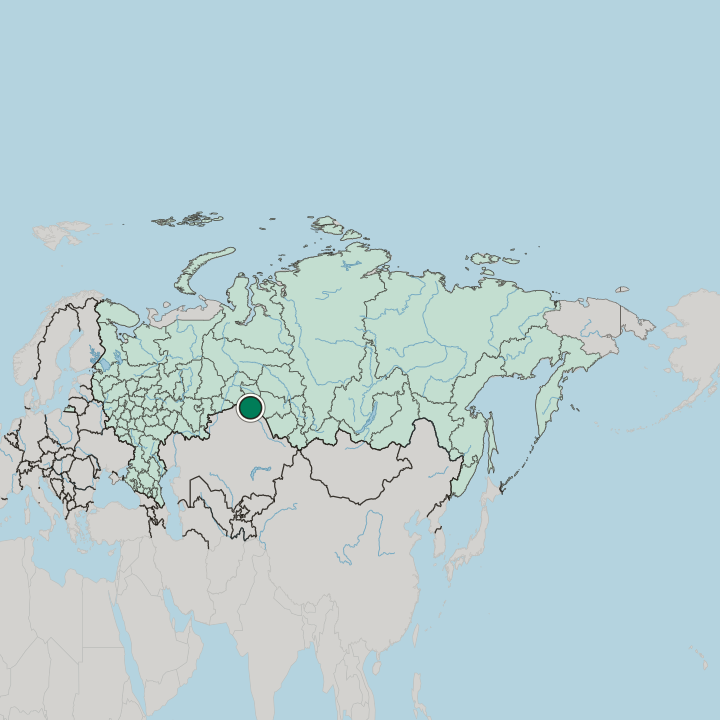
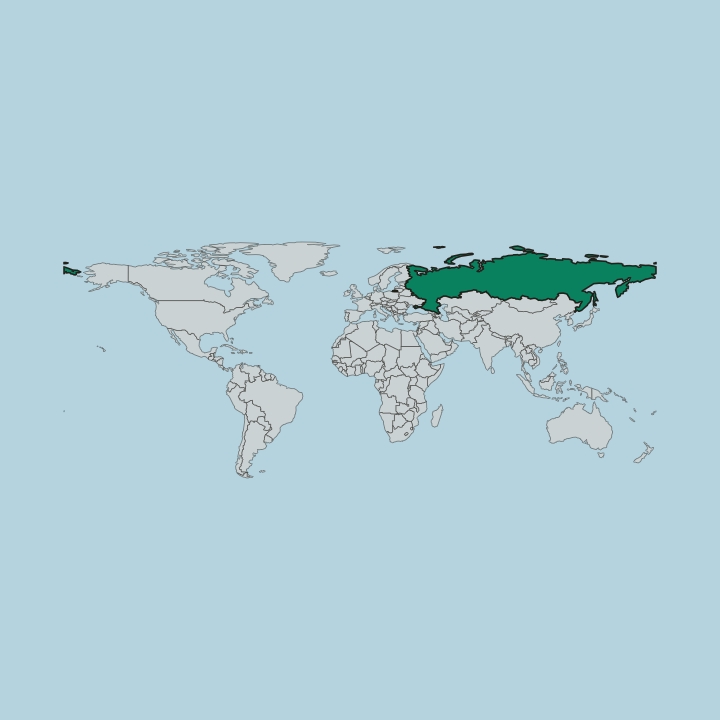
Omsk lies on the Irtysh River in southwestern Siberia, on the flat plain of Western Siberia. The steppe opens south. The city stands where the river crosses the low Siberian lowland, capital of Omsk Oblast, on the southern reach of the plain toward the border country of northern Kazakhstan and the distant Altai mountains.
From here the level land runs wide on both banks of the river.
What is the climate of Omsk?
Omsk has a sharp continental climate set by its place on the open plain of Western Siberia. Winter grips the open Siberian steppe for a long, hard stretch. Cold air settles over the flat steppe through the season, and the summers turn hot and short along the Irtysh River, with a wide swing between the seasons far from any sea in the interior toward northern Kazakhstan.
How do you get to Omsk?
Omsk is a major junction on the Trans-Siberian line in southwestern Siberia. Trains stop at the city. The Omsk railway station handles the great eastward route, and the Irtysh River serves as a staging point for river traffic across Western Siberia, while roads run south toward the steppe country of northern Kazakhstan from the heart of Omsk Oblast.
Good for
Updated September 2026